ABOUT
The Abdij van Kortenberg (Abbey of Kortenberg) is located in today’s Belgian municipality of Kortenberg, strategically positioned between the major cities of Leuven and Brussels. The abbey is renowned for being the site of the signing of the Charter of Kortenberg in 1312, which was the first constitution in continental Europe after England’s Magna Carta.
Origin
1095: A Women’s Hermitage on a Hill
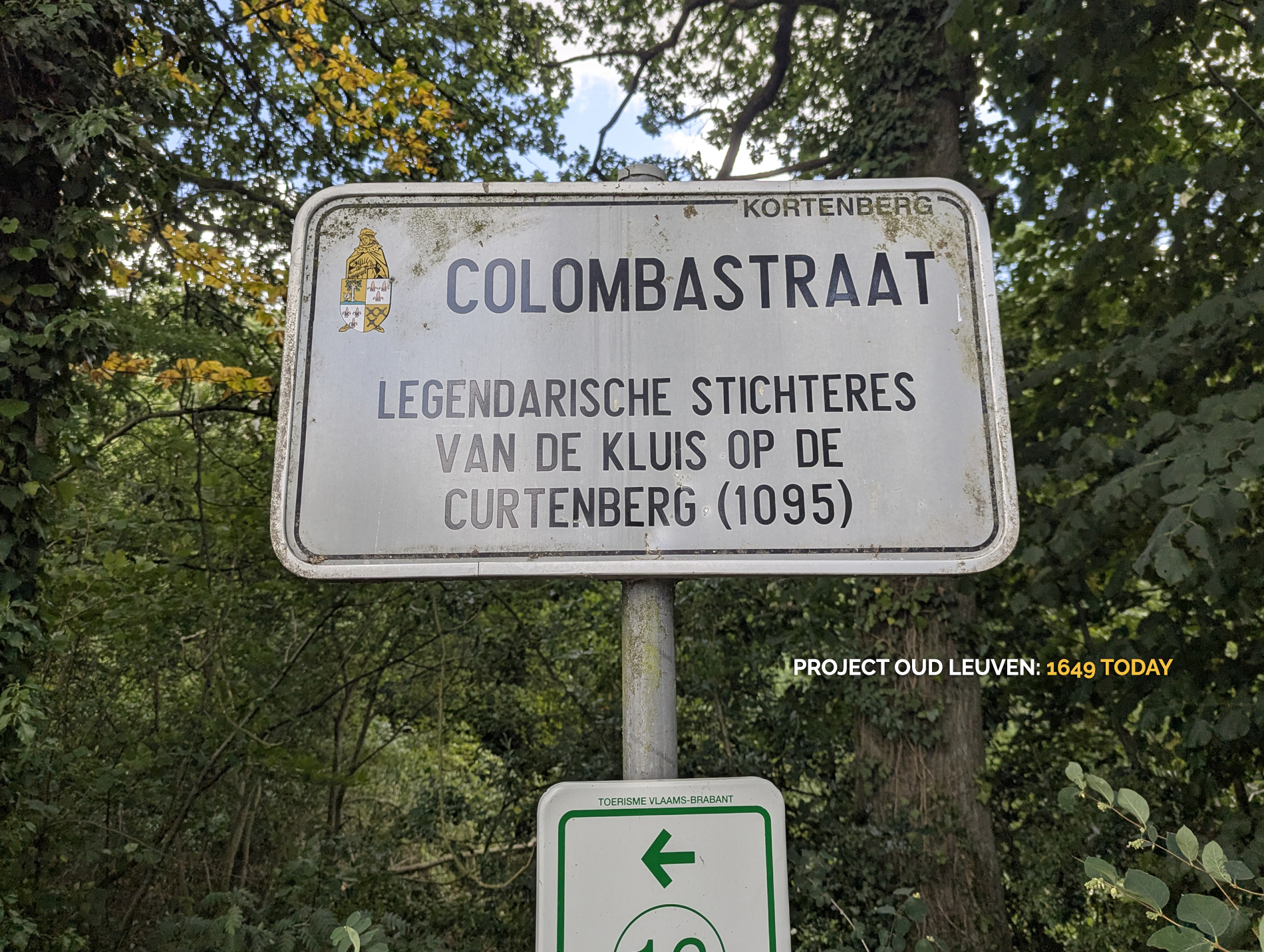
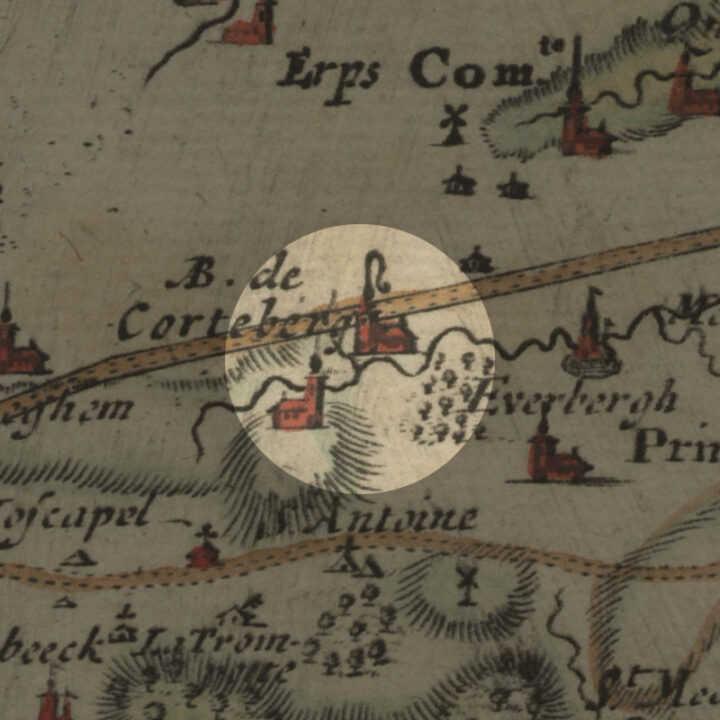
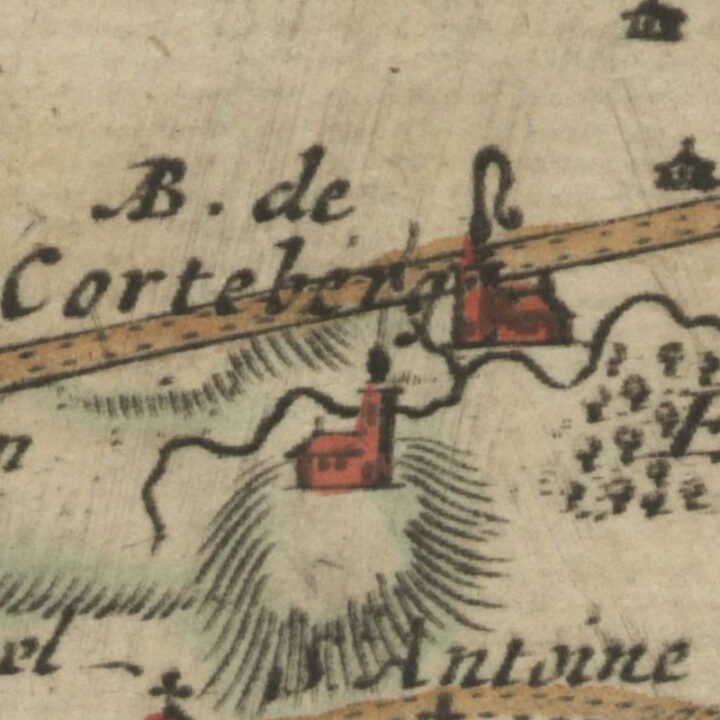
The history of the Abdij van Kortenberg (Abbey of Kortenberg) actually began with a single woman. According to tradition, a pious woman named “Duva” (meaning “dove”, she is also known by her Latin name of the same meaning “Columba“) founded a hermitage atop an obscure hill some twelve kilometres west of Leuven called as the “Curtenbergh“. She soon attracted a circle of female clerics who lived in small houses grouped around a church.
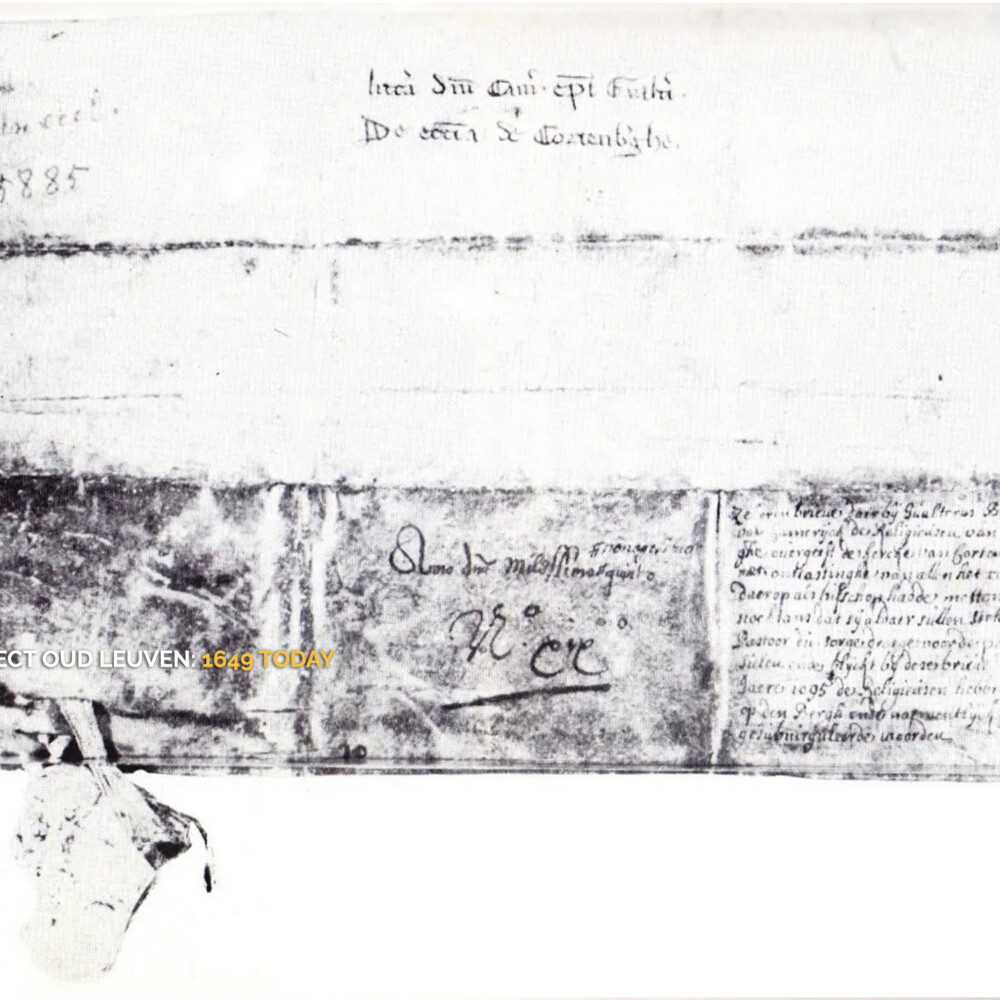
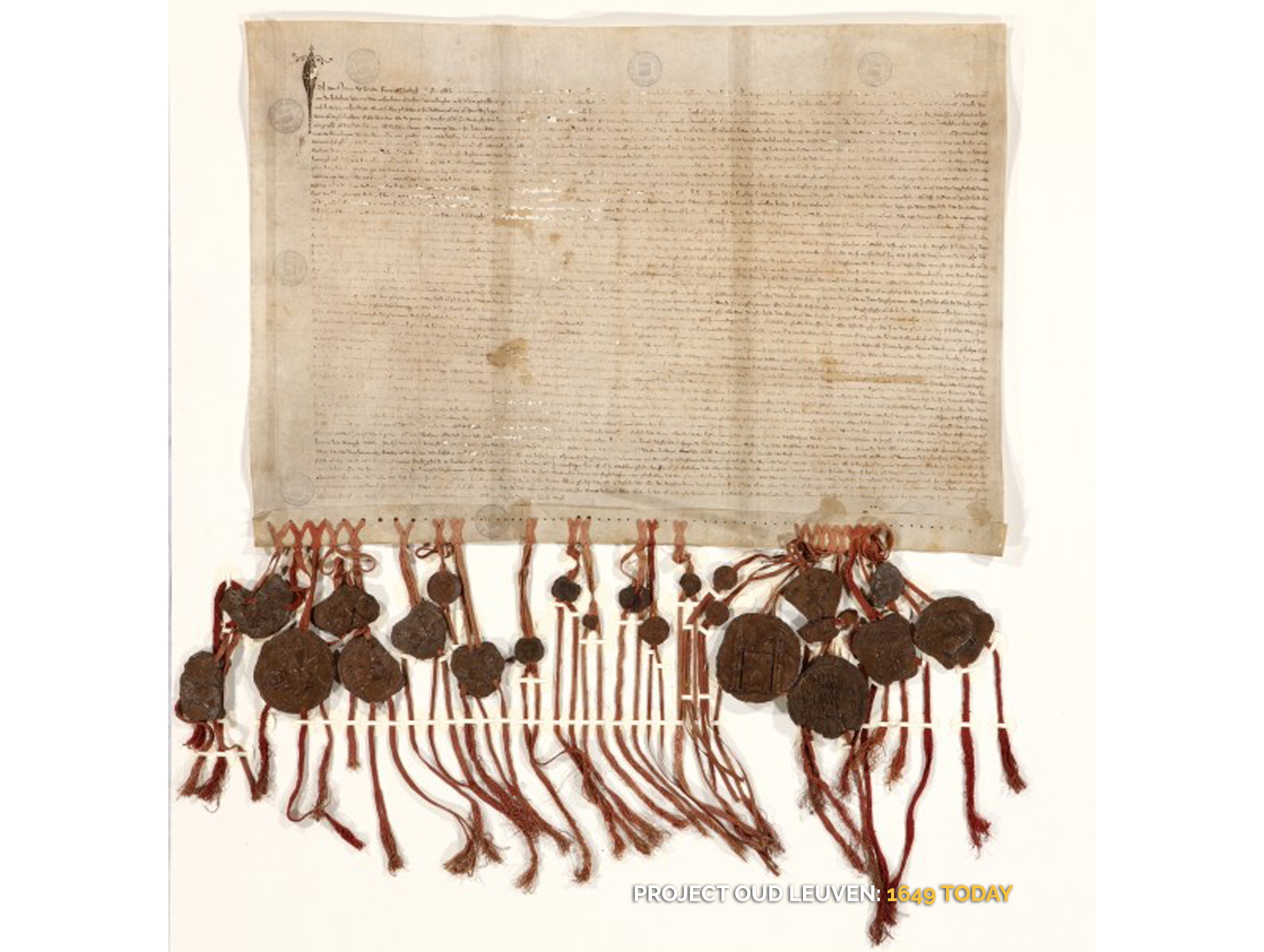
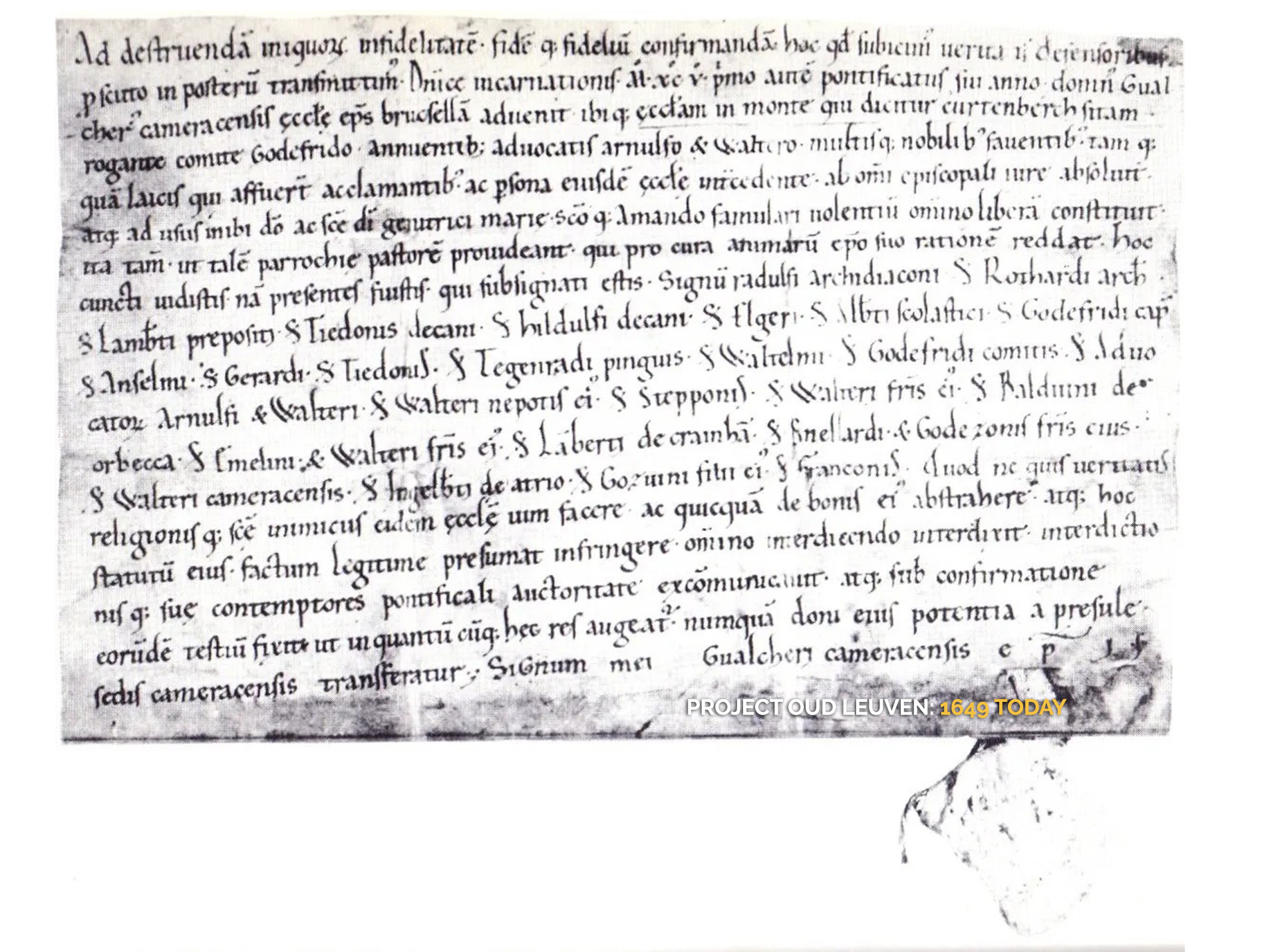
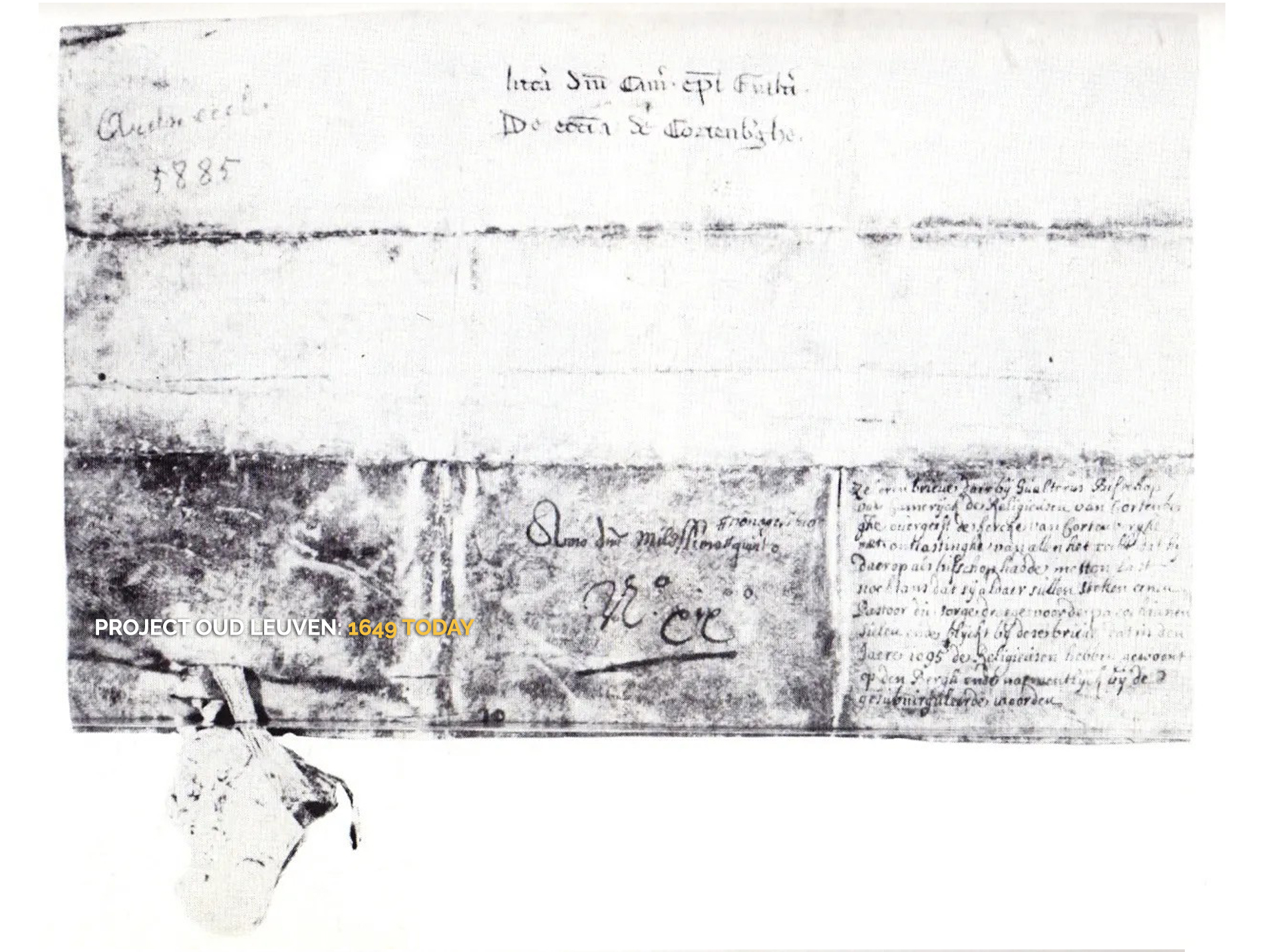
This hermitage’s reputation grew and it soon gained formal recognition in the year 1095, when Walcher/Woutgeer, the Bishop of Cambrai, issued a document signed by Count Godfrey I of Leuven and thirty prominent noblemen. In the deed, the Bishop exempted the ‘reclusae‘ (pious female hermits) present at Curtenberch from all episcopal rights, on the condition that the sisters be responsible for appointing the parish priest of the church.
To this day, the document dating from 1095 is still preserved in the city archives of Leuven (see photo below).
In the year 1110, Odo of Doornik, a later Bishop of Cambrai, donated the altar to the reclusae. In addition to the altar, they received other possessions and benefits. Due to the extensive delegation of dignitaries, it can be assumed that the event in 1095 did not concern the actual founding, but rather a consolidation and official recognition of the abbey. What already existed before that date can only be deduced from later sources.
Originally dedicated to the Virgin Mary and Saint Amandus, this women’s community moved from its hilltop location to the valley below called “Minneveld” in 1210, supposedly due to the lack of water.
In 1223, following a bull from Pope Gregory VIII, the sisters officially adopted the Rule of Saint Benedict, transforming the community into a formal Benedictine abbey. By the end of the 13th century, the site had expanded to include a hospital for the sick, the poor, and travellers.
What's so special about this place?
The Charter of Kortenberg, 1312
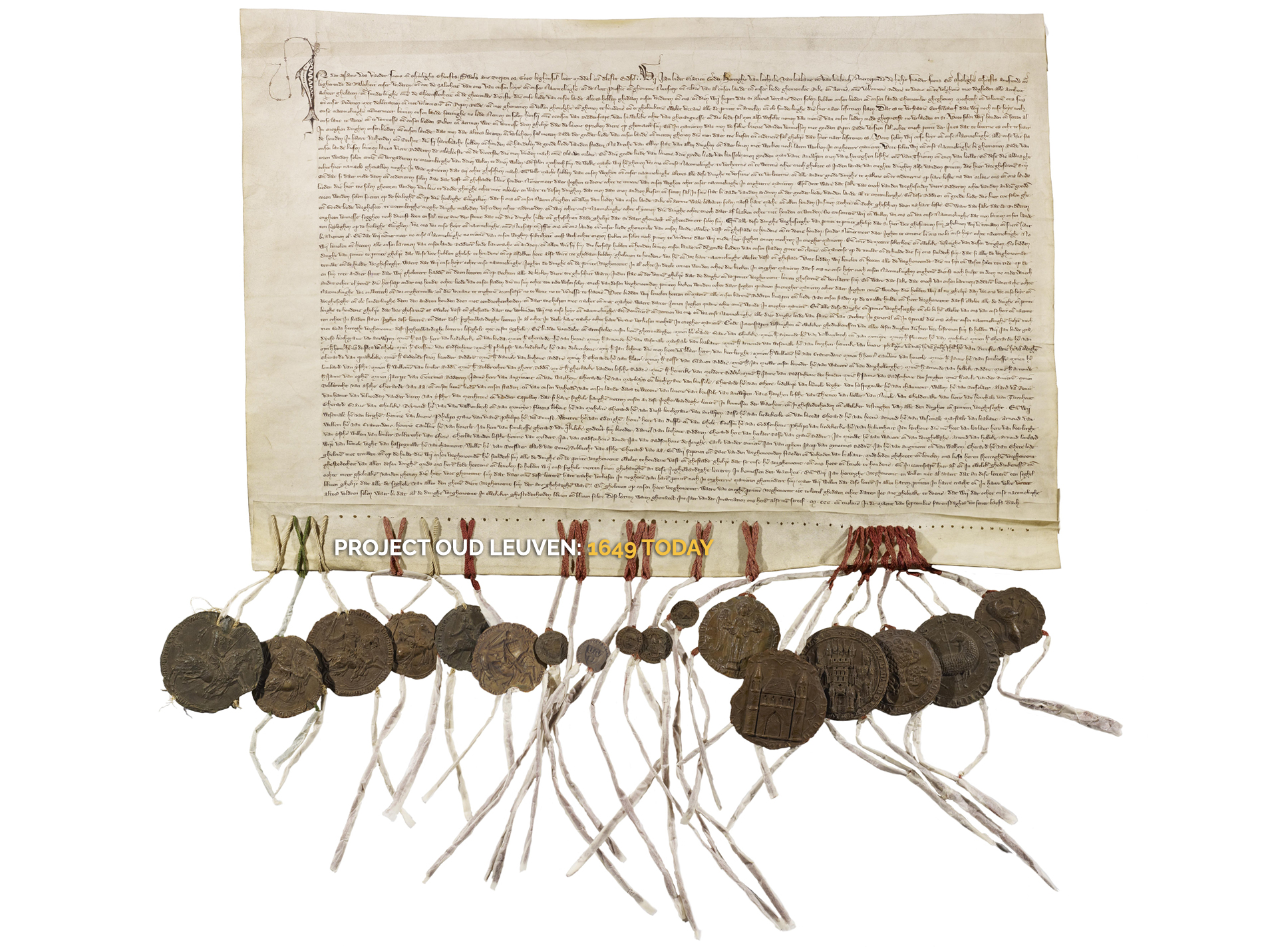
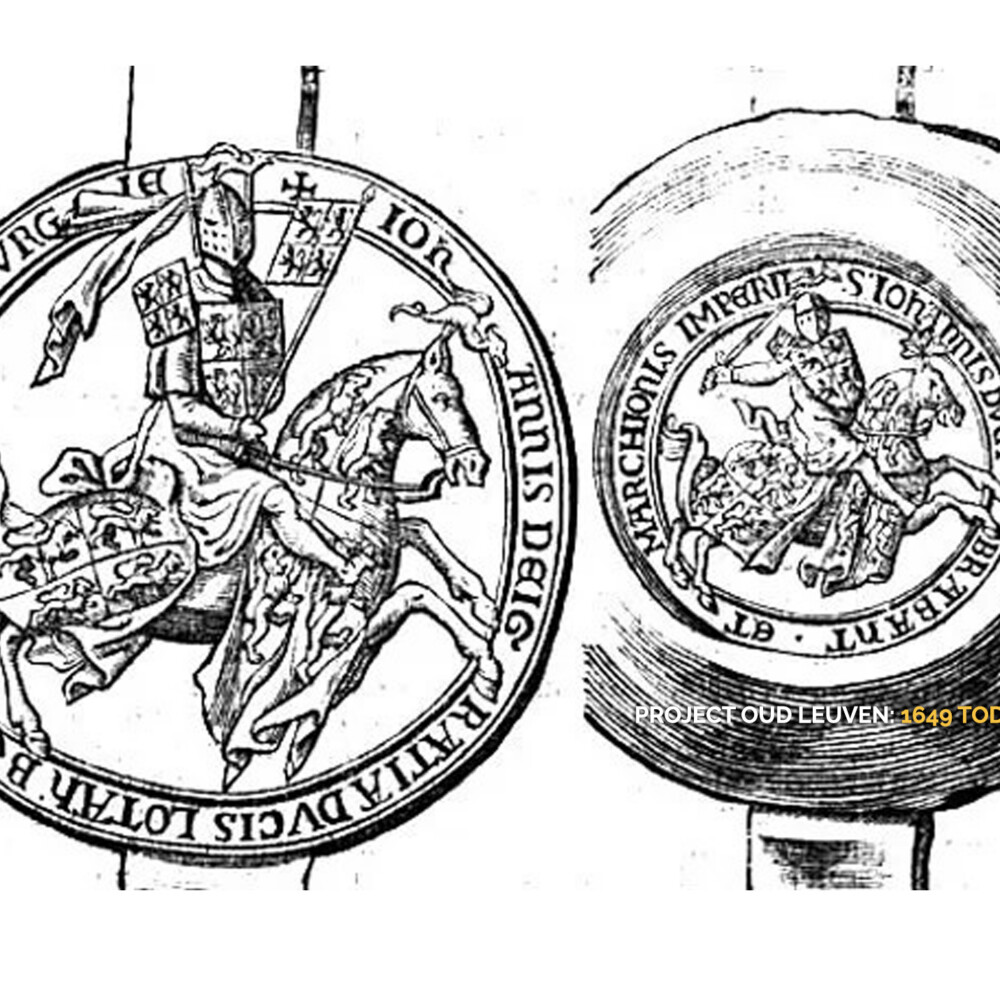
The Charter of Kortenberg signed on 27 September 1312 is one of the most significant legal documents in European history – the first written constitution on continental Europe. Signed within the walls of the Abdij van Kortenberg, it established a framework for governance that balanced the power of the Duke of Brabant with the rights of his subjects.
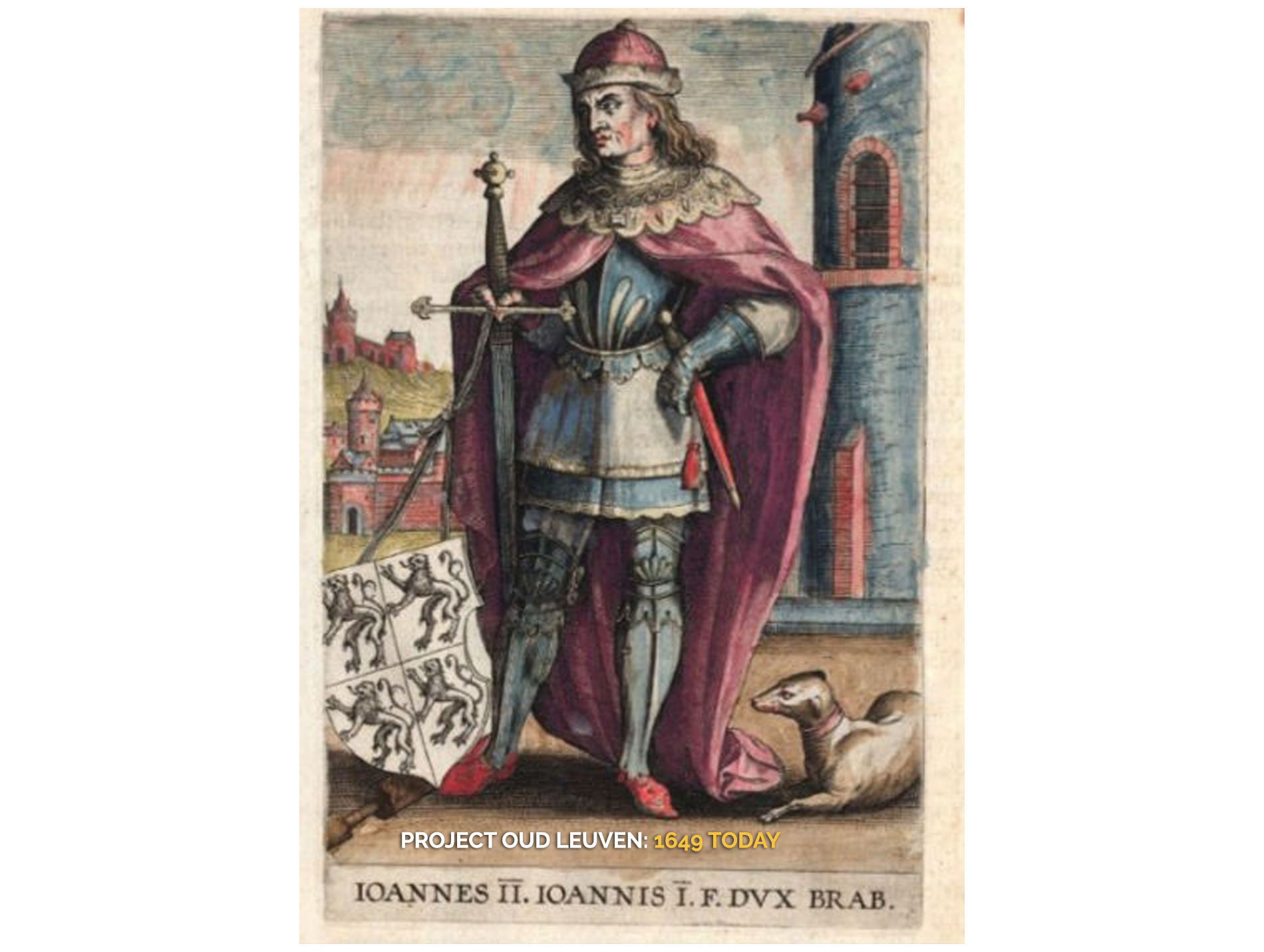
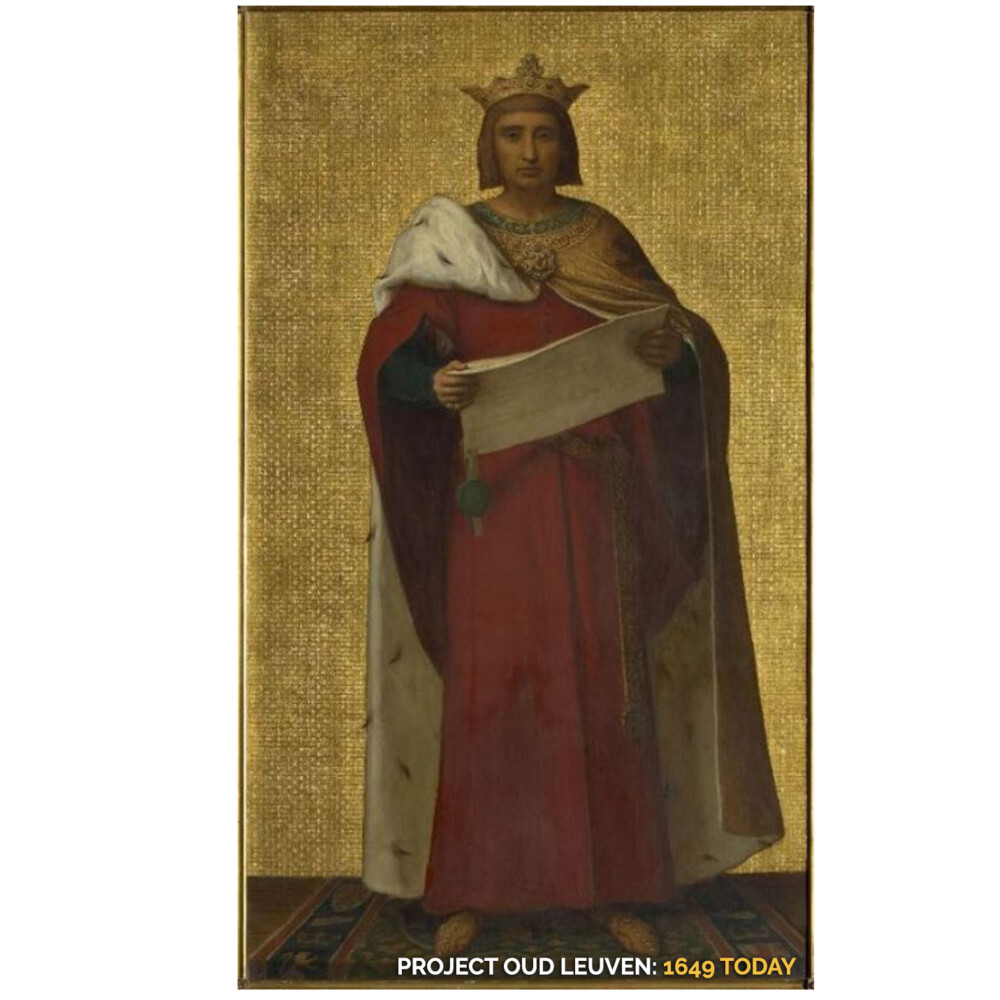
The Charter of Kortenberg, or sometimes called the “Keure van Kortenberg“, was a formal deed issued by Duke Jan II of Brabant. It was groundbreaking because it applied to all subjects — “rich and poor” — rather than just the nobility. The document consolidated existing rights and introduced a primitive form of the rule of law, ensuring that the Duke and his heirs were bound by legal standards rather than arbitrary will. It is widely considered a milestone in what is known nowadays as the Brabantian Constitutionalism, serving as a precursor to modern democratic structures.
The drafting of the Charter was not borne out of goodwill of Duke Jan II, but rather by a crisis of succession. In 1312, the terminally ill Duke saw his death approaching while the Duchy was in a precarious financial and political state, following his and his father’s aggression expansion and defence of the Duchy’s territories. This has led to Brabant merchants encountering confiscation of their goods when they were selling them abroad, especially in the County of Flanders and elsewhere in the Kingdom of France. With the Scheldt River as the border, the Duchy of Brabant and its northern and eastern neighbours all pledged allegiance to the Holy Roman Empire while the County of Flanders belonged to France. The Duke’s foreign debtors had no qualms robbing Brabant traders, leading to huge unrest across the Duchy.
His heir, Jan III, was only twelve years old, making a smooth transition of power uncertain. To secure the loyalty of the elite and ensure his son’s inheritance, the Duke followed a tradition of “smoothing the path” through concessions. He summoned the most important nobles and representatives from eighteen cities to a national assembly at the Abbey of Kortenberg to formalise these promises.\
Below is the full text of the Charter of Kortenberg, followed by its translation into Modern English.
“Wij, Hertog Jan Van Brabant, geven te houdene, ewelec, vortane al d’articlen die hier naer bescreven staan:
Eerstwaerfs; dat wij no bede nemen, hensij omme occaison van ridderscape, van huweleke ochte gevangnesse, ende die bede sal men also wes’lec nemen.
Vort selen wij, selen wij houden al onse lant te wette ende onze lieden, riken ende armen, wet!, ende vonnesse doenghelijc.
Vort selen wij, selen wij alle onse vrie staden houden in haerre vriheiden die sie harebracht hebben.
Vort selen wij, selen wij kiesen binnen lands viere goede lieden. Ende desen selen komen te Corthemberghe, van drien weken te drien weken. Ende volle macht hebben van onsen weghen, altoes alle dese dinghe te verbeterne.
Ende vort ware dat zake dat enech van voorgeseiden riddren van live te doen ghinghe, dat men enen andren kiesen bi rade der goeder liede van den lande.
Ende dese riddren, zij selen sueren op d’Heil’ge Evangeliën dat si ons wale bewaren selen ende recht geschien doen na hare beste.
Ende ware dat sake dat de riddren eneghe dinghe maekten, so consenteren wij dat men binnen onsen lande engheen vonnesse segghen sal, noch dienst doen en sal, tot ane dier stont, dat men die dinghe geschien dade.
So hebben wij, Hertog Jan Van Brabant, deze lettren besegelt.
Also is’t gesijt.”
“We, Duke John of Brabant, hereby declare and uphold, ever, all the articles described hereafter:
Firstly, that we shall not levy taxes, unless for the sake of knighthood, marriage, or imprisonment, and such taxes shall be levied reasonably.
Furthermore shall we, we shall uphold all our land to the law and our people, rich and poor, law and sentence accordingly.
Furthermore shall we, we shall hold all our free cities in the liberty they have brought them.
Furthermore shall we, we shall choose four good men within the country. And these shall come to Kortenberg, every three weeks. And have full power on our behalf to always improve all these matters.
And furthermore, should it be the case that any of the aforesaid knights should die, another shall be chosen by the counsel of the good people of the land.
And these knights shall swear by the Holy Gospels that they shall protect us well and do justice according to their best.
And should it be the case that the knights commit any wrongdoing, we consent that within our land no sentence shall be pronounced, nor service rendered, until such moment as those matters have been done.
Thus we, Duke John of Brabant, have sealed these letters.
Thus it is said.”
The Raad van Kortenberg: Europe’s first Constitutional Parliament
While other parliaments existed in Europe since antiquity, the Charter of Kortenberg set up the first constitutional parliament on paper. The Charter set down the creation of a permanent governing body known as the “Raad van Kortenberg” (Council of Kortenberg). Its original composition consisted of 14 members:
4 Knights: Described as the “most capable and wise” nobles in the land.
10 City Delegates (representatives from the six major cities):
- 3 from Leuven
- 3 from Brussels
- 1 from Antwerp
- 1 from ‘s-Hertogenbosch
- 1 from Tienen
- 1 from Zoutleeuw.
In 1332, the Council was expanded to 16 members by adding a representative from Nijvel and a second member for Antwerp. Interestingly, the clergy was not represented in this specific council.
Consequences and Impact of the Charter of Kortenberg
The Charter introduced several radical limitations on the Duke’s power:
- Taxation Limits: The Duke could only levy taxes (“beden“) in three specific feudal instances: the knighthood of his son, the marriage of his daughter, or his own imprisonment (for ransom). These taxes had to be “reasonable” and “fair”.
- Legal Certainty: The Duke promised to treat all people, rich and poor, according to the law and court verdicts, effectively banning arbitrary governance.
- City Privileges: Existing urban freedoms and judicial independence were explicitly protected.
- Right of Resistance (Weerstandsrecht): Perhaps the most daring concession was the Duke’s grant of a legal “right to be disobedient”. If the Duke or his heirs violated the Charter, his subjects were no longer bound to serve or assist him until the breach was corrected.
While the Council was intended to be permanent, it functioned only sporadically in reality — primarily during periods of war or succession crises when the Duke needed the support of the cities.
Duke Jan III and the Move to Brussels
The Charter of Kortenberg ensured the successful succession from Jan II to Jan III. As Duke Jan III (1300 — 1355) was still a child, he received three wise and loyal regents: Count Louis d’Évreux (Lodewijk van Évreux), Count Gerard V of Gulik and Floris Berthout, Lord of Mechelen and Berlaar. Count Louis d’Évreux was in fact his father-in-law, and he had to step in to quell subsequent uprisings of the Brabant cities because the late Duke Jan II’s debtors did not stop harassing their merchants. Count Louis d’Évreux signed two additional charters with the cities, known wrongfully today as the “Vlaams Charter” and the “Waals Charter“. Being a Romance-speaker, Count Louis d’Évreux drafted these two charters in Middle French, the first (translated into Middle Dutch) offered permanent financial measures while the second (remained in Romance) offered temporary ones. The ultra-nationalist renaming of these two documents came from 20th century class struggles.
As Leuven, being the original seat of the Duchy of Brabant, led the protests, Duke Jan III never forgave them. He made Brussels his more or less permanent residence, snubbing Leuven ever since. This marked the future course for Brussels to becoming the capital of Brabant, then of the Habsburg Netherlands, and today of Belgium.
Why is the Charter of Kortenberg so important today?
The Charter is regarded as a fundamental building block for democracy and local autonomy on the European continent. While the English Magna Carta (1215) is older, the Charter of Kortenberg is often viewed as more “inclussive” because it empowered the trading class and city dwellers rather than just the high nobility.
Sadly, the Charter of Kortenberg is not better known today than it should be. Even in Brabant, and across the country of Belgium, the Charter of Kortenberg is not appreciated by education nor politicians alike. Fortunately, its legacy remains a core part of the identity of Kortenberg. In 2012, to celebrate its 700th anniversary, the municipality launched a “Charter for the Future,” which used the spirit of the 1312 document to create modern principles for civic participation and shared responsibility between citizens and local government. It stands as a timeless symbol of the struggle for rights and the necessity of checking absolute power.




How did it look like?
A Rich and Grand Abbey under Constant Rebuilding
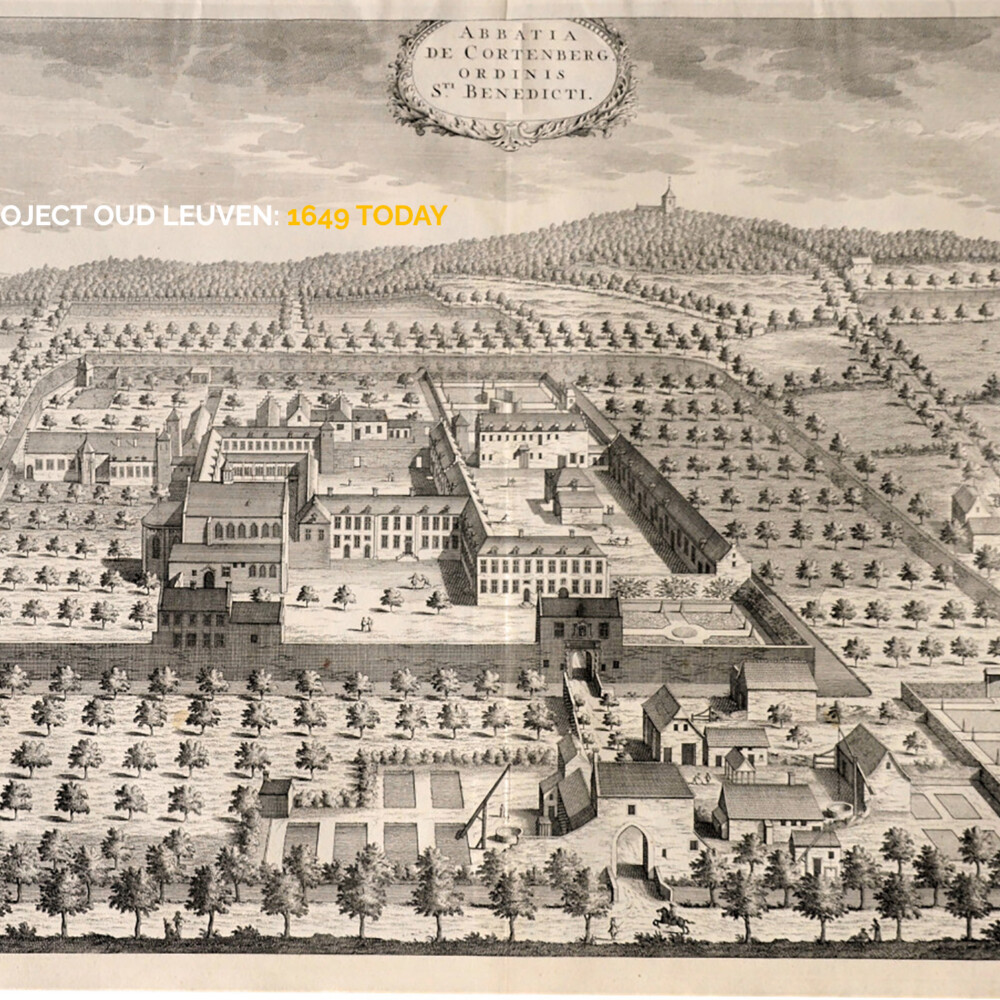
The earliest image of the Kortenbeek Abbey can only be found in the Chorographia Sacra Brabantiae by Antonius Sanderus from 1663.
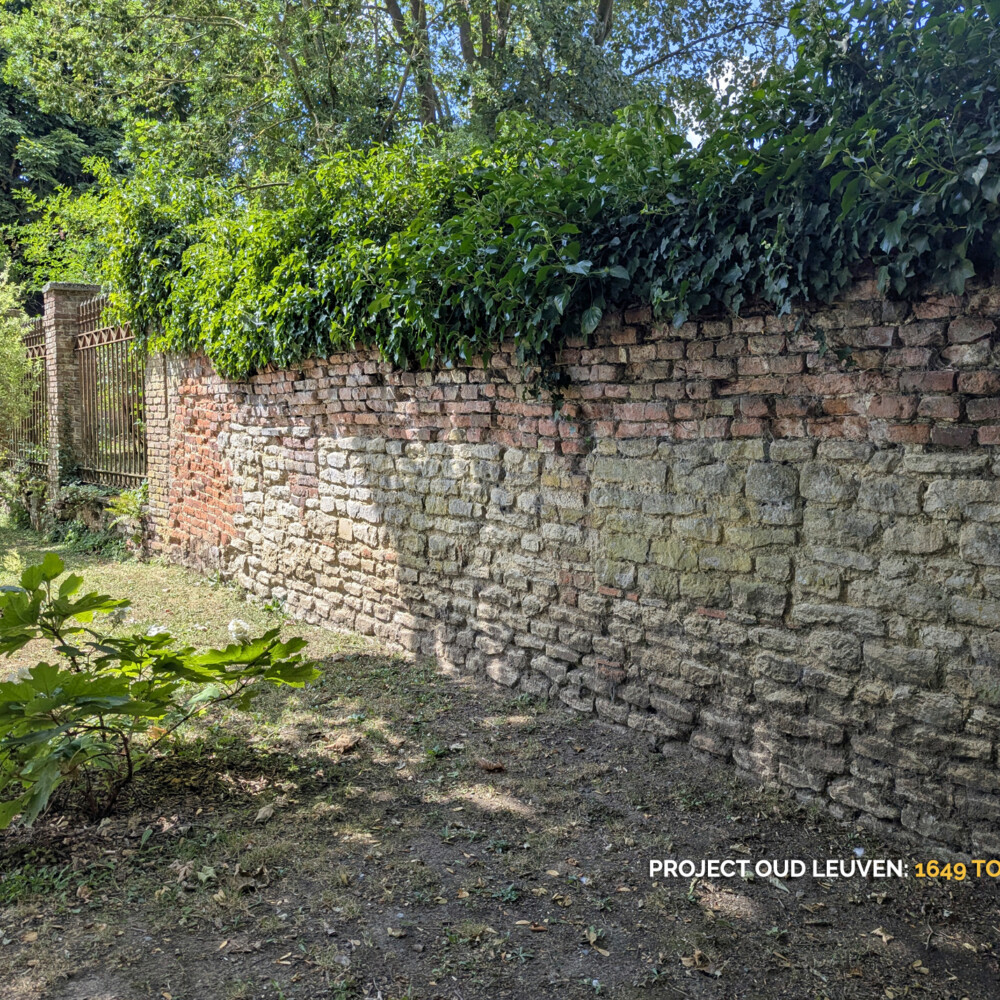
The architectural history of the abbey is one of repeated destruction and resilience. During the late 14th century, Abbess Margareta van der Noot was forced to build a defensive wall to protect the sisters during violent times. Disaster struck several times: a fire under Abbess Johanna van Baexhem (1494–1515) destroyed many precious manuscripts; the abbey was plundered and set on fire during the Wars of Religion when in 1572, soldiers from the army of the Prince Willem of Orange plundered the complex and then further damage was inflicted by Calvinists in 1584. After the fire of 1584, only ruins remained of the buildings. The bones of the legendary Duva Conclusa were also lost. The nuns fled to safer places, first in Cologne and then later in Leuven under the protection of the Abbot of Vlierbeek. In 1596, restoration work began under Abbess Magdalena van Nivelles (1595-1617), and in 1601, the sisters were able to move back into the rebuilt abbey.
However, a large part of the abbey was once again ravaged by fire in 1624. Abbess Maria Blijleven restored the abbey between 1624 and 1663, while being strongly encouraged in this by both ecclesiastical and secular authorities. In 1626, she received Archdukes Albrecht and Isabella at the Kortenberg Abbey and, in 1640, Archbishop Jacobus Boonen of Mechelen.
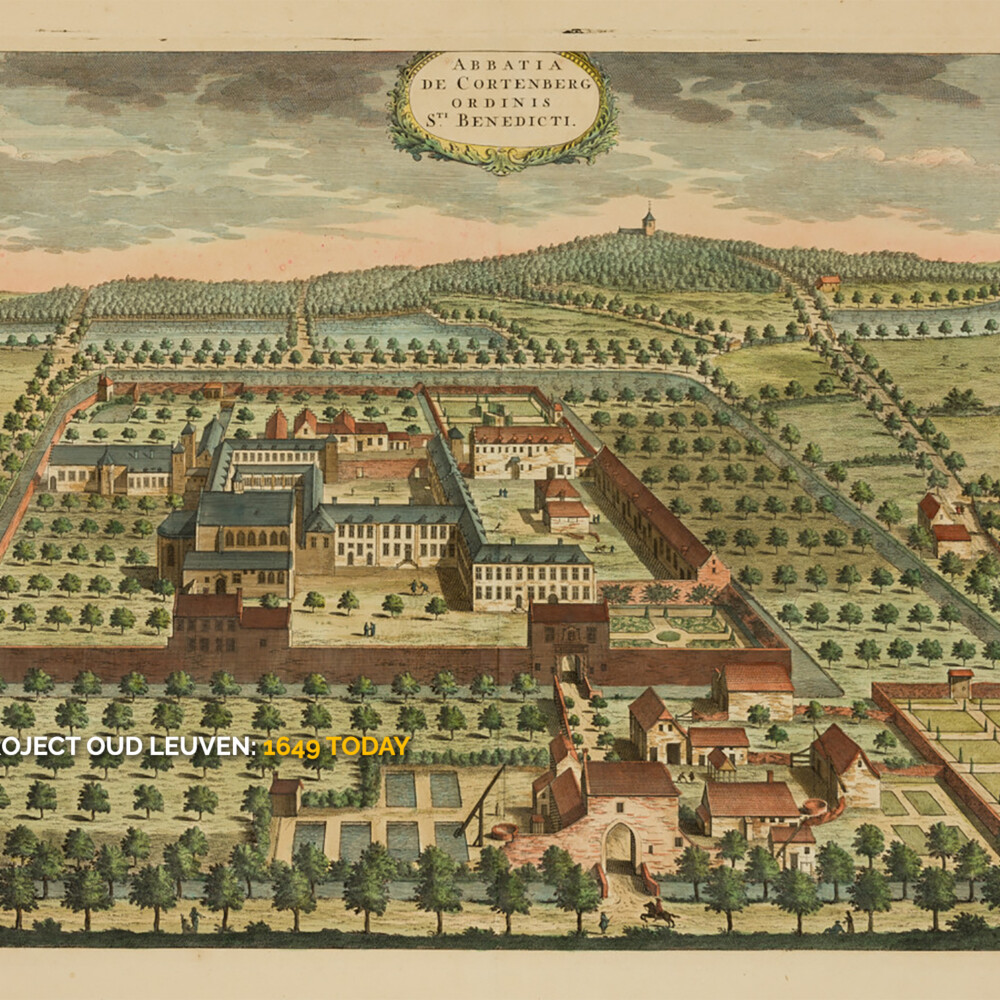
Between 1635 and 1640, Sanderus made a drawing of the abbey that we find in his Chorographia sacra Brabantiae (see below).
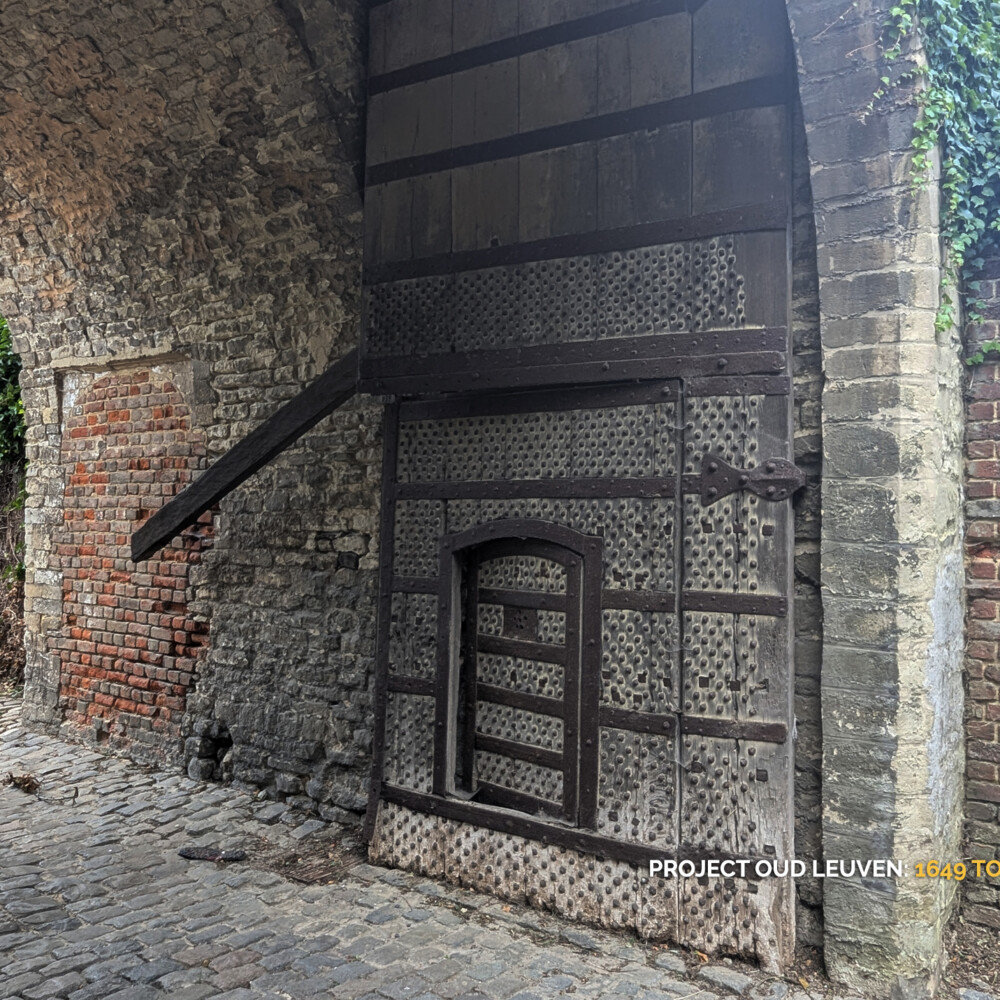
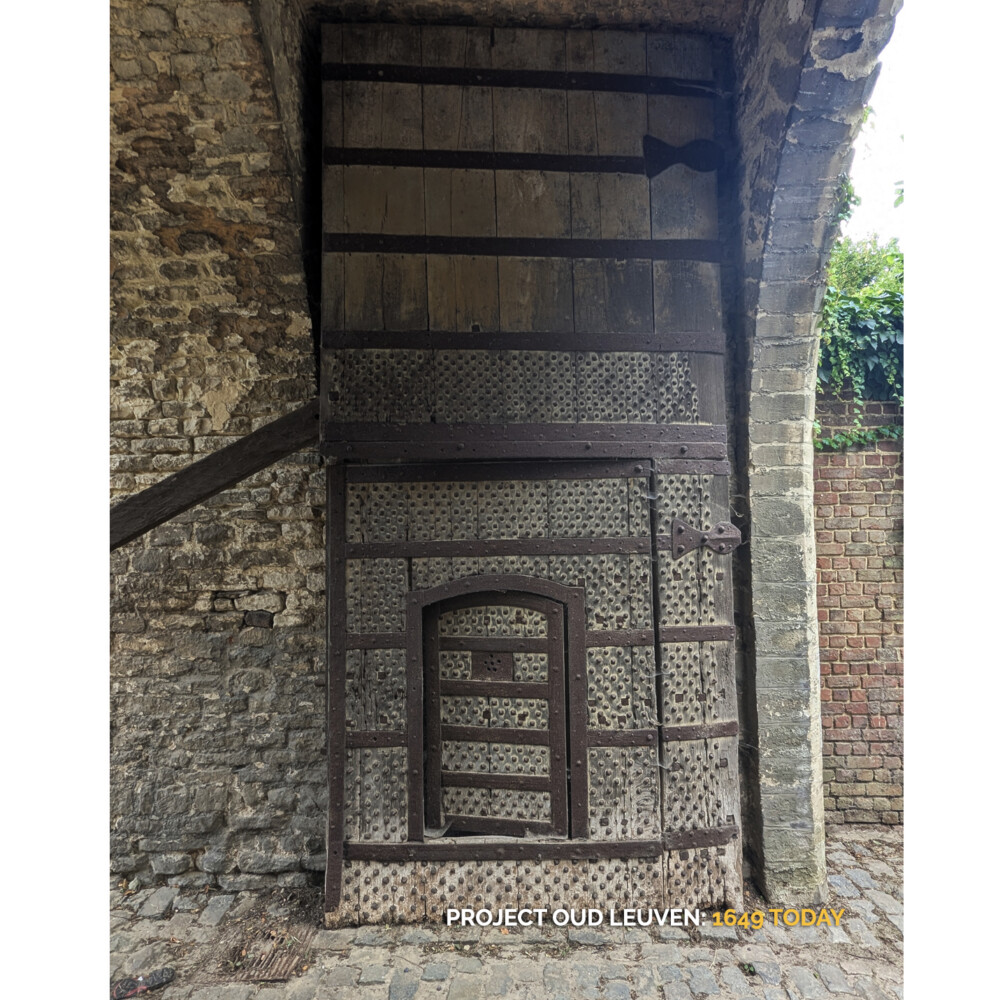
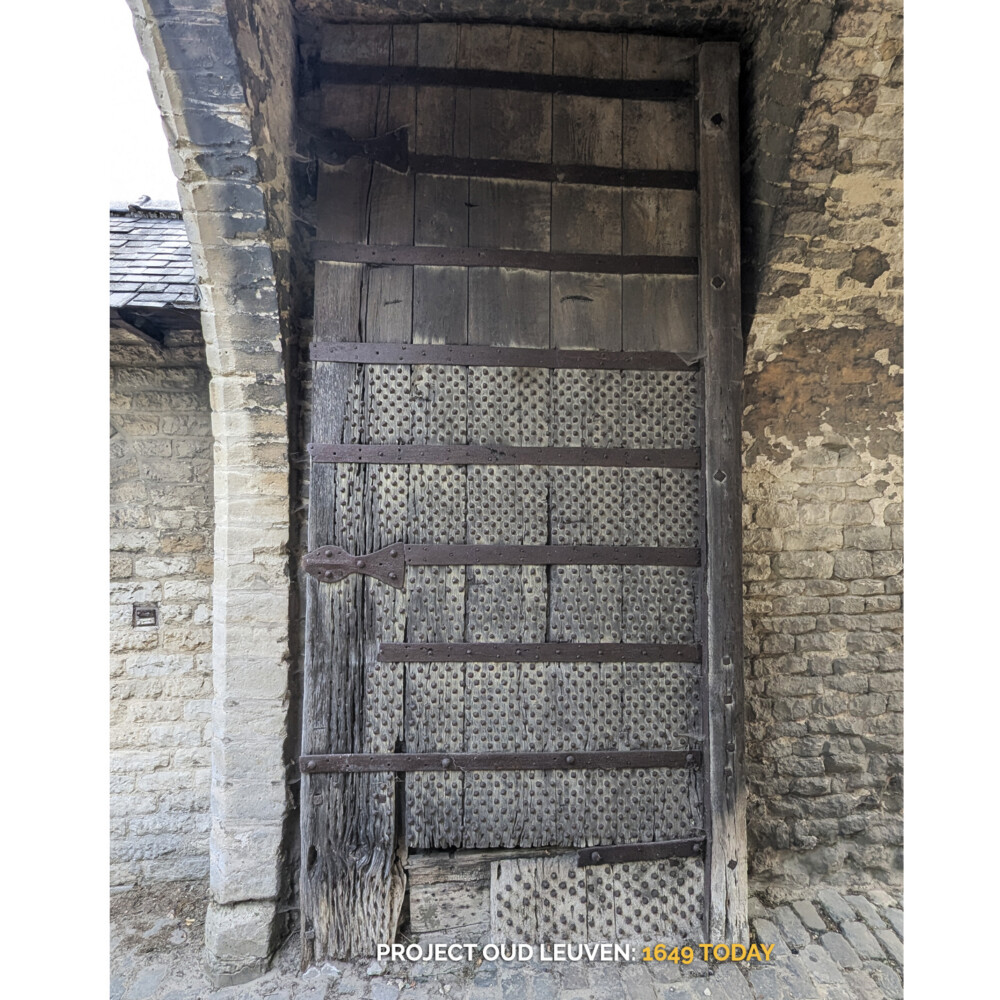
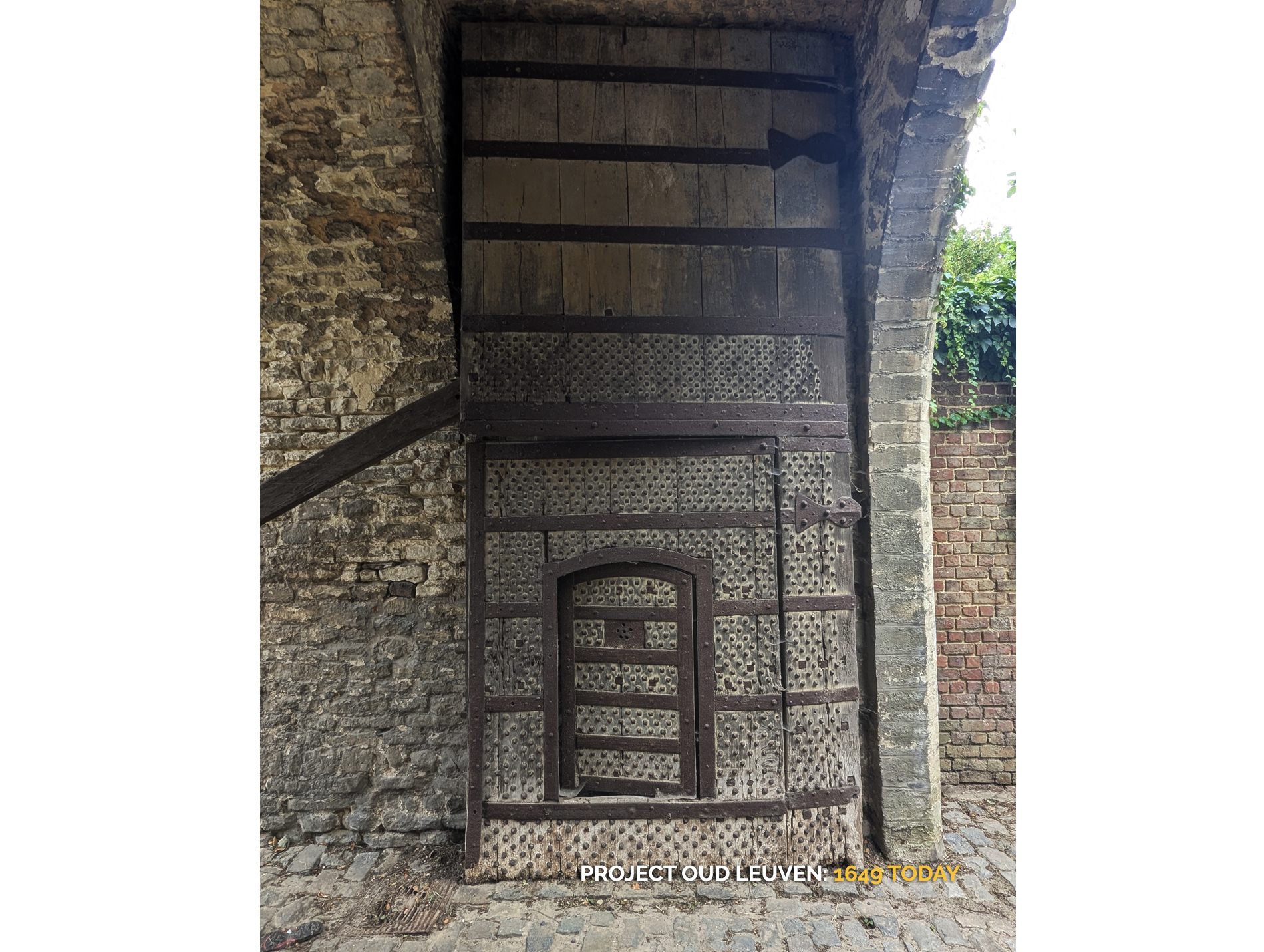
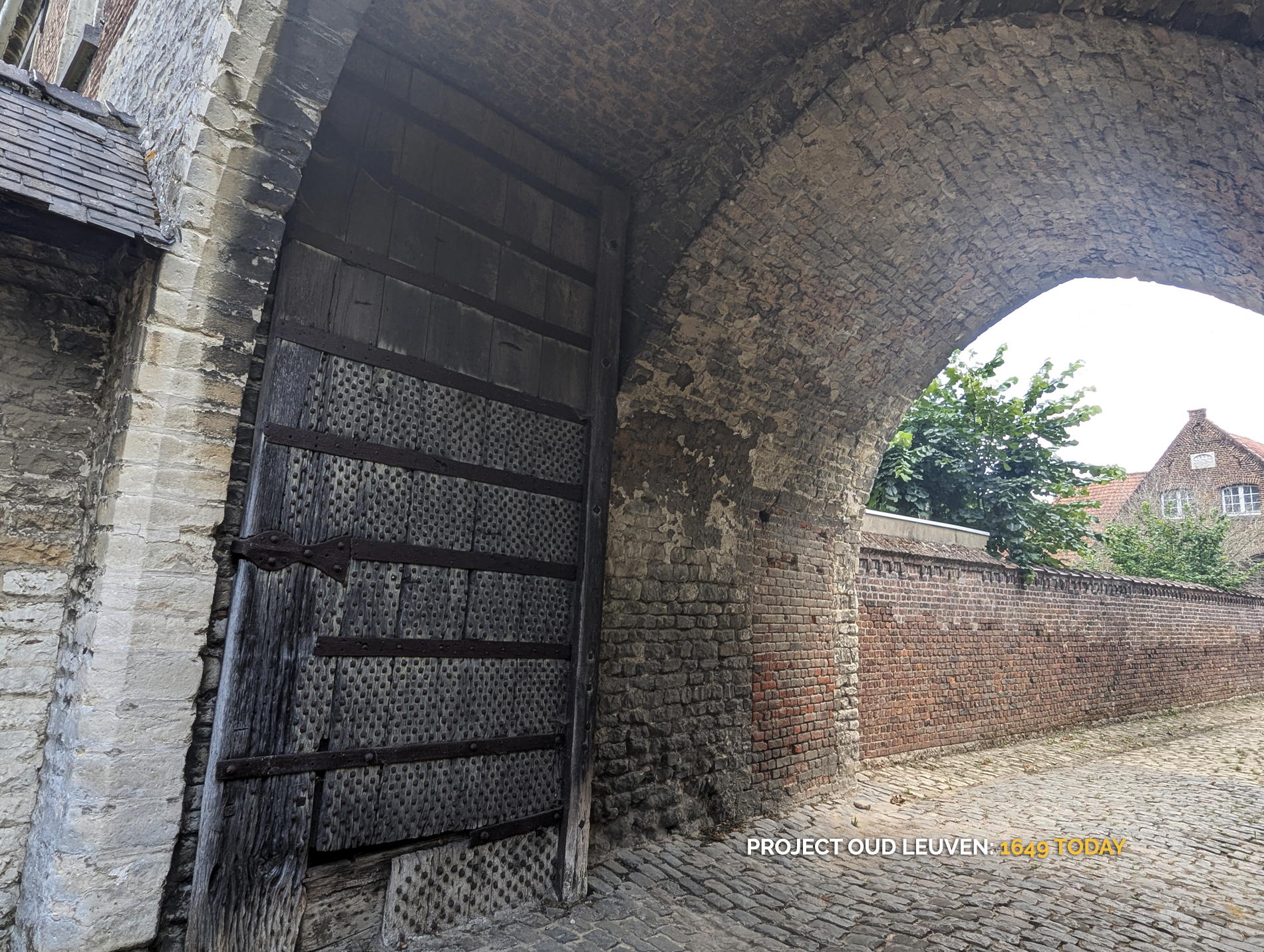
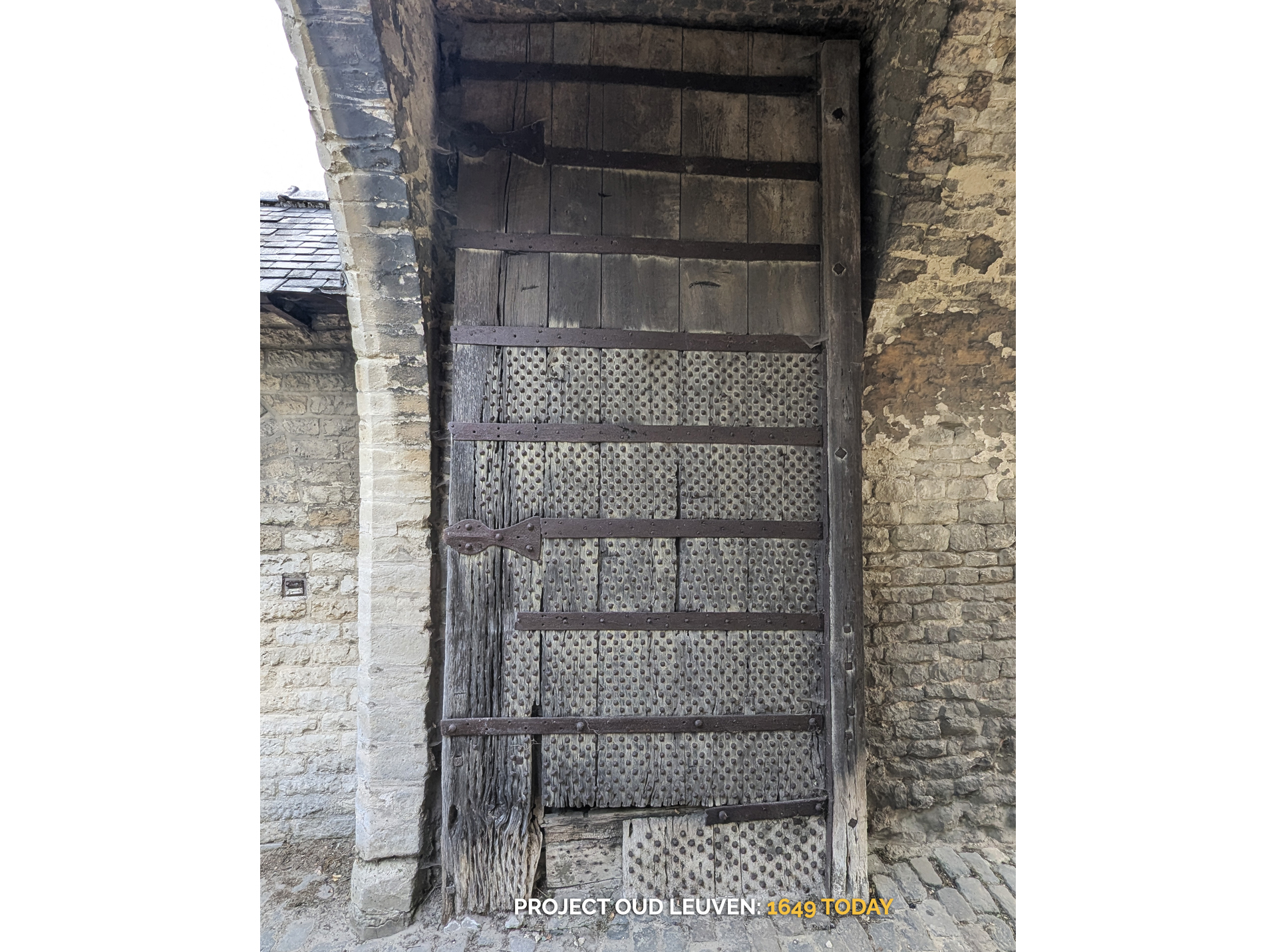
What we see from Sanderus’ etching provides a fairly accurate picture of the site in the mid-seventeenth century. The rectangular walled and fully moated complex is accessed on the north side by a gatehouse featuring a heavy oak gate, still present today, studded with nails and iron. To the right behind the gatehouse lies the abbey farm, a system of buildings of varying sizes grouped loosely around a courtyard, with orchards and vegetable gardens. A slightly curving driveway leads to a second gate. This provides access to a partially walled and also moated block containing the abbey buildings with the abbey church on the left, and on the right, connected by the Abbess’s residence with kitchen and guest rooms, the U-shaped structure of the lower courtyard with the brewery and bakery, the cattle yard, and the pigsties. A large part of the estate is occupied by orchards and vegetable gardens.
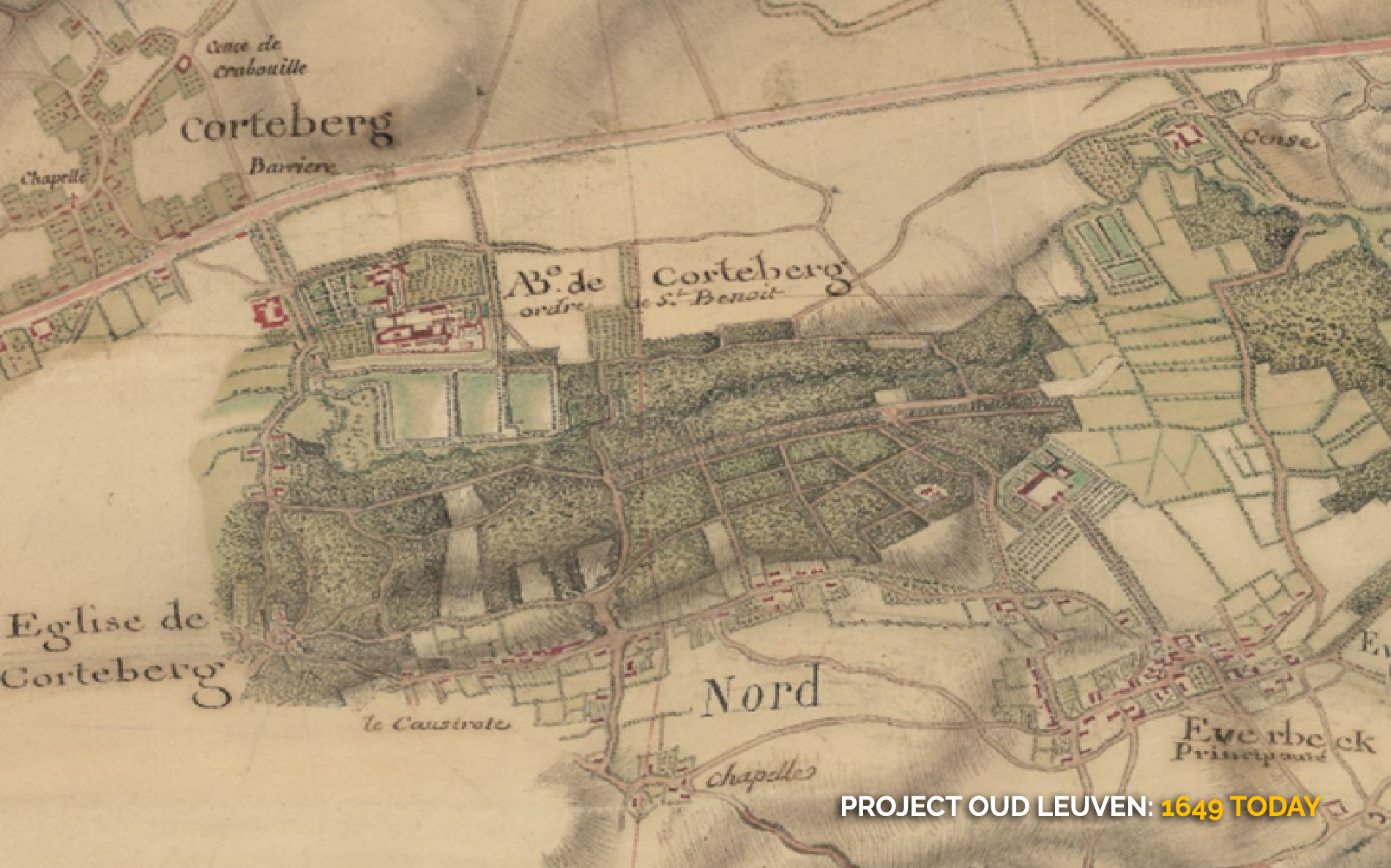
Later drawings such as the 1722 figurative plan by Guillaume Gansemans and the Ferraris map from 1771-1775 largely confirm Sanderus’ view.
The Modernisation Begins
On 2 September 1777, the Archbishop of Mechelen, Jan-Hendrik Count of Franckenberg, installed Beatrix de Villers, as abbess of the Abbey of Kortenberg.
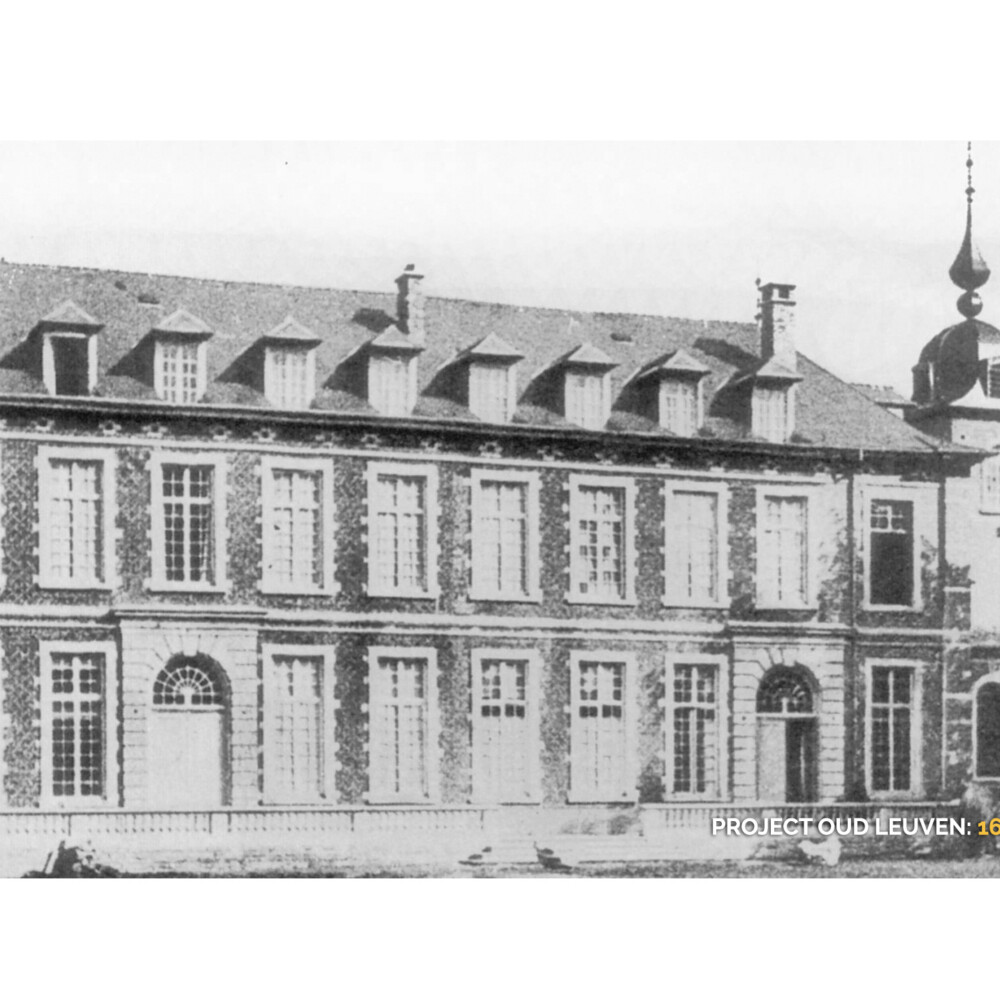
Due to the policies of Habsburg Emperor Jozef II, as in almost all major abbeys, extensive renovation works were started in the late eighteenth century from the 1770s onwards. For the Abdij van Kortenberg, the outdated monastic buildings were to be replaced by a sleek, elegant, classicist square structure, of which the new abbey church would form the south wing. Abbess de Villers borrowed 50,000 florins for this purpose in 1782, and another 26,000 florins in 1784.
By 1789, the new church and the convent were completed, and the abbess’s residence was almost finished.
1798: The Dissolution of the Abdij van Kortenberg under the French Occupation
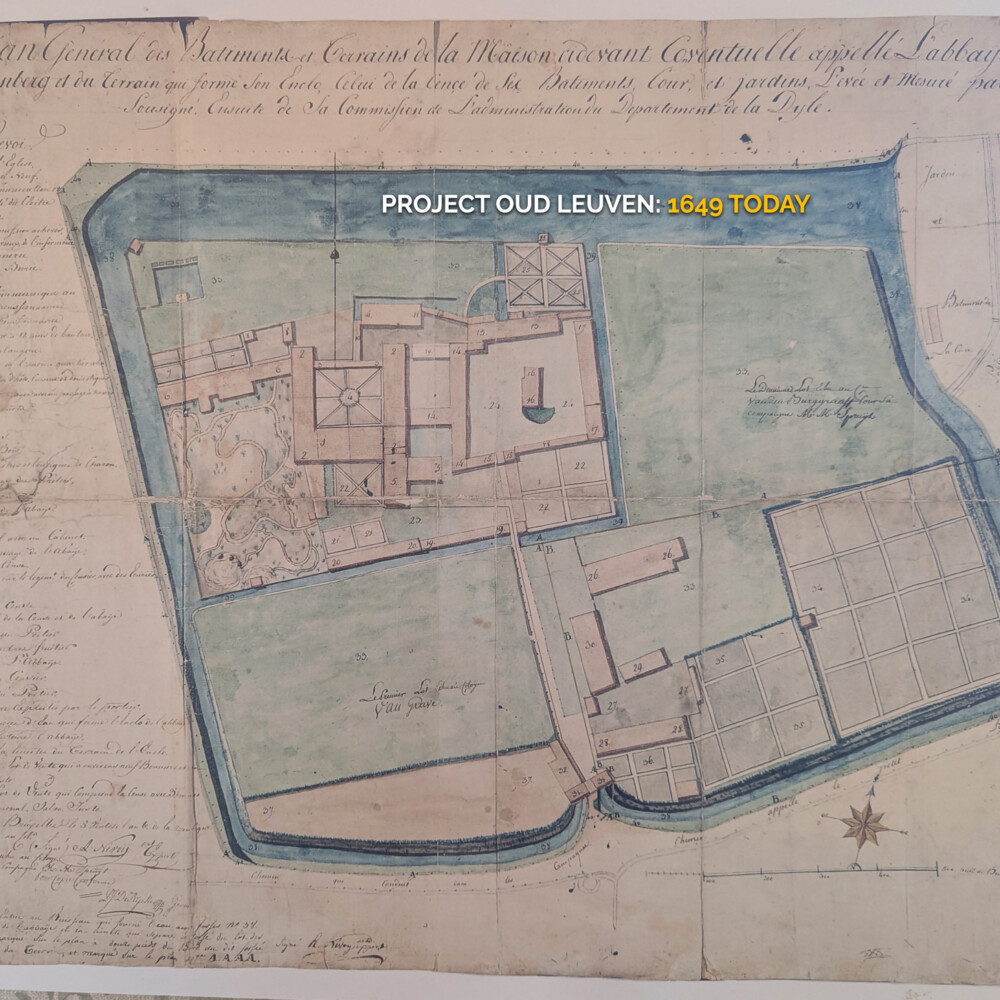
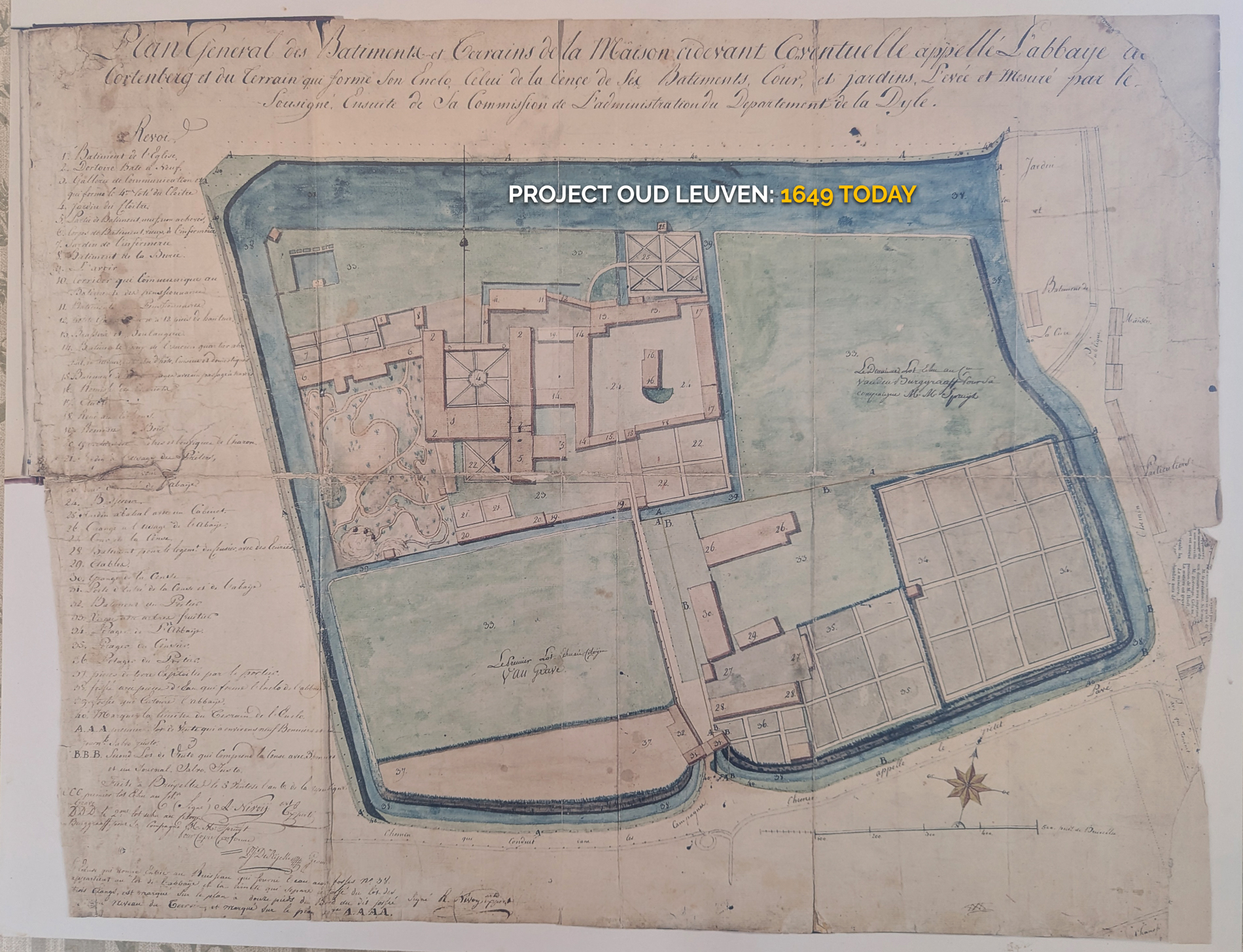
According to stories accompanying A. Nivoy’s survey plan of the abbey from 1798 (see below), however, the works were still in full swing when the abbey was officially dissolved a year earlier, in the month of Frimaire in the year 5 of the French Revolution.
On 27 March 1798, the abbey was publicly sold by the occupying French Republic to the Dutchman Cornelis van den Burgraaff, a buyer of black market goods, for 619,000 pounds. Van den Burggraaff bought it for himself and for his wife Marie Marthe Spruyt, as well as for Maximilianus Vangrave. The abbey was subsequently divided between Van den Burggraaf and Vangrave. Vangrave had the greater part of the old abbey with the abbey buildings and the entrance gate (“A” on the Nivoy map). Van den Burggraaf obtained the farmhouses (including the ‘pachthof‘ and the ‘Veehof‘ – which I will explain later, marked “B” on the Nivoy map).
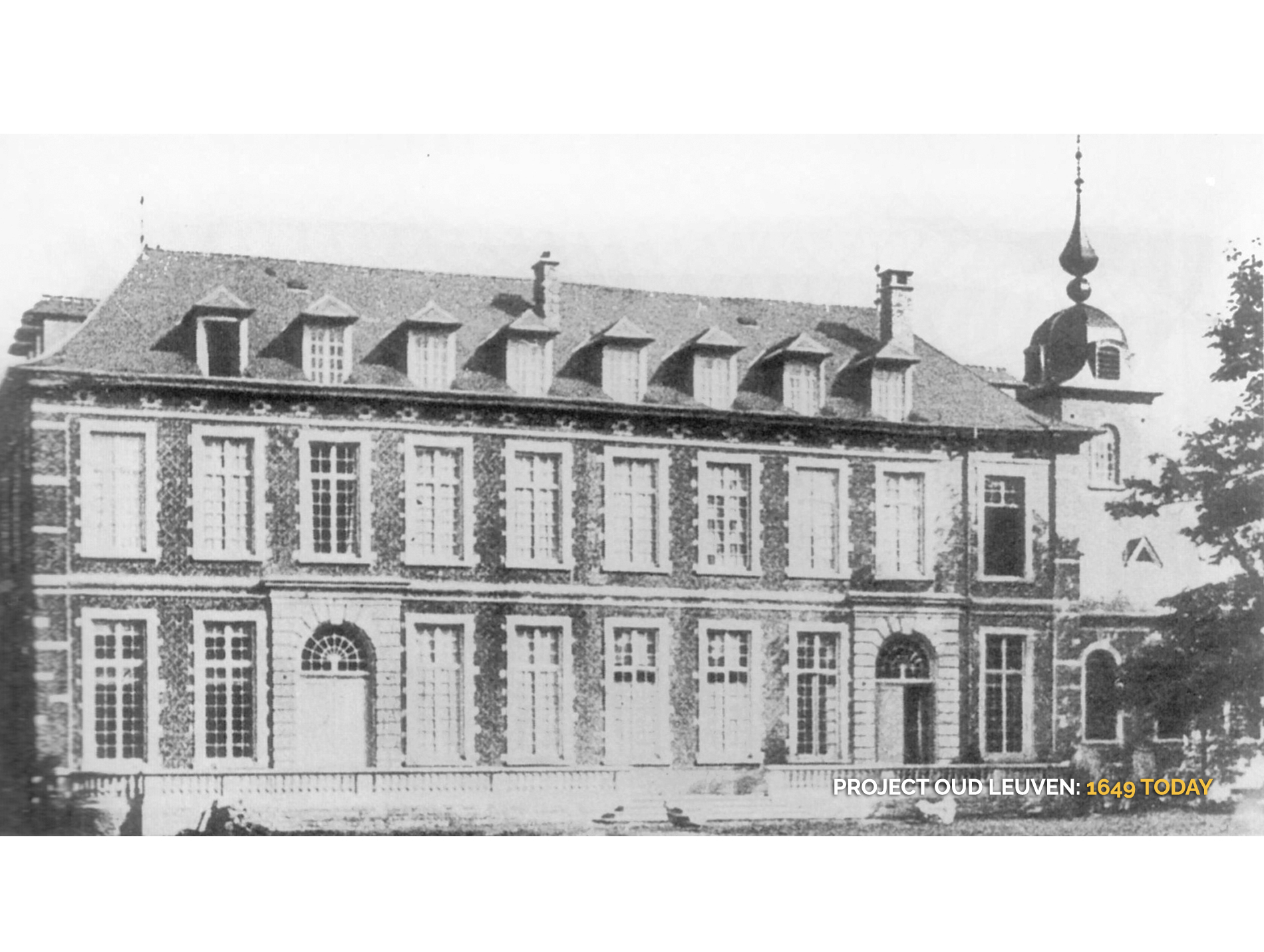
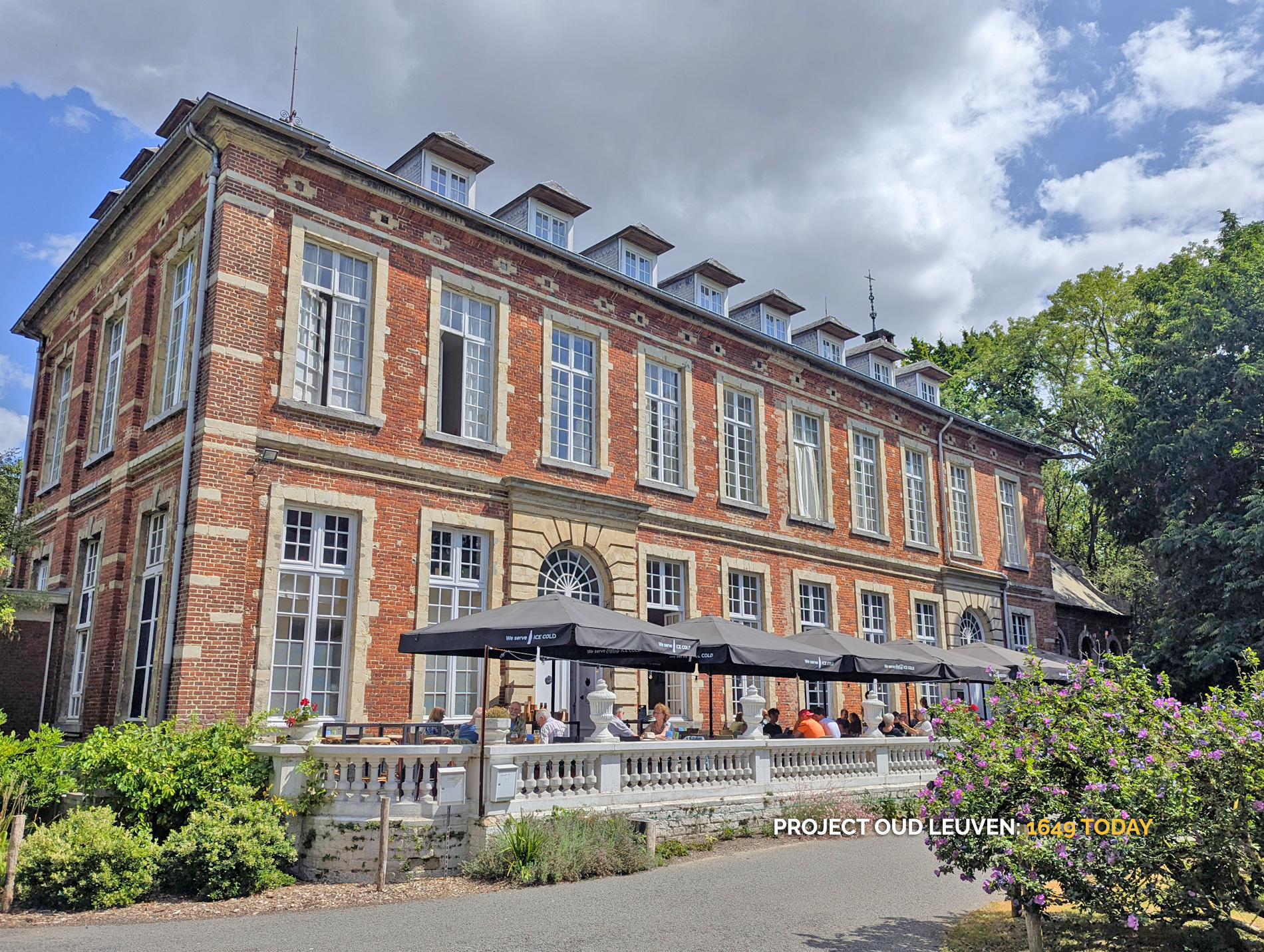
In 1829, Baron Jean d’Eesbeeck Vanderhaeghen transformed the monastic buildings into a more residential castle for his family. The abbey’s religious character was restored in 1933 when Canon Misonne purchased the main building for use as a retreat centre. He later donated the property to the Archdiocese of Mechelen-Brussels, which remains the owner today.
Current situation
Where are the remnants of the original Abdij van Kortenberg?
One would assume that as the place of the first constitution in continental Europe, the abbey of Kortenberg would have deserved more care and attention.
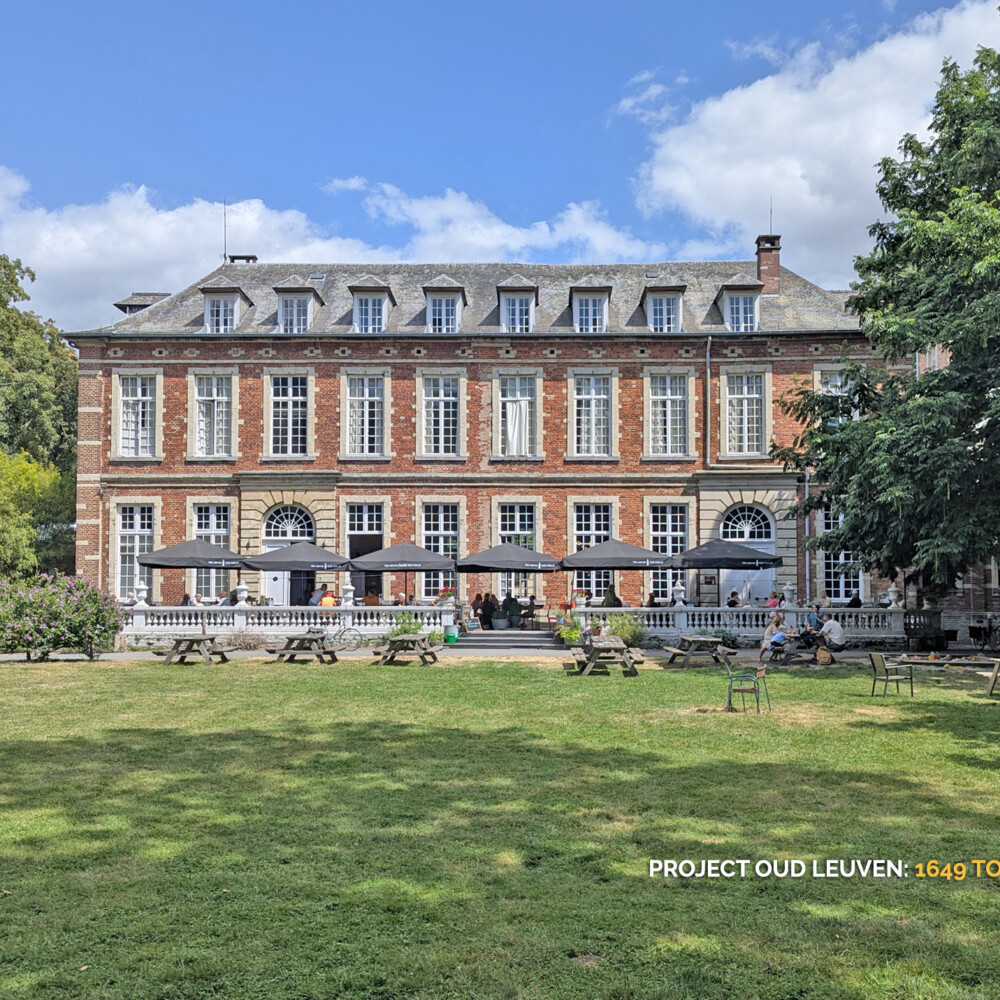
After switching hands several times, the abbey and its grounds were leased by the Archdiocese of Mechelen-Brussels to the non-profit association OUDE ABDIJ KORTENBERG in 2006. The NGO manages the abbey buildings and the immediately adjacent grounds. The park was sub-leased to the municipality of Kortenberg, which is responsible for its maintenance.
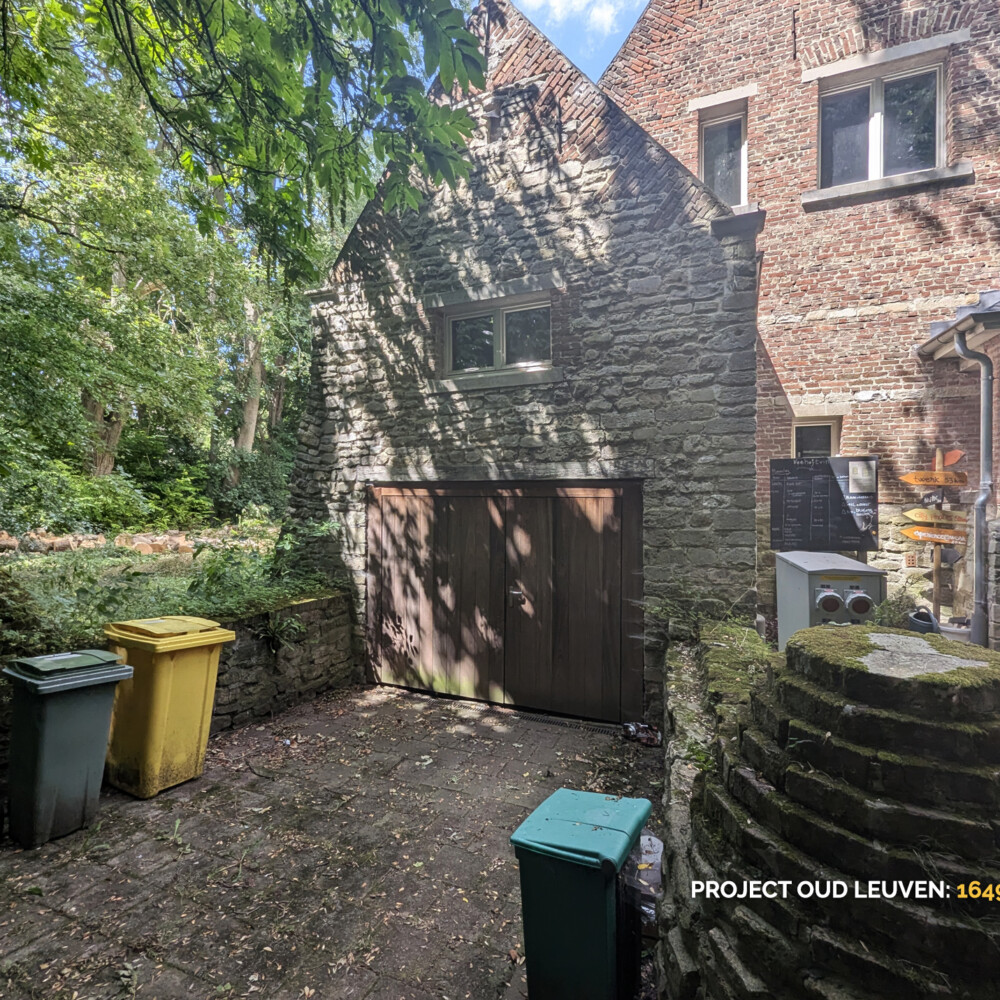
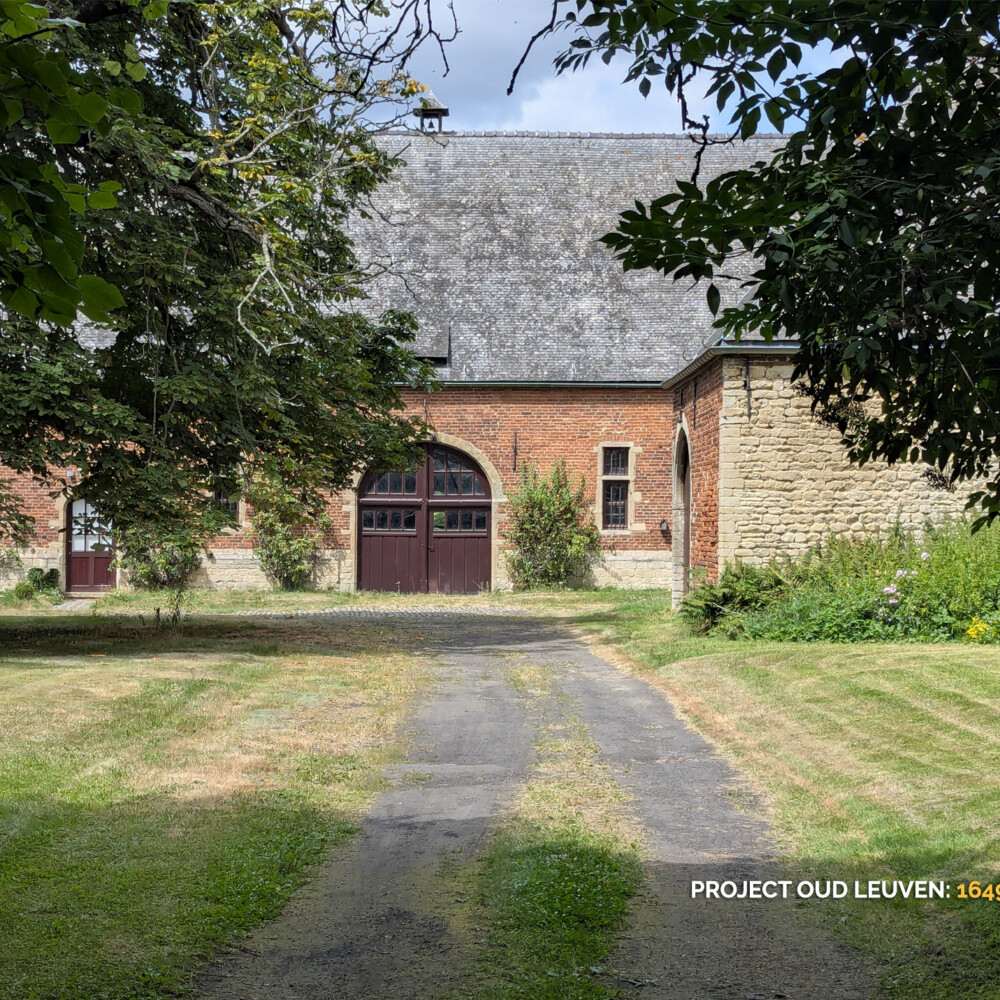
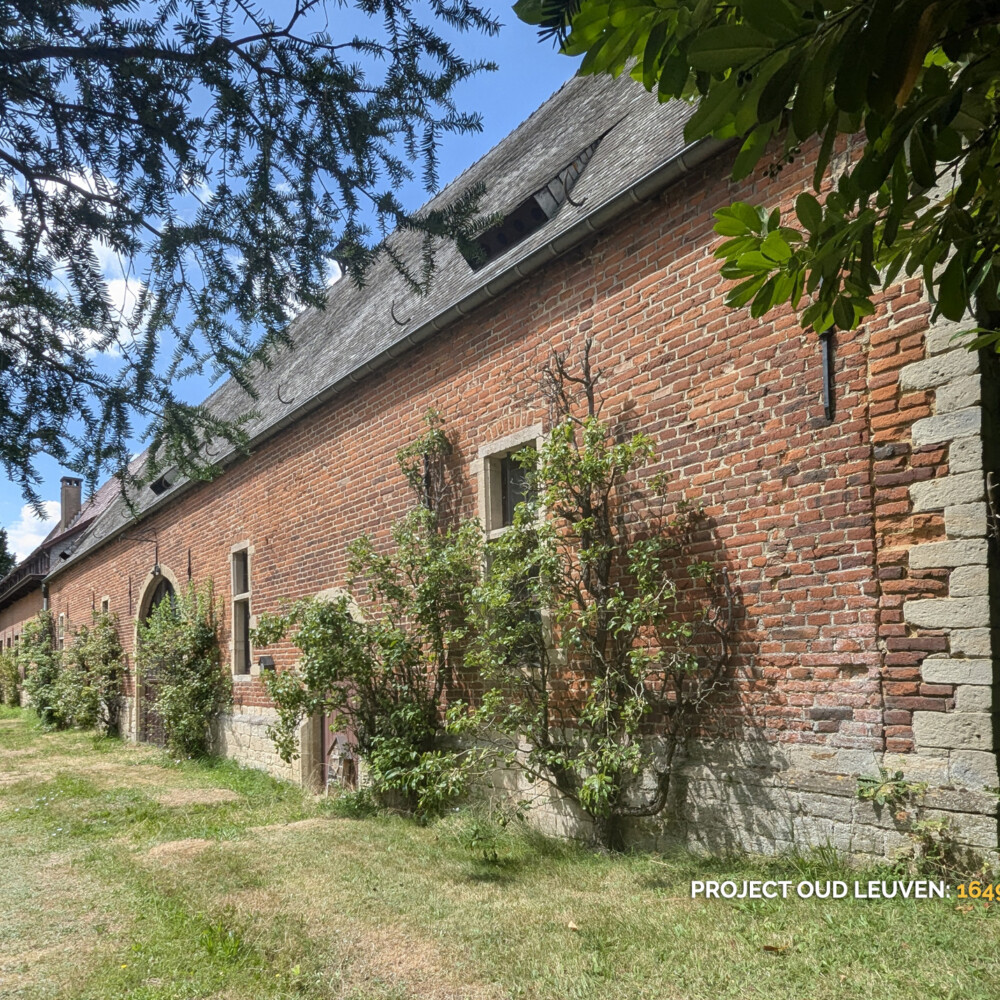
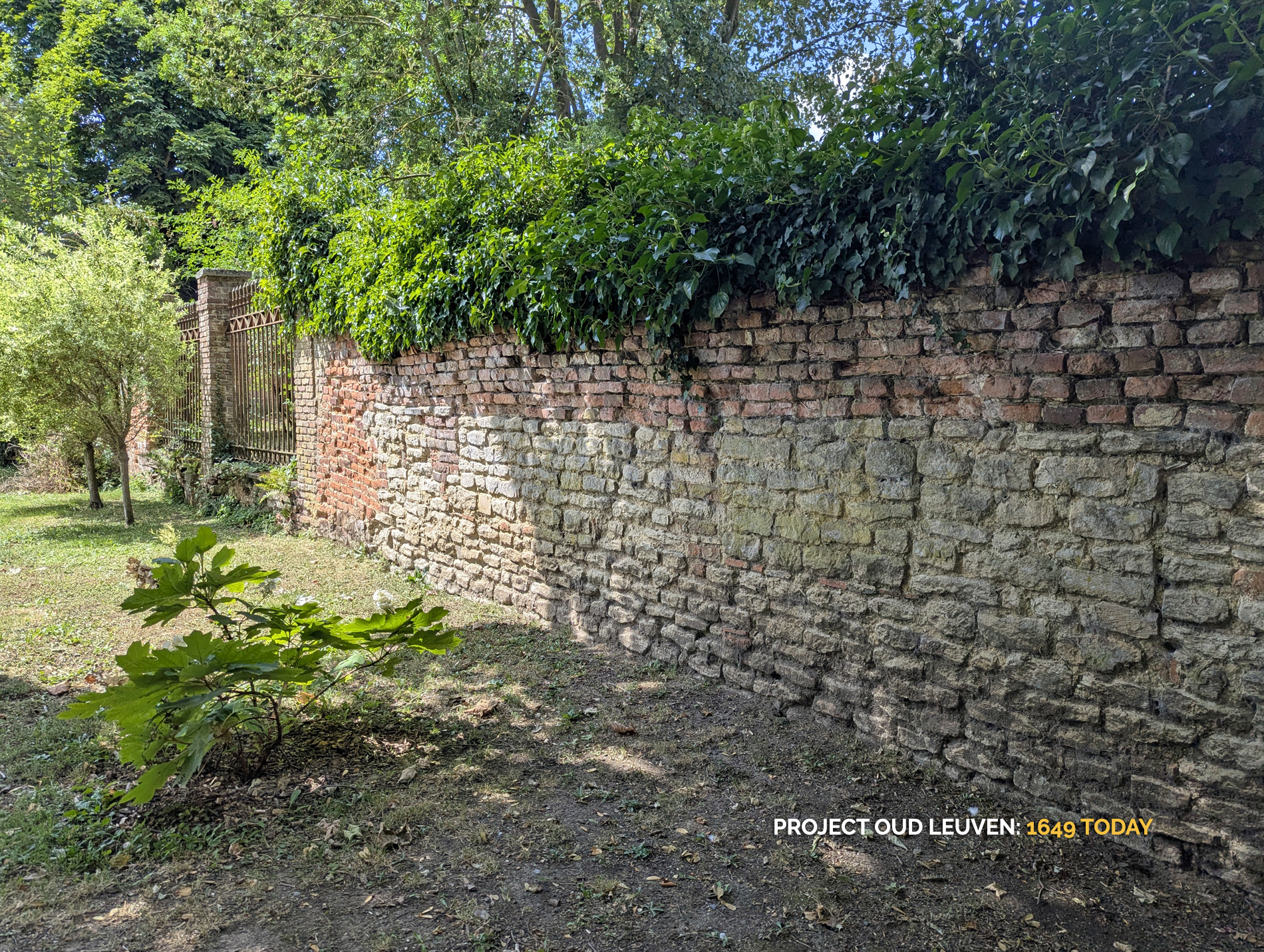
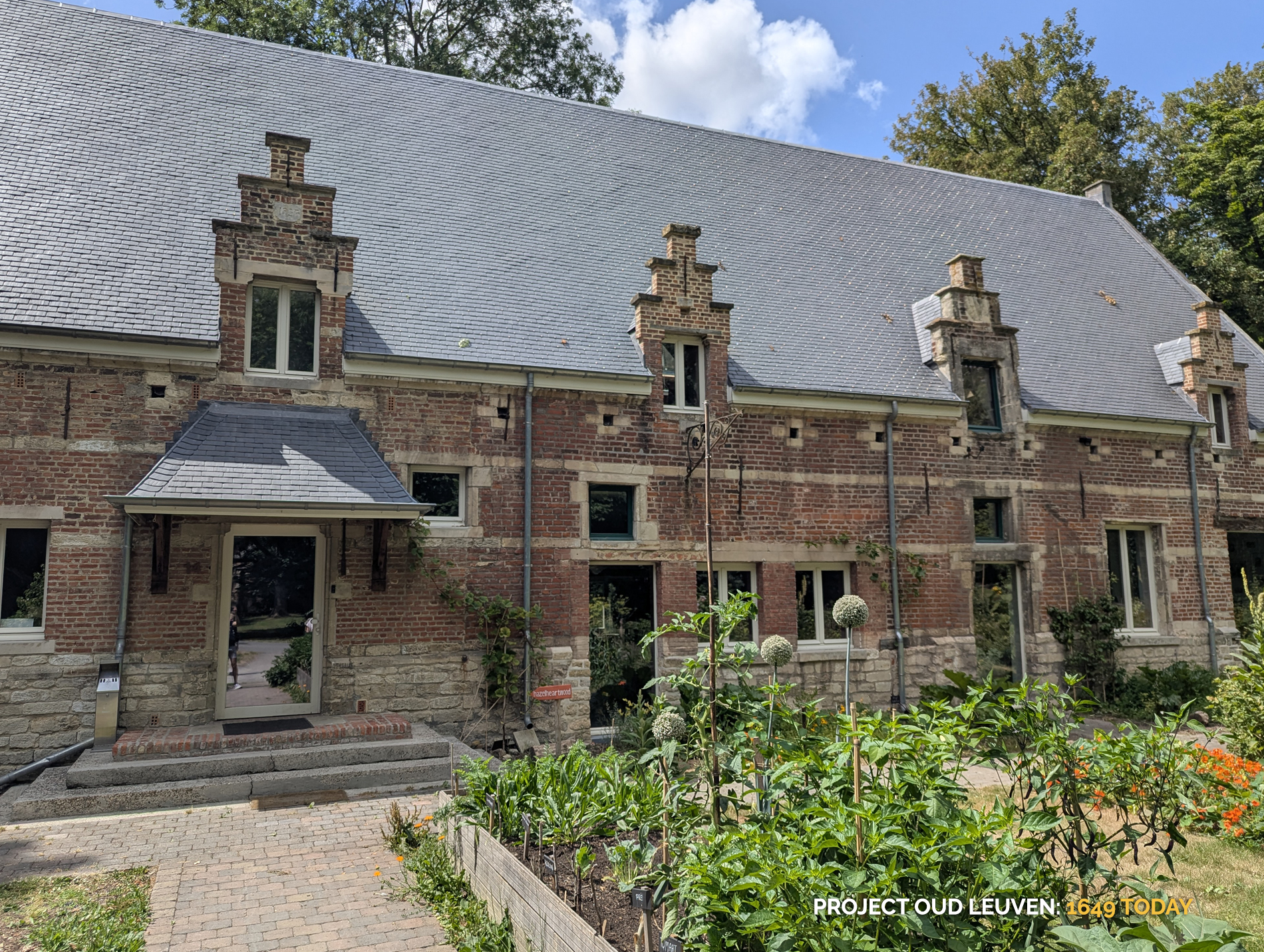
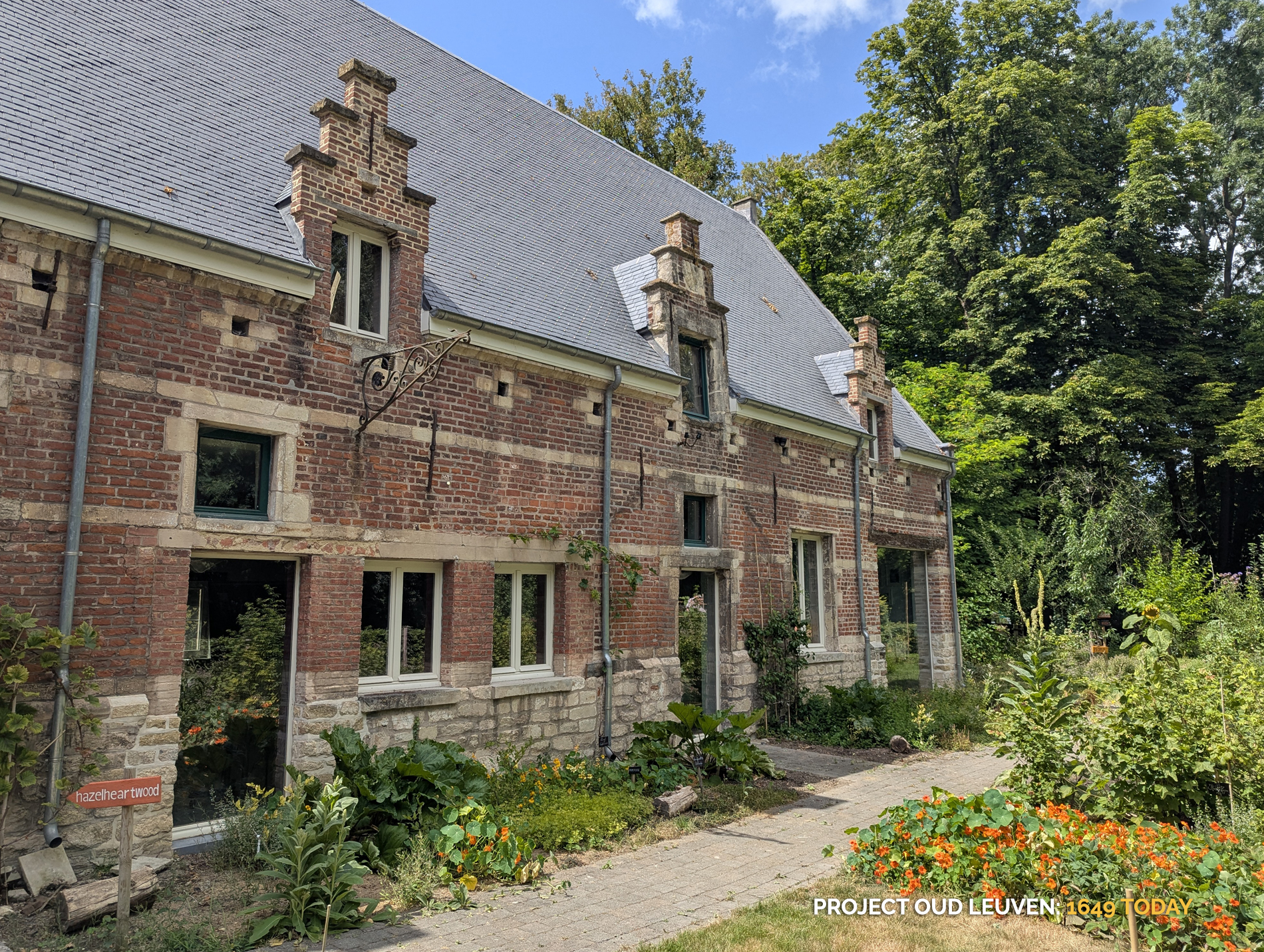
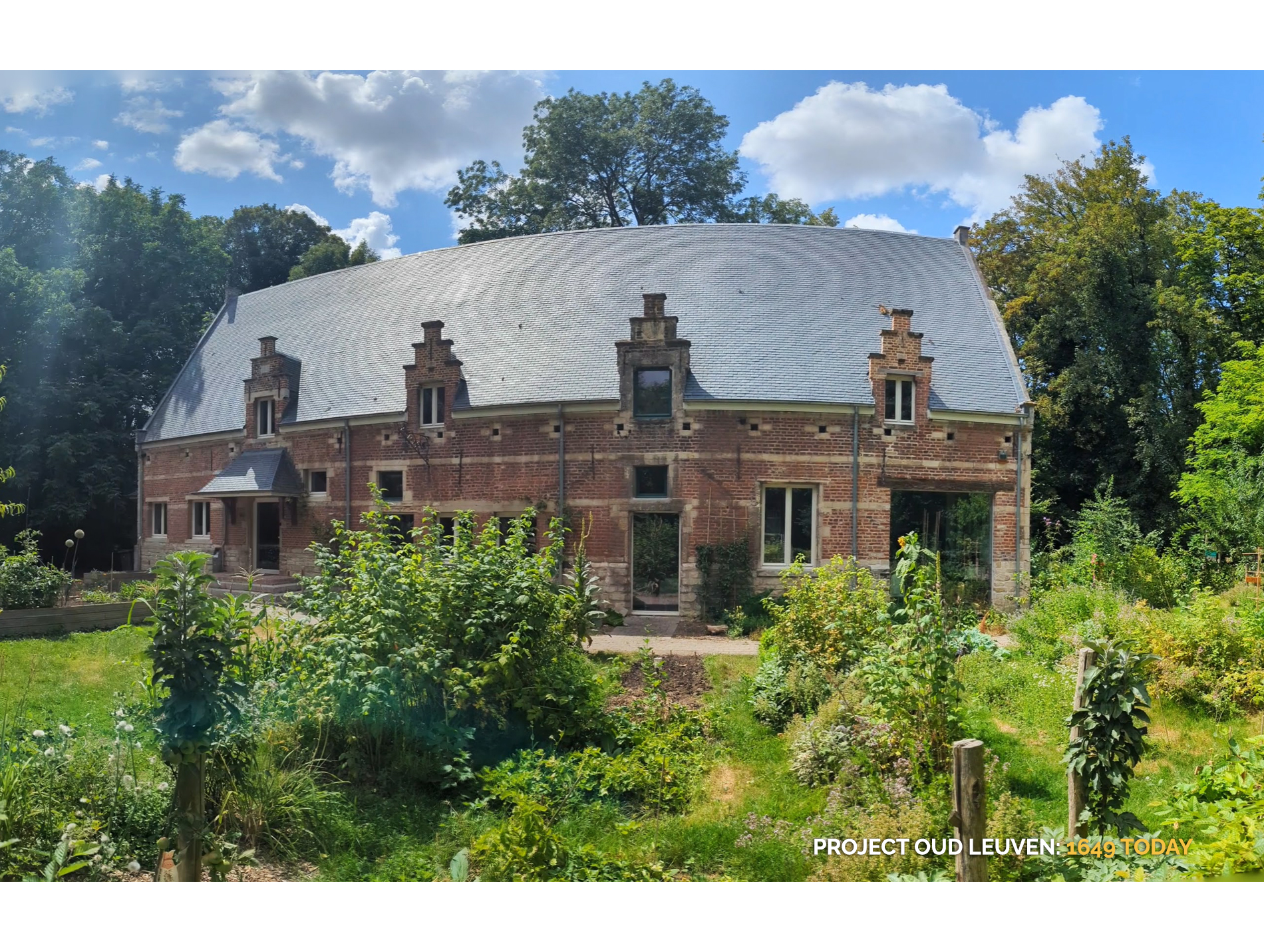
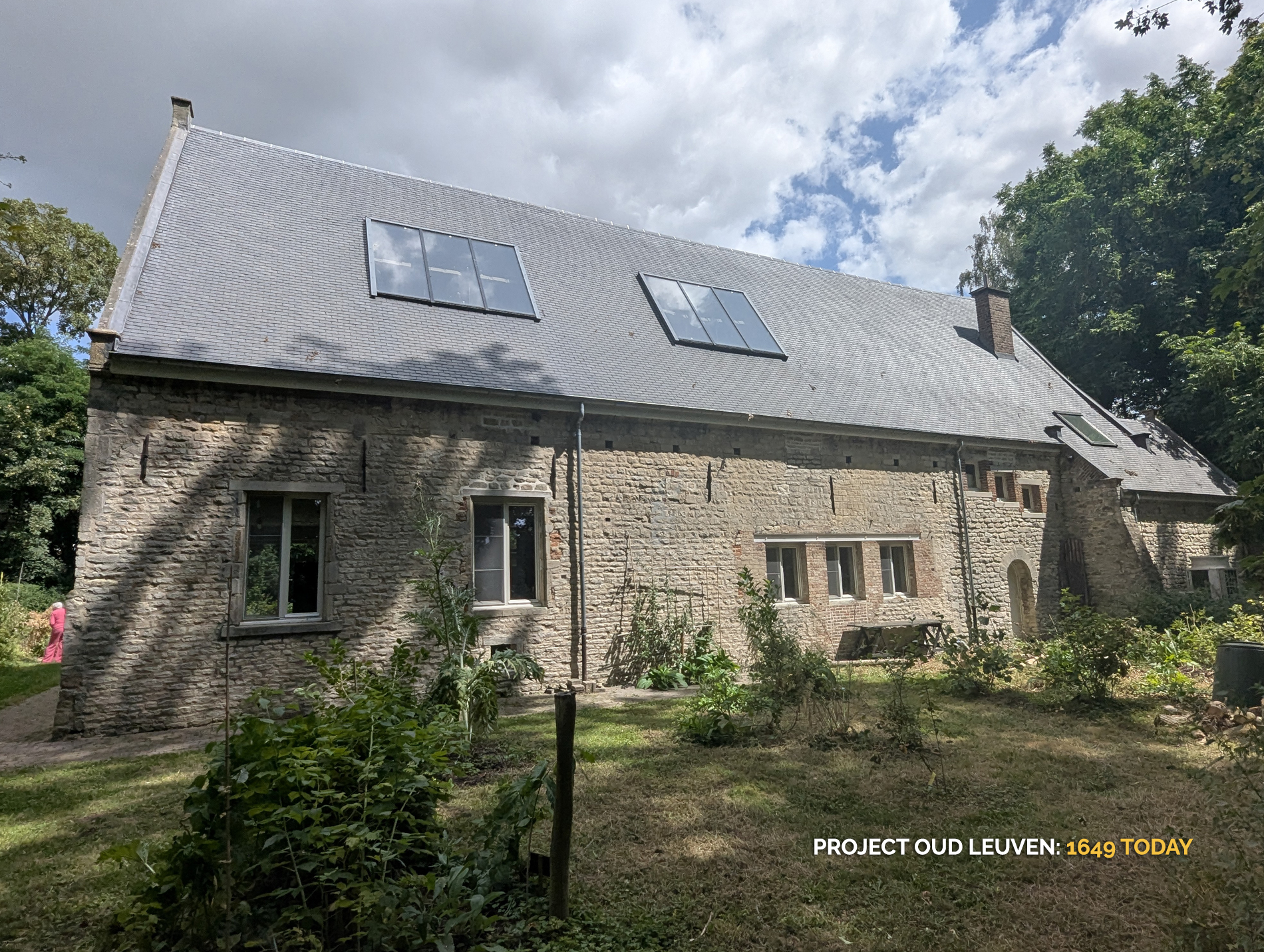
Of the original monastic complex from the 17th century, only a few structures remain today:
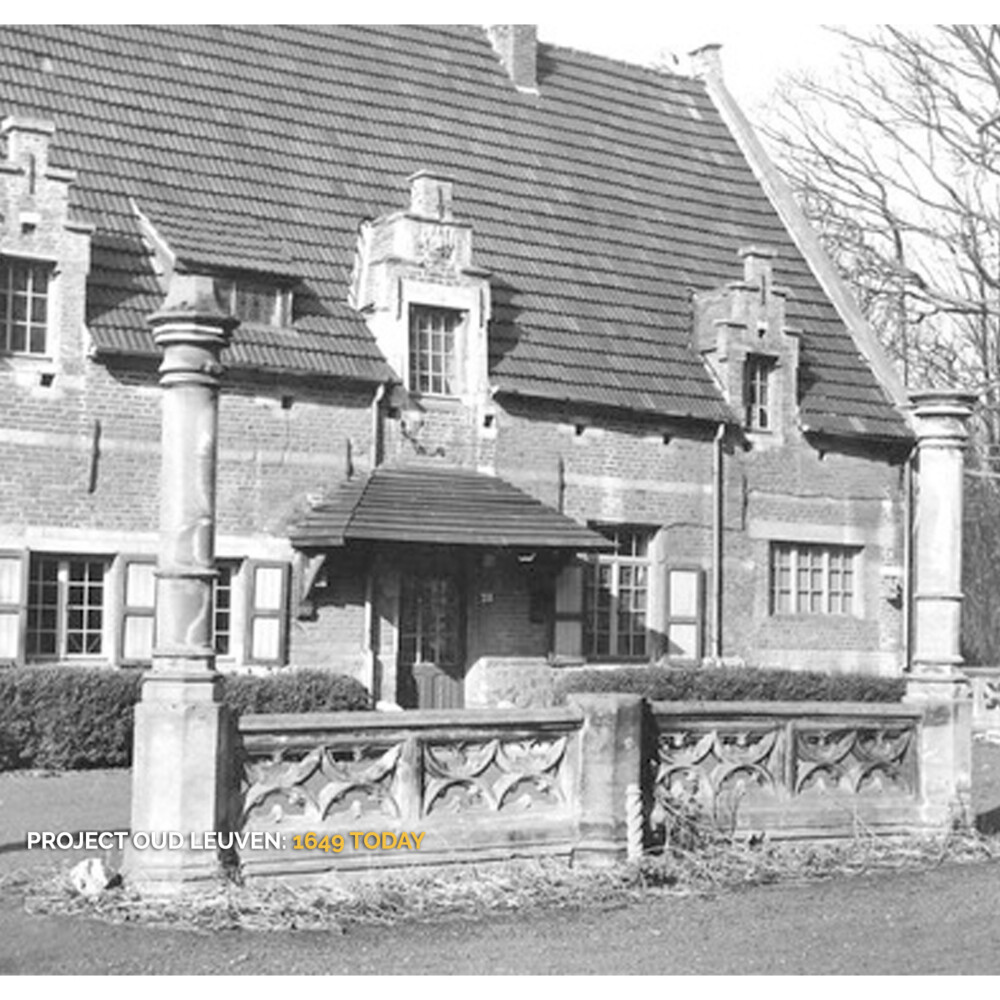
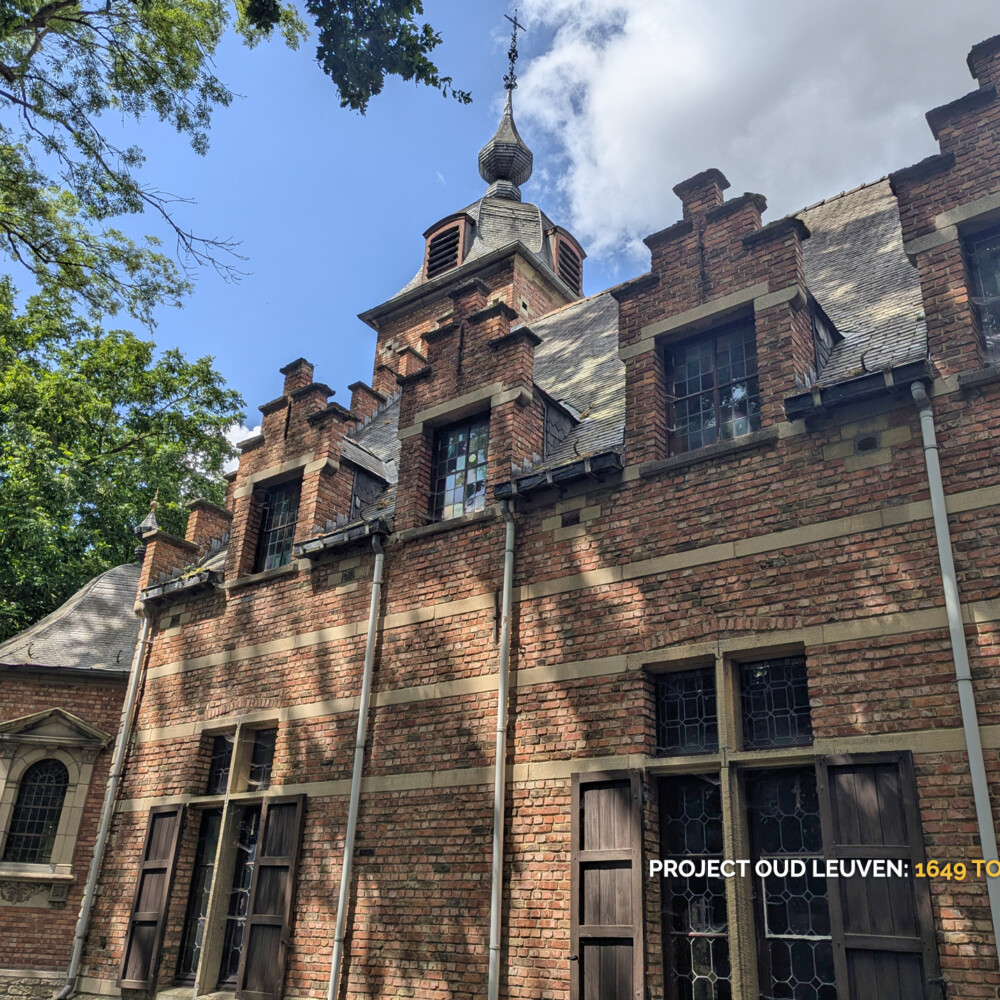
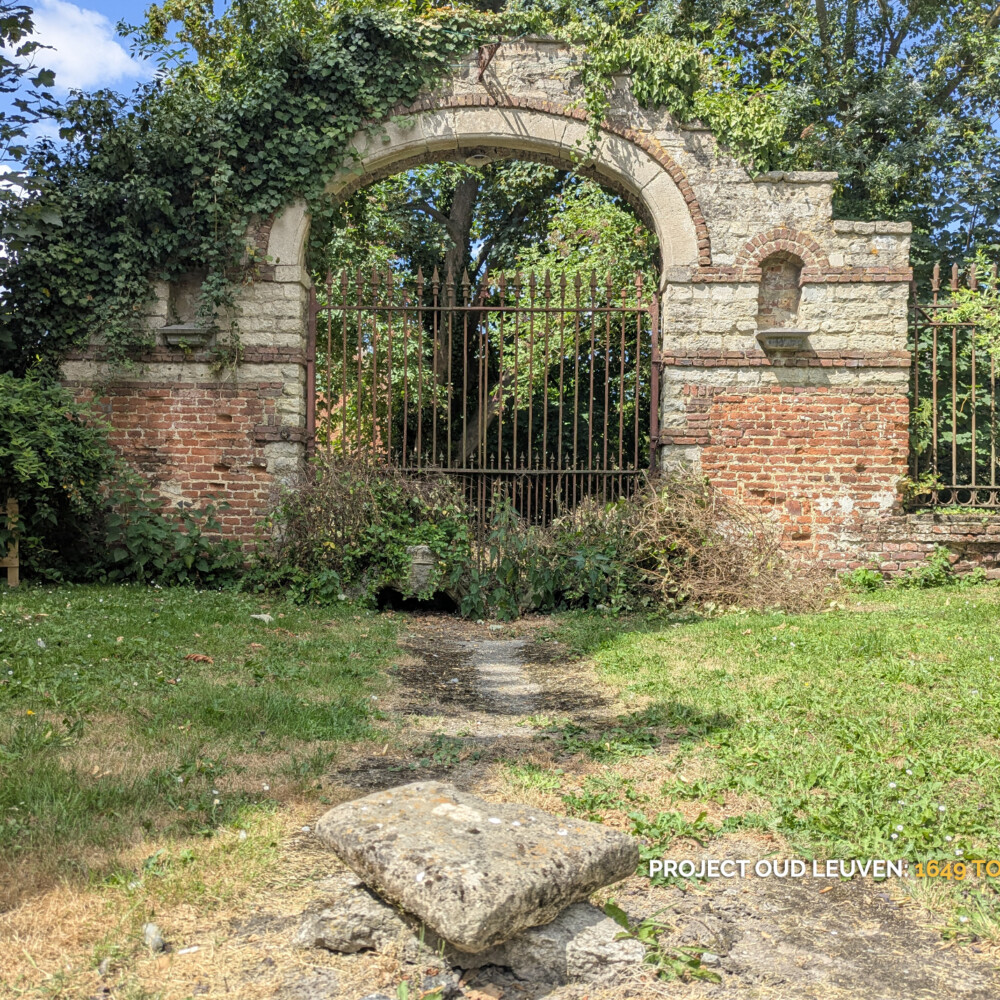
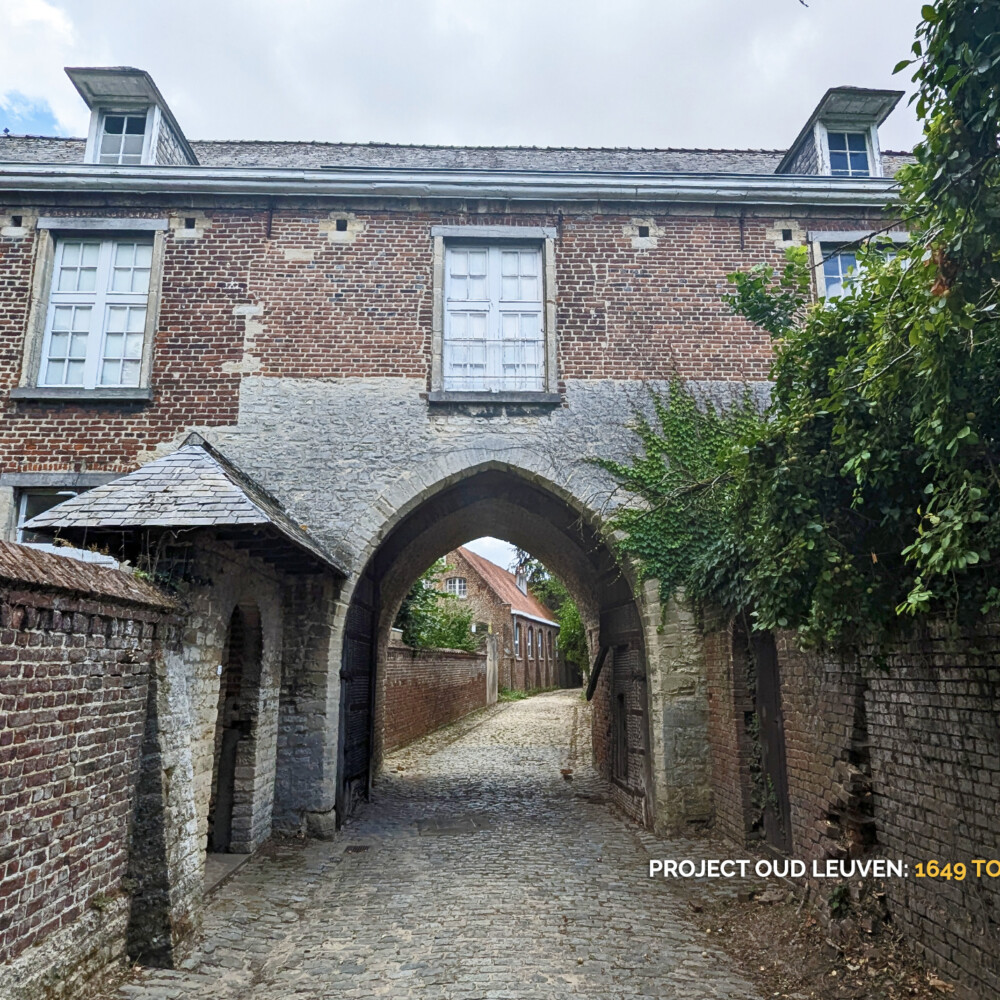
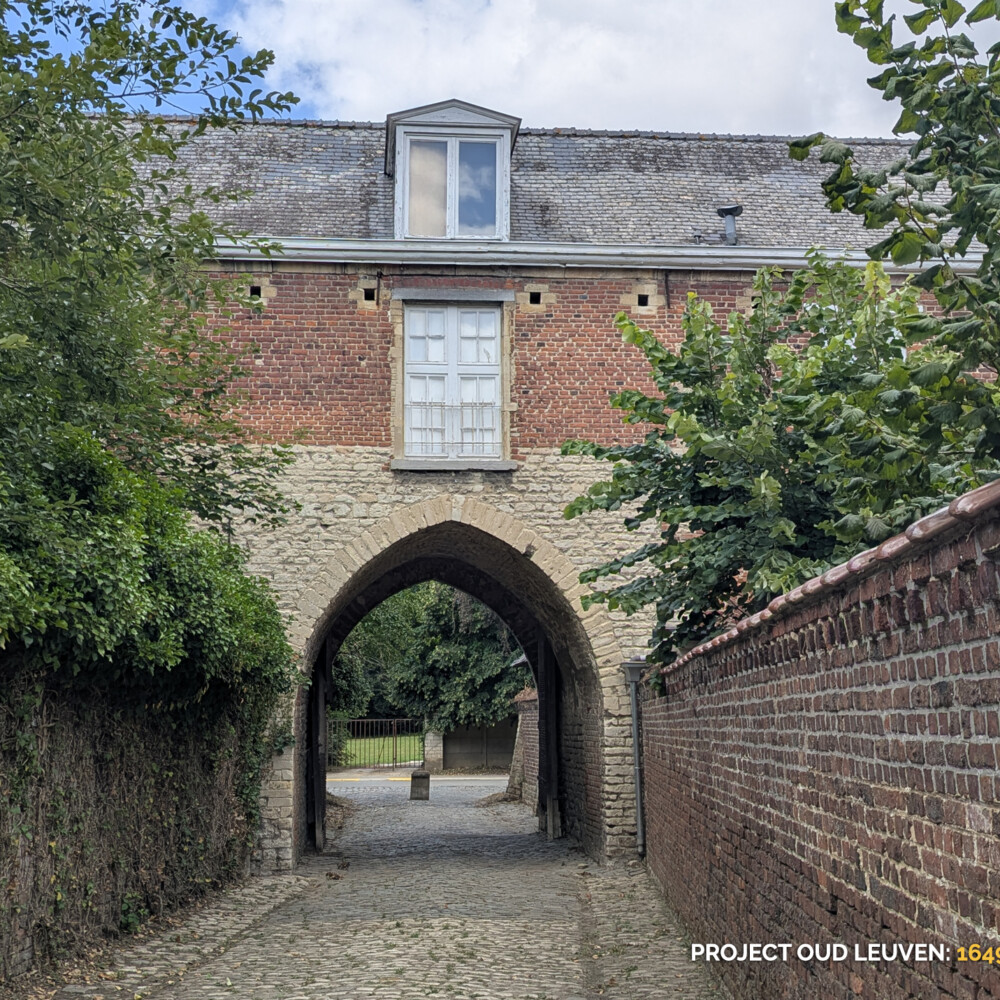
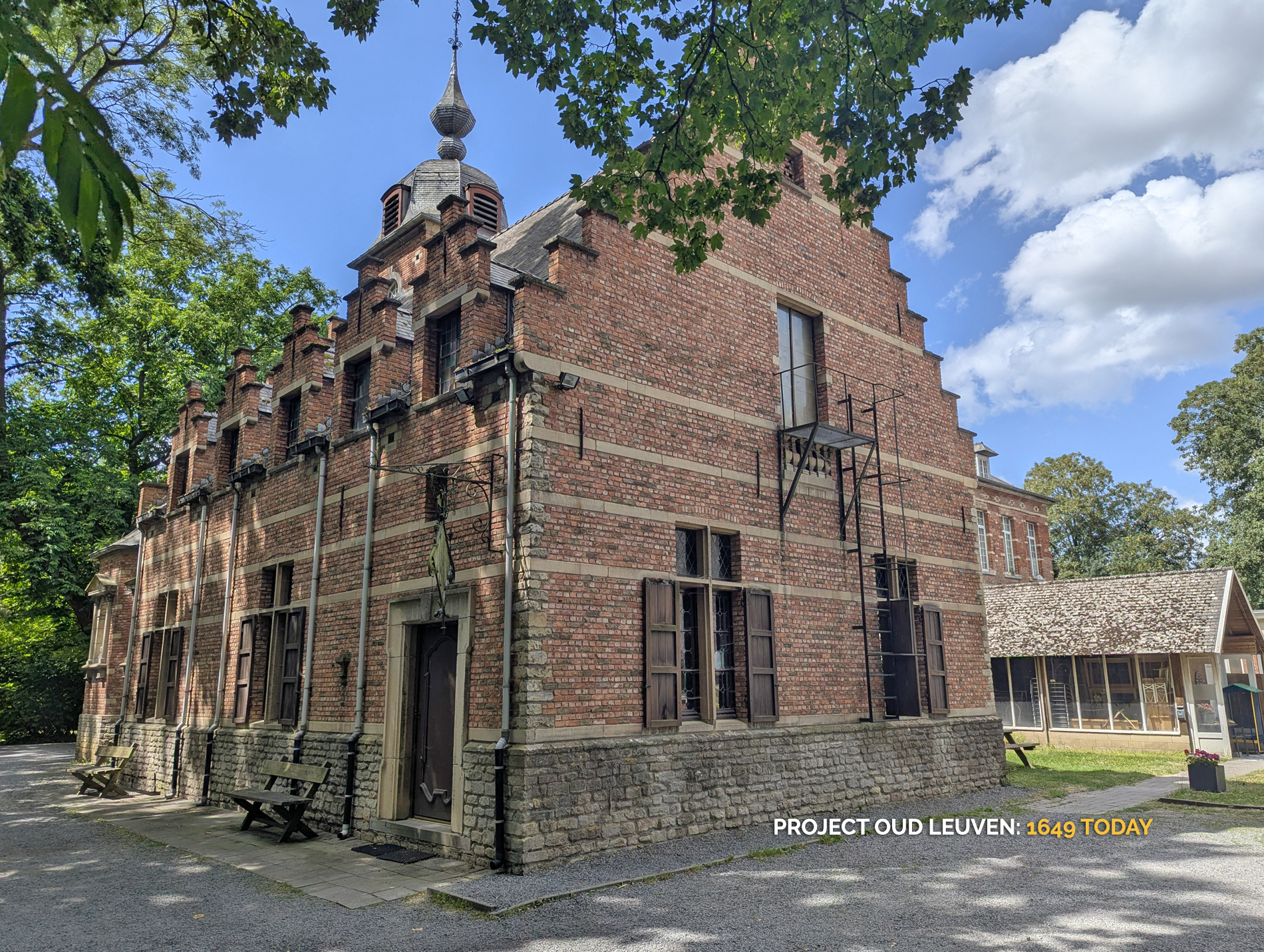
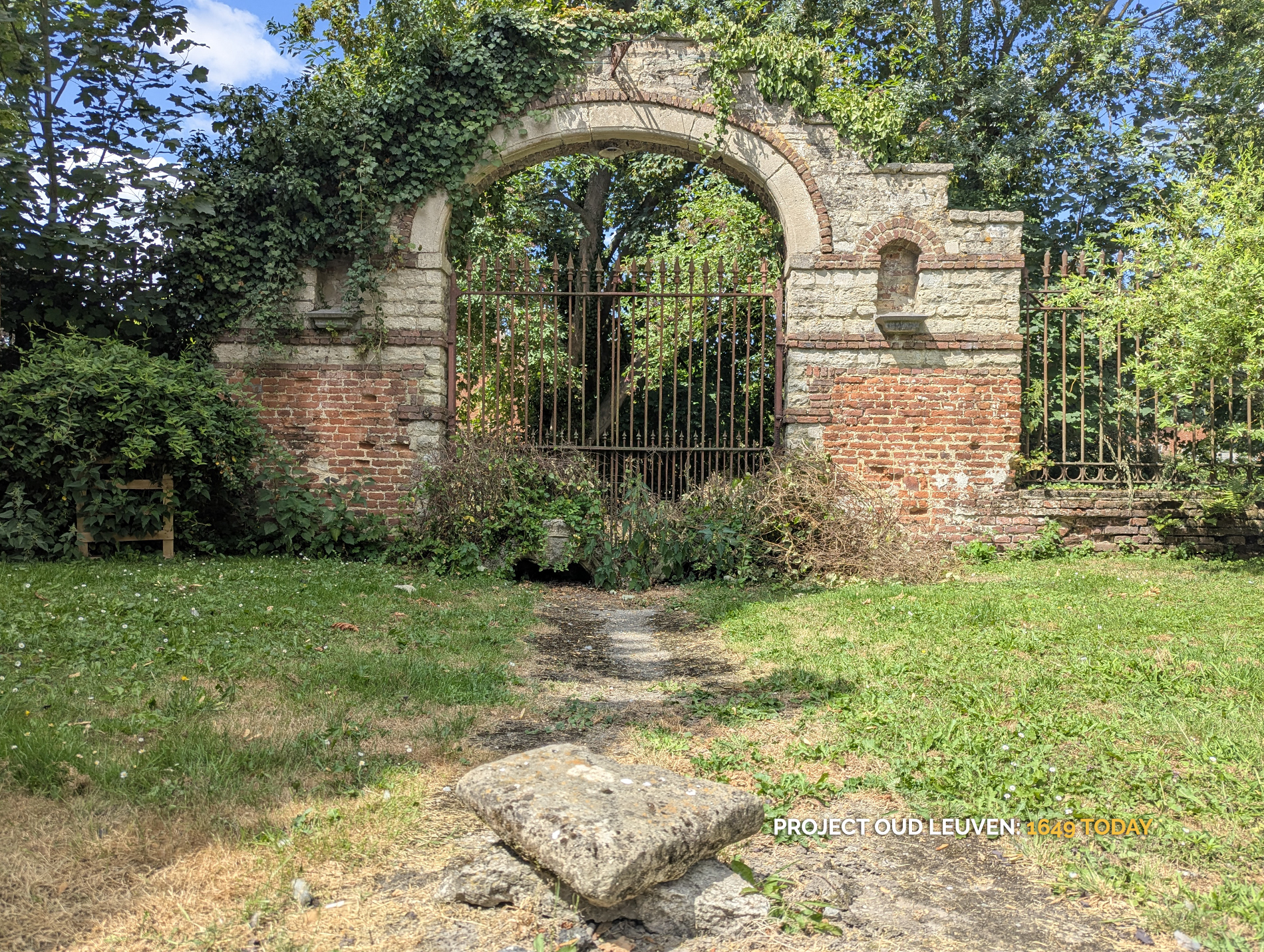
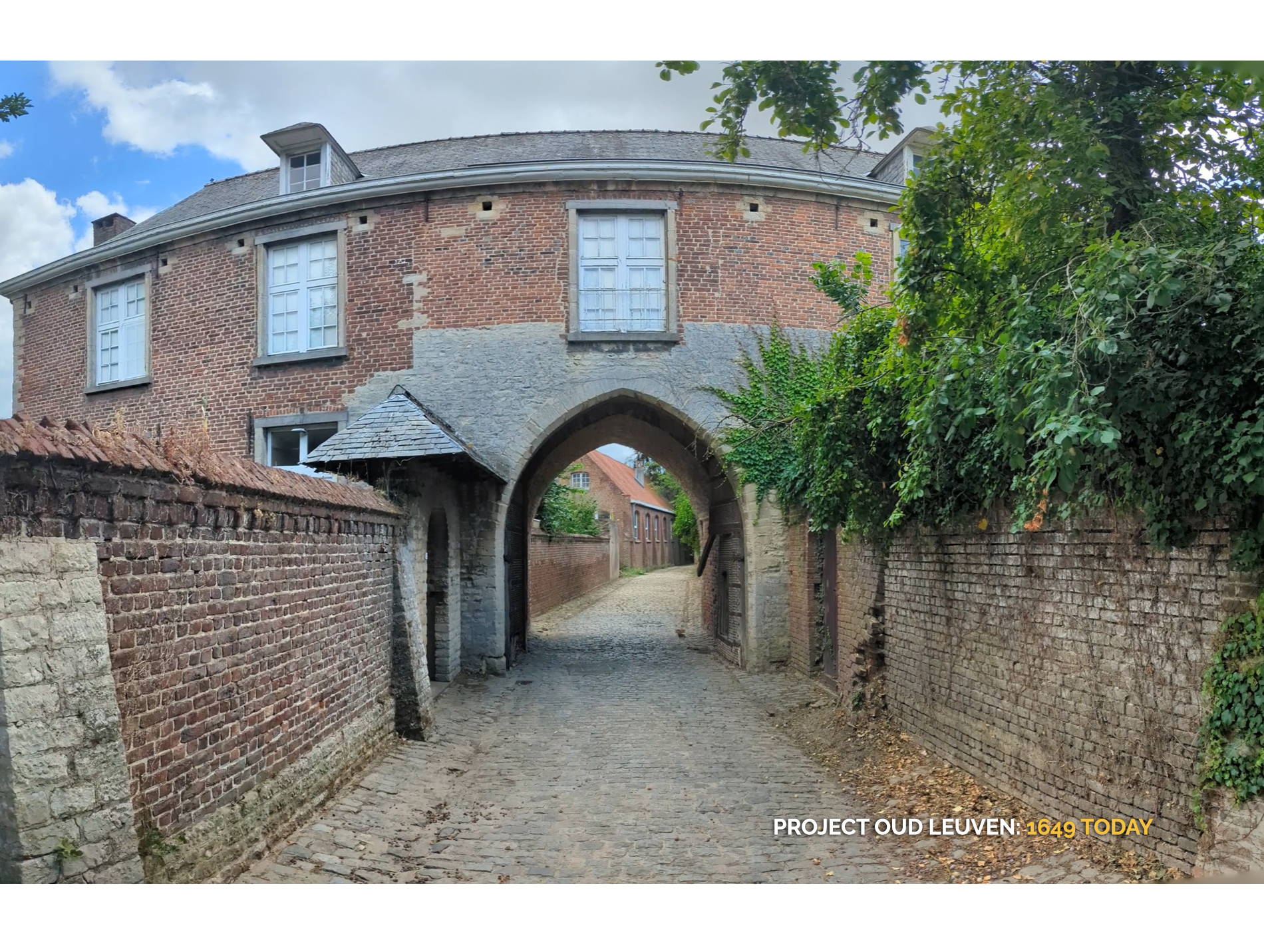
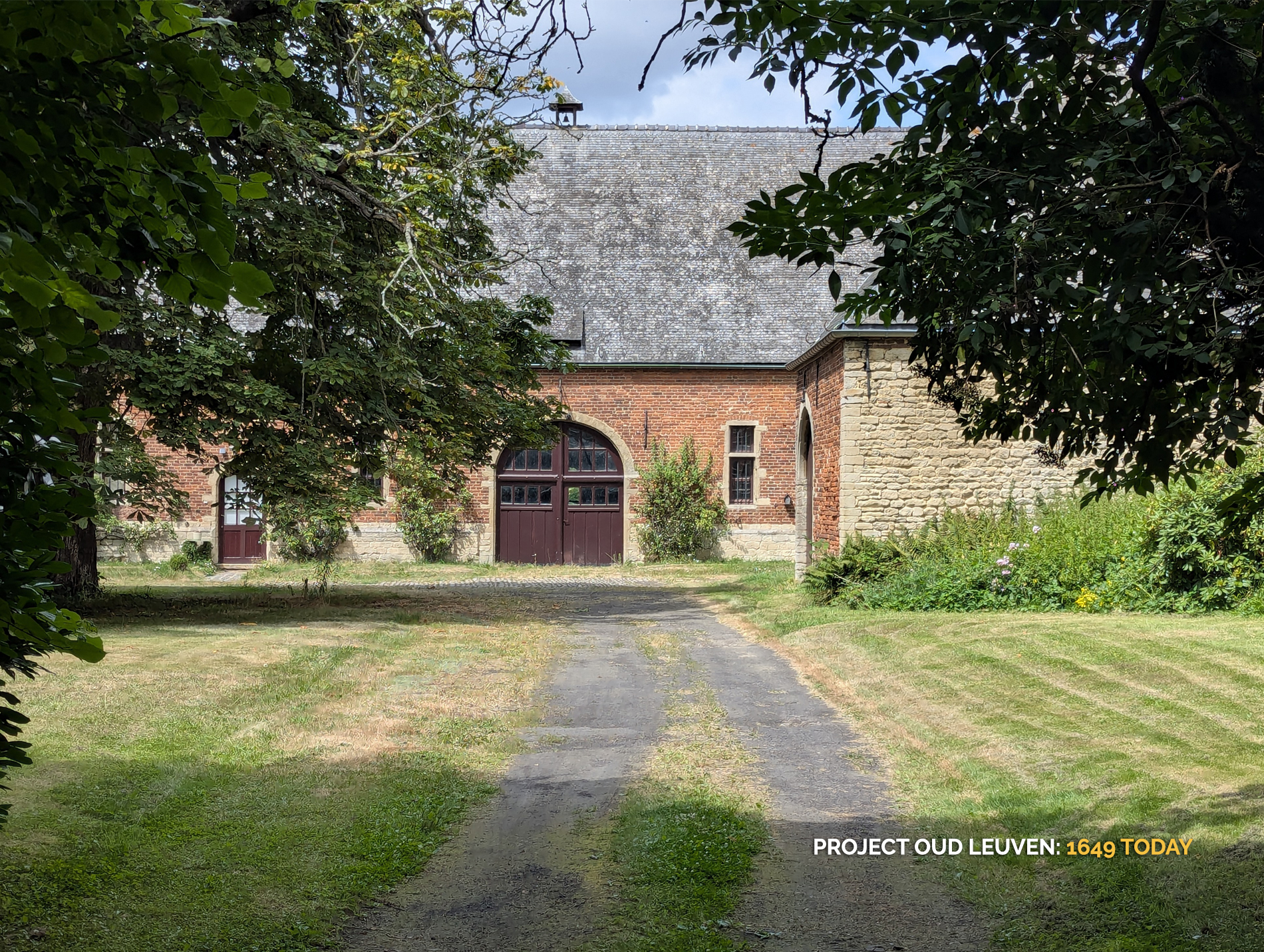
- The original gatehouse featuring a Gothic pointed arch gateway dating to the early 17th century.
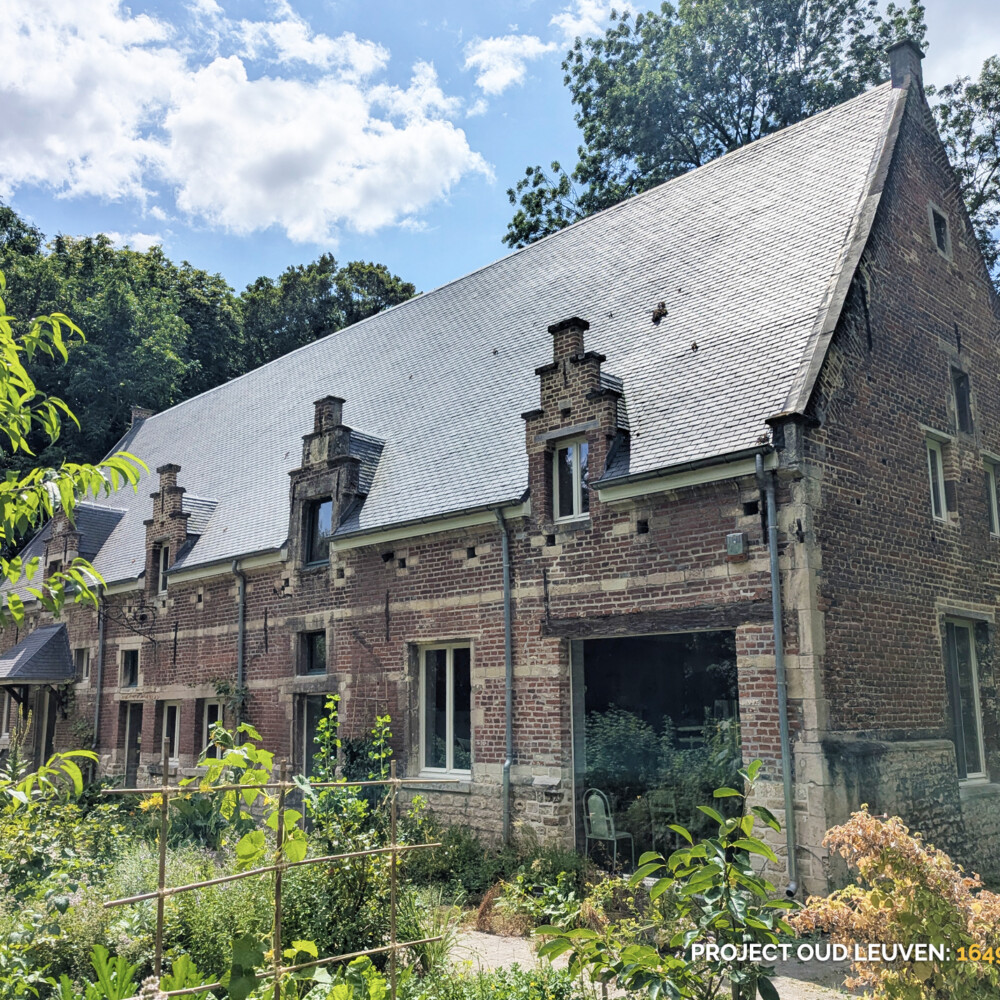
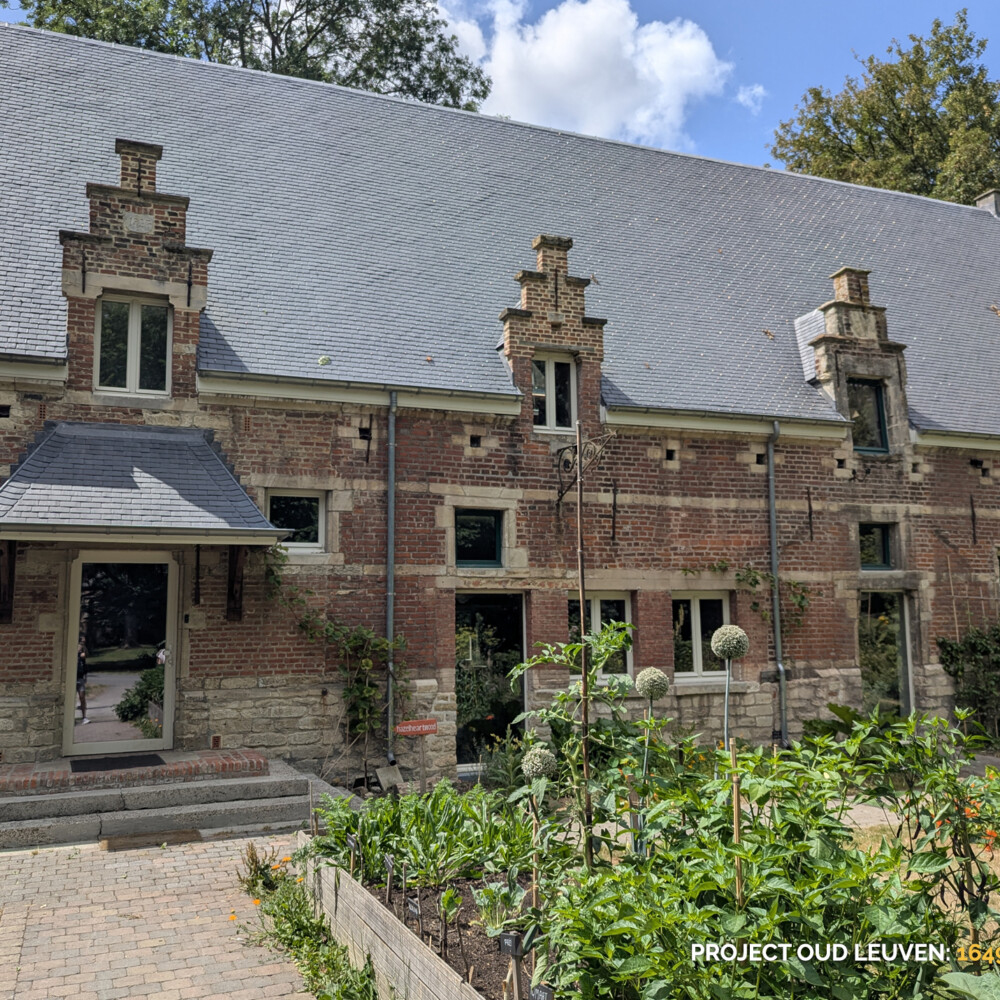
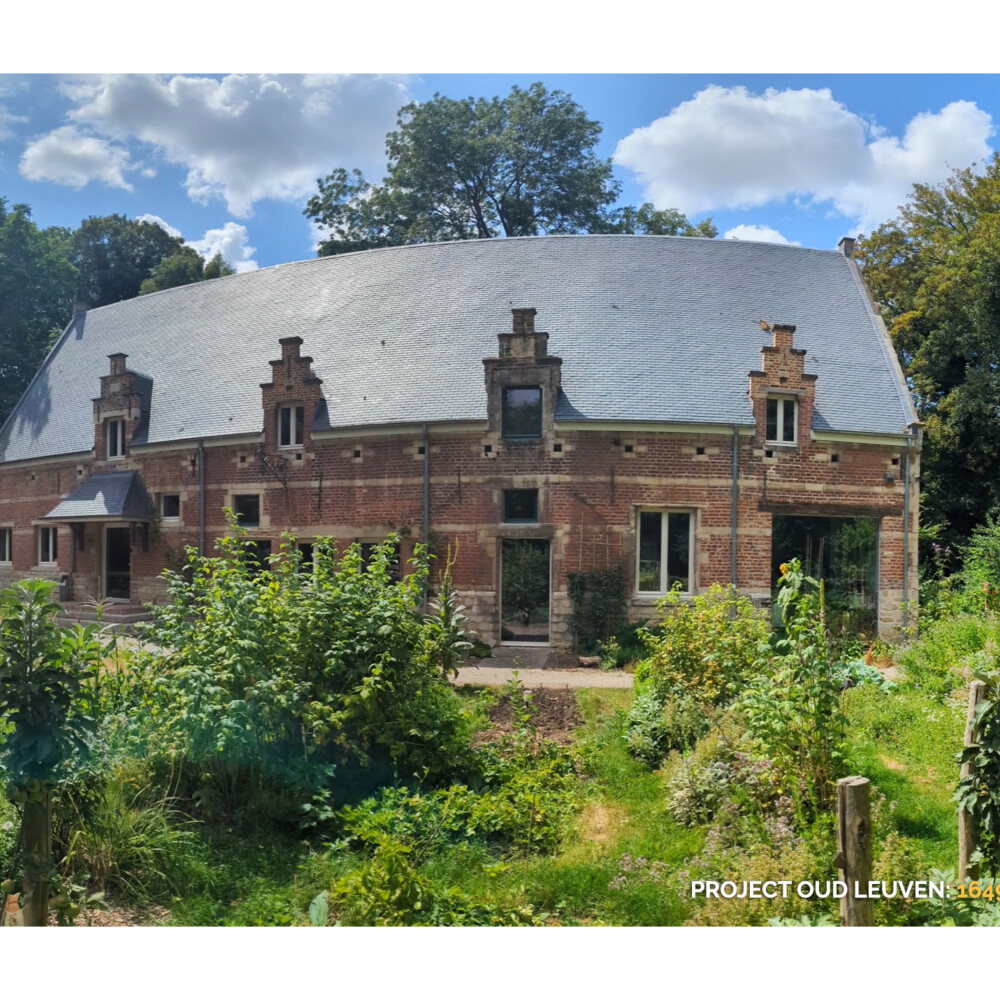
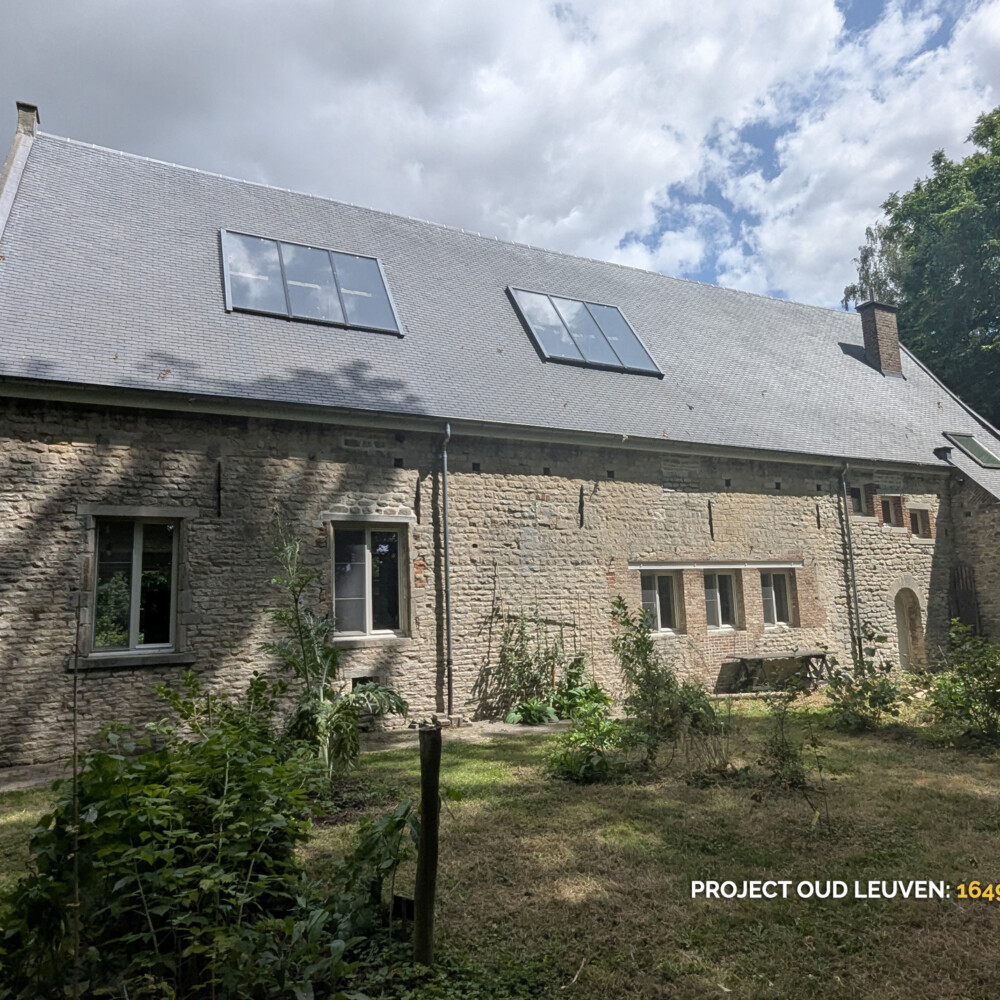
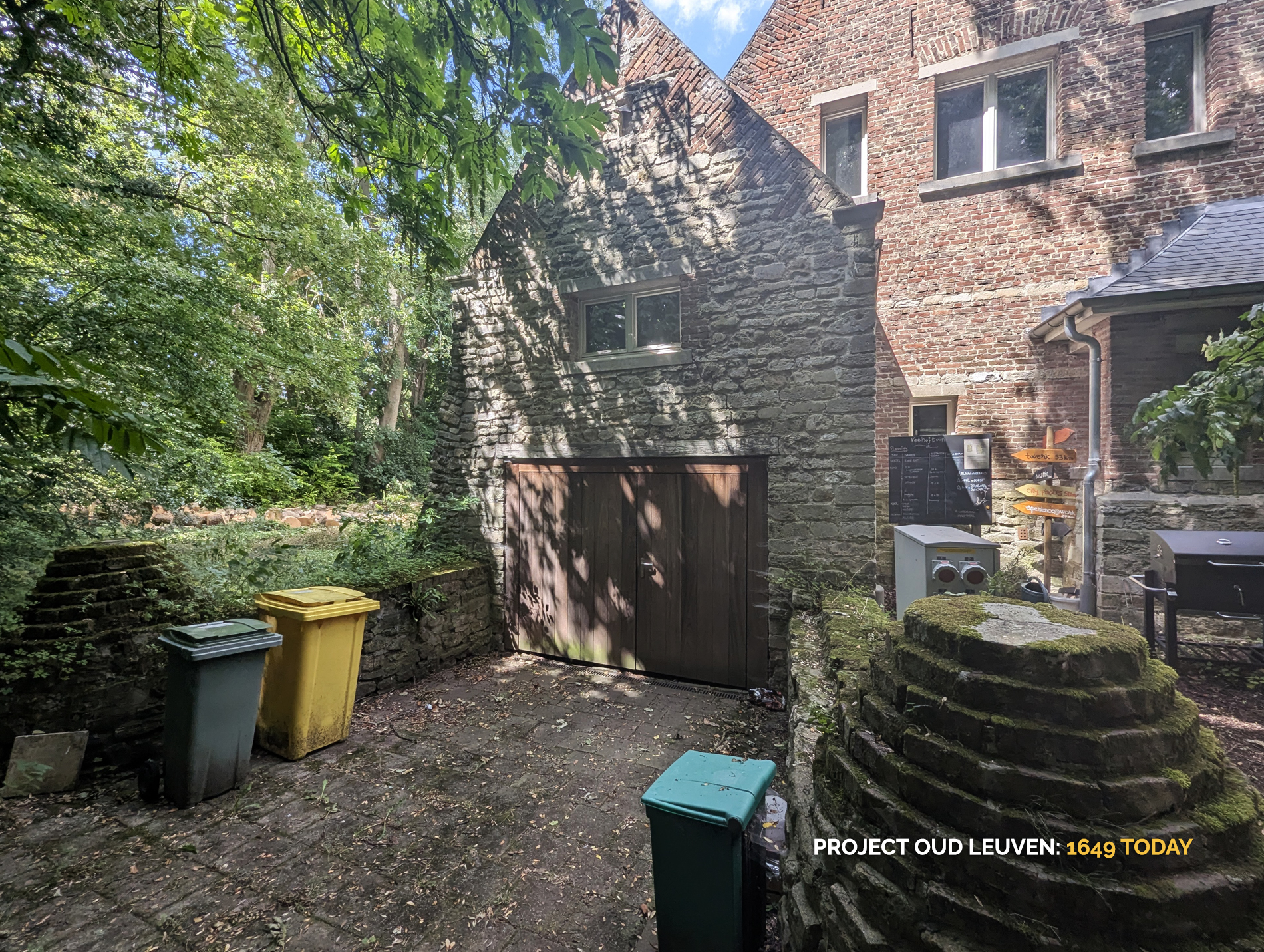
- The “Veehof” (cattle farm) dating from 1650 is now a small garden with plots of local herbs and vegetables.
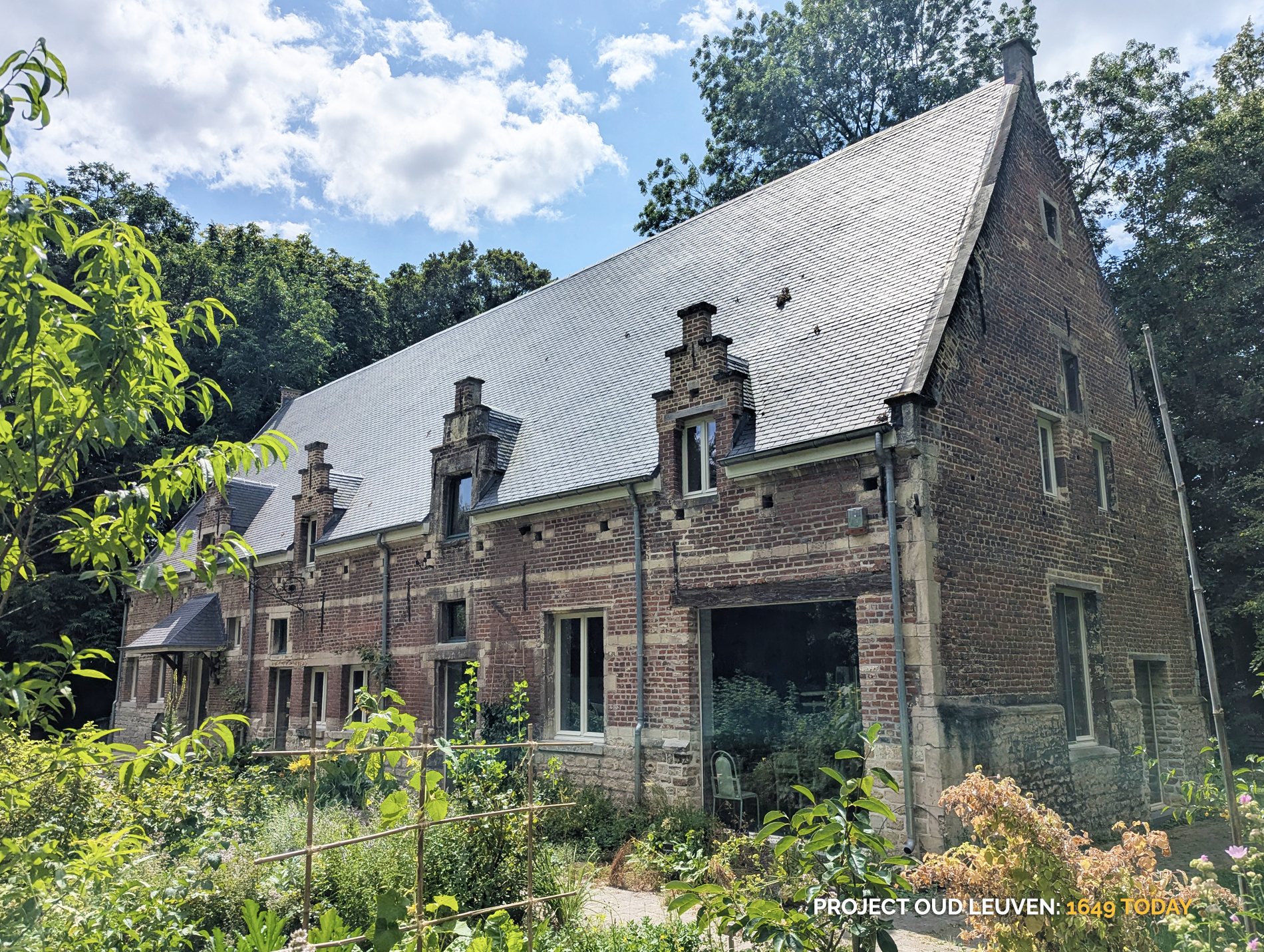
- The “pachthof” (which was a farmhouse leased to farmers nearby) dating from 1732, close to the gatehouse, is today the “Bouwerij” a local beer brewery.
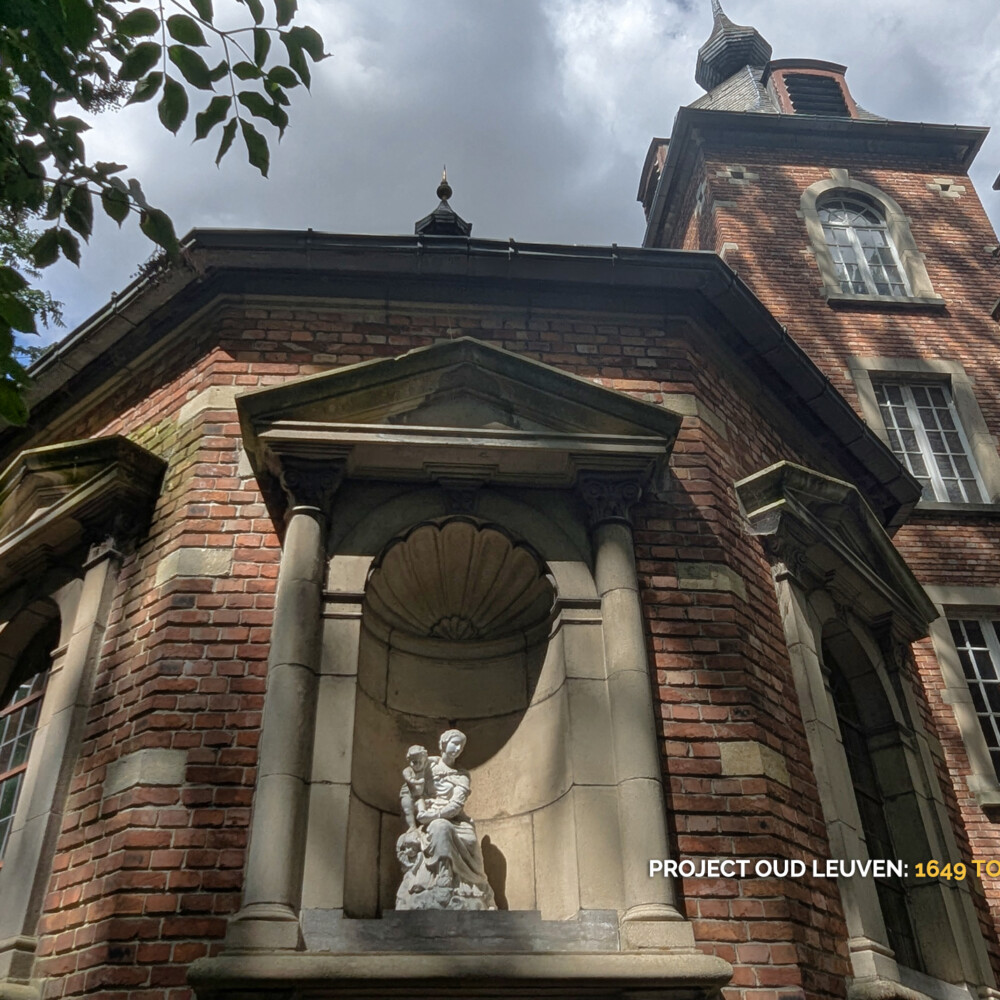
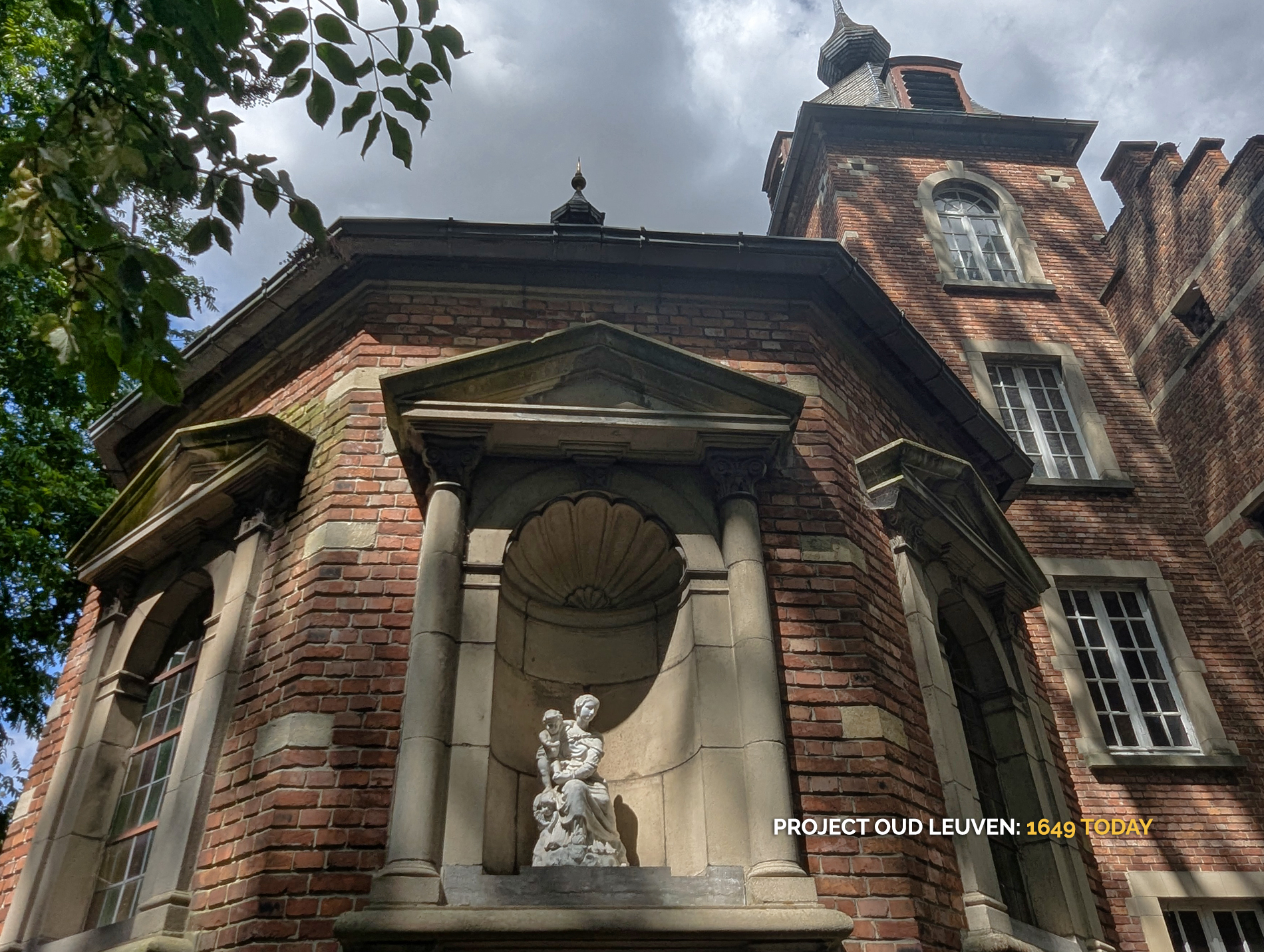
Later additions, such as the Ridderzaal (Knights’ Hall) and the Baroque abbey chapel, were built in the 20th century and do not belong to the original monastic architecture.
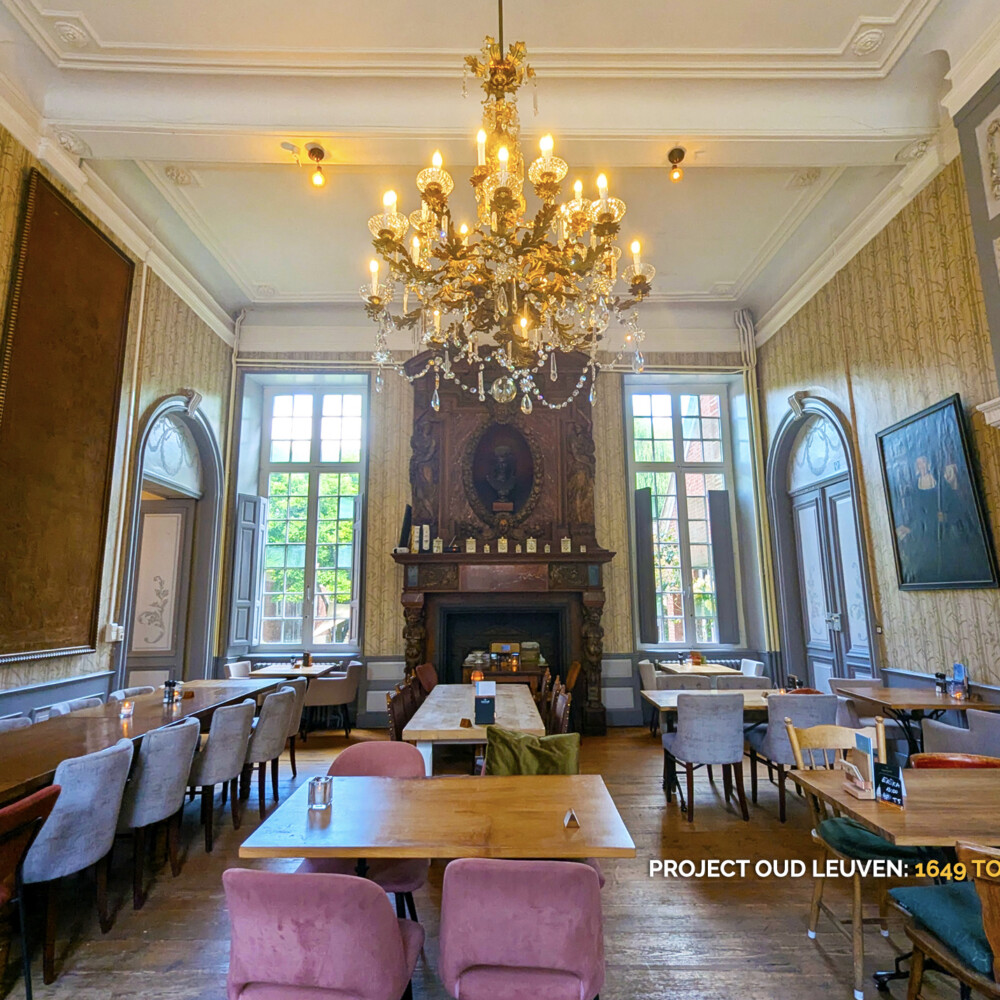
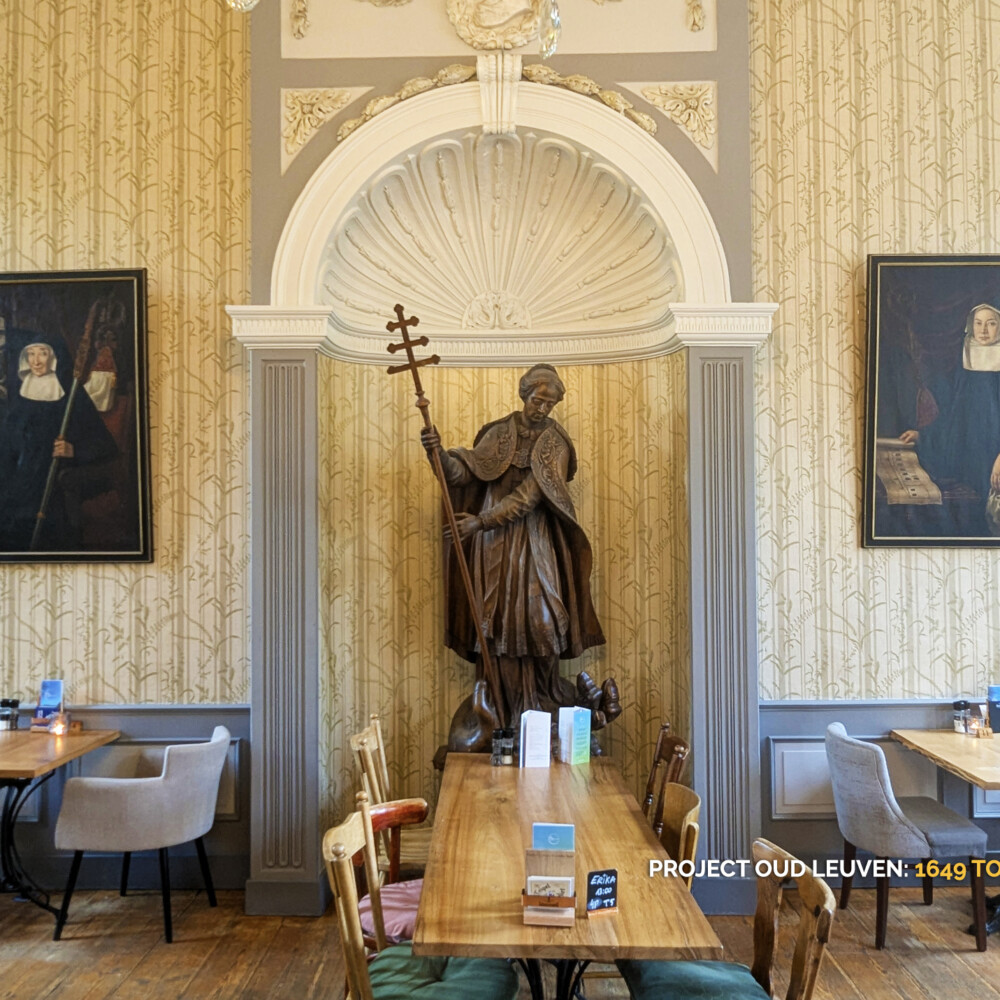
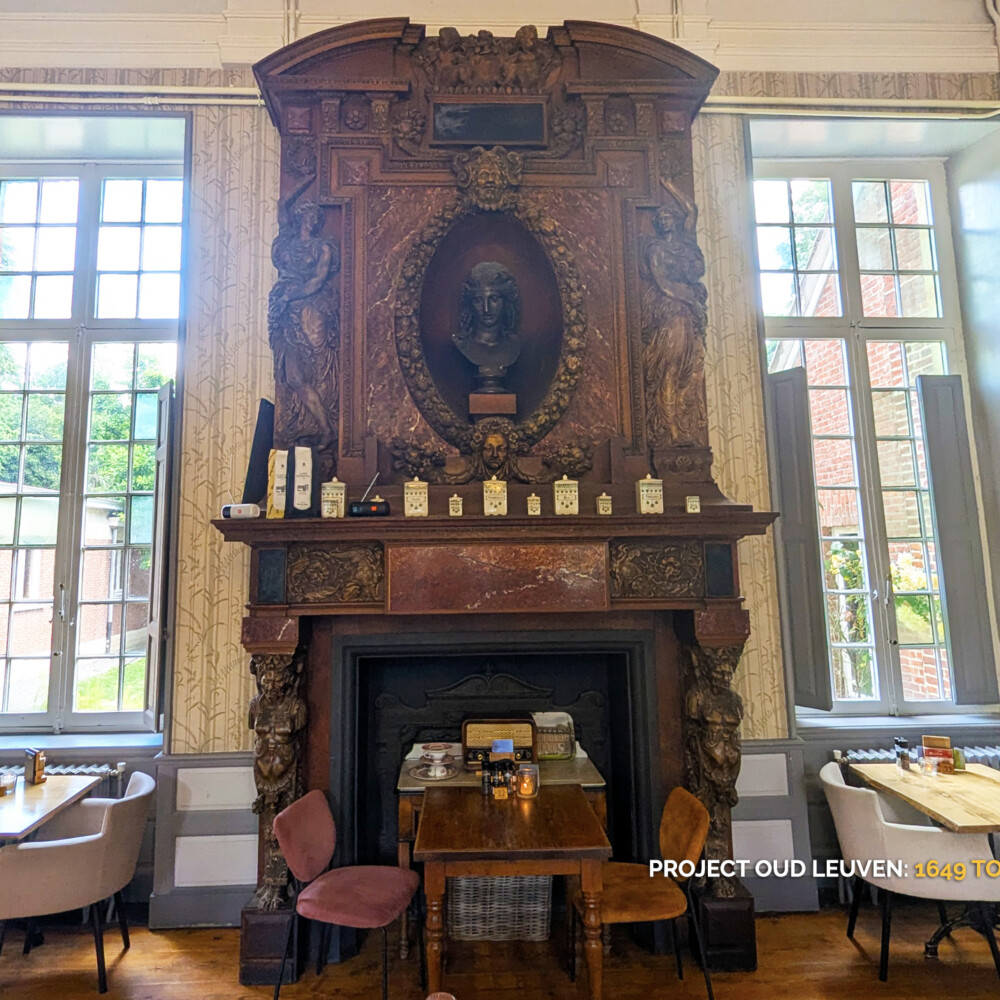
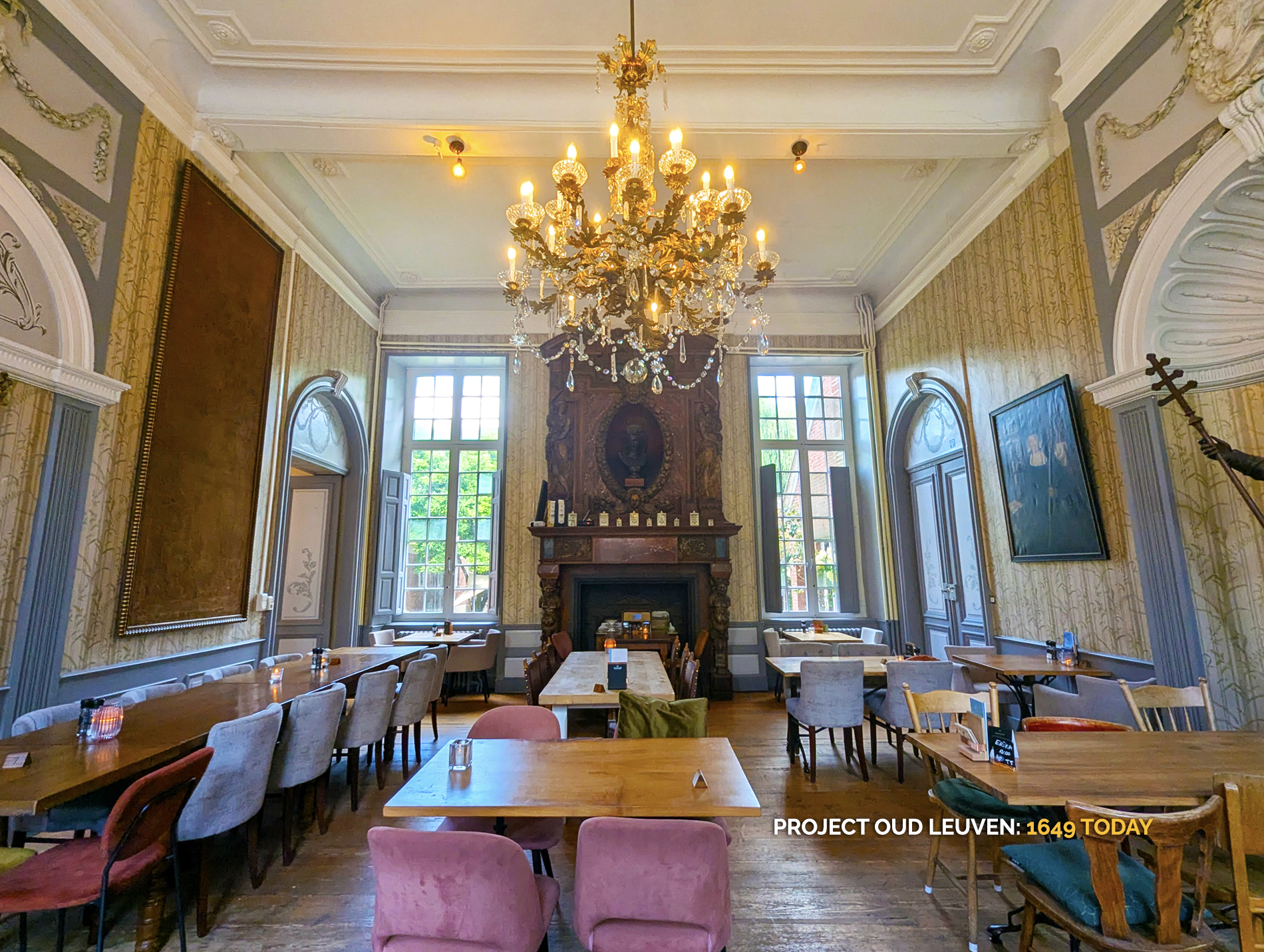
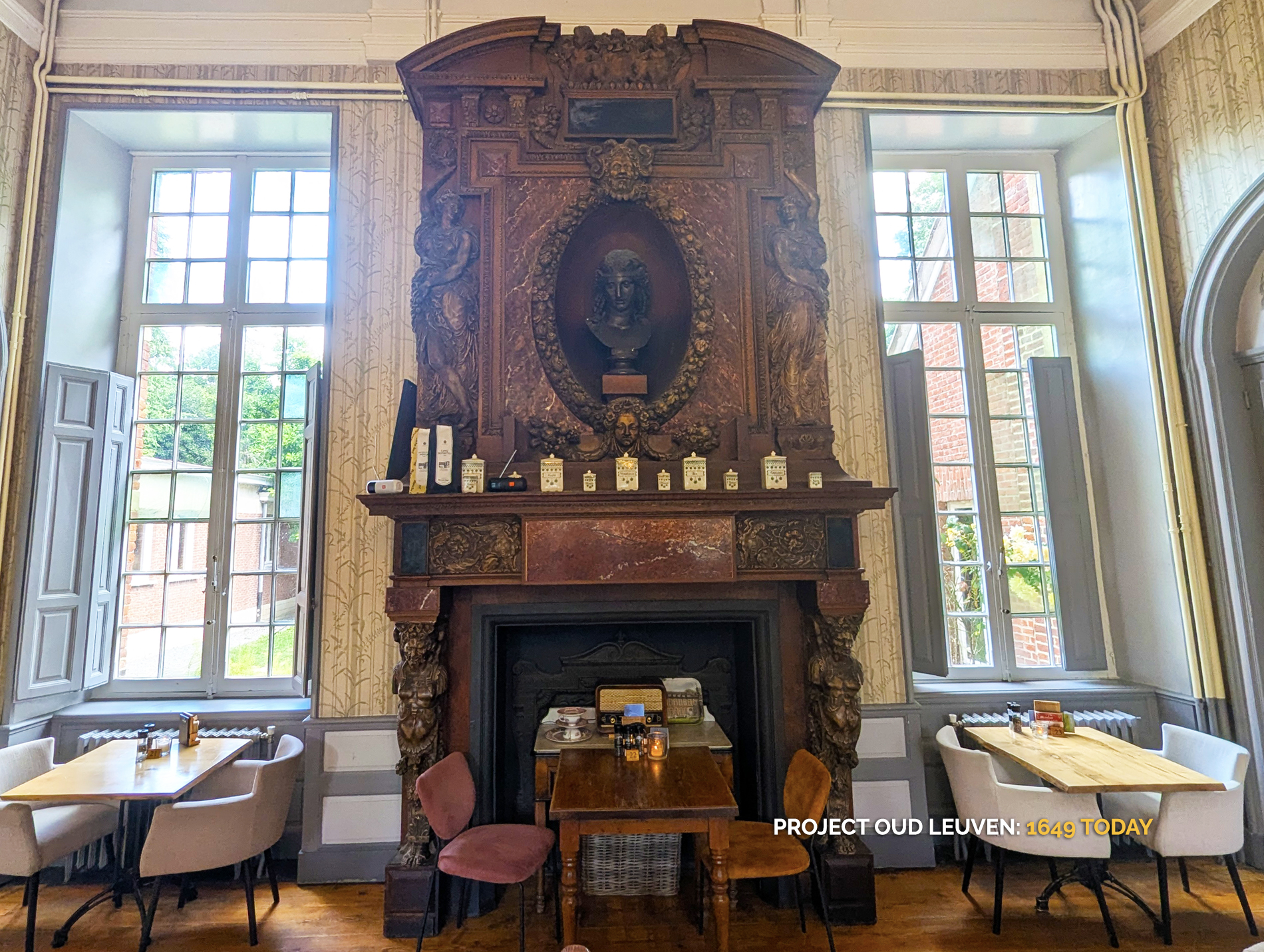
Called today the “Oude Abdij Kortenberg“, the site now functions as a vibrant community hub. It continues to serve as a retreat and reflection centre, but it also provides a home for Job-Link, a centre for vocational training and guidance for persons with disabilities. Participants in the catering programme there manage the food services for the entire retreat centre. Recognising its historical and architectural value, the regional government designated the abbey as a protected monument on 14 February 2005.
The Remains of the Original Hilltop Church
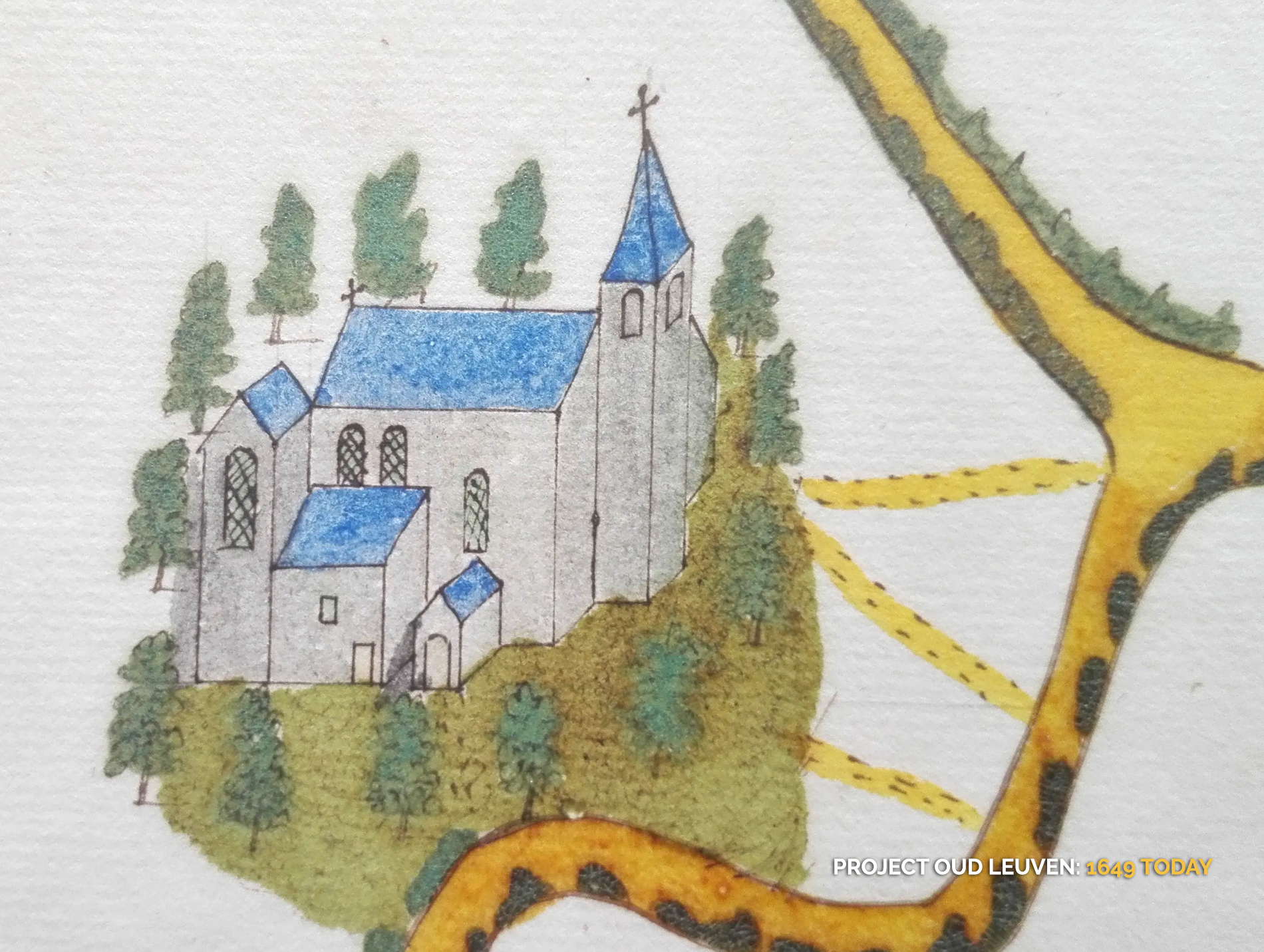
What is really interesting about the site of the famous Abdij van Kortenberg is the story and remnants of the original 10th or 11th century hermitage founded by Duva.
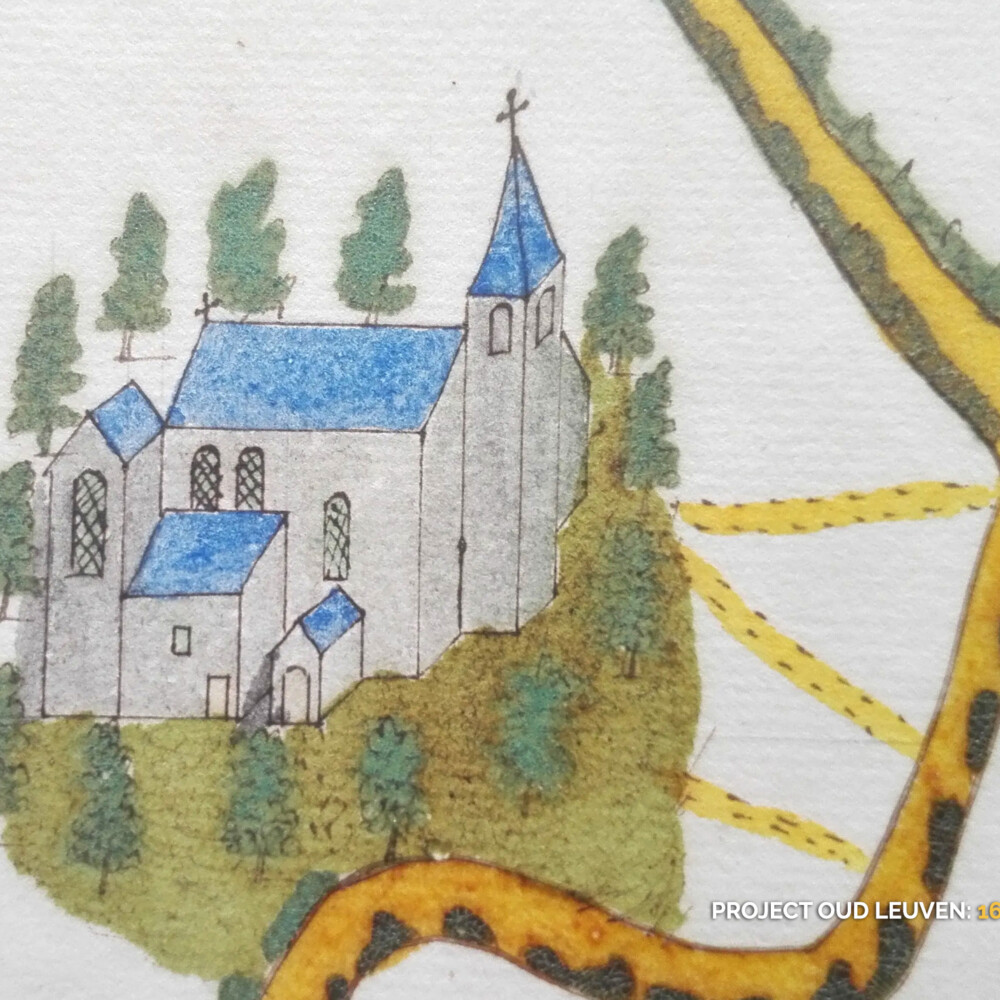
The church did not disappear after the sisters moved their community down to the valley in 1210. In fact, the church, known locally as the Bergkerk (hill church), continued to serve as a parish church to the villagers until 1771! It too moved to the valley in a place called “Den Heurk” (a local term for Noah’s Ark) where it has remained until today. This new church continues to worship the Virgin Mary and Saint Amandus, as did the hermite sisters.
So why did the hill church also move to the ground? Unlike the nuns, it was not due to the lack of water. In the 13th century, there were only a few houses in the village close to the abbey and there were all located BEHIND the Kortenberg, around today’s Vierhuizenstraat – literally ‘four houses street’. Their village was called “Achter den berg” (behind the hill), which has remained in today’s street name “Achterenbergstraat“.
In 1706–1709, the direct road between Leuven and Brussels was paved BEFORE the hill and the abbey, which served as a highway for goods and people. The population started to move to this area, so accessing the hilltop church became a real hassle. This is why the centre of Kortenberg is along the N2 Leuvensesteenweg today.
Yet, the graveyard of the hill church was maintained even as late as 1914, with the last burials dating from 1771.
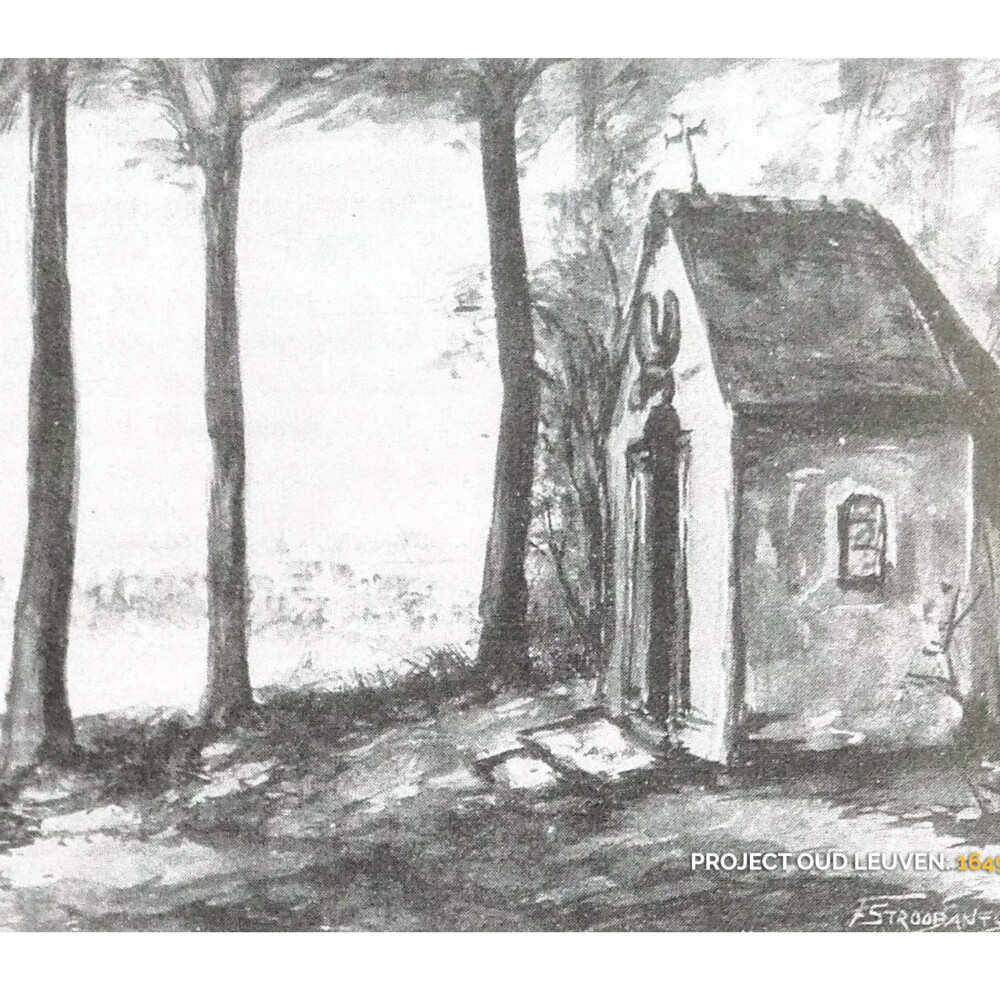
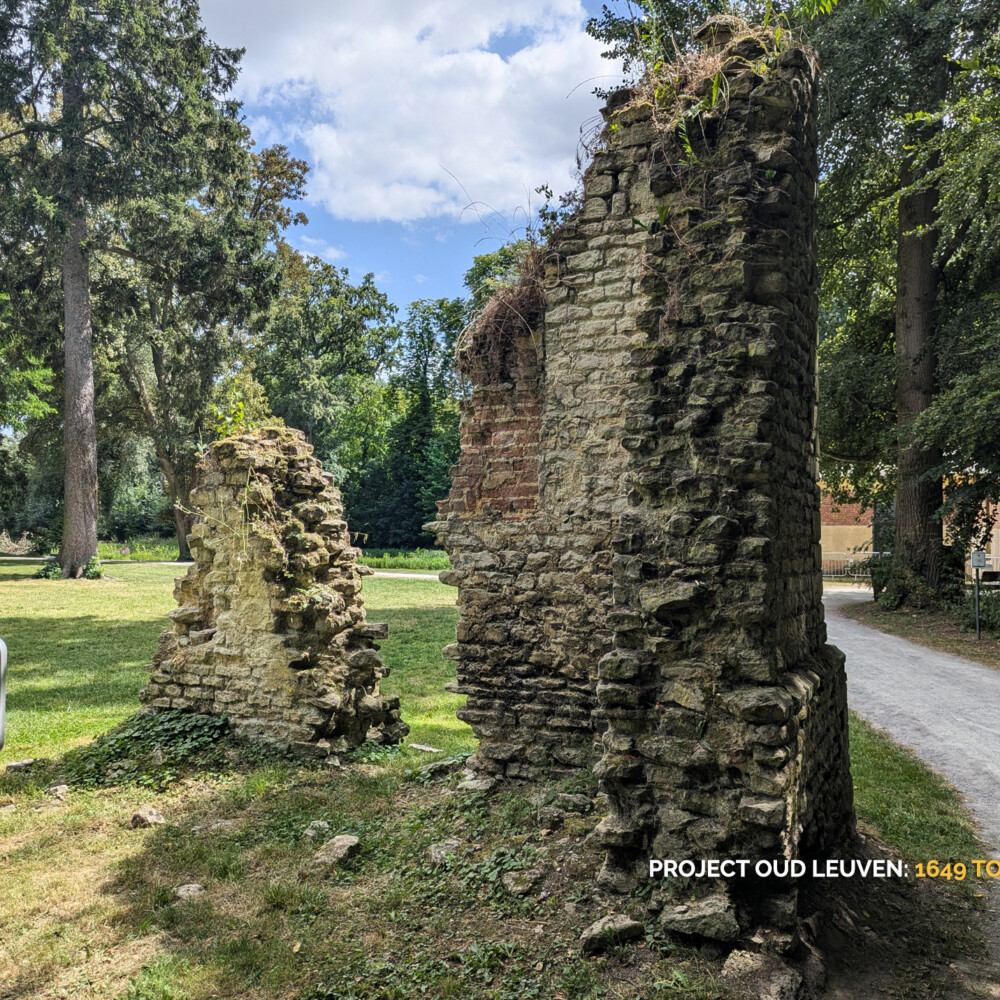
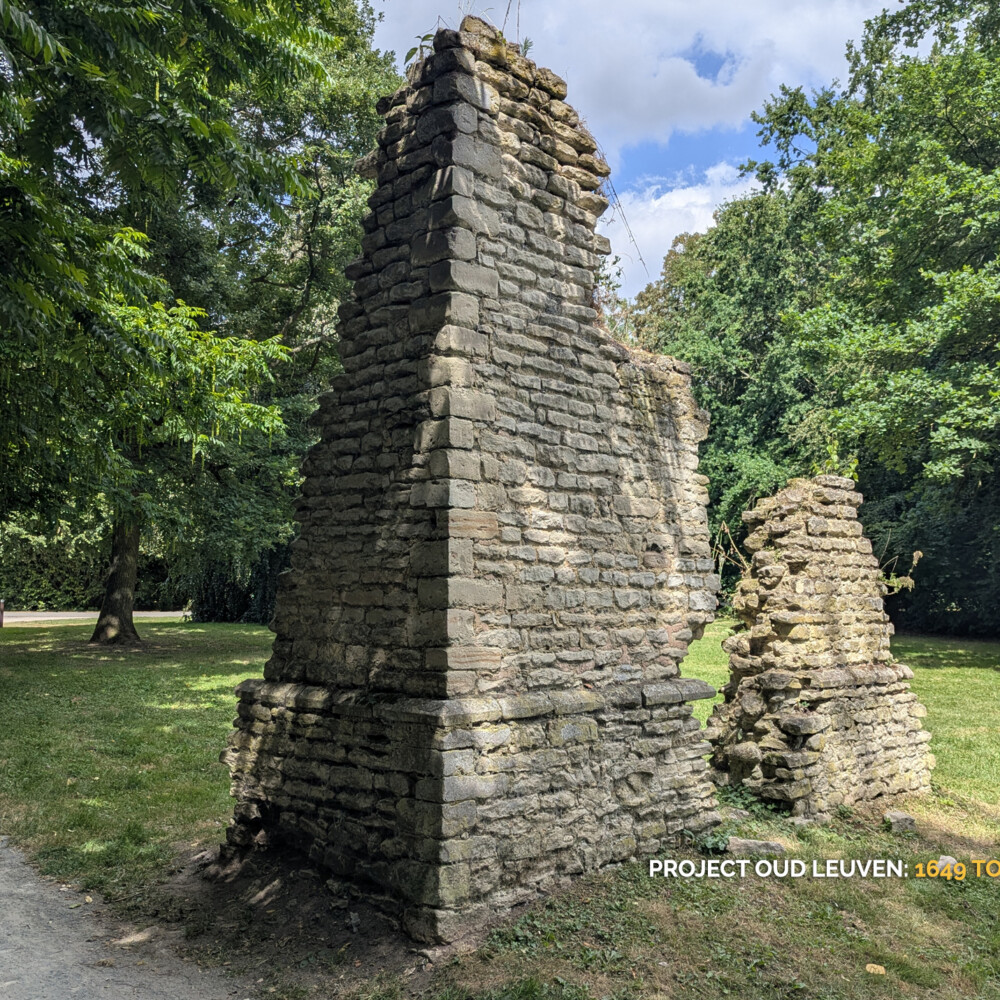
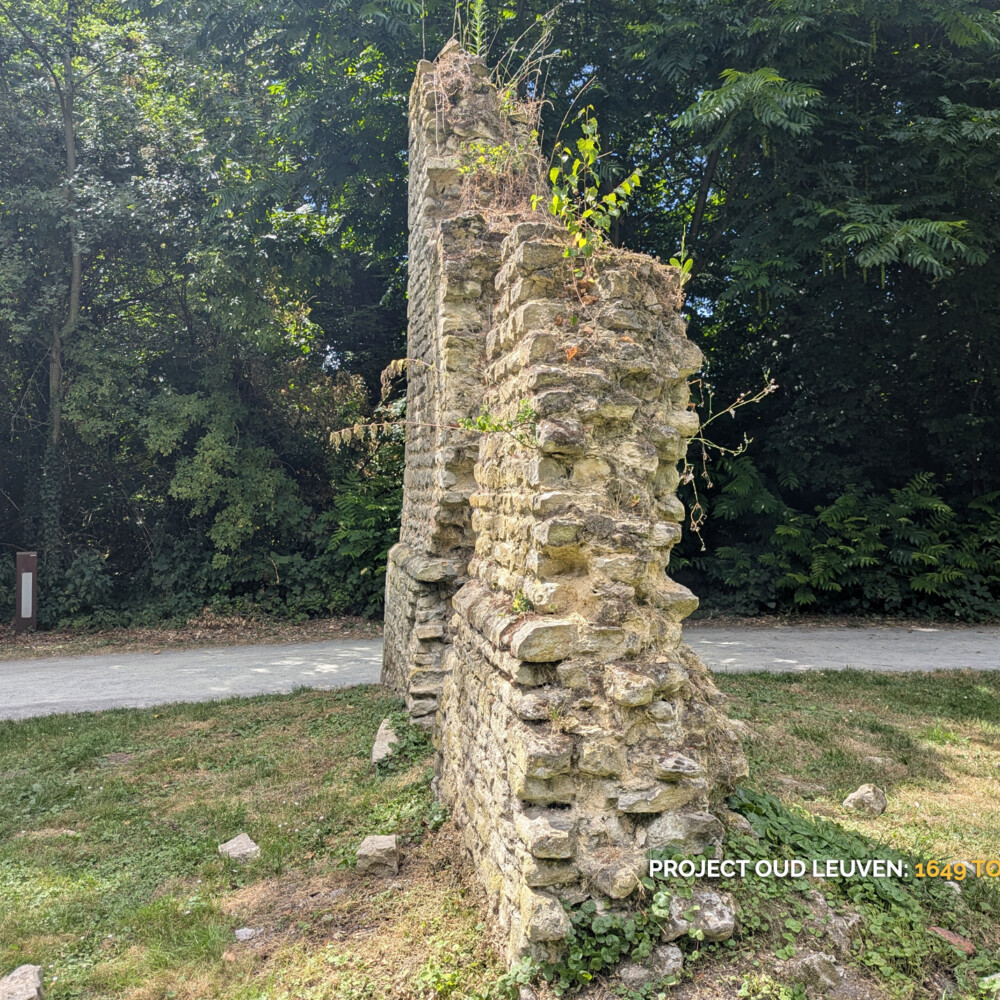
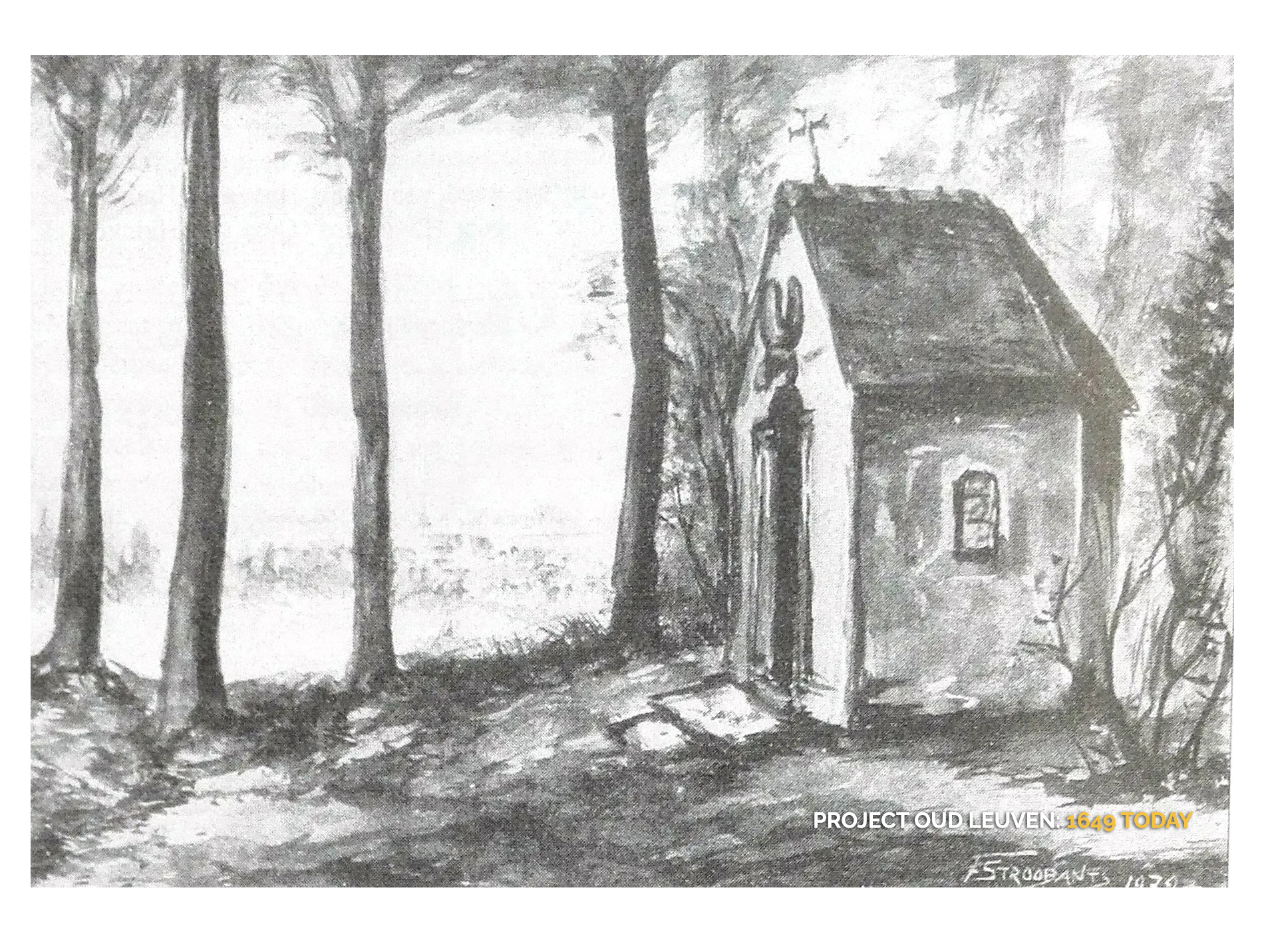
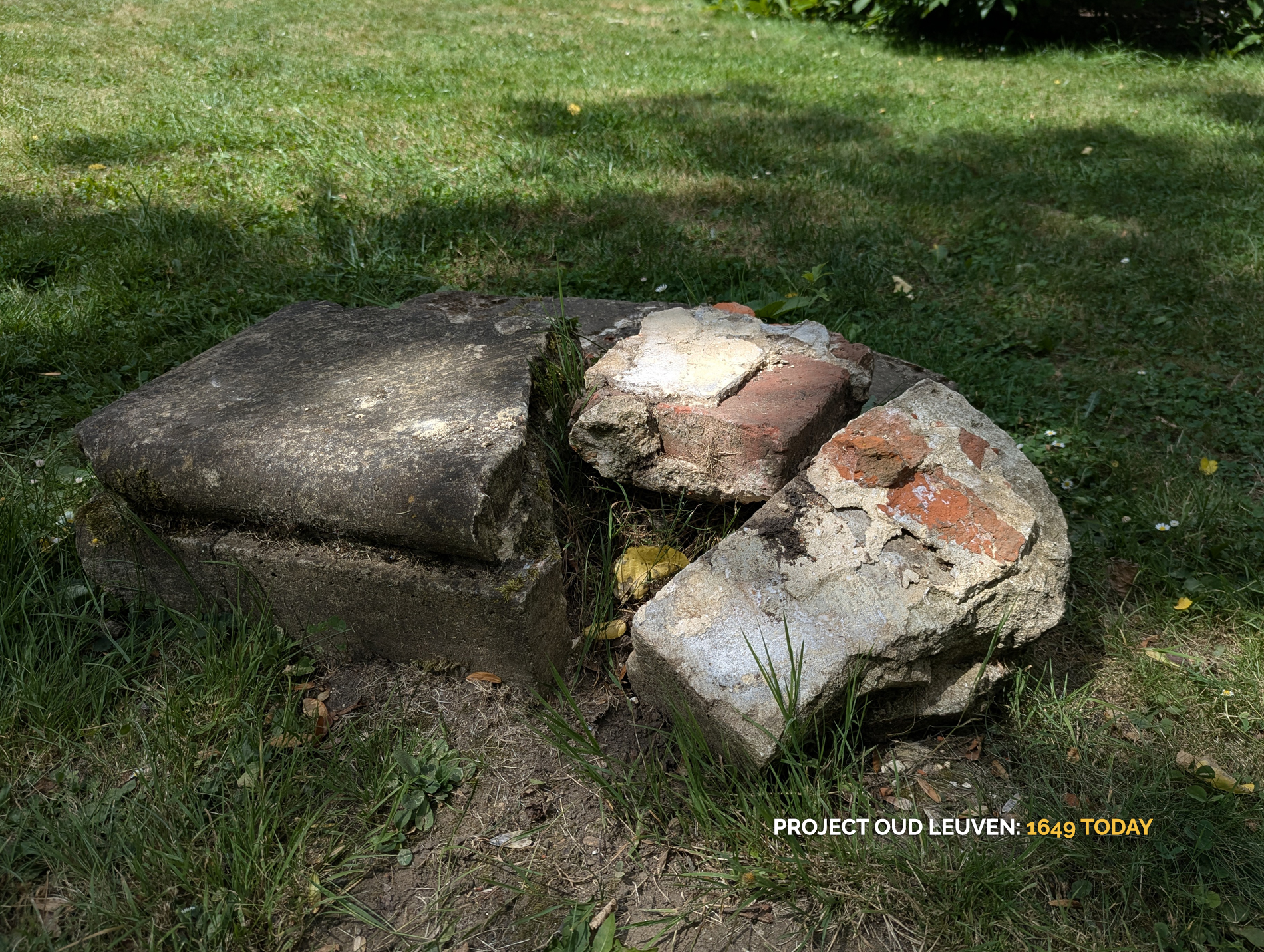
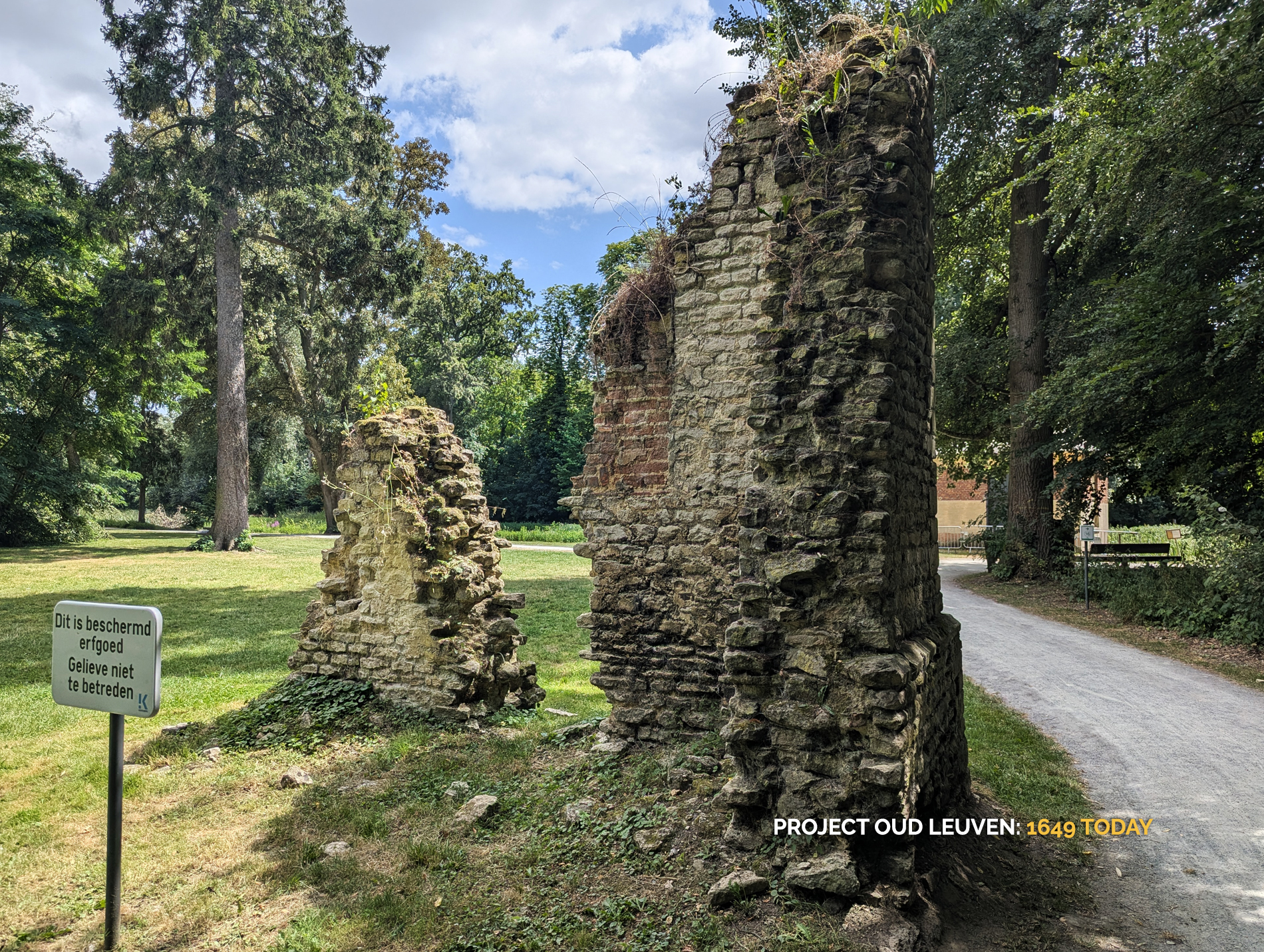
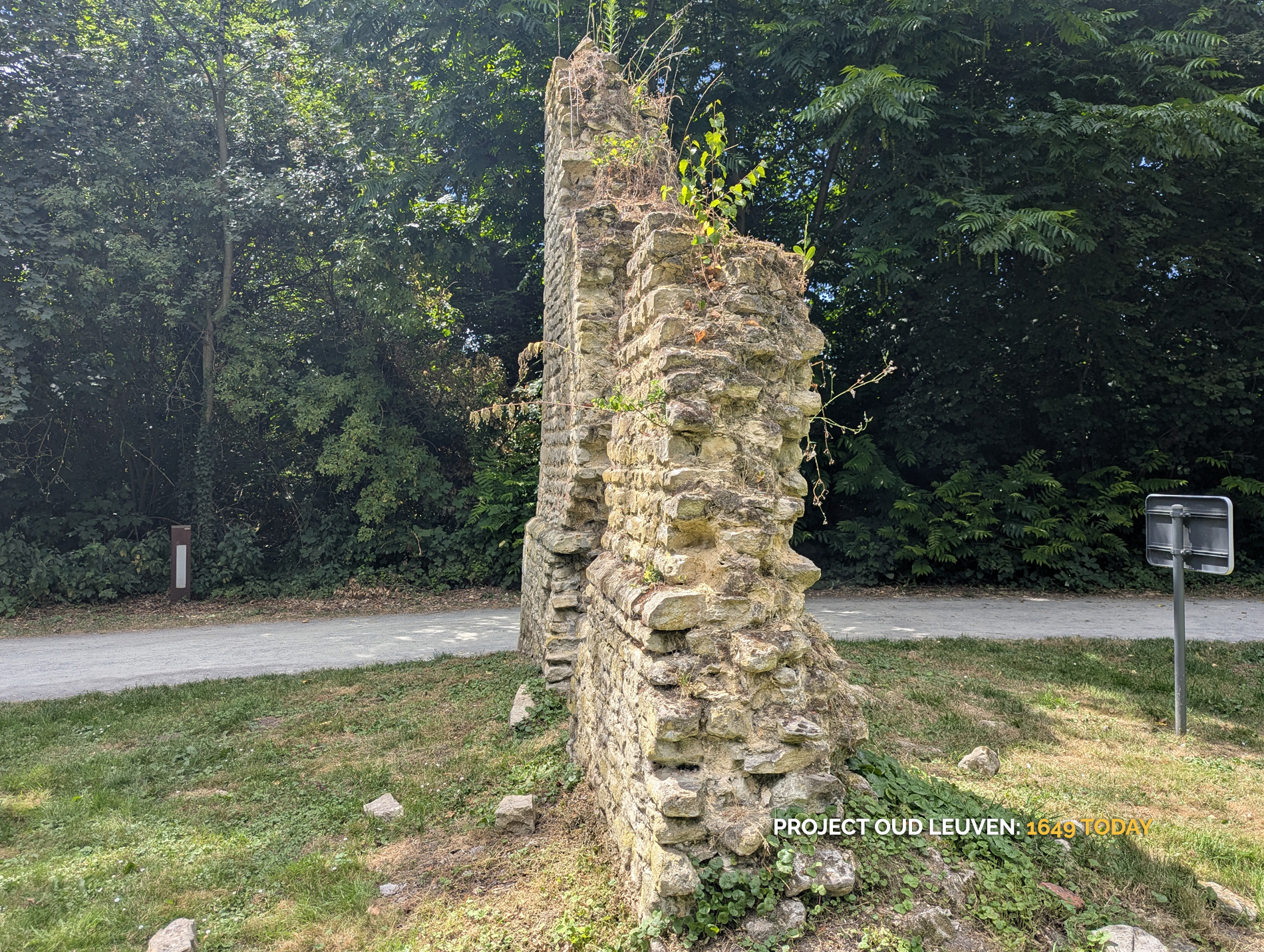
From the various drawings, such as the one from 1707 by Josse De Deken from the Map Book (kaartboek) of the Sint-Jansgasthuis in Brussels, the 1873 drawing by Jozef Linnig, the Romanesque hill church and its ancient cemetery were in good shape until the move in 1771. The site was broken down and there were attempted to construct a chapel to commemorate this holy spot founded by Duva. You can see the chapel in a sketch by Felix Stroobants of 1879. Likewise, this chapel is today in ruins.
As the name Kortenberg is now that of the town by the main road and of the whole municipality, the original hill occupied by the mystic Duva is now called the Eikelenberg (Oak Hill).
Sources:
Boonen, Willem. (1593-1594) “Geschiedenis van Leuven” Leuven.
Lipsius, J. (1610) “Justi Lipsi Lovanium” Leuven.
Van Even, E. (1860) “Louvain monumental ou Description historique et artistique de tous les édifices civils et religieux de la dite ville.” Leuven: Leuven University Press.
Van Even, E. (1895) “Louvain dans le passé et dans le présent.” Leuven: Leuven University Press.
De Maesschalck, E. (2024) “De Hertogen van Brabant 640 – 1430” Gorredijk: Sterck & De Vreese.
https://inventaris.onroerenderfgoed.be/erfgoedobjecten/43354
https://nl.wikipedia.org/wiki/Abdij_van_Kortenberg
https://www.oudeabdijkortenberg.be/
https://kortenberg.gonevis.com/de-oude-abdij-van-kortenberg/
https://medium.com/@christiaanjanssens/de-oude-bergkerk-van-kortenberg-67a2a7569c58
https://nl.wikipedia.org/wiki/Keure_van_Kortenberg
https://kortenberg.gonevis.com/het-charter-van-kortenberg/
https://historiek.net/charter-van-kortenberg-1312-keure-jan-ii/136707/
https://www.kortenberg.be/charter-historiek
https://www.vrt.be/vrtnws/nl/2012/09/25/de_volledige_tekstvanhetchartervankortenberg-1-1439728/
Abdij van Kortenberg:
- Walcher. (1095) “Deed of recognition of the reclusae of Kortenberg (front)” Leuven: Stadsarchief (image)
- Walcher. (1095) “Deed of recognition of the reclusae of Kortenberg (back)” Leuven: Stadsarchief (image)
- Sanderus, A. (1726-1727) “ABBATIA DE CORTENBERG ORDINIS STI. BENEDICTI.” in “Chorographia Sacra Brabantiae” Brussels/’s Gravenhage: Christiaan Van Lom (image)
- Sanderus, A. (1726-1727) “ABBATIA DE CORTENBERG ORDINIS STI. BENEDICTI.” in “Chorographia Sacra Brabantiae” Brussels/’s Gravenhage: Christiaan Van Lom (image) – Colourised
- Villaret, J. (1745-1748) “Carte de Villaret” Brussels: Onroerend Erfgoed (image)
- Nivoys, A. (1798) “Abbaye de Cortenberg” Kortenberg (image)
- Unknown. (1910) “Pachthof, abdij van Kortenberg” (image)
- Unknown. (1935) “Abdij van Kortenberg” (image)
- Unknown. (1950s?) “Veehof, abdij van Kortenberg” (image)
- De Deken, J. (1707) “Kaartboek van het Sint-Jansgasthuis te Brussels” Leuven: KADOC (image)
- Linnig, J. (1873) “Kortenberg, Bergkerk” (image)
- Stroobants, F. (1879) “Kapel, Kortenberg” (image)
Charter of Kortenberg:
- Jan II van Brabant. (1312) “Charter van Kortenberg” Leuven: Stadsarchief Leuven (image)
- Jan II van Brabant. (1312) “Charter van Kortenberg” Antwerpen: Felixarchief (image)
- Jan II van Brabant. (1312) “Details of the seals” Brussels: VRT (image)
- van Baerland, Adriaan. (1554?) “Fictitious portrait of Duke Jan II of Brabant” in “Die cronijcke van Brabãt int corte. Dat is die historie der hertoghen van Brabant” (image)
- Gallait, Louis. (1872-1878) “Duke John II of Brabant, as depicted by Louis Gaillat for the hemicycle of the Belgian Senate, holding the Charter of Kortenberg.” Brussels: Senate (image)
HOW IT LOOKS LIKE TODAY
Click on the zoom icon to view the full size.