ABOUT
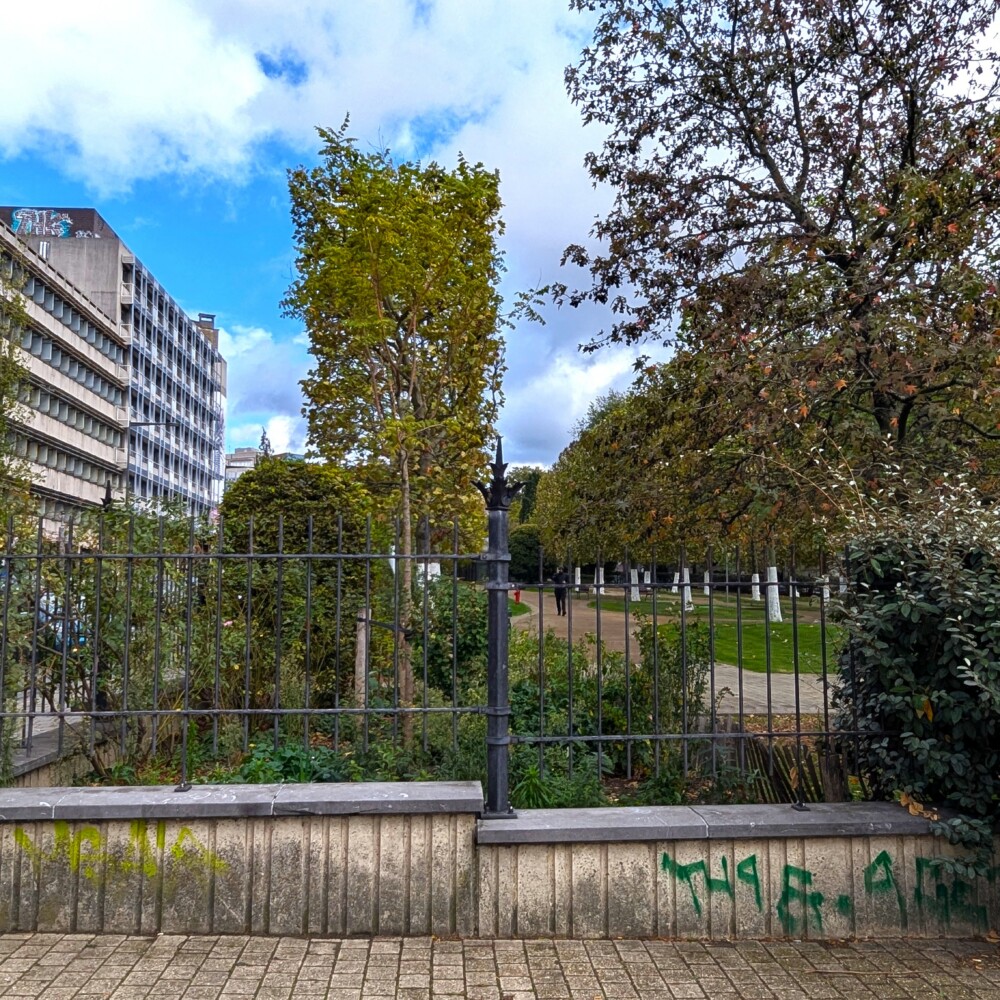
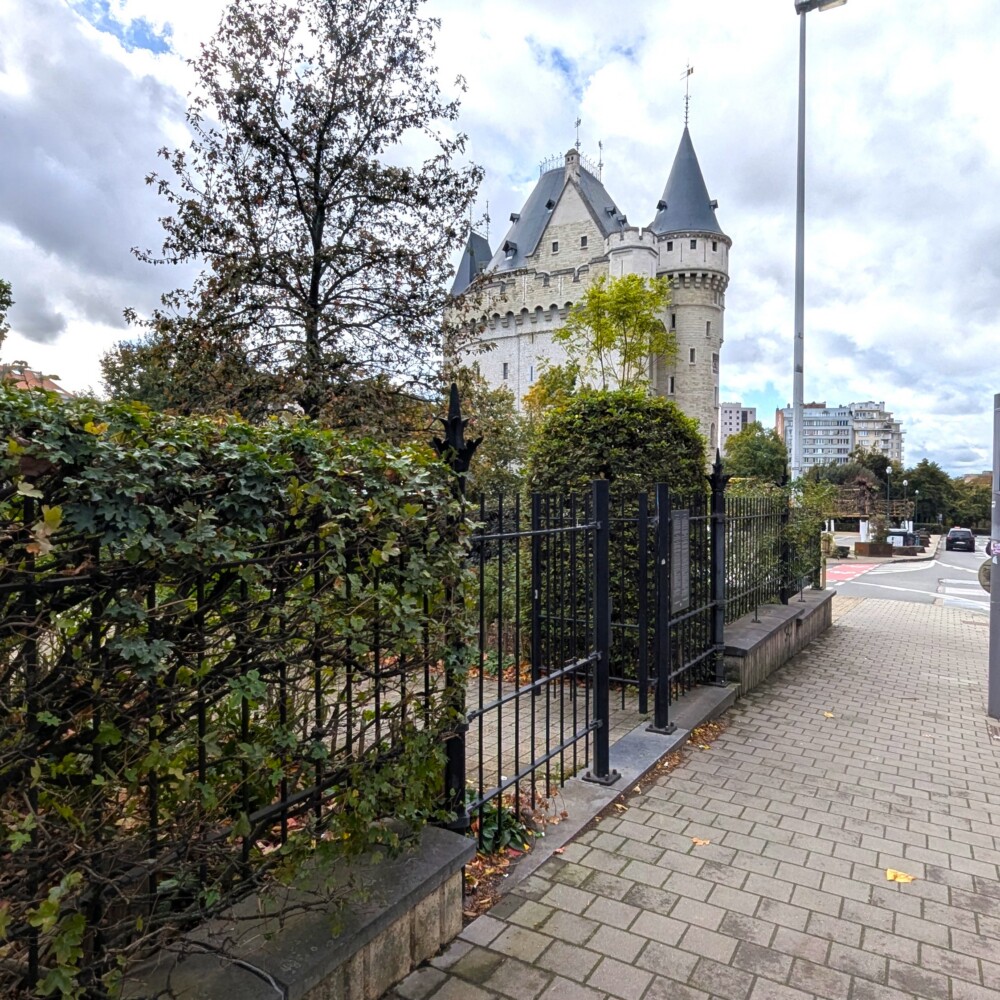
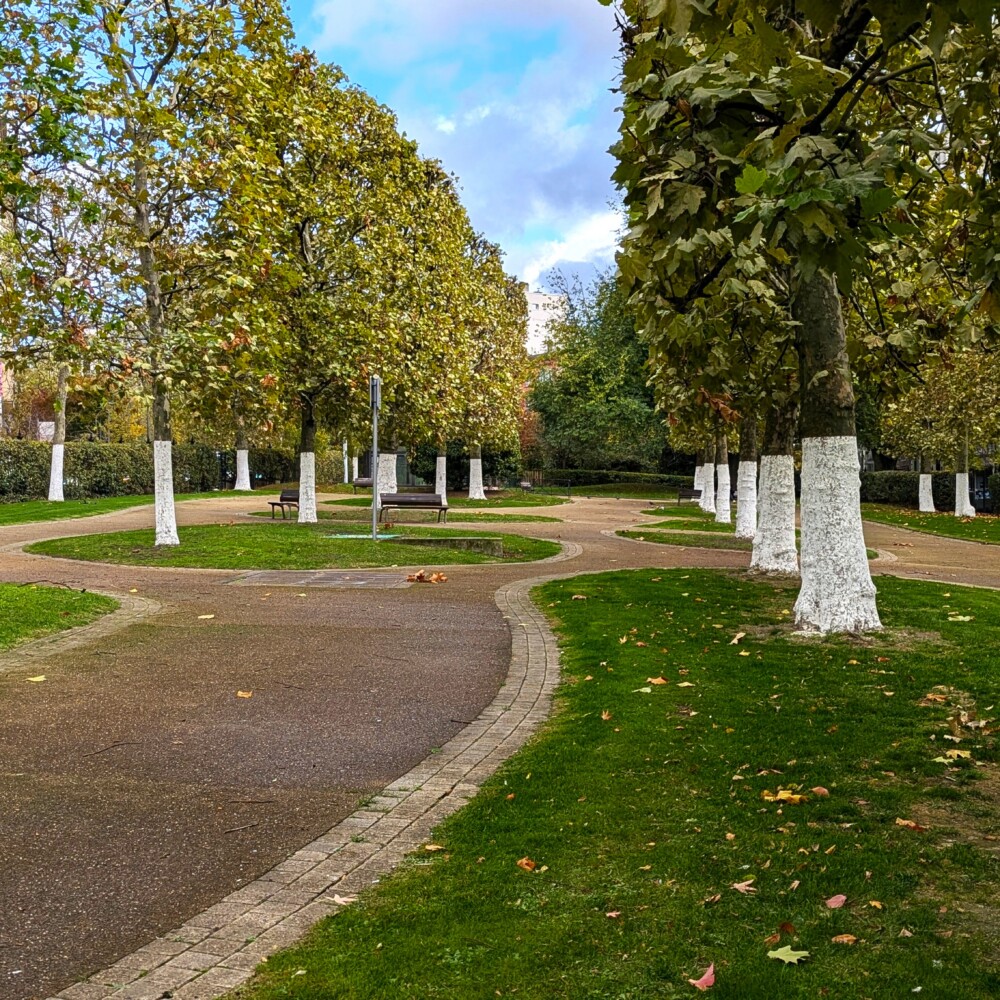
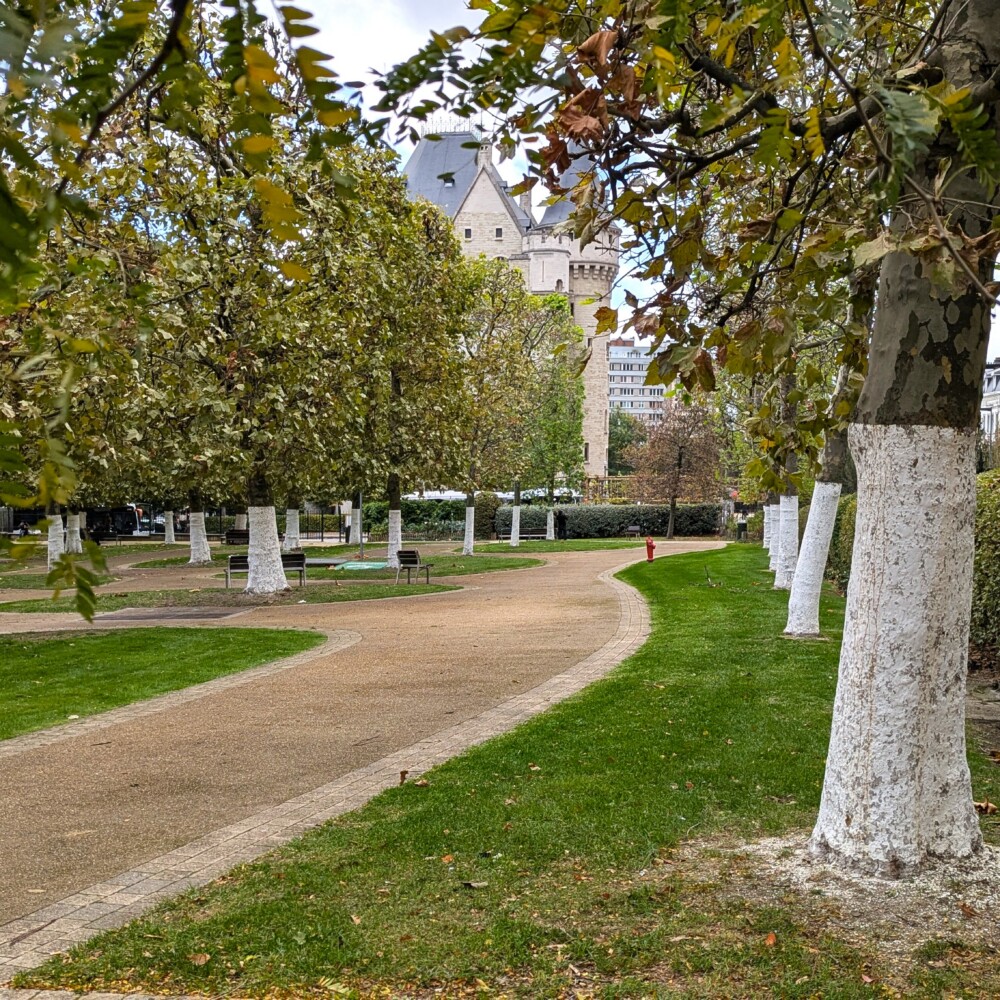
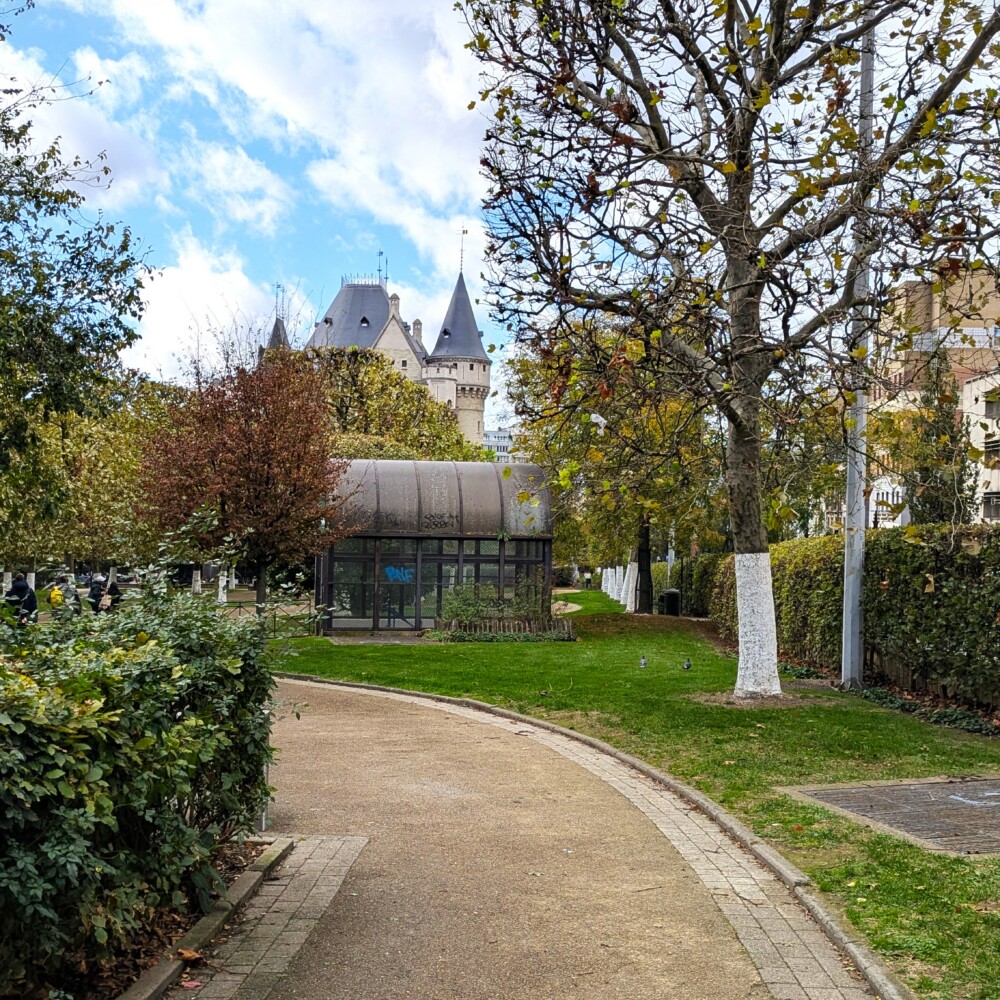
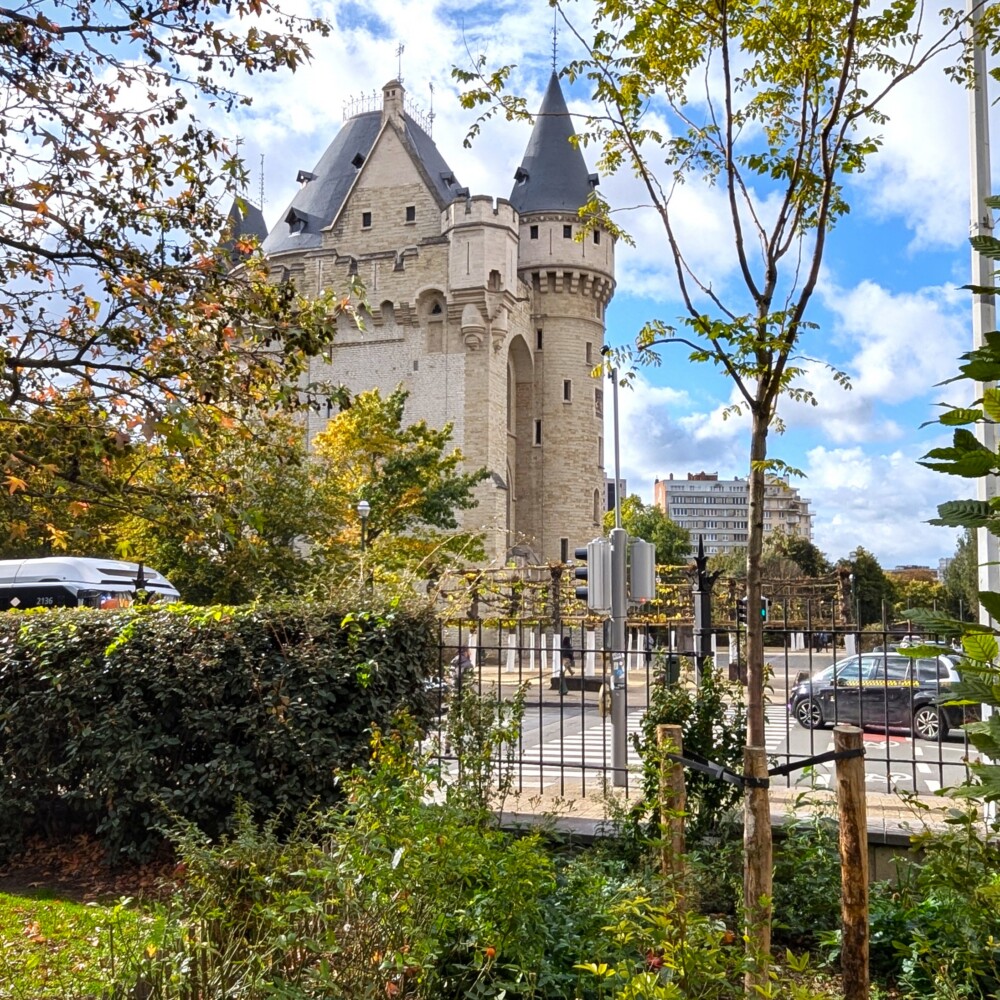
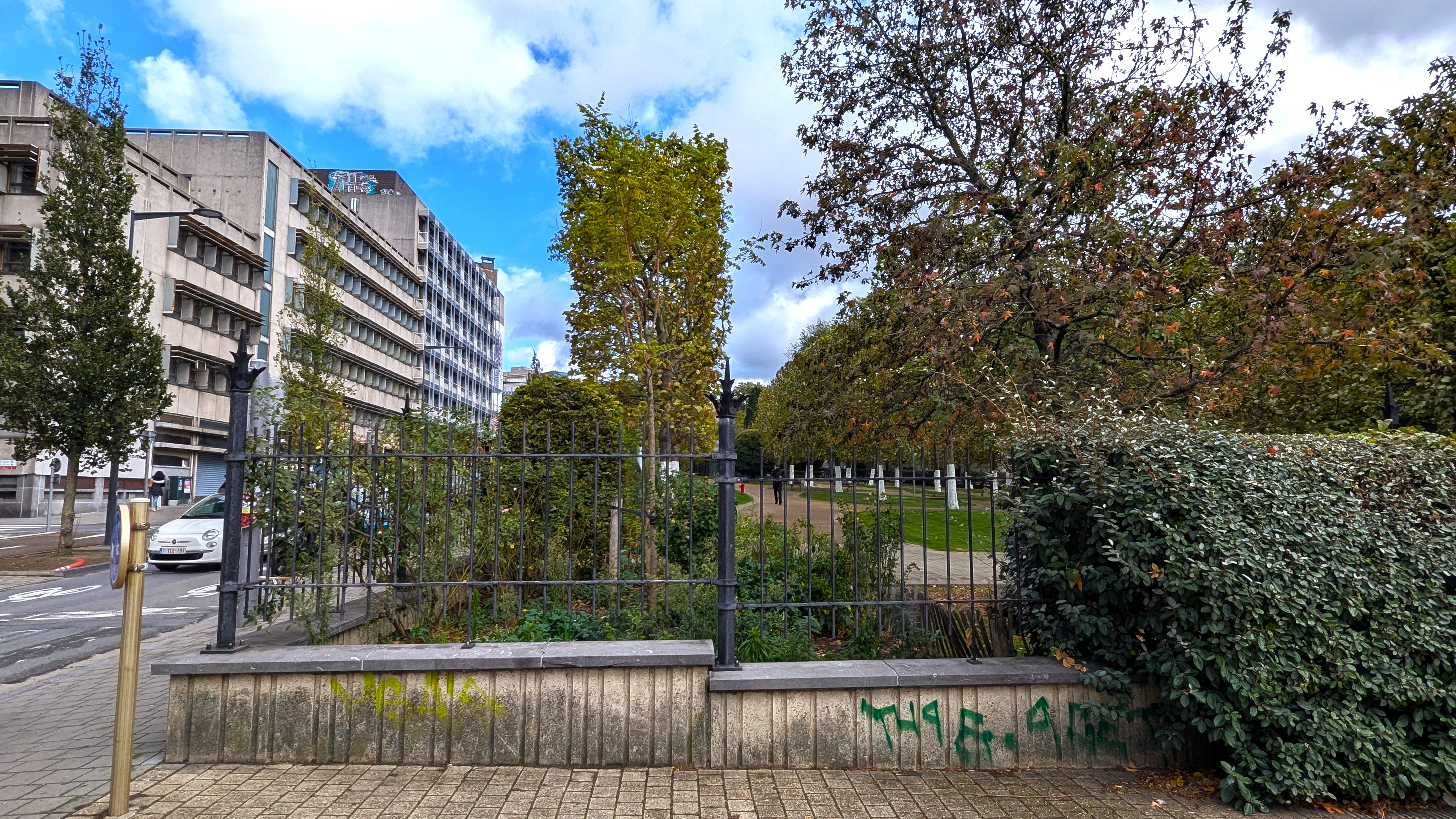
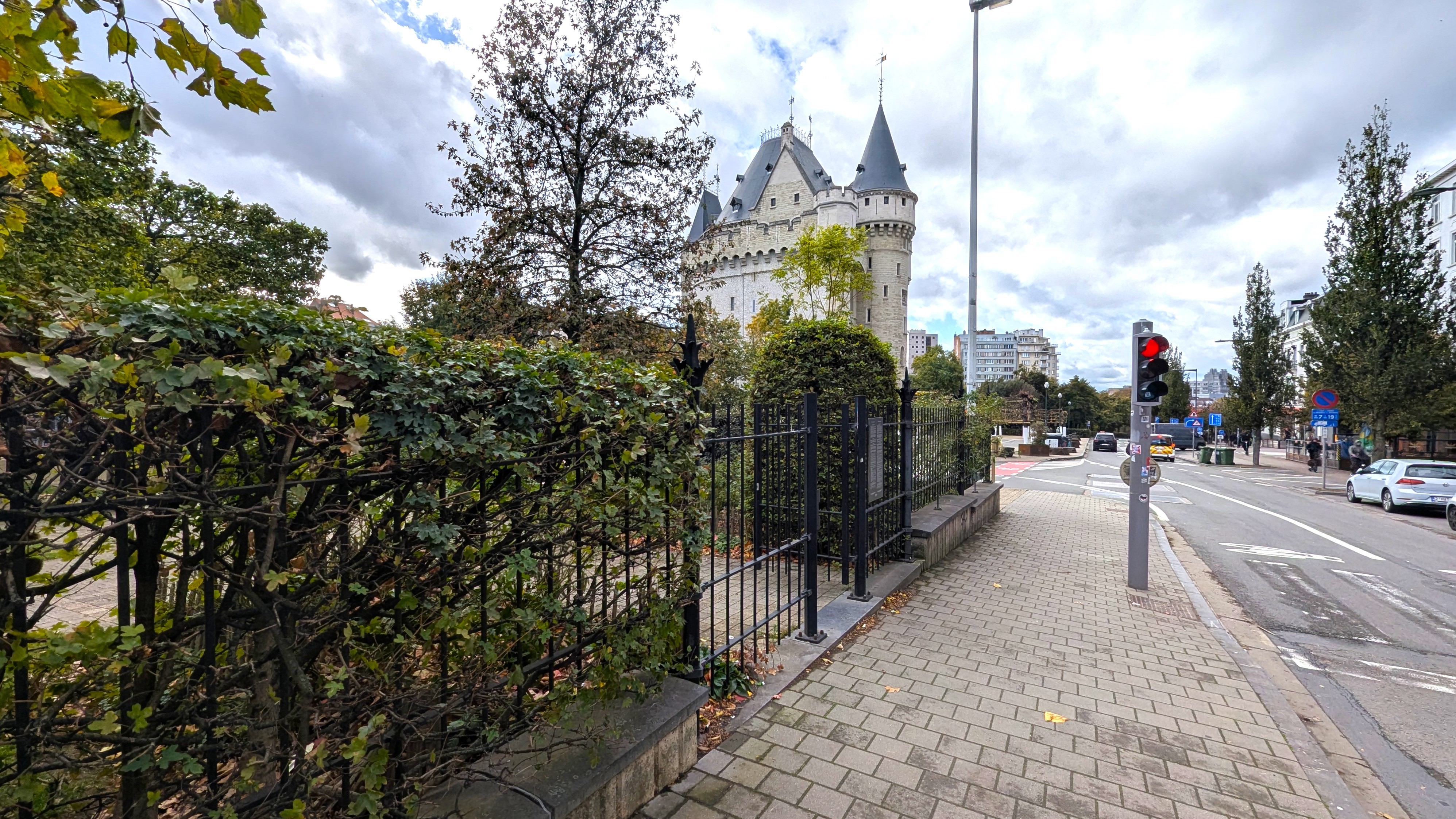
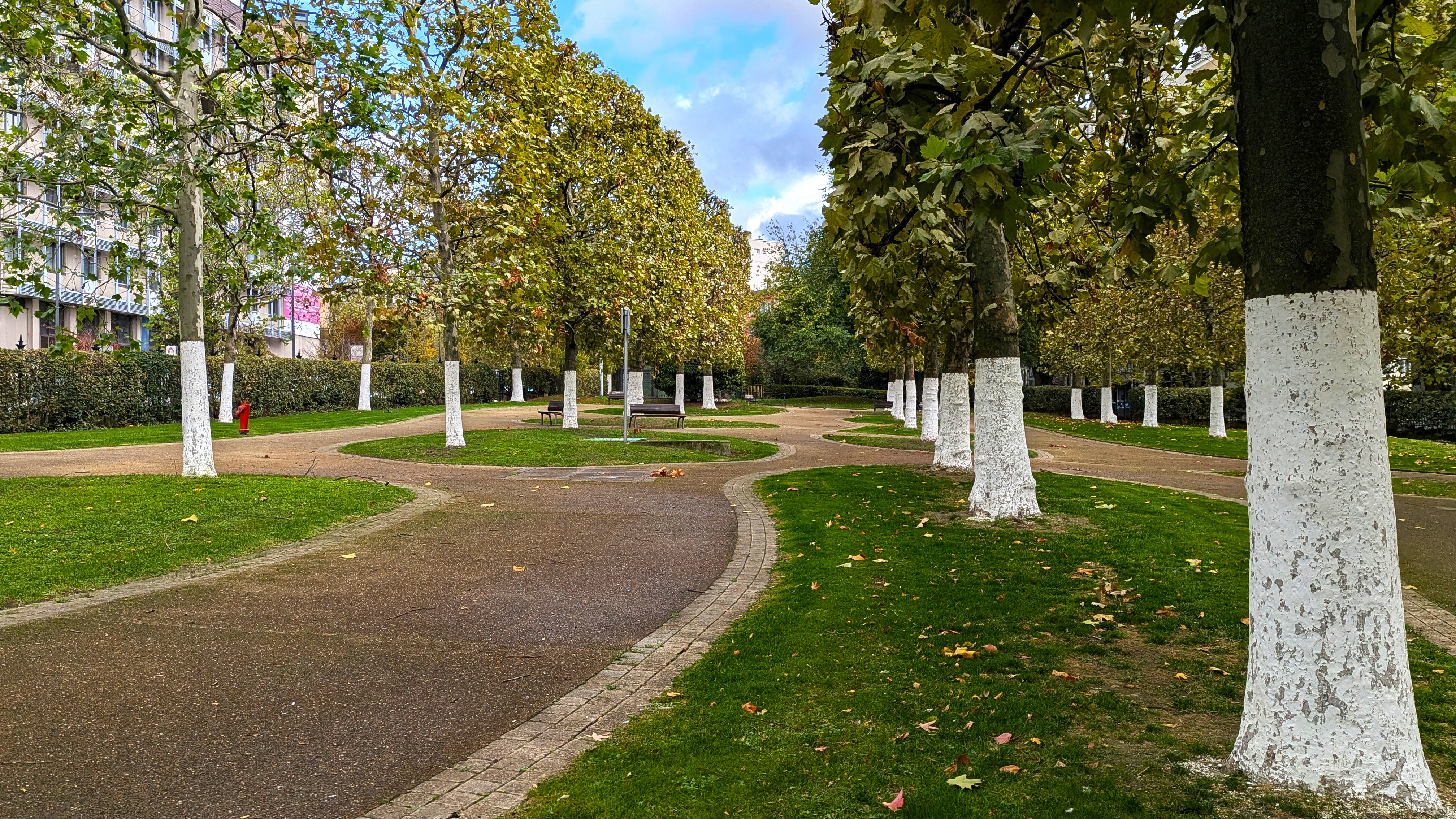
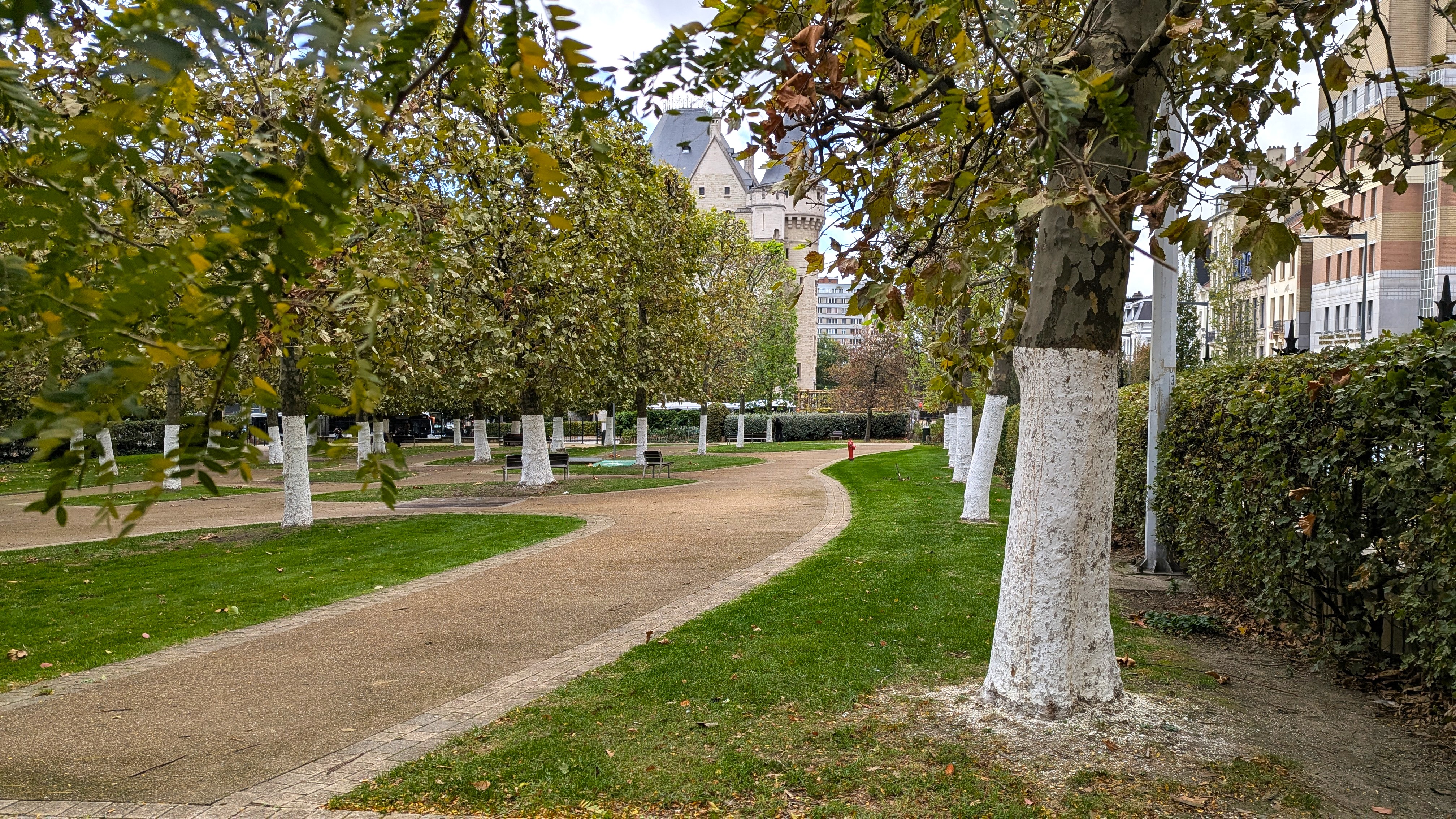
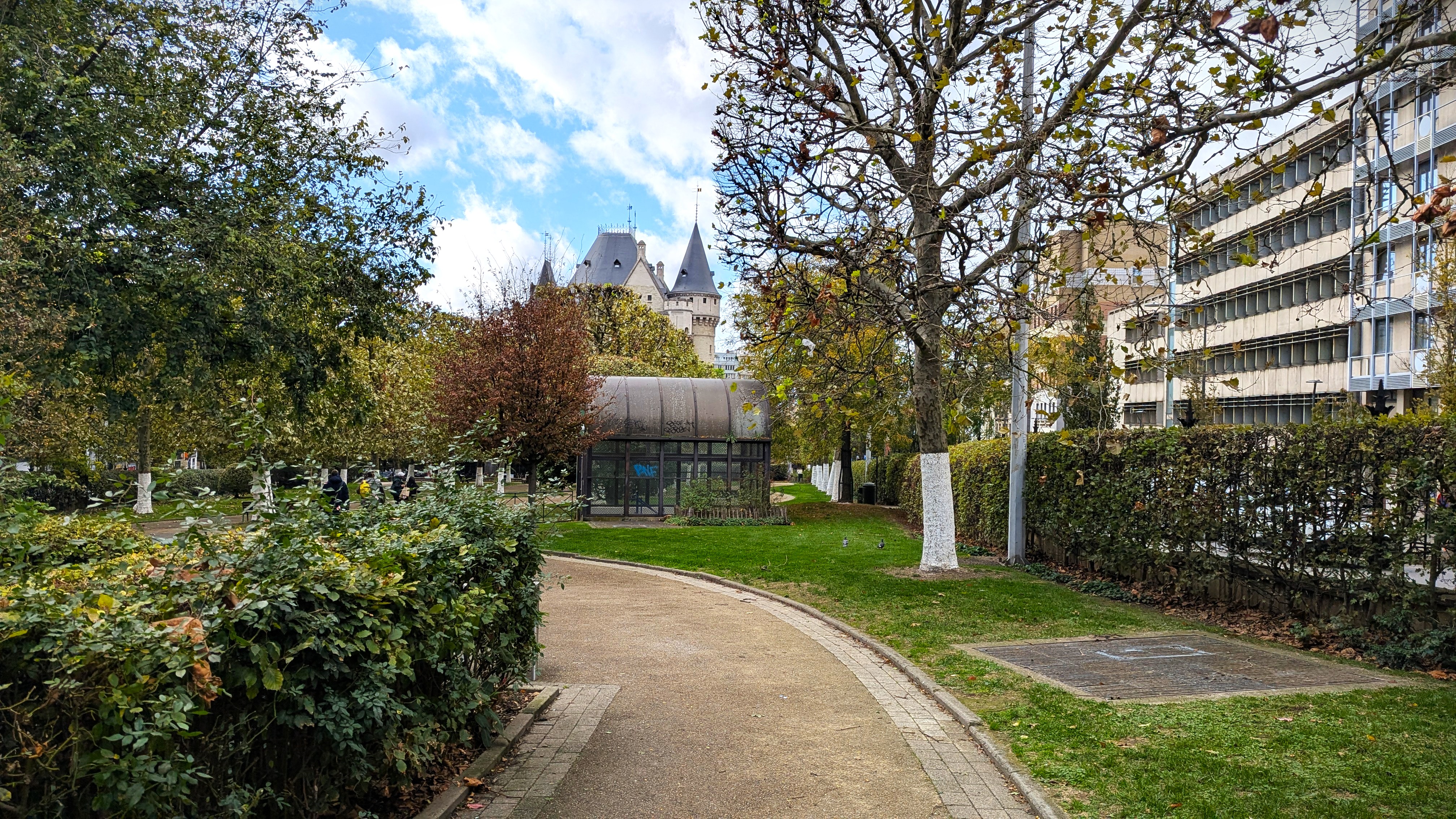
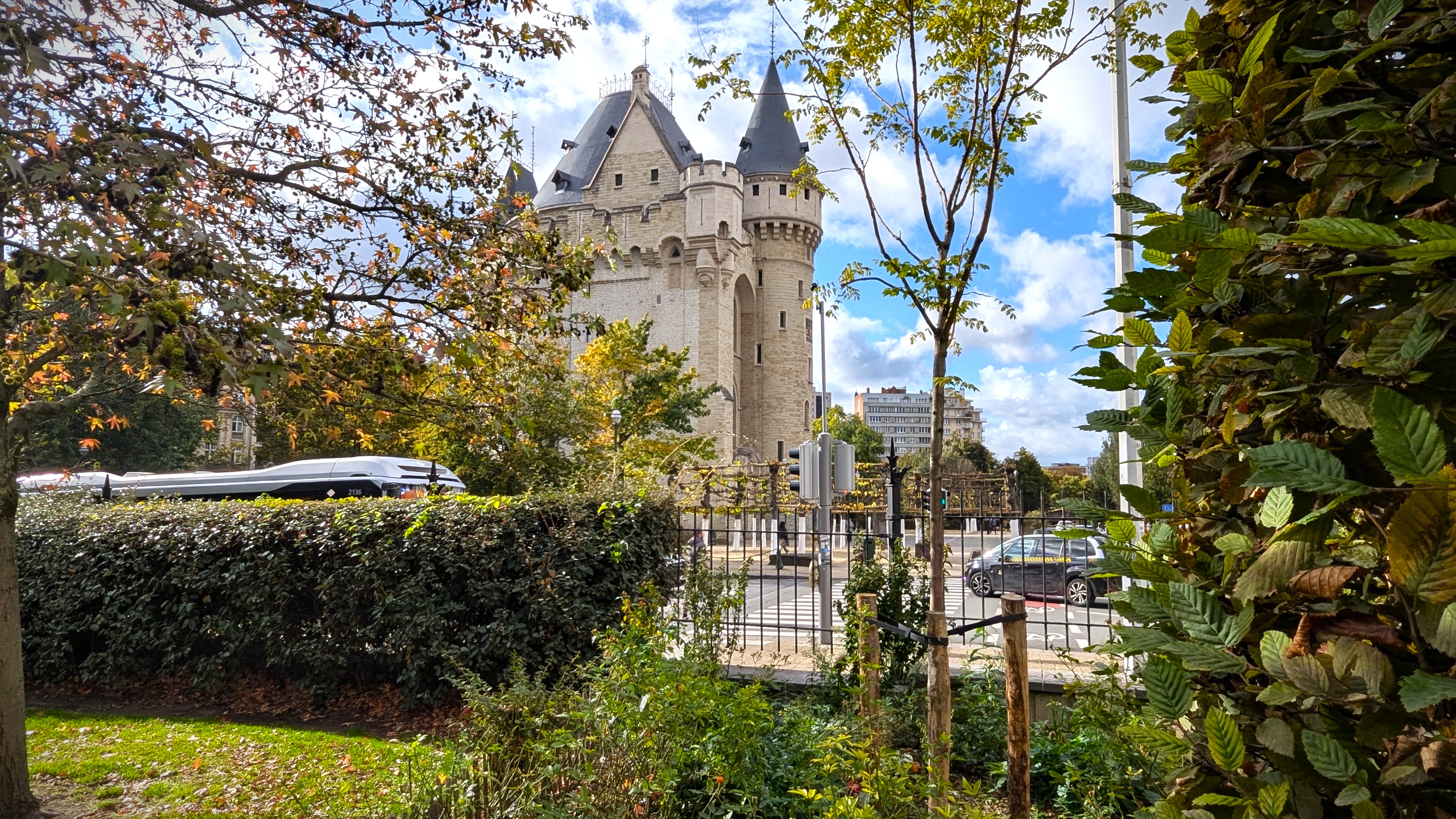
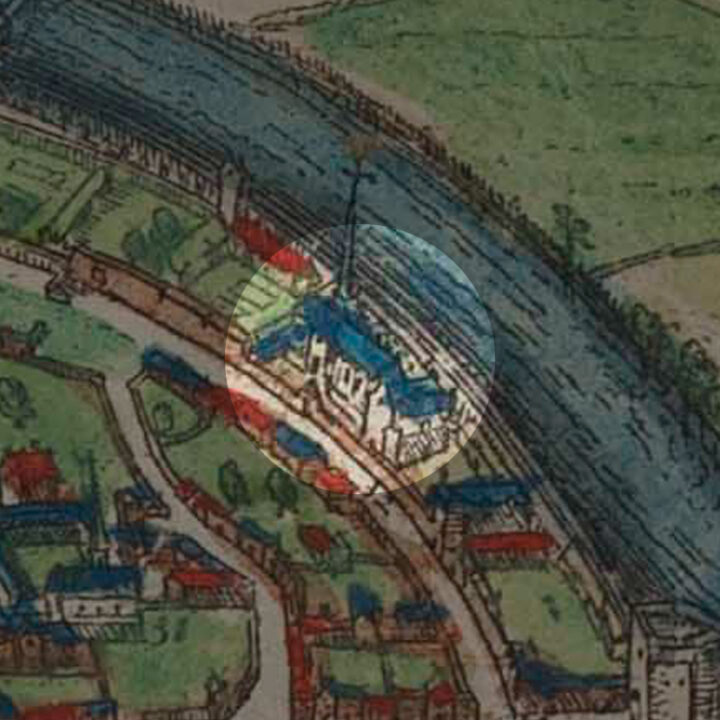
Next to the only surviving outer city gate of Brussels, the ‘Hallepoort’ (Porte de Hal) – which was originally known as the ‘Obbrusselpoort’, was the first location of the Klooster der Rijke Klaren (Convent of the Rich Clares). Established in Brussels in 1343, the Rich Clares only stayed on this site until 1588. Today, the location of the Klooster der Rijke Klaren must be around the Waterloolaan (Boulevard de Waterloo) and in the park east of the Hallepoort.
Origin
1343: The “Rich” Clares arrived in Brussels
Like the original “Poor” Clares, the Rich Clares were part of the Order of Saint Clare.
Founded in 1212 by Saint Clare of Assisi and Saint Francis of Assisi on Palm Sunday, the Order of Saint Clares was established as the second Franciscan order (following the Order of Friars Minor). They were initially called the Order of Poor Ladies and later housed at the Chapel of San Damiano, where Clare served as abbess. Saint Clare also wrote their “Form of Life,” becoming the first woman to write a religious rule approved by a Pope (Pope Innocent IV in 1253).
However, a group of Clares underwent a reform by Pope Urban IV in 1263, and compared to their ‘unreformed’ sisters, they were indeed more well-off as they were free from the vows of poverty.
In Brussels like elsewhere, both branches openly oppose each other. The Rich Clares have first settled in Brussels in 1343, while the Poor Clares came later around 1503 in today’s Vander Elststraat (Rue Vander Elst).
The Rich Clares became known as the “Urbanisten” after Pope Urban IV while the Poor Clares the “Grauwzusters” (Grey Sisters) due to their attire.
What's so special about this place?
At the invitation of a rich donor Willem van Duivenvoorde, the Rich Clares arrived in Brussels to set up their community. A plot of land was around in a remote part of town, east of the Obbrusselpoort (today’s Hallepoort), right opposite the leper colony of Sint-Pieters-ter-Zieken, but still within city limits.
The exact location of the Klooster der Rijke Klaren (Counvent of the Rich Clares) is not known due to the lack of archaeological evidence, but the Rich Clares did not stay here long in this isolated spot close to the lepers.
Who was Willem van Duivenvoorde?
When we speak about the Klooster der Rijke Klaren in Brussels, we definitely need to talk about its founder, Willem van Duivenvoorde.
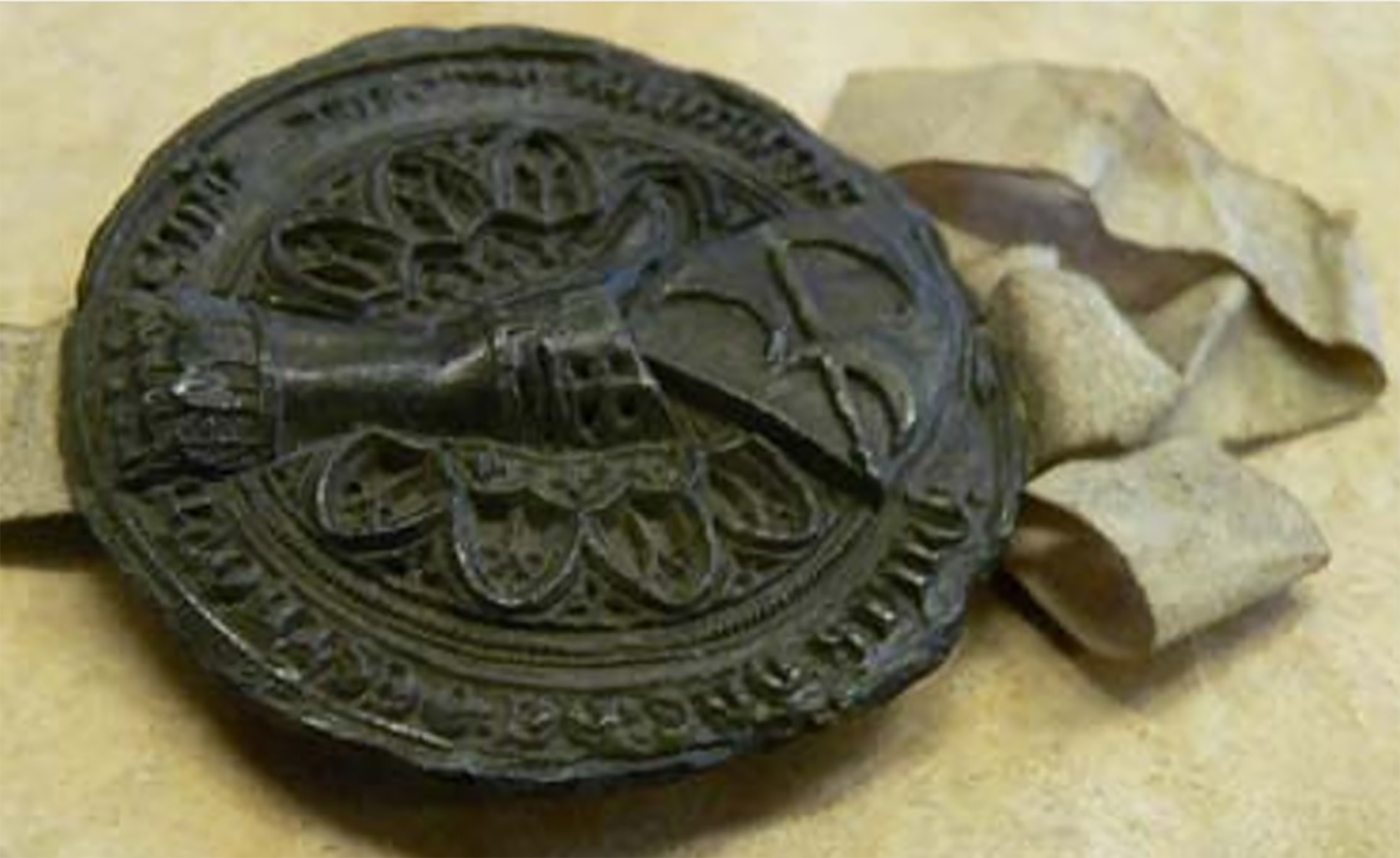
A recognised bastard son of Lord Filips van Duivenvoorde of Polanen and half brother of the later Lord Jan I of Polanen, Willem van Duivenvoorde was a brilliant political strategist born in 1290 in southern Holland. In 1311, Willem van Duivenvoorde became the trusted adviser to Count Willem III of Holland and of Henegouwen (Hainaut), while he also sat on the ducal council of Duke Jan III of Brabant. For his services to Count Willem III he amassed huge wealth and at the same time, he also lent money back to the Count and also to Count of Jülich, the Duke of Brabant, the Archbishop of Cologne, the Bishops of Utrecht and Liège, and the King of England!
Being rich and a major banker of sovereigns have its perk: in 1329, Holy Roman Emperor Louis IV, declared Willem van Duivenvoorde no longer a ‘bastard’.
With Brabant being a formidable Duchy and centre of power in the Holy Roman Empire, Willem van Duivenvoorde spent a substantial amount of time in Brussels, especially in his later years.
Between 1342-1345, he bought a plot of land on the Koudenberg not far from the ducal palace and built a small palace with a private chapel there dedicated to Saint George.
It was during this time, that he donated to the foundation of the Klooster der Rijke Klaren.
Although he was married in 1326 to Helwige/Heilwich, daughter of Lord Zweder II of Vianen, the marriage was childless. Helwige died on 14 February 1351 and Willem van Duivenvoorde followed two years later on 12 August 1353 in his castle in Boutersem just outside the original Brabant capital Leuven. In his will, his properties including his Brussels palace went to his nephew Lord Jan II of Polanen (son of his half-brother Jan I). Because Lords of Polanen were also Lords of De Lek, the palace in Brussels became known as ‘Hof van de Lek‘. Lord Jan II then passed it to his son Jan III, who then passed it to his only daughter Johanna. Johanna then passed it to her husband, Count Engelbrecht I of Nassau-Siegen. Because of his marriage, the Count Engelbrecht I inherited the title of Lord of De Lek, and the city palace became known as ‘Hof van Nassau‘. Their descendant, Lord Willem of Nassau (1533-1584), and of De Lek and Prince of Orange led the Eighty Years’ War (1568–1648) against the mighty Habsburg Empire which led to the split of Protestant and Catholic Netherlands into today’s Netherlands and Belgium. Today, it is the Chapel of Saint George built by Willem van Duivenvoorde that is the only building remained from the Hof van Nassau palace and is incorporated into the Royal National Library of Belgium.
Both Willem van Duivenvoorde and his wife Helwige were buried in the church of Brussels’ Klooster der Rijke Klaren that he had founded.
How did it look like?
Built Against the City Wall
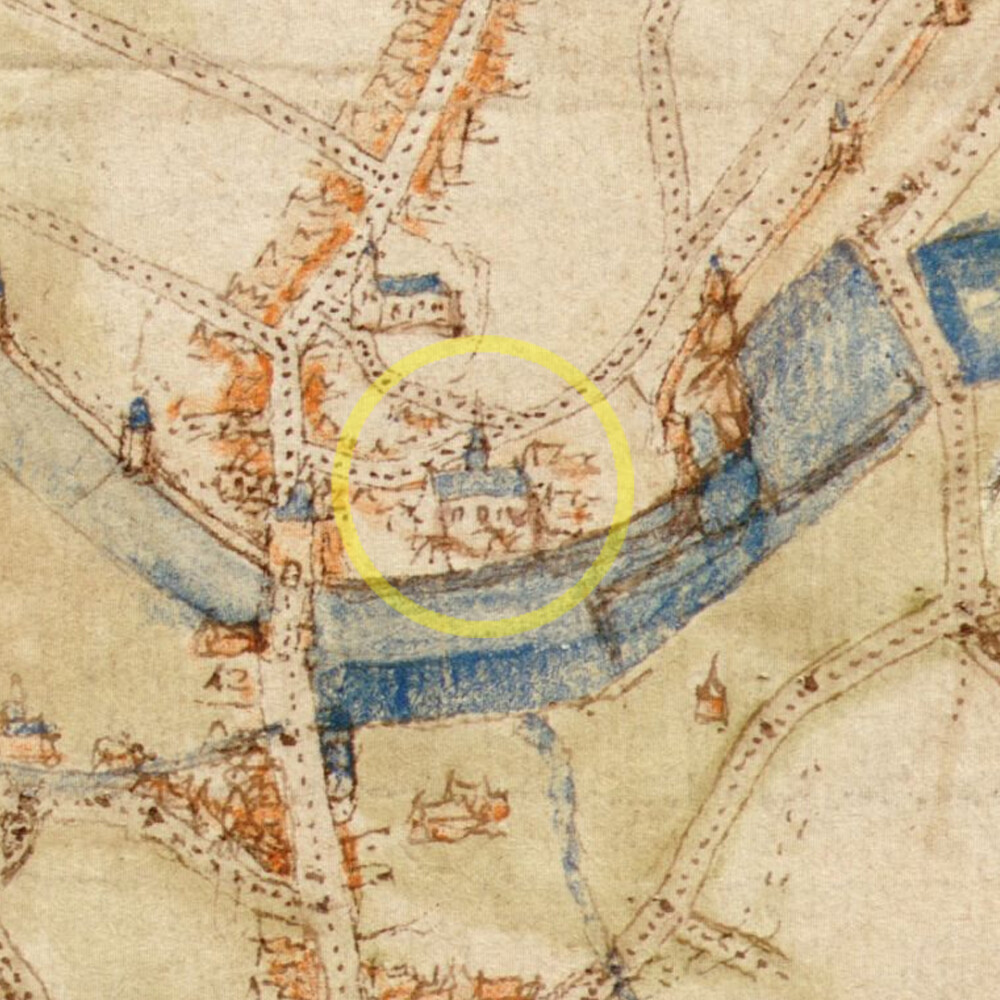
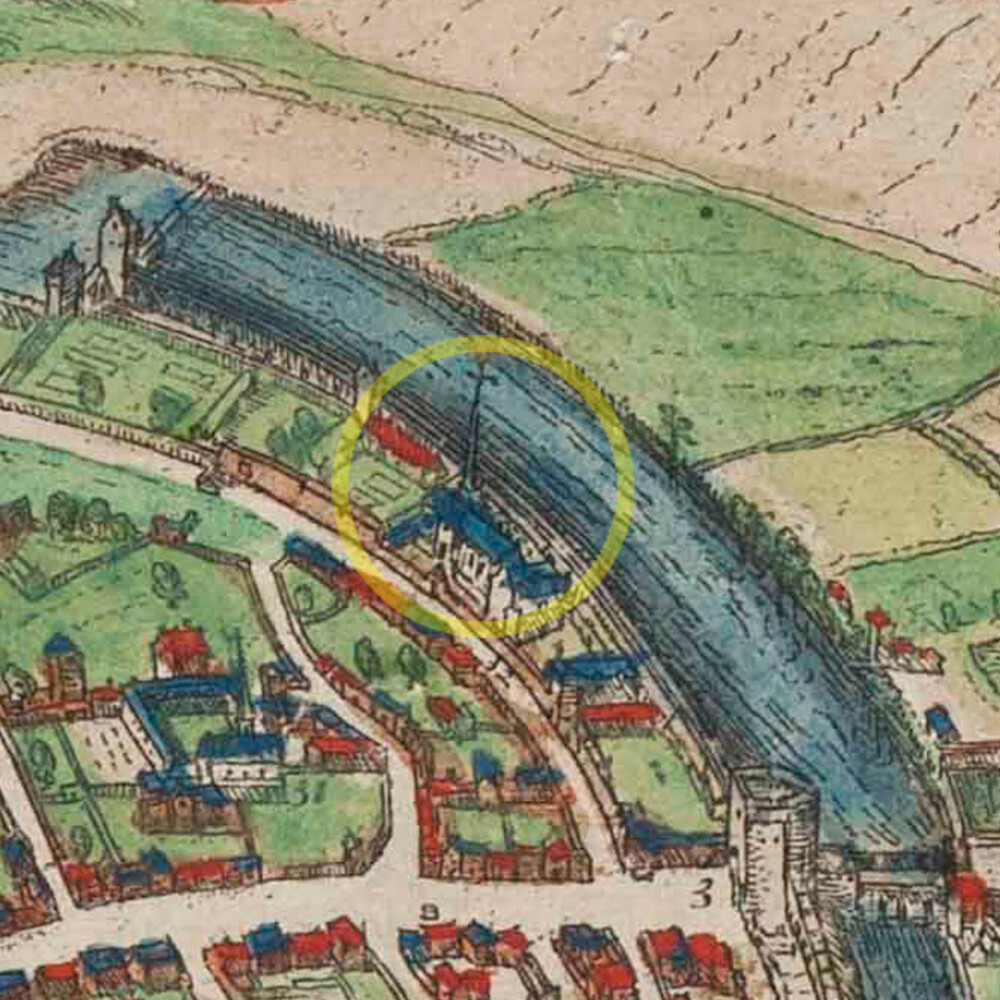
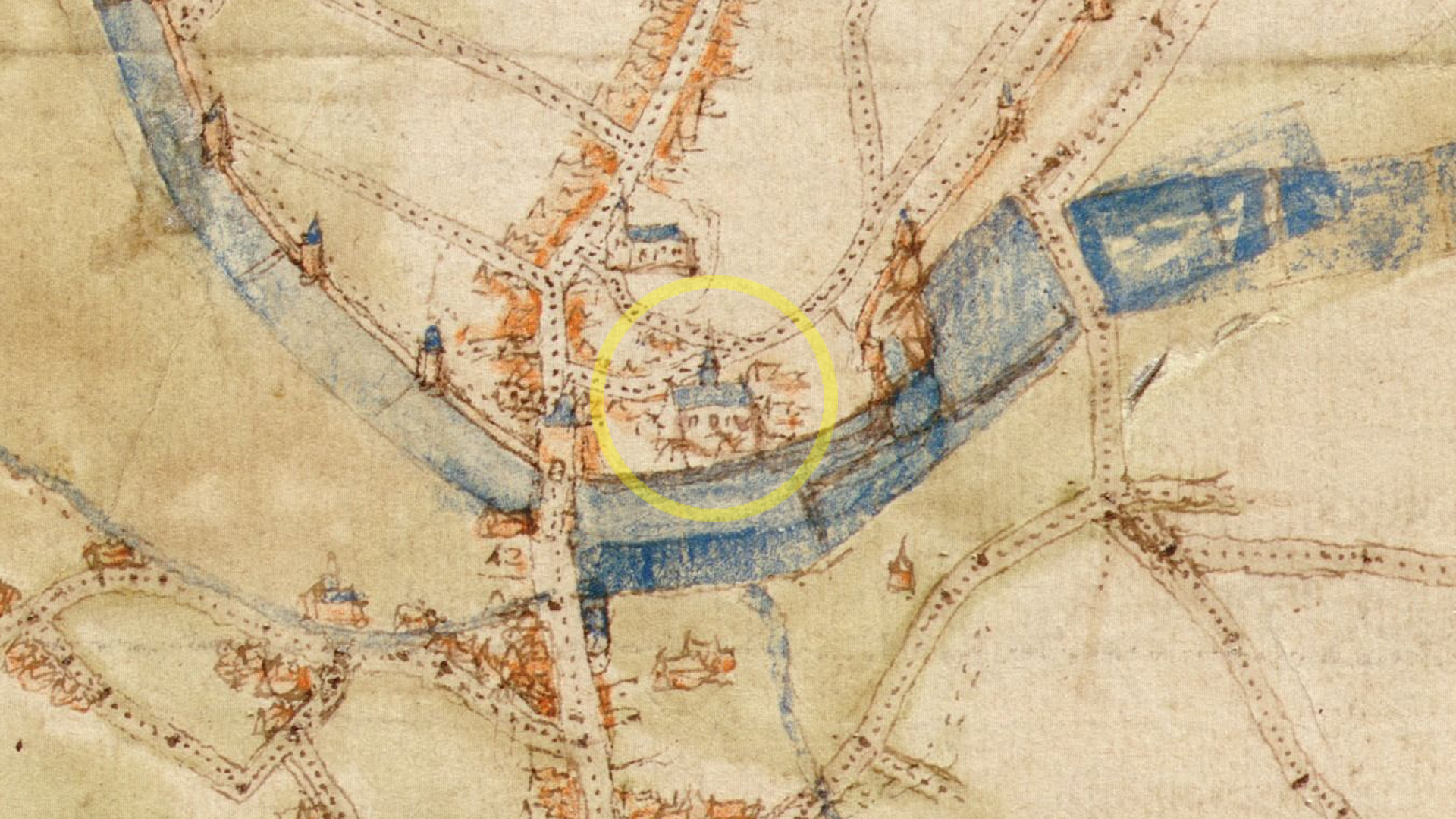
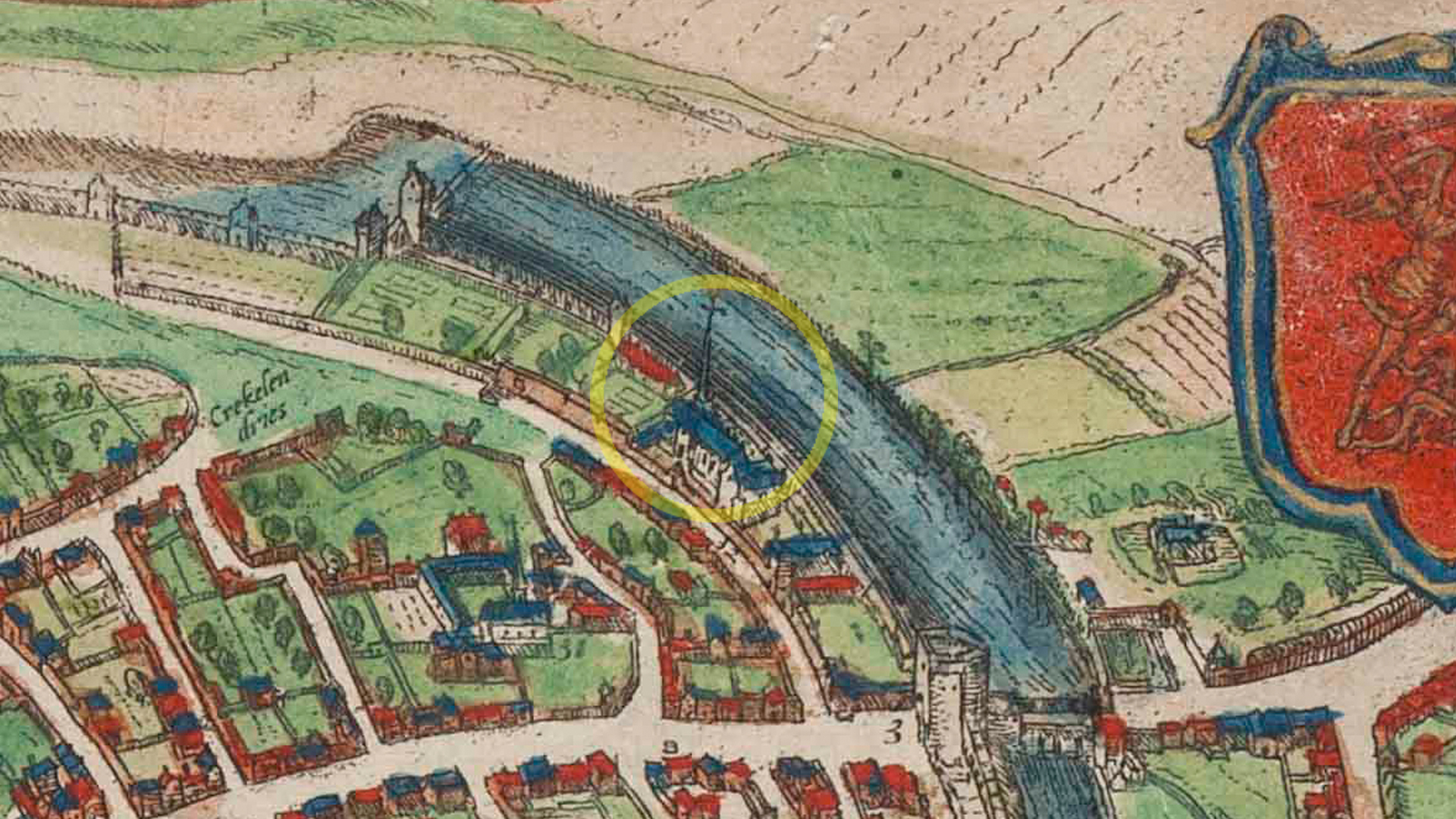
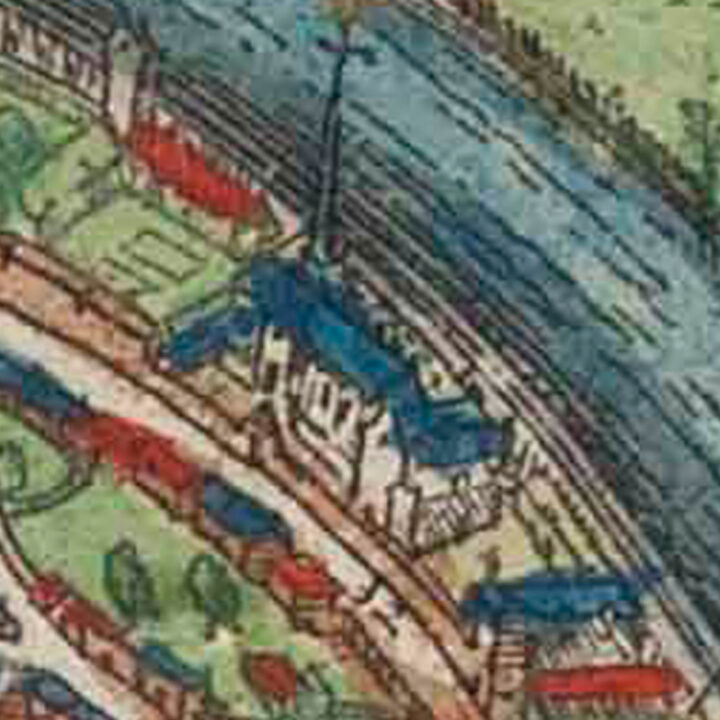
From both the 1555 map of Jacob van Deventer and our 1572 map of Frans Hogenberg and Georg Braun, it is clear that the original Klooster der Rijke Klaren was built against the city wall, close to east of the city gate of Obbrusselpoort.
Both maps show an imposing church building with a towering spire with a cross on top.
But the buildings were completely destroyed in 1578 by the Protestant insurgents under the Brussels Republic (1576-1585), including the tombs of Willem van Duivenvoorde and his wife Helwige. Ironically, the Protestant revolt was led by their descendant Willem of Orange.
It was said that the sisters – however ‘rich’ they were – continued to live amongst the rubbles for a decade until 1588!
1665: The Move Across Town
Life living in the shambles for ten years finally paid off for the Rich Clares. It so happened that in 1587, a terrible accident took place and the fault was placed on the ‘Broeders van het Gemene Leven’ (Brethren of the Common Life). The brothers were immediately evicted from their vast property just outside the ‘Groot-Eiland’ (Great Island).
The property of the Brethren of the Common Life was thus assigned by the city to the Rich Clares, but the dilapidated church and ruinous compound were insufficient for their more well-to-do lifestyle. They started building their new convent by tearing down some of the buildings starting in 1588. The nuns then decided to build a new church, the foundation stone of which was laid on September 1, 1665. They called upon the renowned architect Lucas Faydherbe, a student of Rubens, for this project. He designed a Baroque central structure with a dome. On December 20, 1670, Archbishop of Mechelen Alphonsus of Mons consecrated the place of worship.
1796: The End of the Rich Clares in Brussels
The Rich Clares suffered greatly from the French bombardment of Brussels in 1695. The barely 25-year-old church required thorough restoration. Under the French Occupation, the Rich Clares were expelled from their convent in 1796, like all the Catholic institutions across occupied Low Countries.
The church was used as a military warehouse, and the remaining buildings were sold as national property in 1805. Two new streets were built through the former convent (the current Rijkeklarenstraat and Sint-Kristoffelstraat).
The church was spared and regained its religious function in 1806, this time as a parish church. In the 19th century, the former nunnery church underwent an extension enlargement into a full-fledged nave, giving the floor plan the appearance of a Latin cross. In 1824, a left aisle was added to the north side, and in 1833, a right aisle was added to the south side (by Charles Vander Straeten). During the uprising of September 1, 1830 for Belgian independence, the church was used as a hospital.
On June 15, 1989, a fierce fire broke out, causing extensive damage to the bell tower, the roofs, the dome lantern, and the furnishings. The organs were completely destroyed, and the restoration took ten years (1991-2001). The opportunity was used to conduct excavations.
Current situation
Was there anything left from the original location of the Rich Clares in Brussels?
The church of the Klooster der Rijke Klaren is still standing today, and so are many of their buildings although most of their former properties are now private housing.
The location of their original site by the Hallepoort however remains undiscovered. Judging from the two 16th century maps we now have, the original Klooster der Rijke Klaren is most likely under the Waterloolaan (Boulevard de Waterloo).
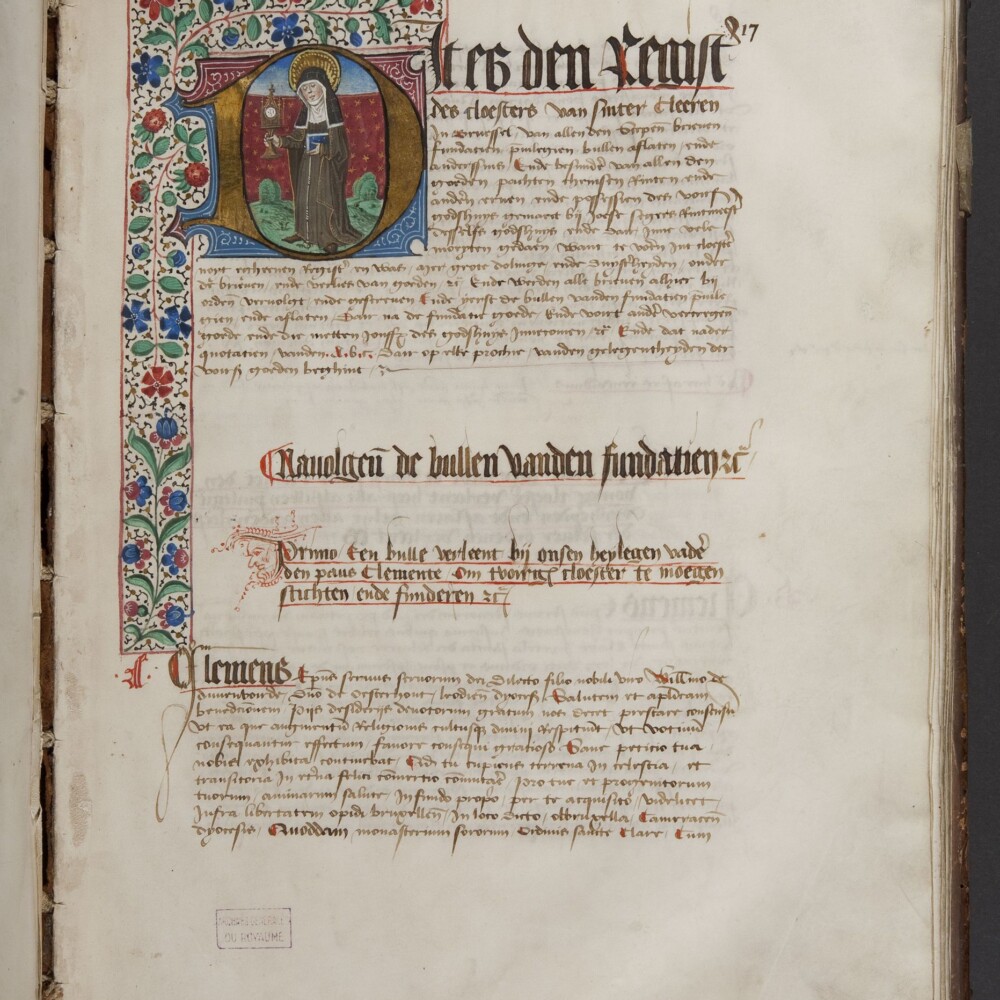
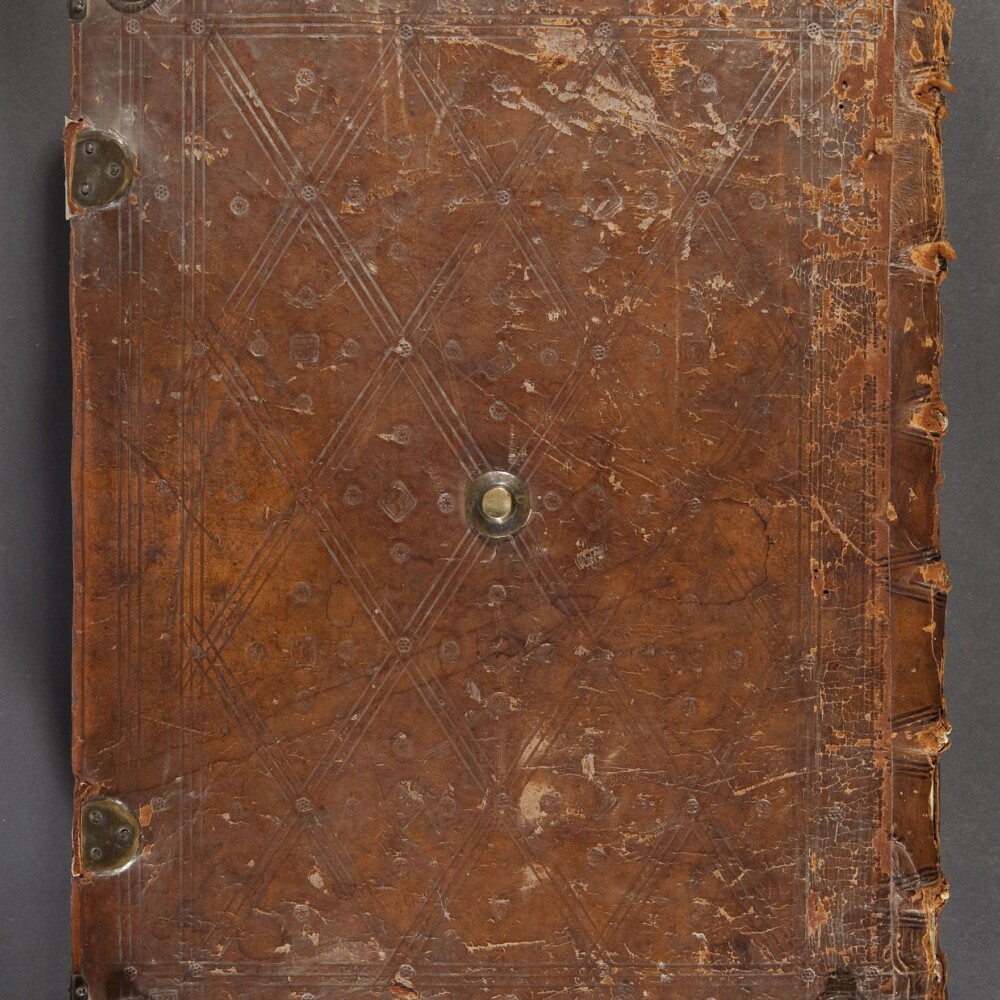
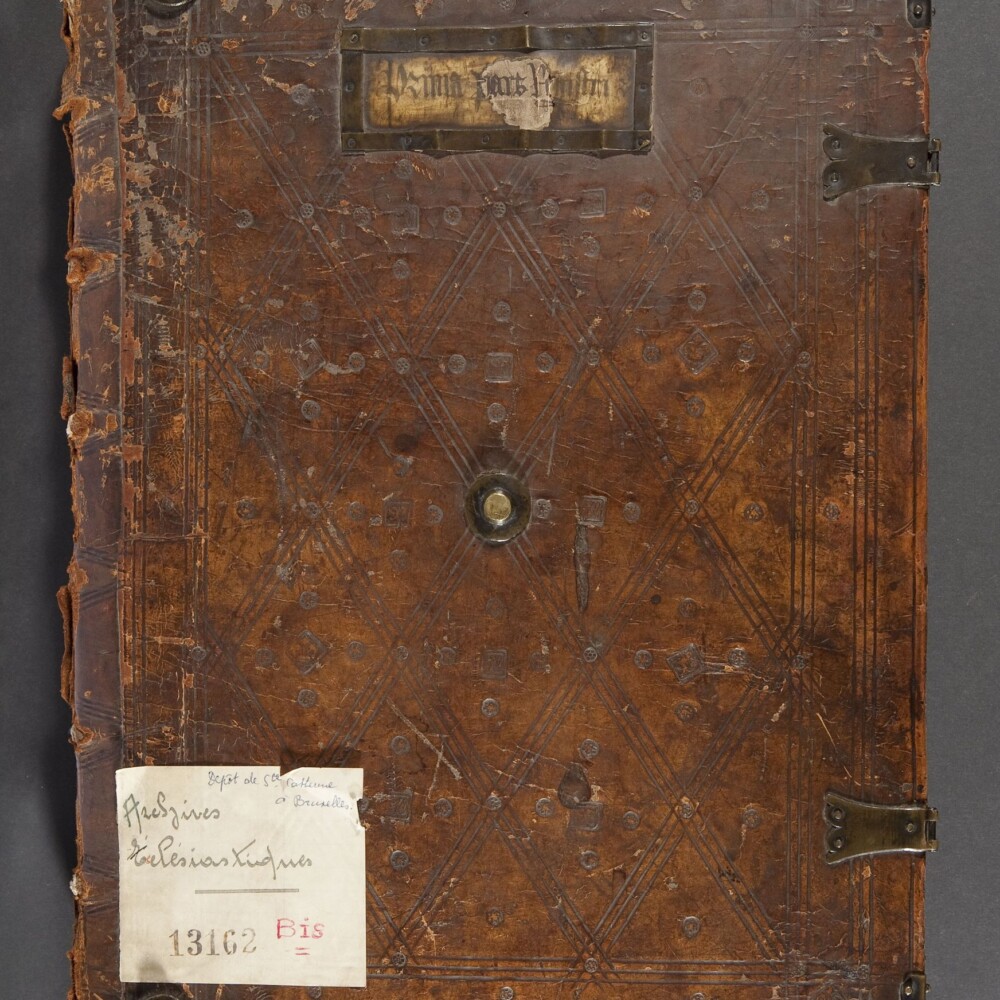
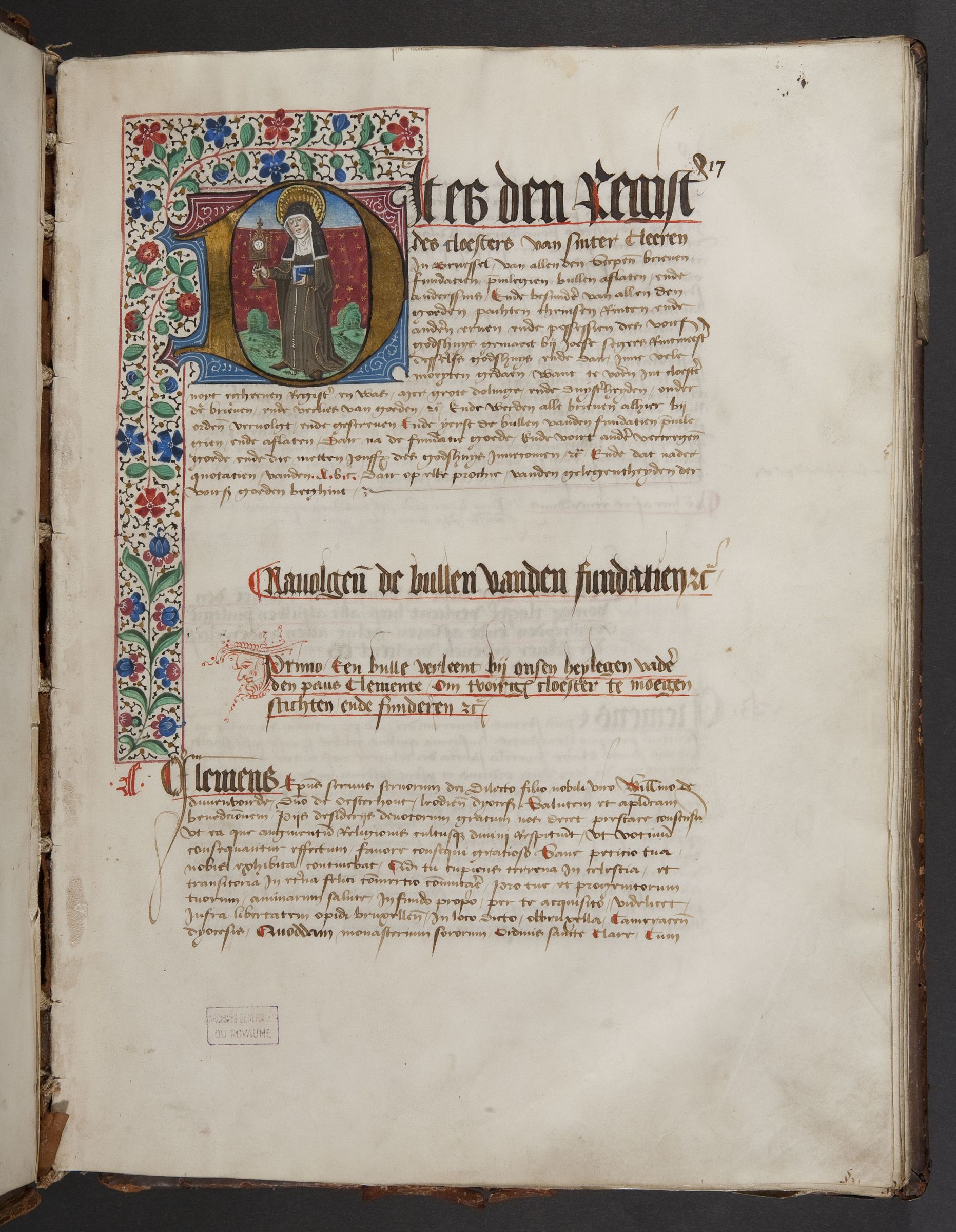
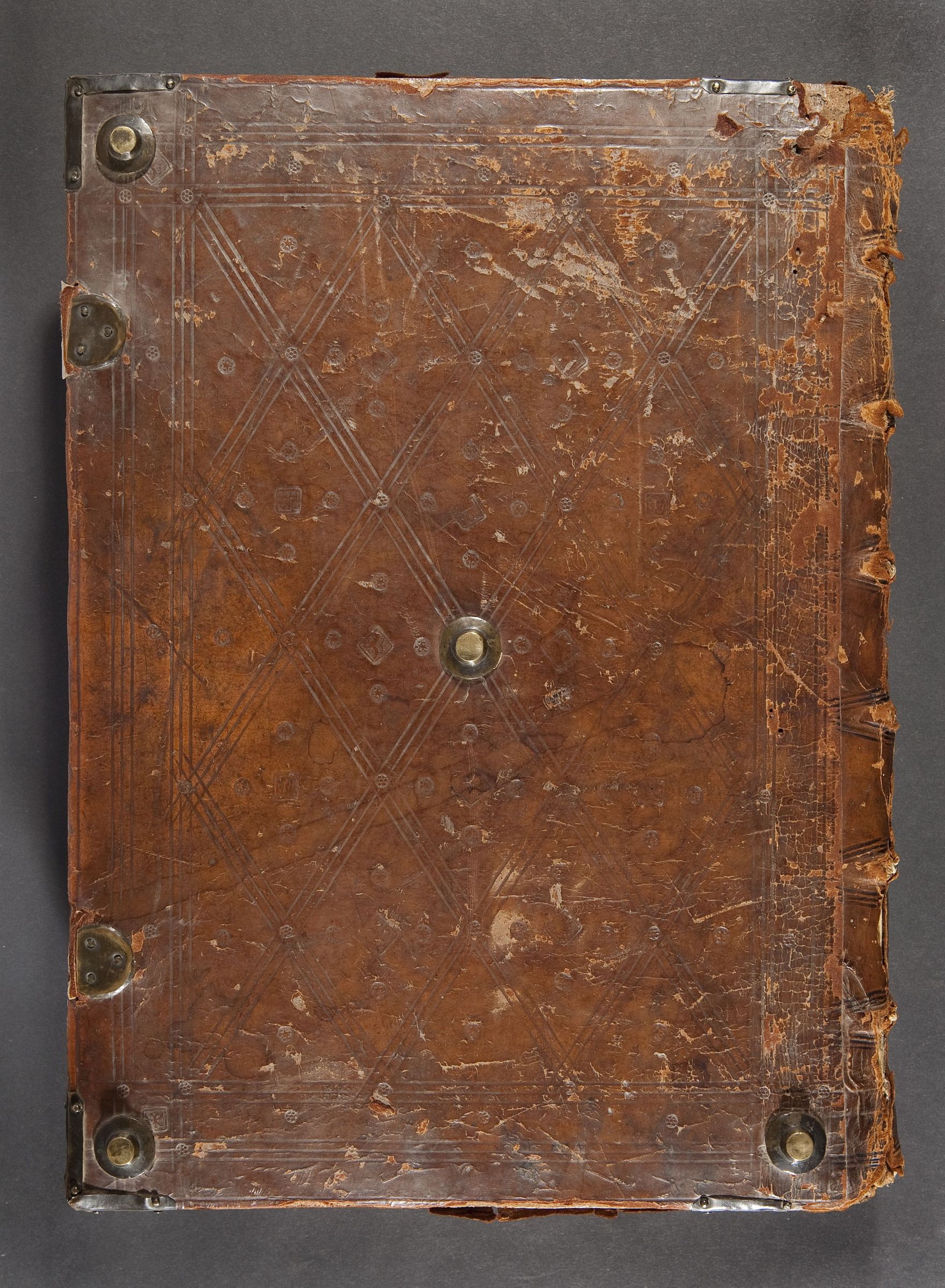
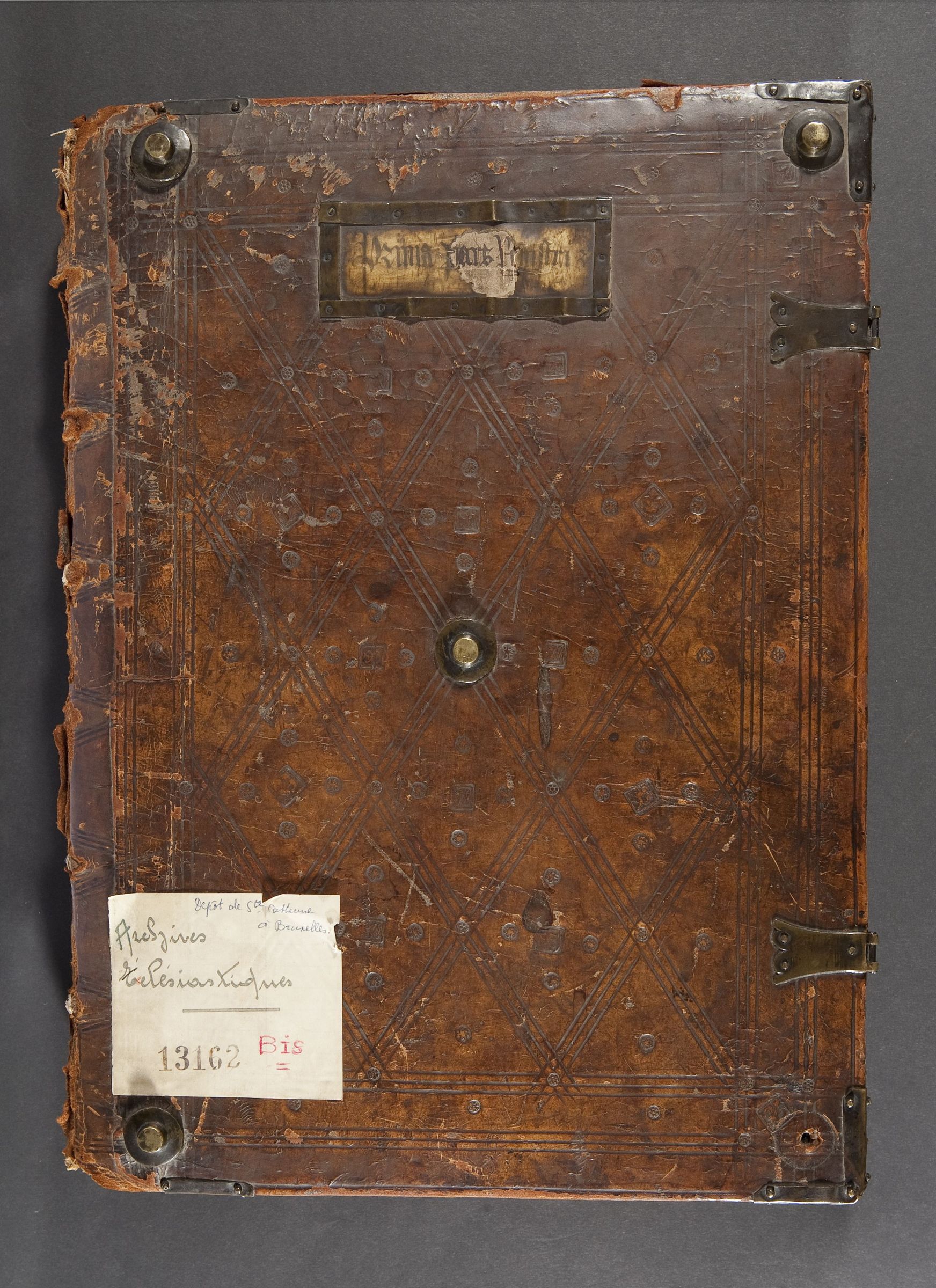
Apart from that, we find two manuscripts dating from the 15th century. The first is a certain Master Johannes Gielemans. It is an illustrated manuscript dated from 1475, so it must have been salvaged from the ravages of the Brussels Republic. What is interesting is the depiction of a Rich Clare nun, most likely Saint Clare of Assisi herself. The second is a somewhat larger volume that is a leather-bound prayer book dating from the same period. Both are kept in the ecclesiastical archives of Brabant in Anderlecht.
Sources:
Vannieuwenhuyze, B. (2011) “Brussel, de Ontwikkeling van een middeleeuwse stedelijke ruimte.” Amsterdam: Amsterdam University Press.
Henne, A. Wauters, A. (1845) “Histoire de la ville de Bruxelles. Volume I-III” Brussels: Librairie Encyclopédique de Périchon.
Hymans, L.S. (1884) “Bruxelles à travers les âges” Bruxelles : Bruylant-Christophe
Rombaut, J-A. (1777) “Bruxelles illustrée, ou description chronologique et historique de cette ville.” Brussels: Chez Pauwels.
https://monument.heritage.brussels/fr/Bruxelles_Pentagone/Rue_des_Riches_Claires/23/32943
https://nl.wikipedia.org/wiki/Willem_van_Duivenvoorde
https://j4.landvanbrederode.nl/index.php/publicaties/heren-van-vianen/220-willem-van-duivenvoorde
https://www.dereensteen.be/filter/boutersem/De-eeuwenoude-kasteelsite-van-Boutersem
-
- Van Deventer, J. (1550-1565) “Atlas of the city of the Low Countries : 73 minutes between 1550-1565 on orders of Emperors Charles V and Philip II” KBR (image)
- Braun, G, Hogenberg, F. (1572-1617) “Civitates orbis terrarum” Universiteitsbibliotheek Utrecht (image)
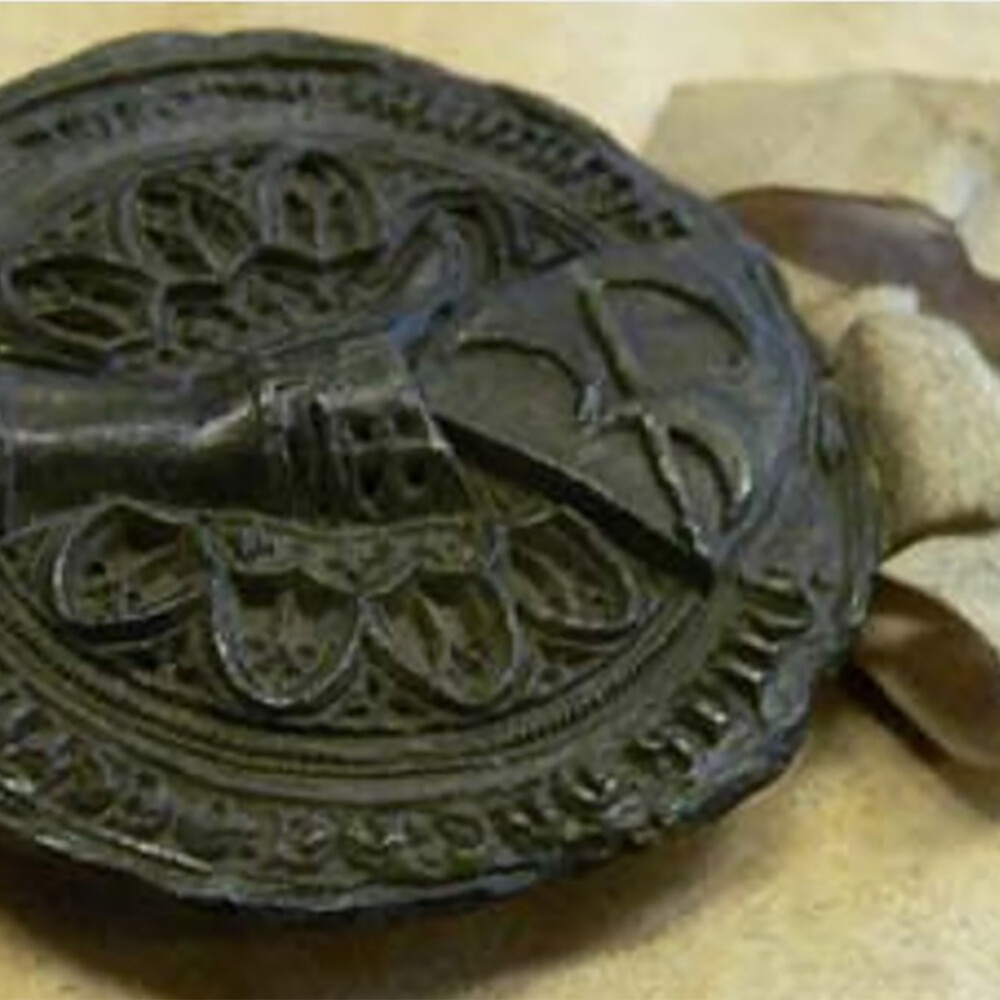
- Unknown. (1325) “Seal of Willem van Duvenvoorde” Den Haag: Nationaal Archief (image)
- Gielemans, Johannes. (1475) “Cartulaire des Urbanistes ou Riches Claires de Bruxelles” Archives de l’Etat à Anderlecht (image)
- Unknown. (1475) “Reliure du Cartulaire des Urbanistes ou Riches Claires de Bruxelles” Archives de l’Etat à Anderlecht (image)
HOW IT LOOKS LIKE TODAY
Click on the zoom icon to view the full size.