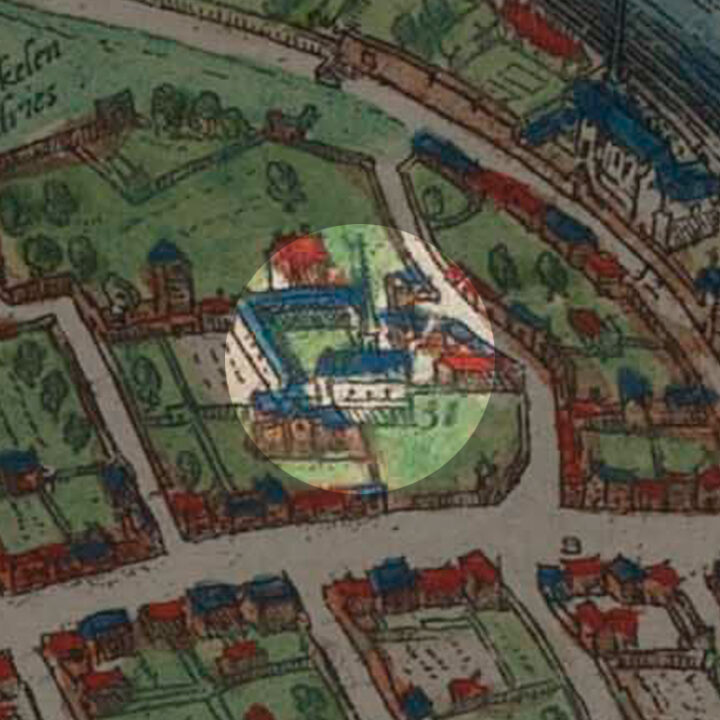
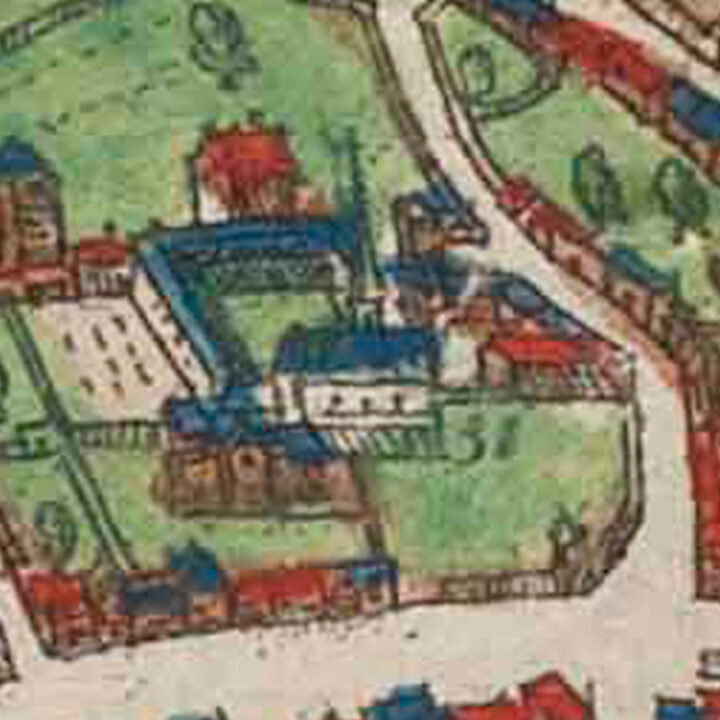
Oud Brussel: #31 Sint-Pieters-ter-Zieken
Name on the map:
S. Peter
Original name in Dutch:
Gasthuis van Sint-Pieters-ter-Zieken
Other names:
Sint-Pietersgodshuis, Sint-Pietersklooster en Onze-Lieve-Vrouw ter Zieken
19th century name in French:
Hôpital Saint-Pierre
Current name:
UMC Sint-Pieter, CHU Saint-Pierre
ABOUT
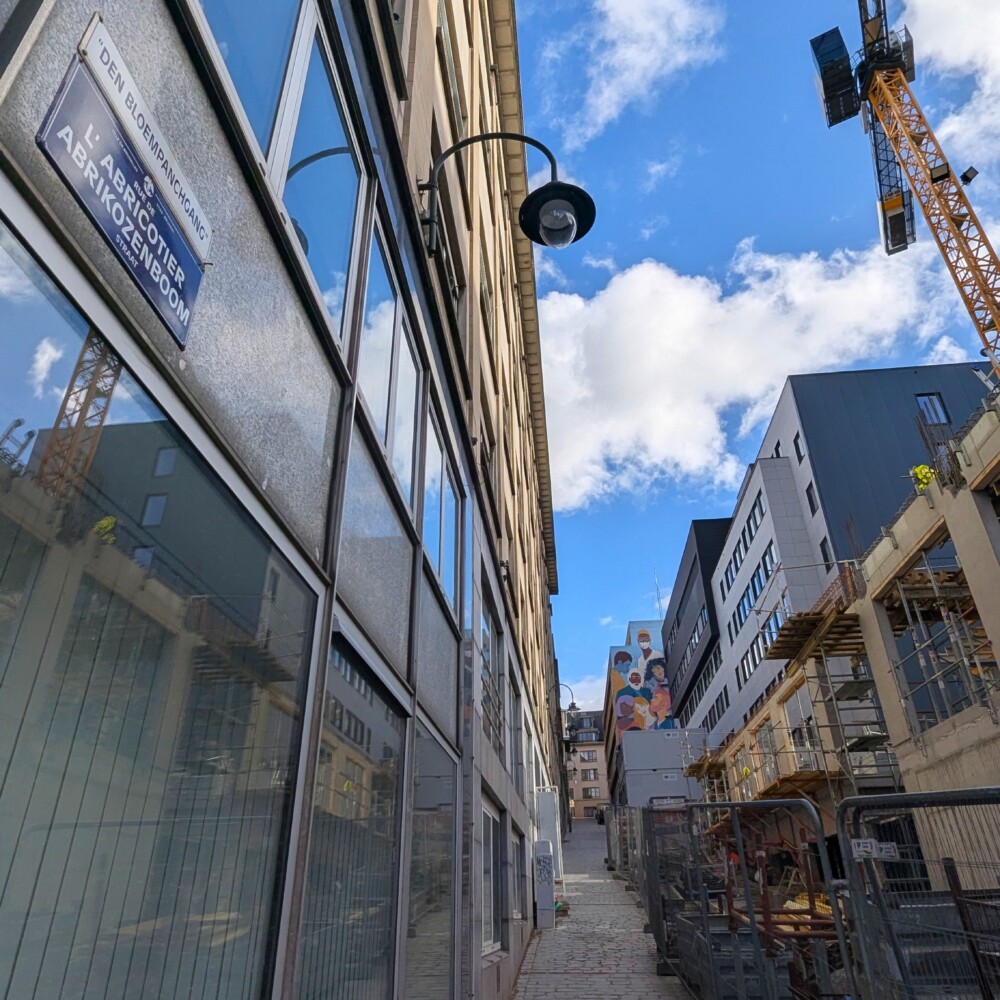
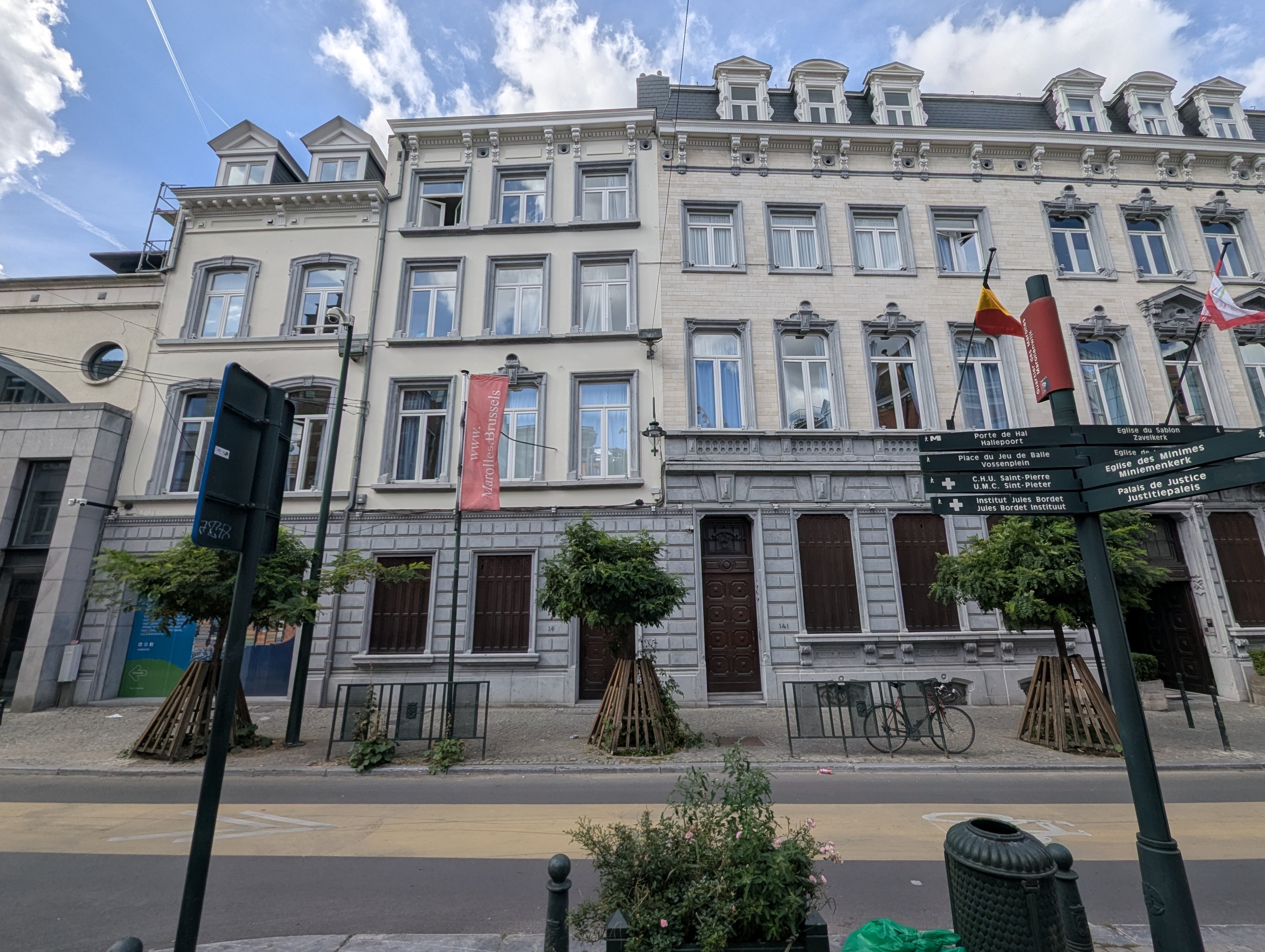
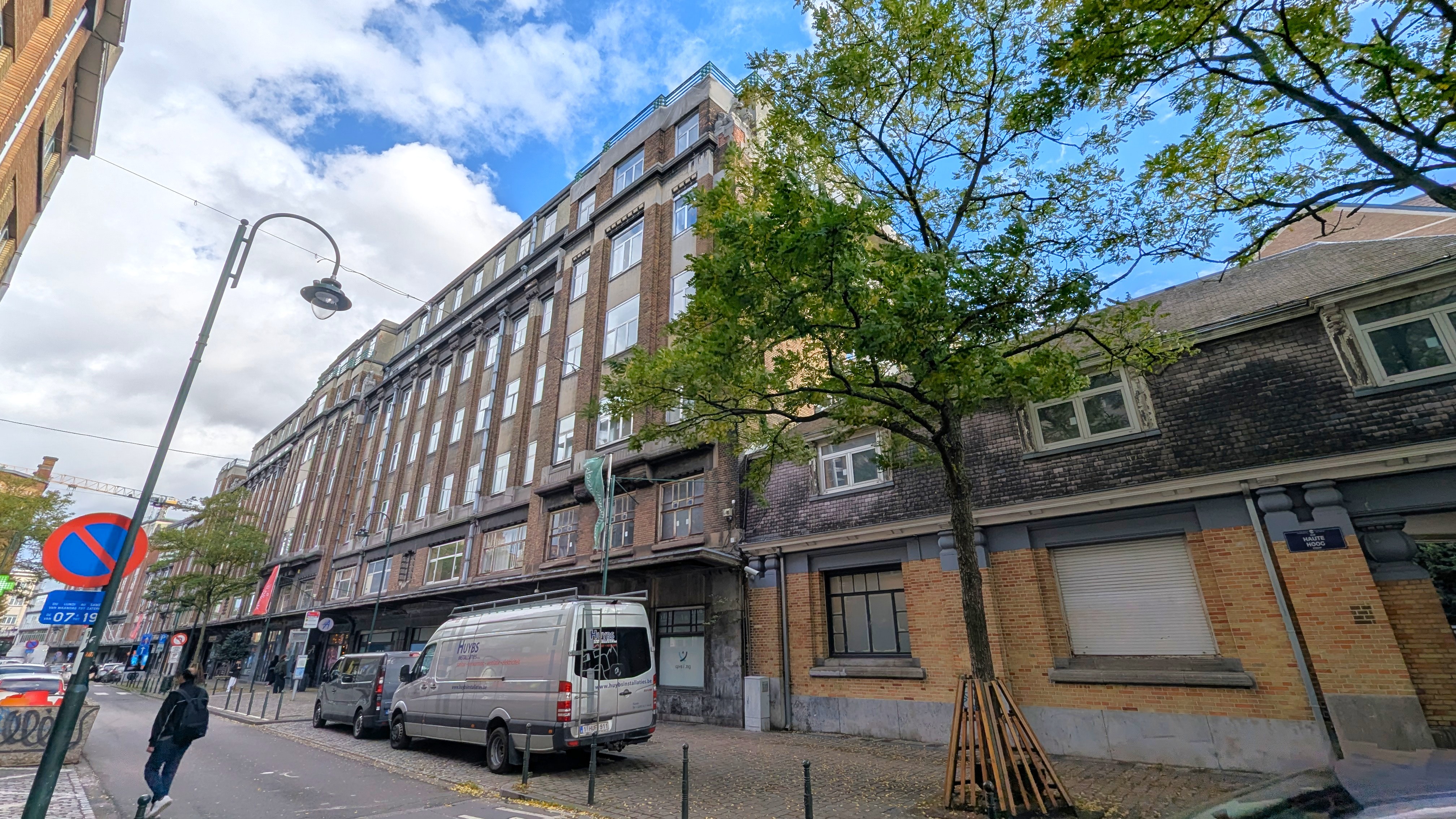
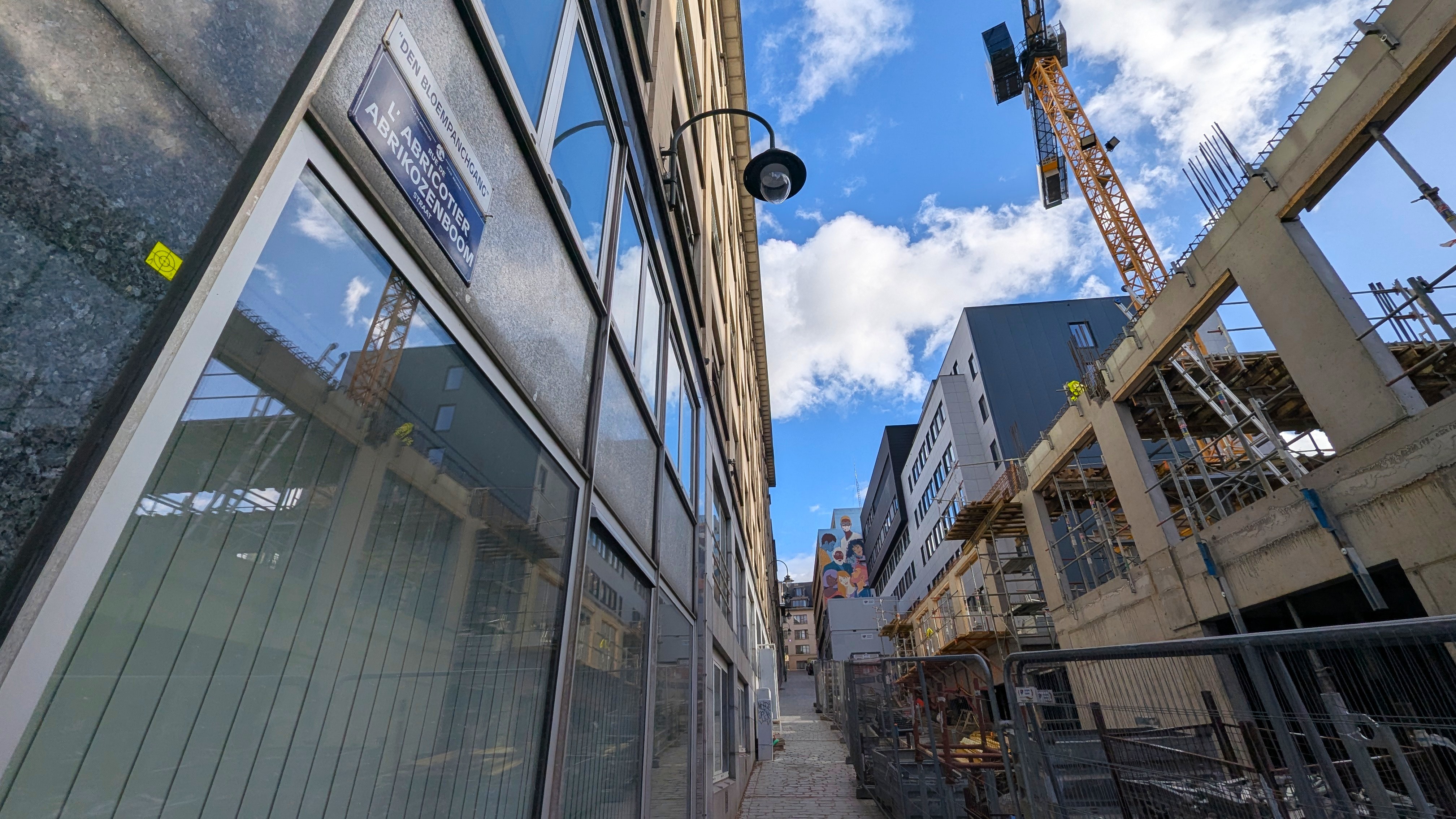
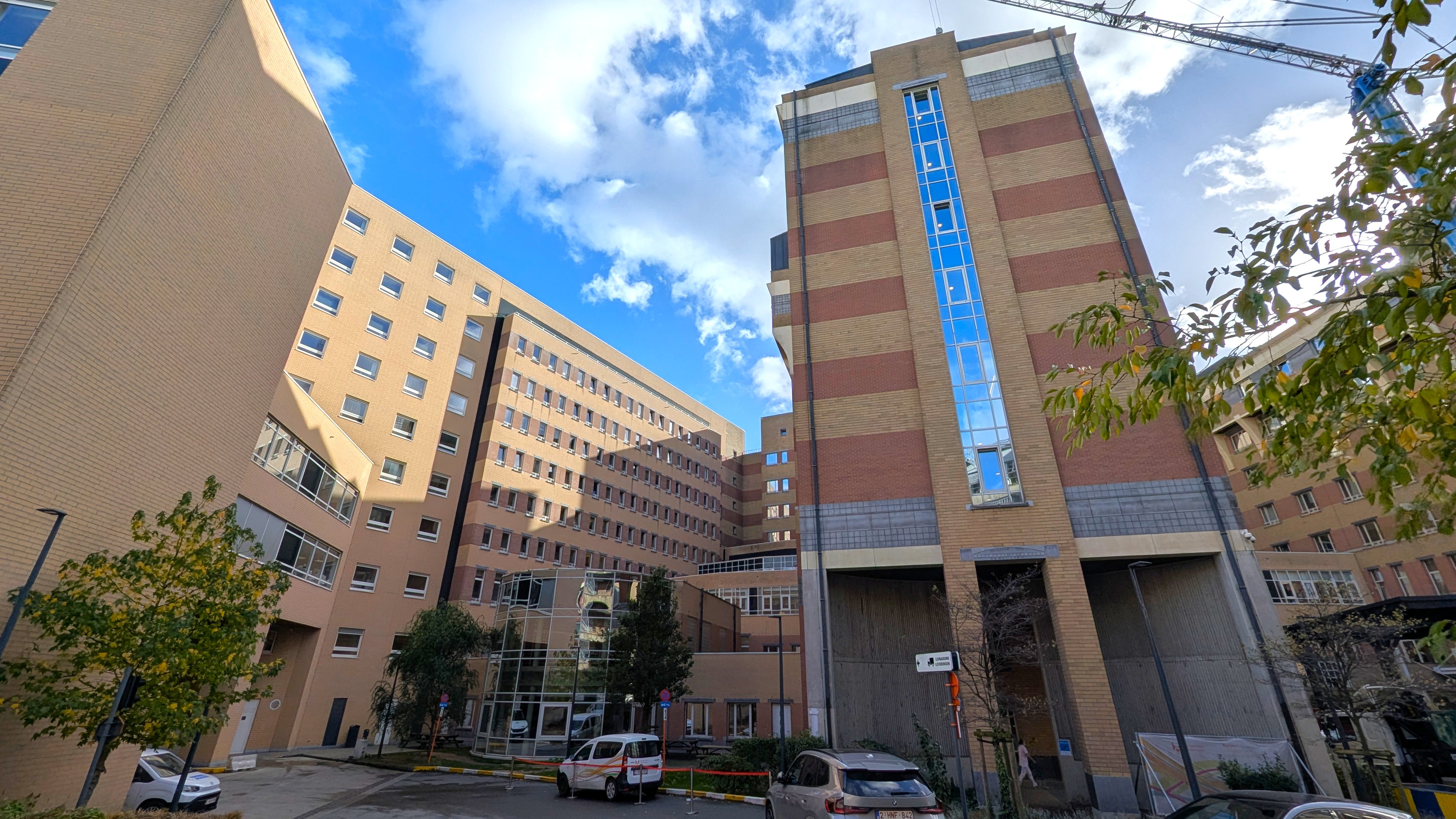
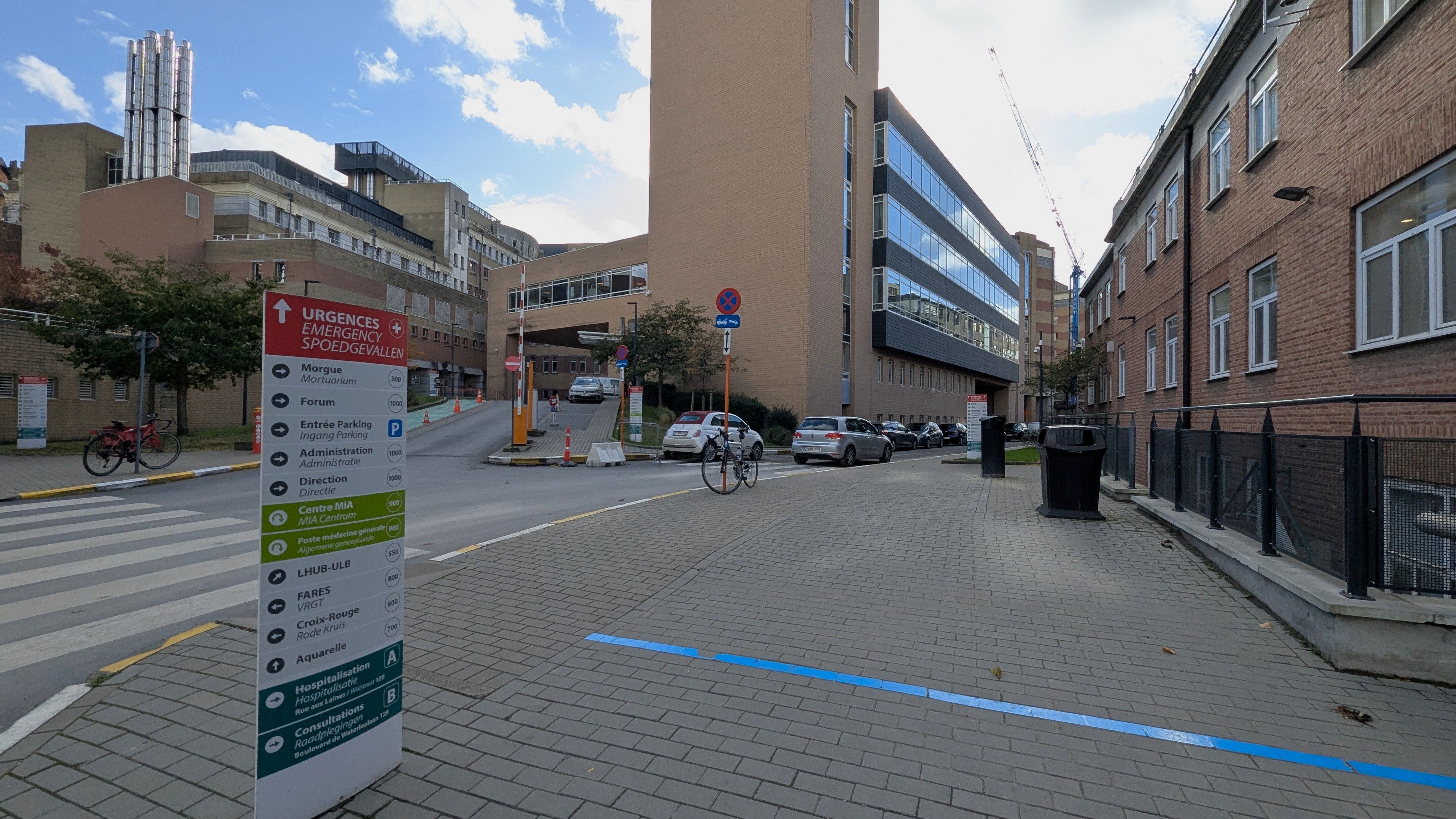
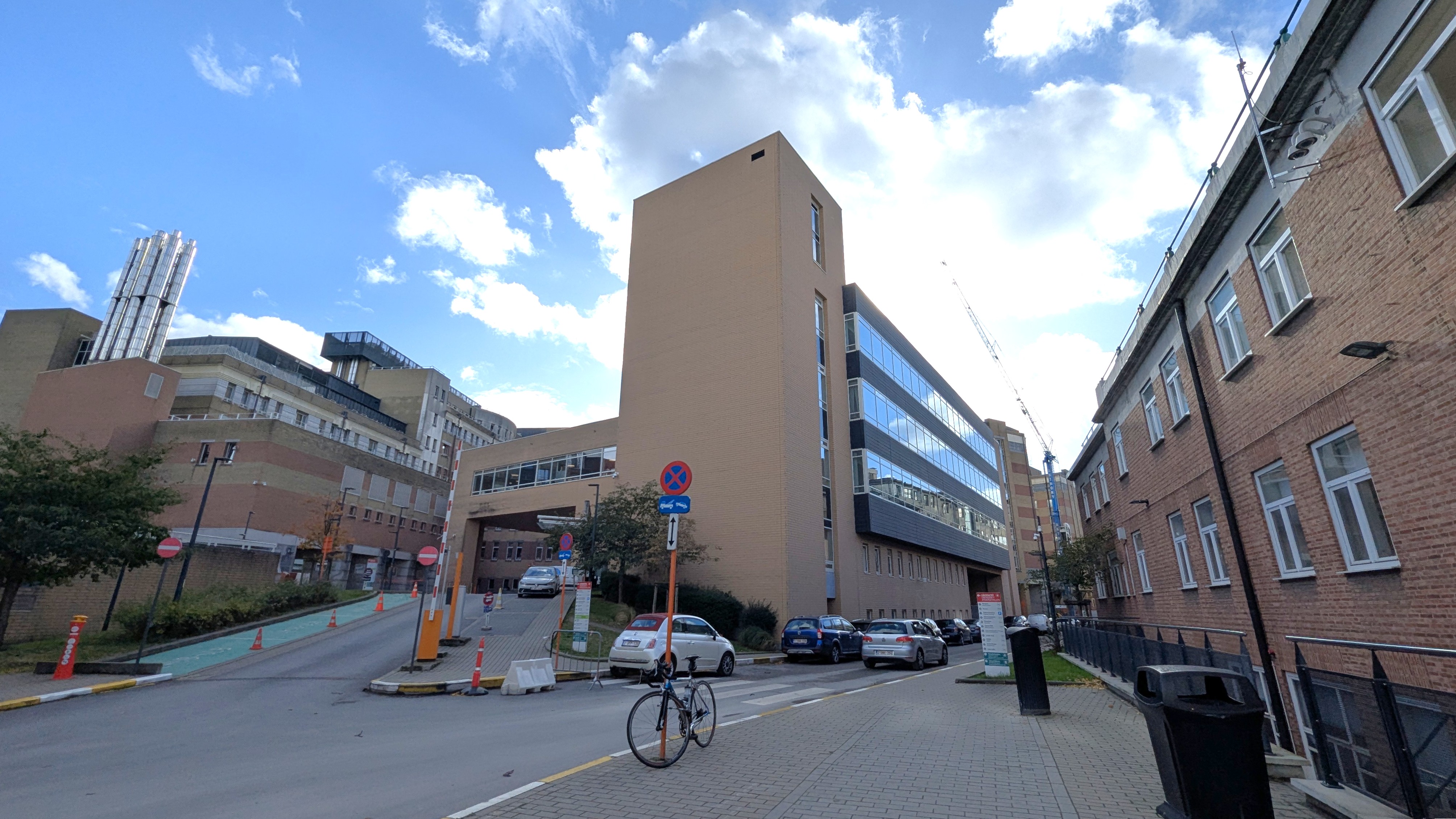
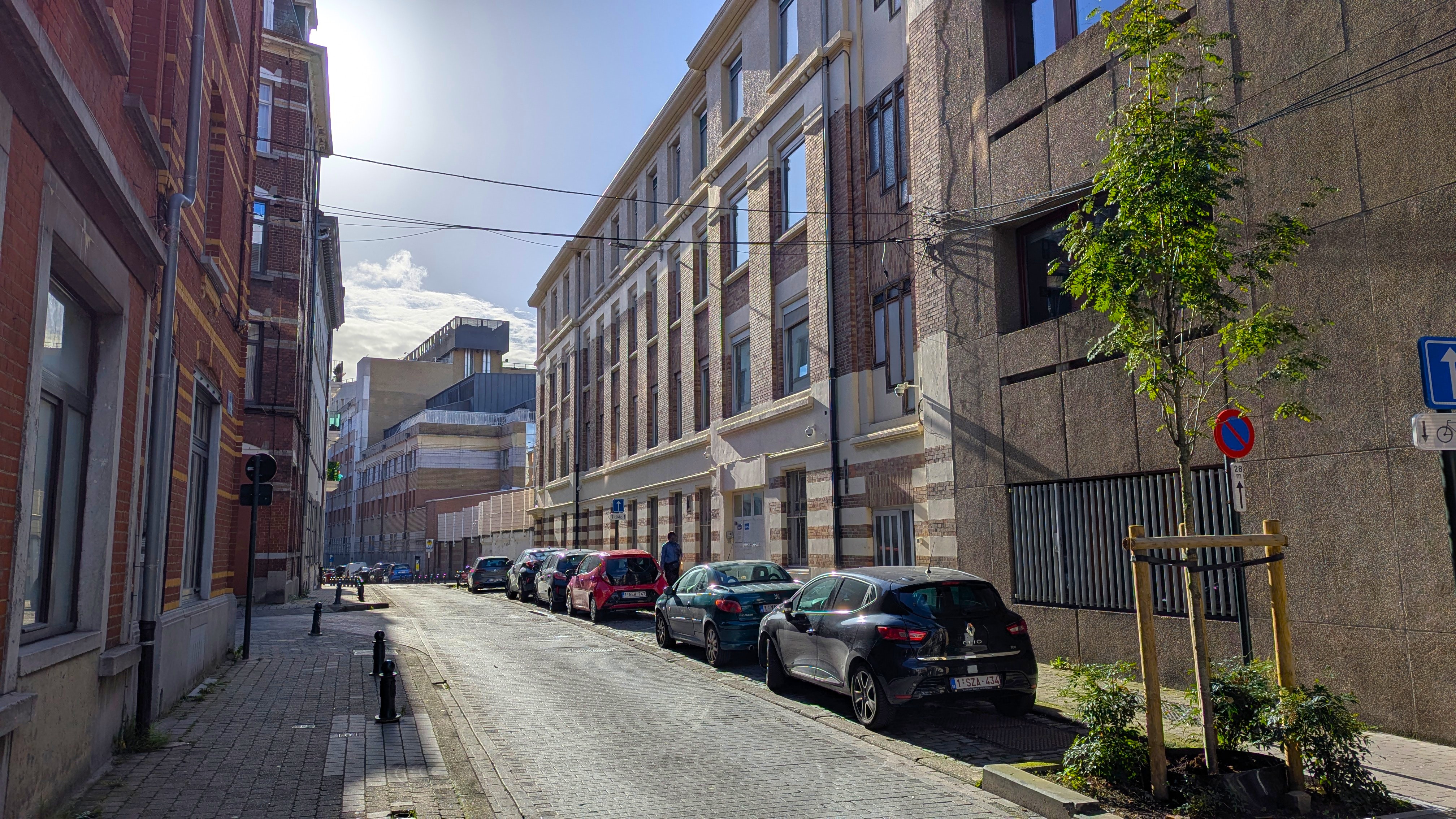
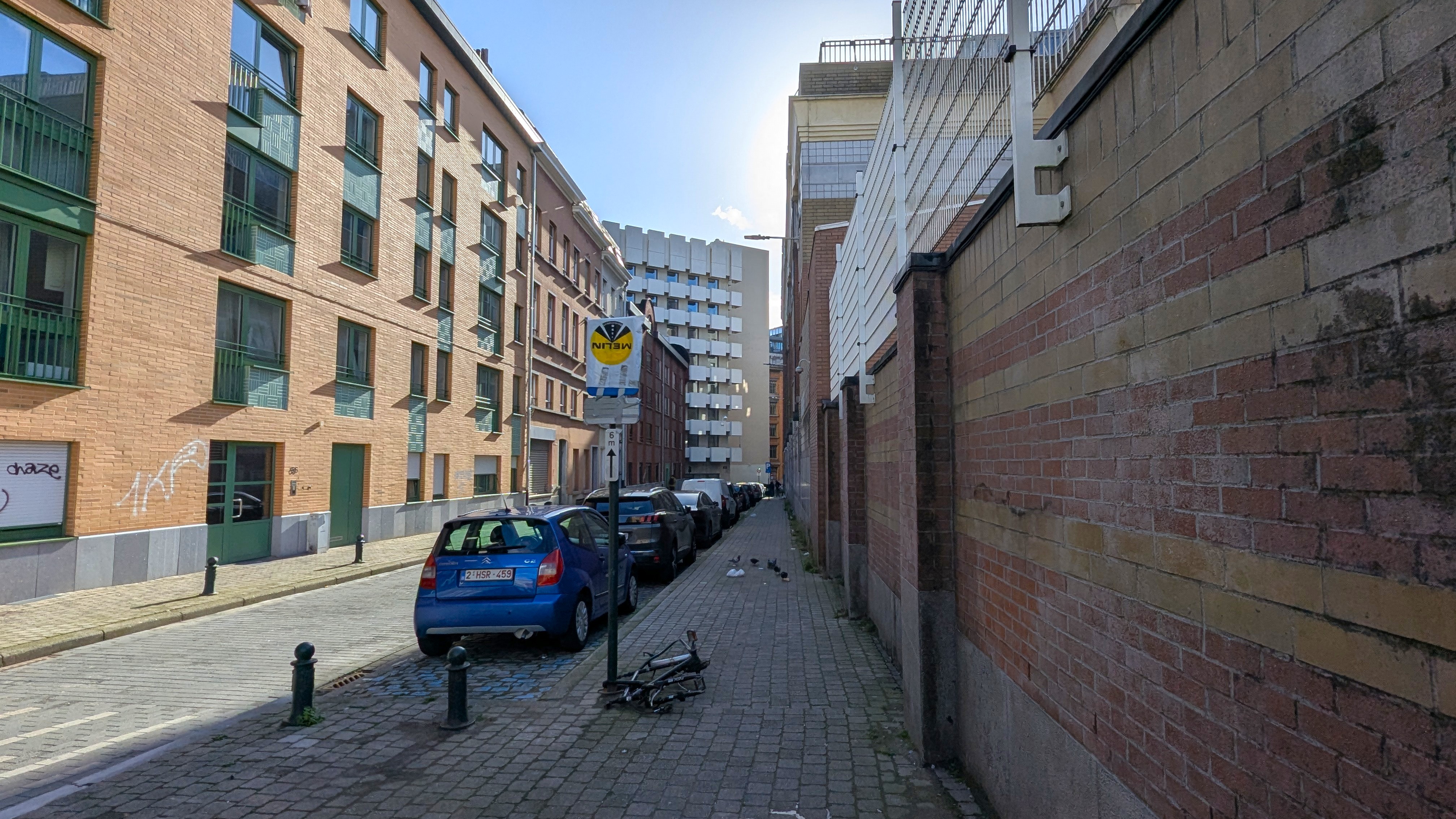
On the site of the city hospital of Saint Peter (UMC Sint-Pieter/CHU Saint-Pierre) today, once stood a large lepers’ colony outside the city boundary of early medieval Brussels known as Sint-Pieters-ter-Zieken (Saint Peter of the Sick). Founded some time before 1174, Brussels’ leper house was set up along the main trading route of the Hoogstraat, that once led to the small village of Obbrussel in modern Sint-Gillis (Saint Gilles). Today, the hospital fully occupies the leprosery grounds enclosed by the Fazantenstraat (Rue des Faisans), the Wolstraat (Rue aux Laines), the Montserratstraat (Rue de Montserrat) and the Abrikozenboomstraat (Rue de l’Abricotier).
Origin
According to the 19th-century chronicle by Alexandre Henne and Alphonse Wauters, the institution was founded when “two young ladies” opened an asylum for victims of leprosy on a spot outside of the city of Brussels where the parish boundary of medieval Brussels bordered that of the village of Obbrussel, which at that time was under the religious jurisdiction of the Abbey of Vorst. In the 12th century, this was an isolated rural area located well outside Brussels’ first city wall.
From the city gate of Steenpoort, the sandy road that led from Brussels went uphill towards the hamlet of Obbrussel, which sat on a hill that overlooked the small but growing Brabant town. This was not an insignificant road. Later came to be known as the “Hoogstraat” (High Street), it was a major trade route used by merchants coming from the south all the way from Nijvel.
Right in front of the main door of the “Sint-Pietersgodshuis” in folk’s tongue, was a large cross in the middle of the road. It was perhaps a parochial boundary between Brussels and Obbrussel. But it soon became a symbol of the location of the leprosery of Sint-Pieters-ter-Zieken.
During the 14th century, as the city expanded, the site was enclosed within the perimeter of the second city wall near the new city gate of Obbrusselpoort, which still exists today as the Hallepoort (Porte de Hal).
At the time, leprosy was widely believed in Western Europe to have been brought back from Syria by returning Crusaders. It was not known which year was the leprosery founded. Its name derived from the oratory dedicated to Saint Peter and the Collegiale kerk van Sint-Michiel en Sint-Goedele granted formal permission to bury lepers in an adjoining graveyard. Both events were recorded in a 1174 papal bull issued by Pope Alexander III that recorded the existence of the chapel and cemetery (cimiterium cum oratorio).
The original establishment consisted of the small chapel, a walled graveyard, and a cluster of modest cottages where patients resided in isolation. Care was initially provided by a devout lay brotherhood and sisterhood, before spiritual and nursing duties were formally entrusted to Augustinian nuns in 1258.
However, the city magistrates quickly asserted control over the facility to manage municipal costs: wealthier patients were required to surrender a large portion of their personal property to the leprosery, while poorer patients worked the institution’s farm or begged for alms.
What's so special about this place?
The History of Leprosy and Leper Houses in the Low Countries in the Middle Ages
Following widespread outbreaks of leprosy across Europe between 1050 and 1150, dozens of dedicated leper houses – known in Dutch as “leprozerijen” – were established throughout the Low Countries. Their layout and daily administration reflected medieval society’s medical limitations and religious worldview:
- Location along Highway Axes: Leper houses were deliberately built along major thoroughfares outside city boundaries, such as in Brussels and in Leuven. This positioning kept infected individuals isolated from urban population centres while allowing them to beg for alms from passing travellers, merchants, and pilgrims.
- Monastic Discipline Rather than Medical Cure: Lacking effective medical remedies, life inside these leproseries was governed by religious discipline rather than clinical treatment. Medieval ‘cures’ were largely limited to bloodletting, sulfur baths, facial washes of white wine boiled with rhubarb, and concoctions made from snake skin, snake meat, or snake oil—under the theological belief that consuming shedding snakes would cause patients to shed their diseased skin.
- The “Separatio” and Civil Death: Contracting leprosy resulted in total civil and social exclusion, known as Latin as the “Separatio“. Diagnosed individuals were escorted from their homes to the church accompanied by funeral dirges; during the mass, the patient stood behind an actual burial coffin as if they were already dead (!) while the priest sprinkled soil over their feet to signify that they were dead to the secular world. Spouses were separated, parental rights dissolved, and property transferred.
- Compulsory Identification: Strict regulations prevented accidental contact with townspeople. In 1459, Duke Philip (the Good) of Burgundy who then ruled over the whole of the Netherlands, mandated that all lepers in Brabant wear a lead medallion around their necks. They were required to wear wide grey cloaks woven with red threads (to mask bloodstains), broad-brimmed hats, and carry a wooden clapper ( a “ratelaar“) to warn passers-by to clear the road.
How did it look like?
A Secluded Hamlet with a Chapel and Gardens
While it was initially situated outside city boundaries, by the late Middle Ages and early modern era, Sint-Pieters-ter-Zieken resembled a secluded hamlet situated in the remote southern quarters of Brussels close to the outer city wall.
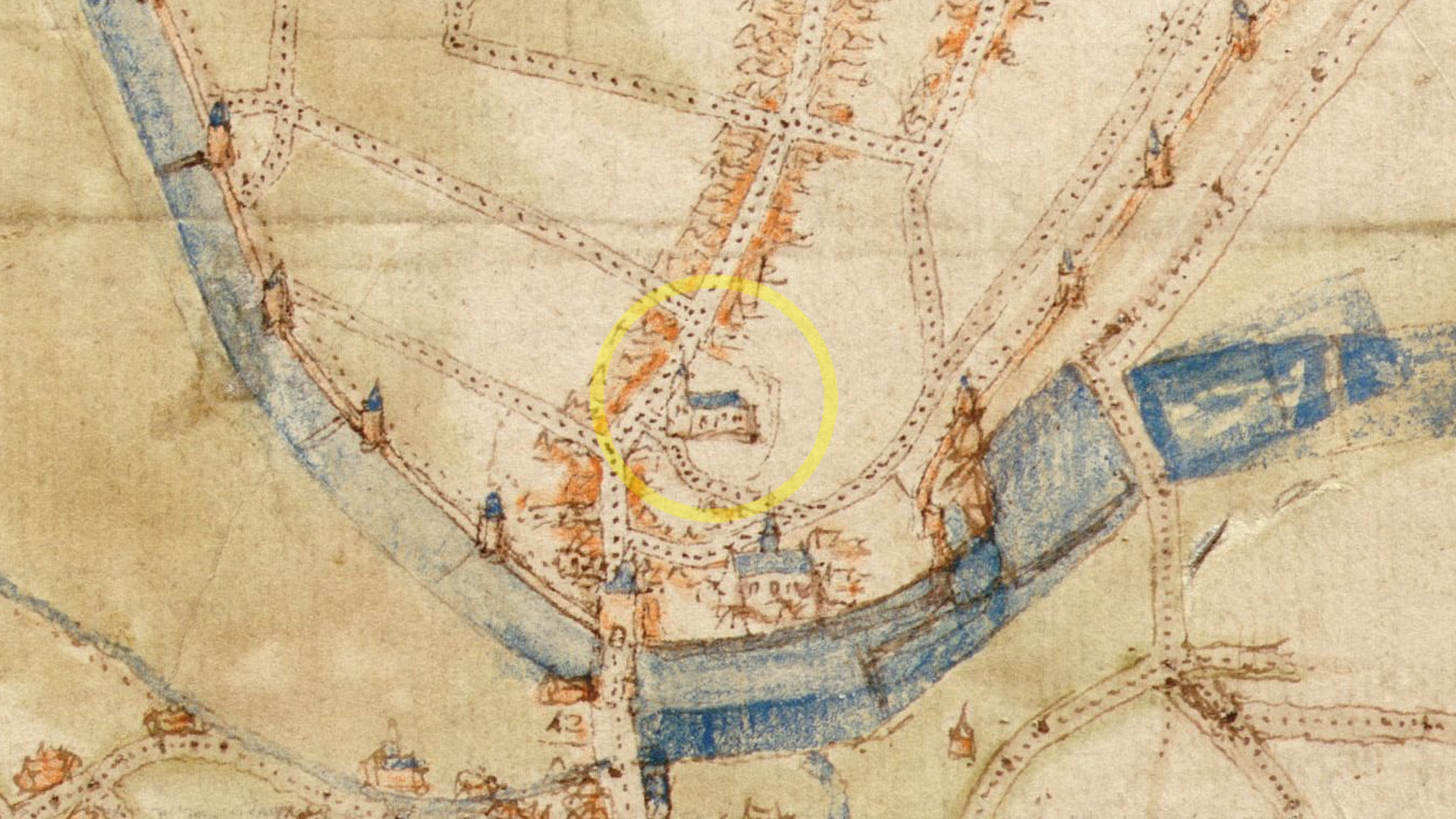
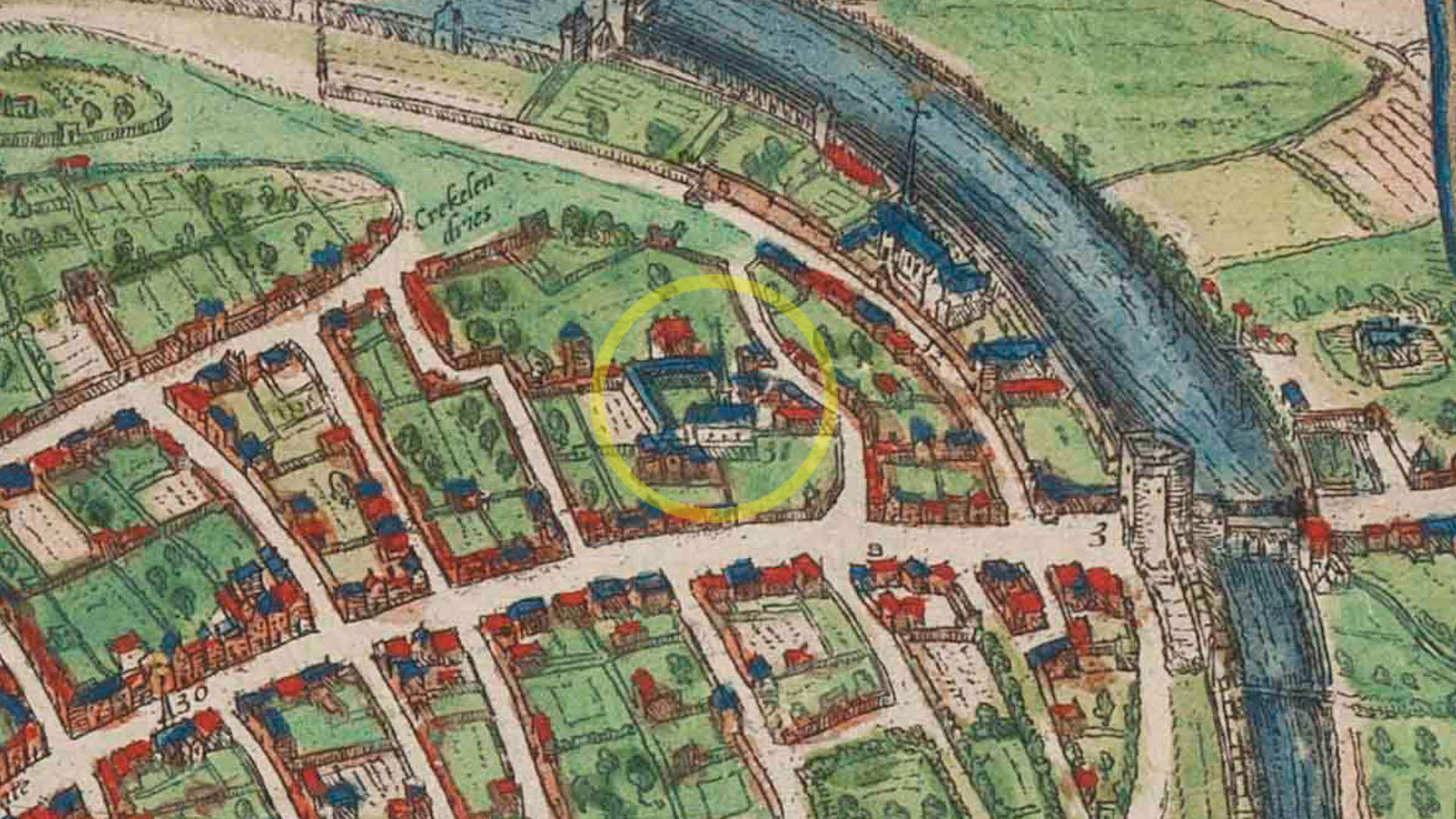
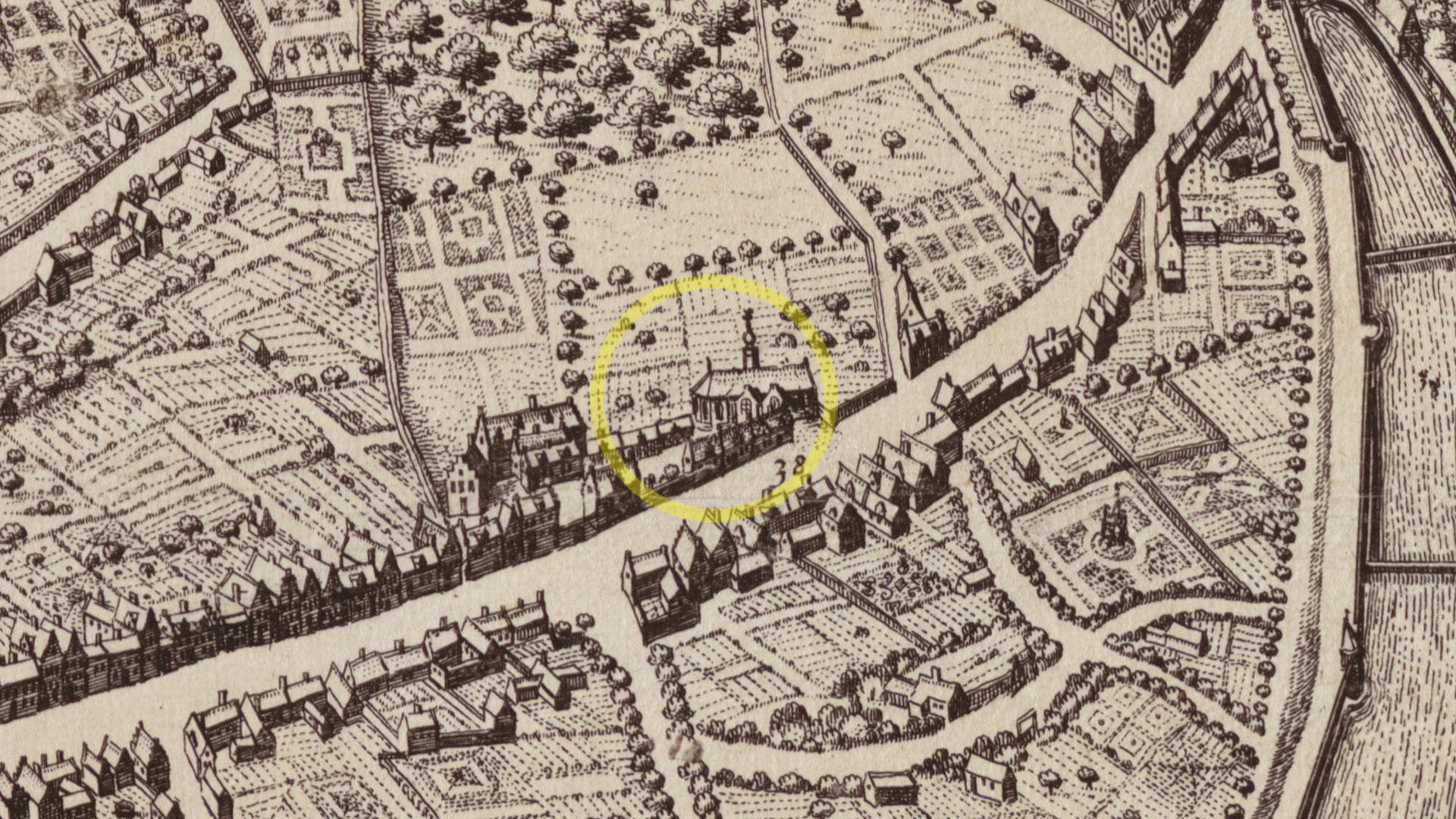
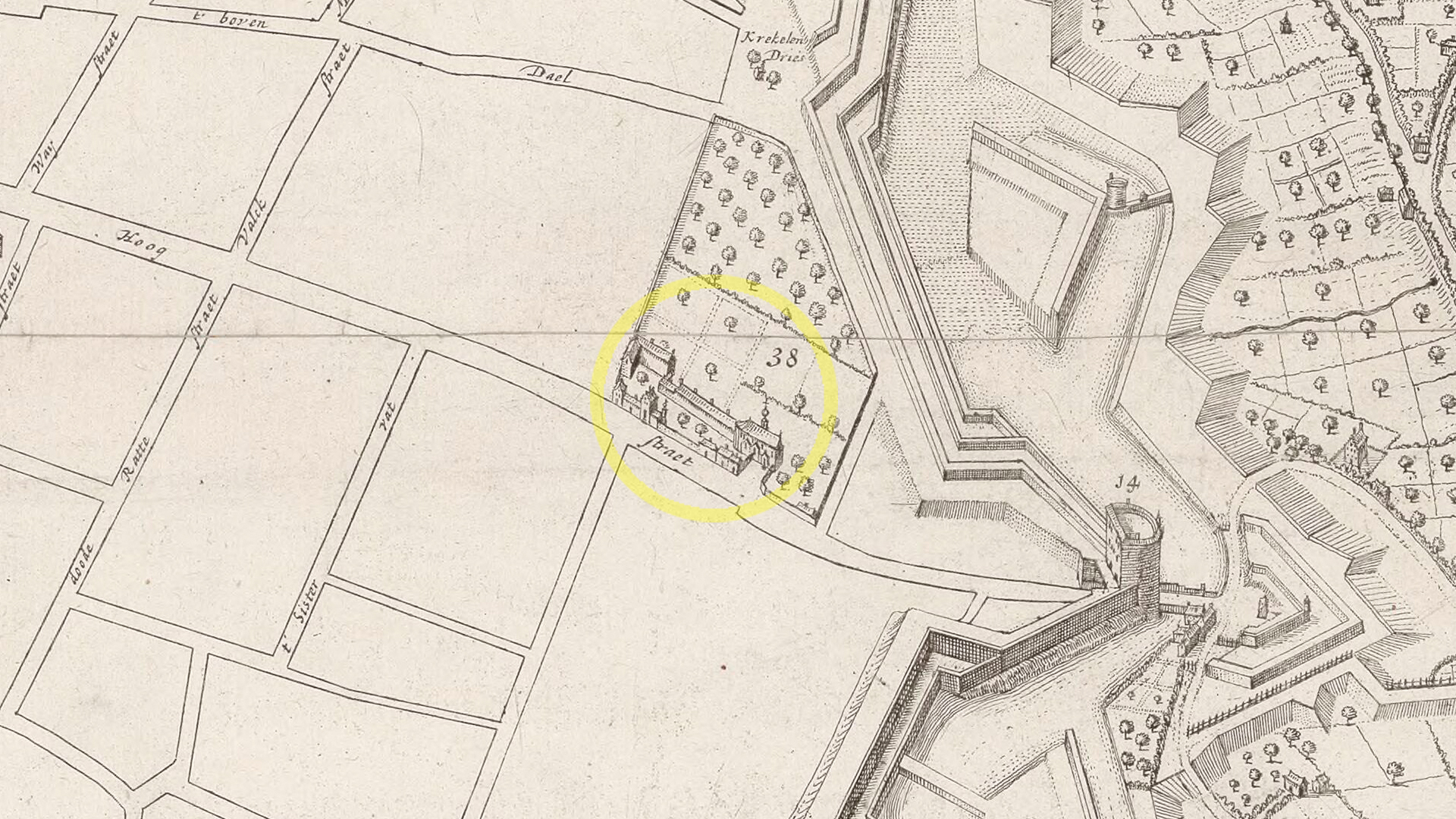
Three visual representations of Sint-Pieters-ter-Zieken have survived today.
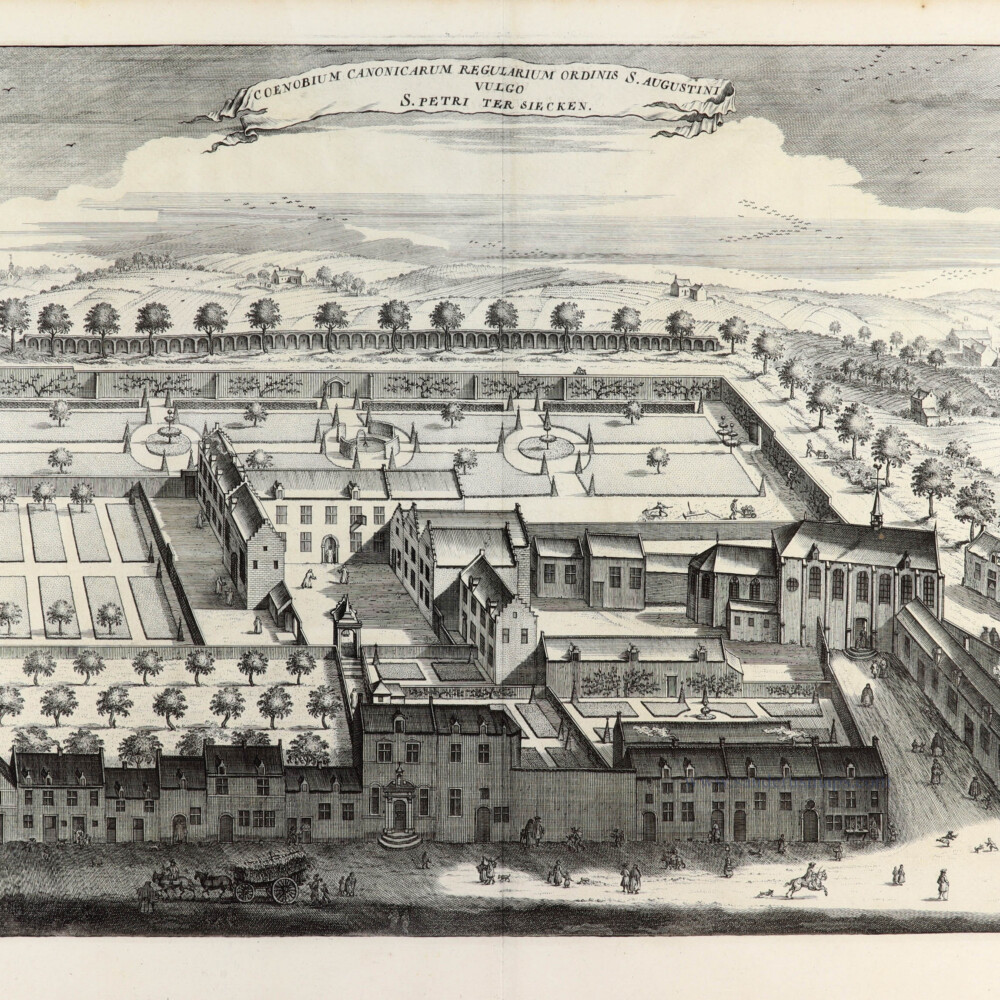
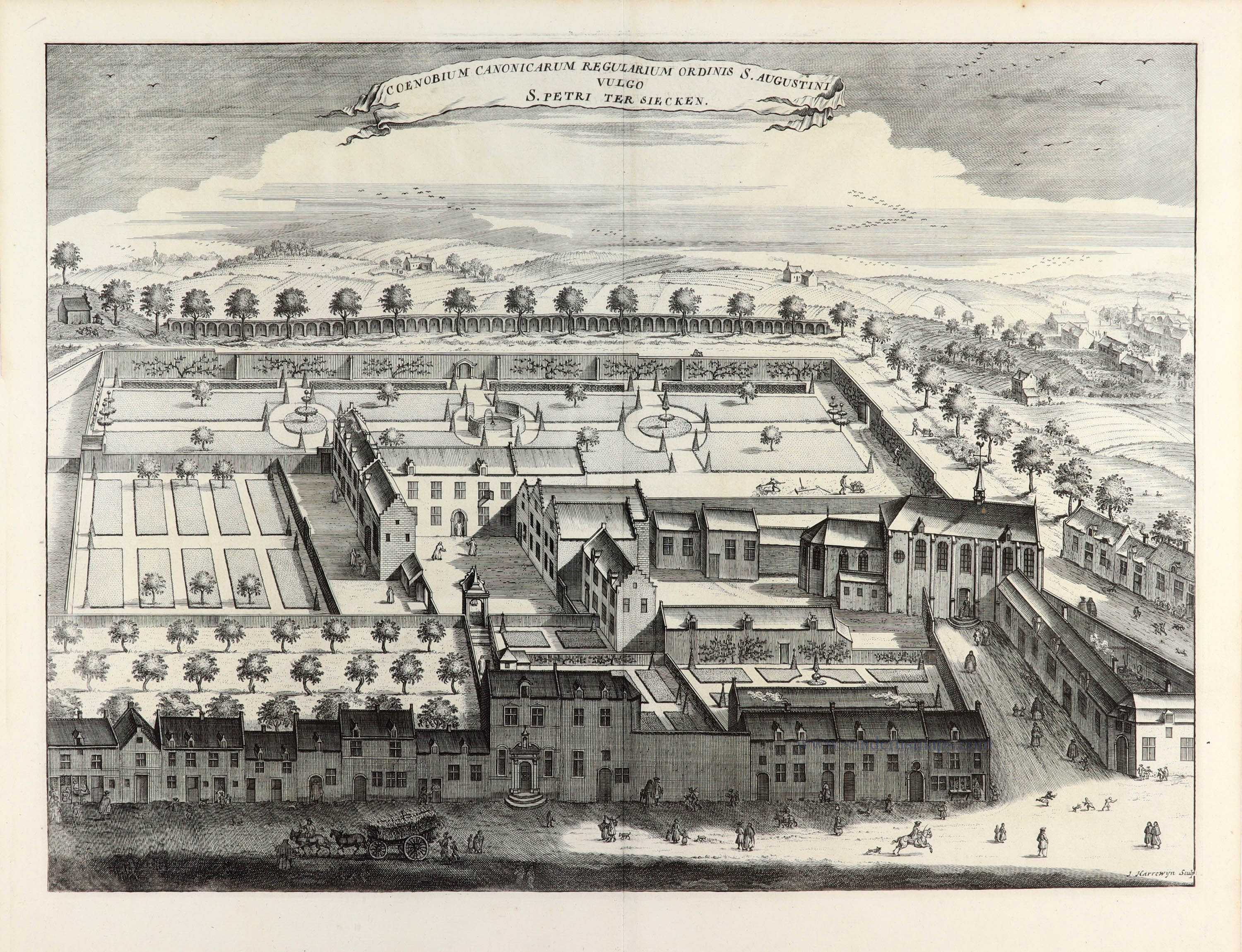
The first is the engraving in Antonius Sanderus‘ “Chorographia Sacra Brabantiae” printed in 1727 but was published much earlier in 1659. The work features the history of the abbeys and monasteries of Brabant. In this 17th century engraving, we see a vast complex in a courtyard arrangement surrounding a central chapel with a steeple, enclosed by gardens, orchards, and farm buildings along the Hoogstraat.
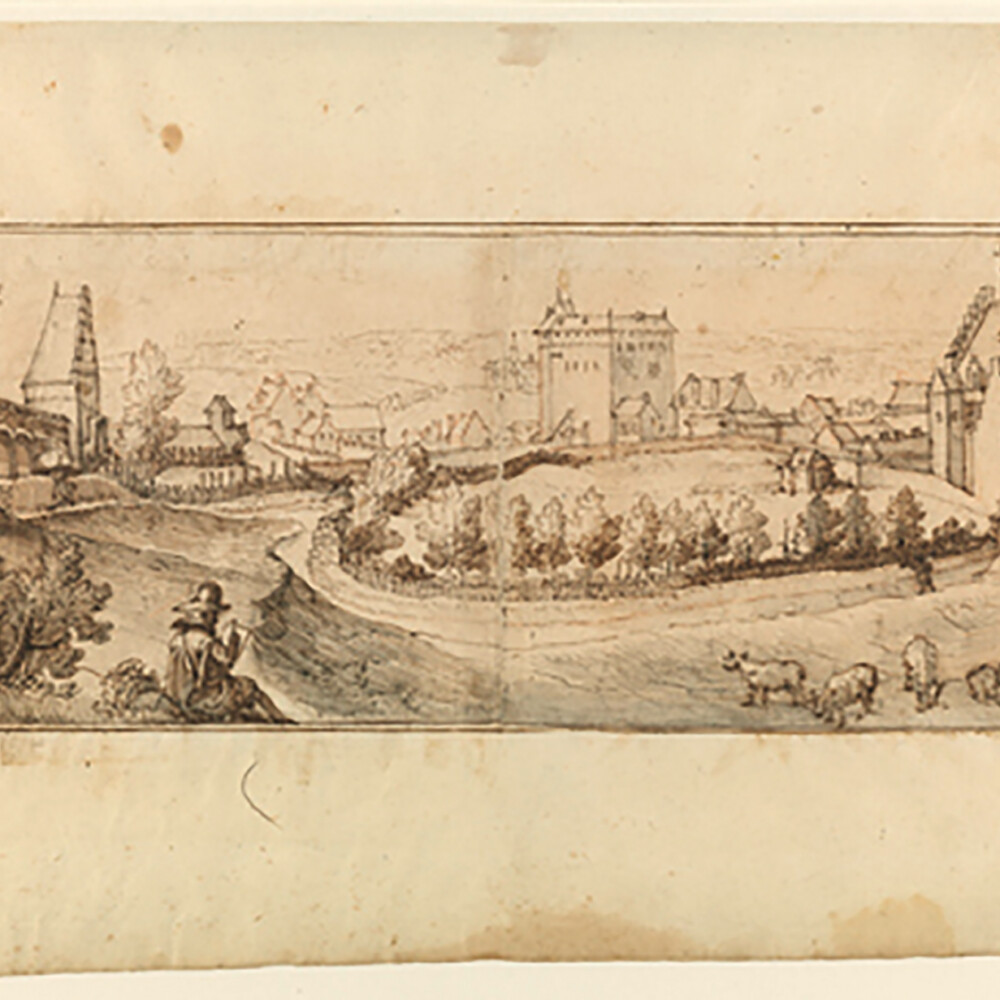
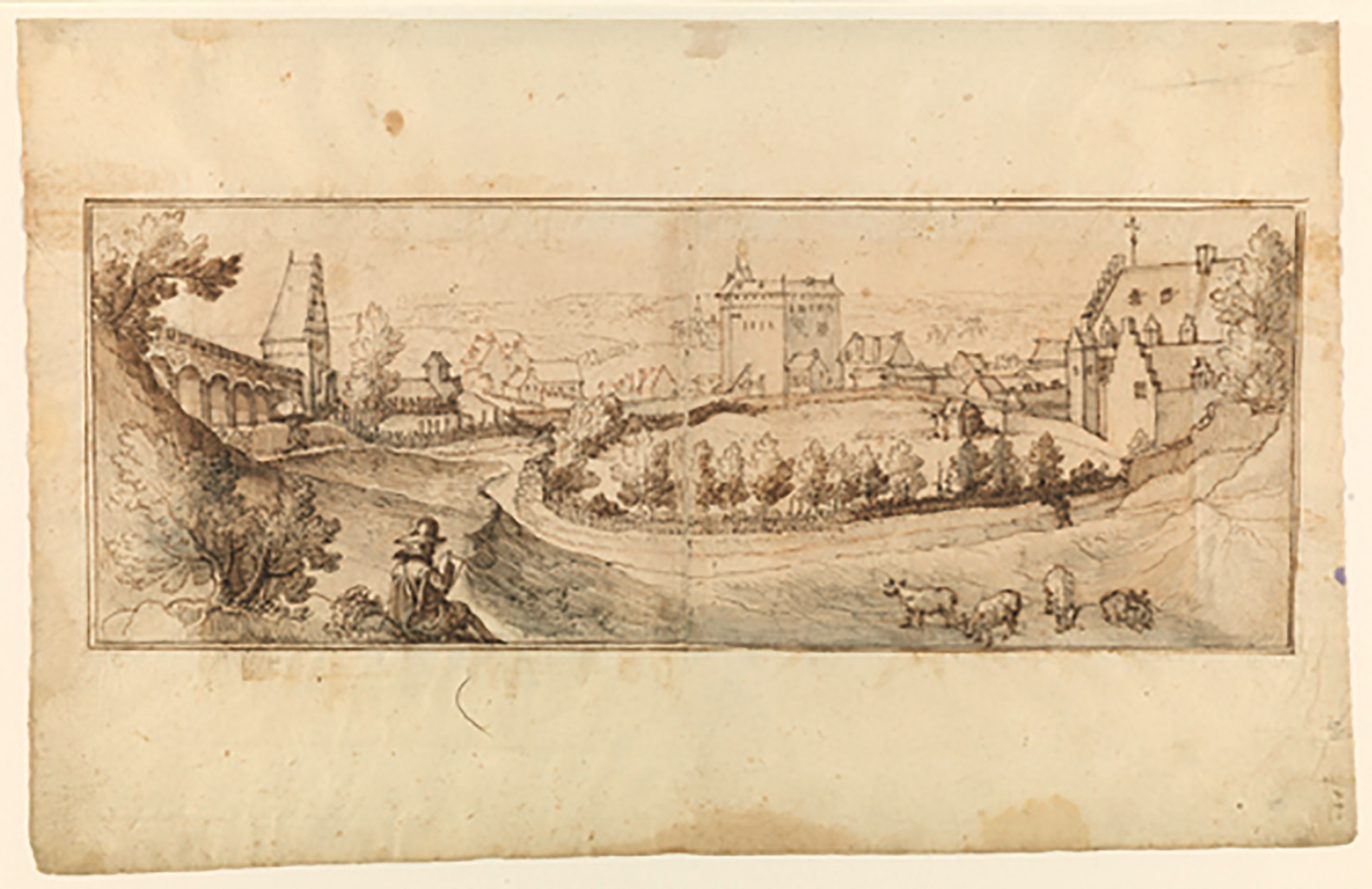
Second is the work of Florentine traveller Remigio Cantagallina who travelled through the Low Countries in 1612-1613. He has made dozens of ink paintings of notable buildings, many of which featured the city gates and churches of Brussels. One of his paintings featured the Obbrusselpoort from the city side. On the left one sees the outer/second city wall, left of the middle is the Obbrusselpoort city gate, and on the right is the Sint-Pieters-ter-Zieken. The cross on the roof belonged to the chapel of the leprosery.
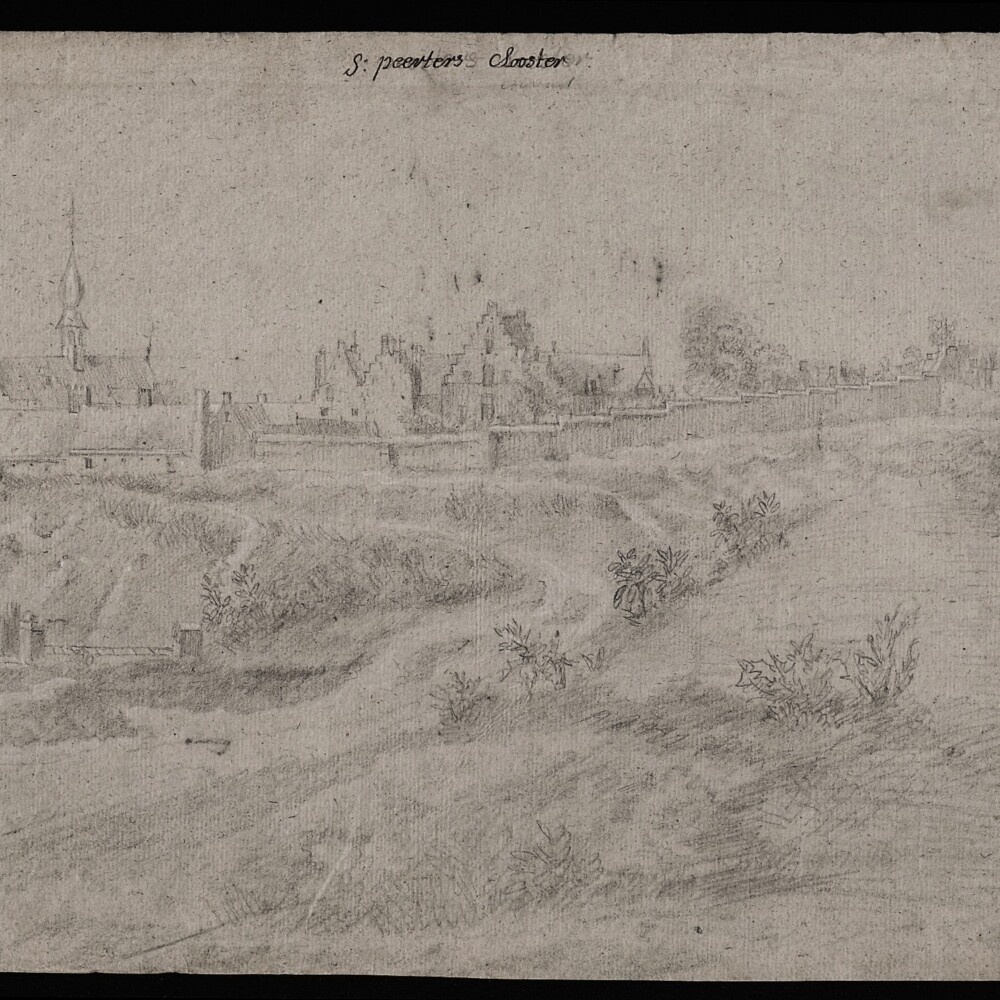
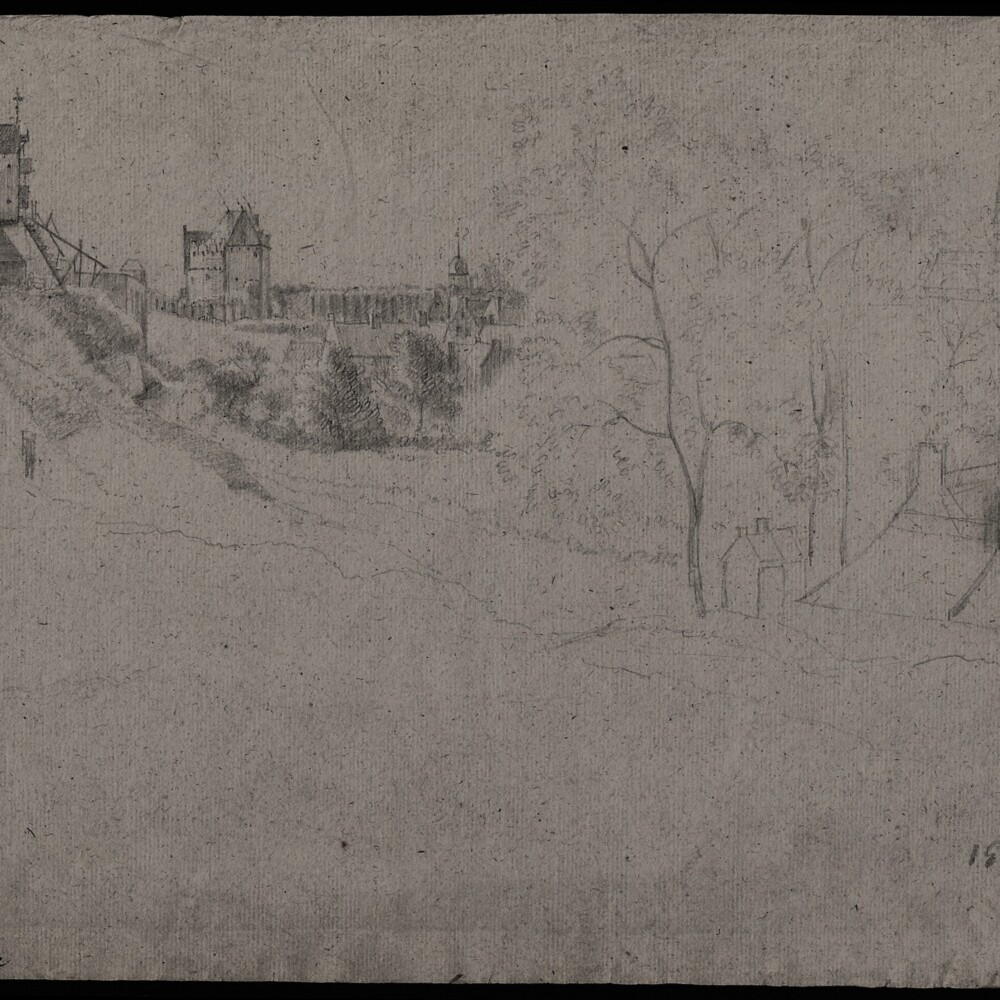
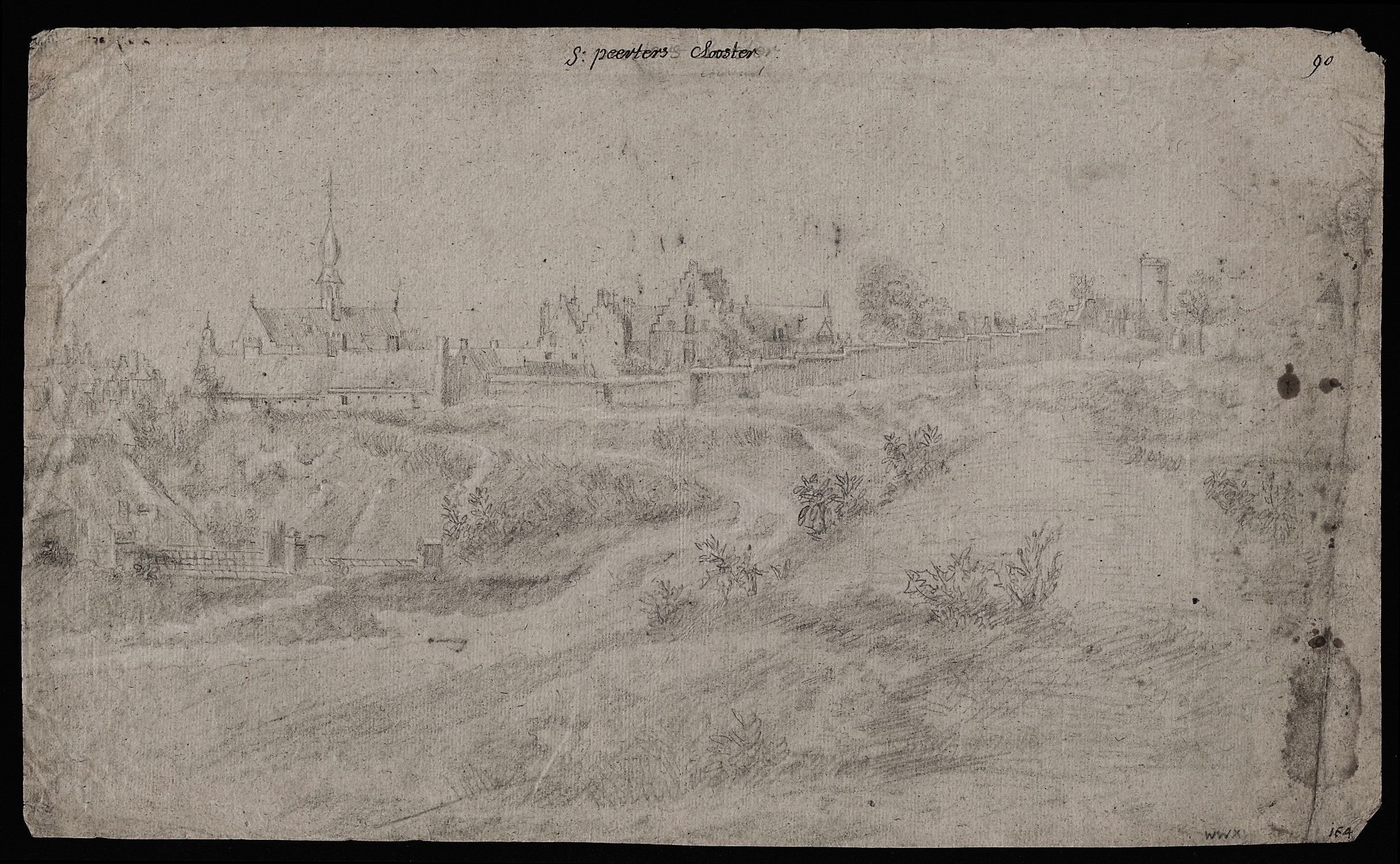
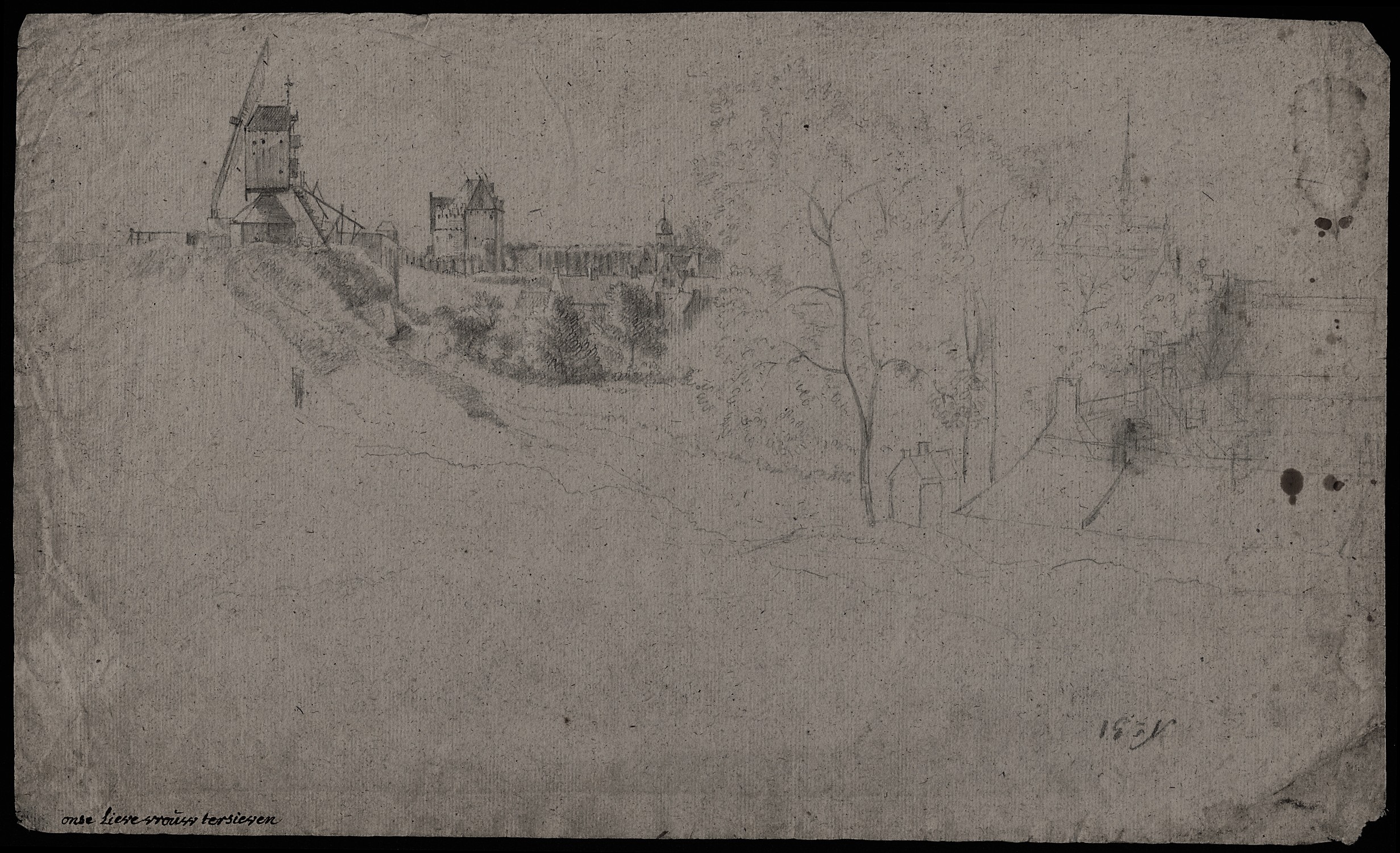
The third is a double-sided 18th-century charcoal drawing preserved in the Museum of the City of Brussels. In this pair of rare charcoal sketches that have survived, we see the front and back representations of the Sint-Pieters-ter-Zieken. In the front sketch, with the title “S. peeters clooster” (Saint Peter’s Monastery), it was drawn most likely close to the outer city gate of Obbrusselpoort (today’s Hallepoort). The hospital’s church is on the left and to the right, we see the famous watchtower of the outer city wall known as the “Wollendriestoren“. In the second sketch on the other side, entitled “onse Lieve vrouw ter sieken” (Our Beloved Lady of the Sick), the hospital itself is not so clear although its church spire can still de discerned so the artist was at the back of the hospital compound. This time round, the Obbrusselpoort can be clearly seen with a windmill in the foreground. It was clearly draw in the meadows known as the “Krekeldries” east of the Obbrusselpoort along the city wall.
The Transformation of Sint-Pieters-ter-Zieken into an Augustinian Monastery
As leprosy gradually subsided across Brabant during the 16th and 17th centuries, the number of lepers residing at Sint-Pieters-ter-Zieken declined sharply. The institution transitioned into an Augustinian convent community known as “Het Sint-Pietersklooster en Onze-Lieve-Vrouw ter Zieken” (The Monastery of Saint Peter and Our Beloved Lady of the Sick). The last female leper in Brussels died at the site in 1749.
Following her death, the complex functioned purely as an Augustinian monastery.
In 1783, under the Enlightenment administrative reforms of Habsburg Emperor Jozef II, the monastery was suppressed as a “useless institution”. In 1784, the Emperor re-established the site as a public general hospital, operating initially as an annex to the ancient Sint-Jansziekenhuis (Hospital of Saint John).
Current situation
A Protected Building since 2021
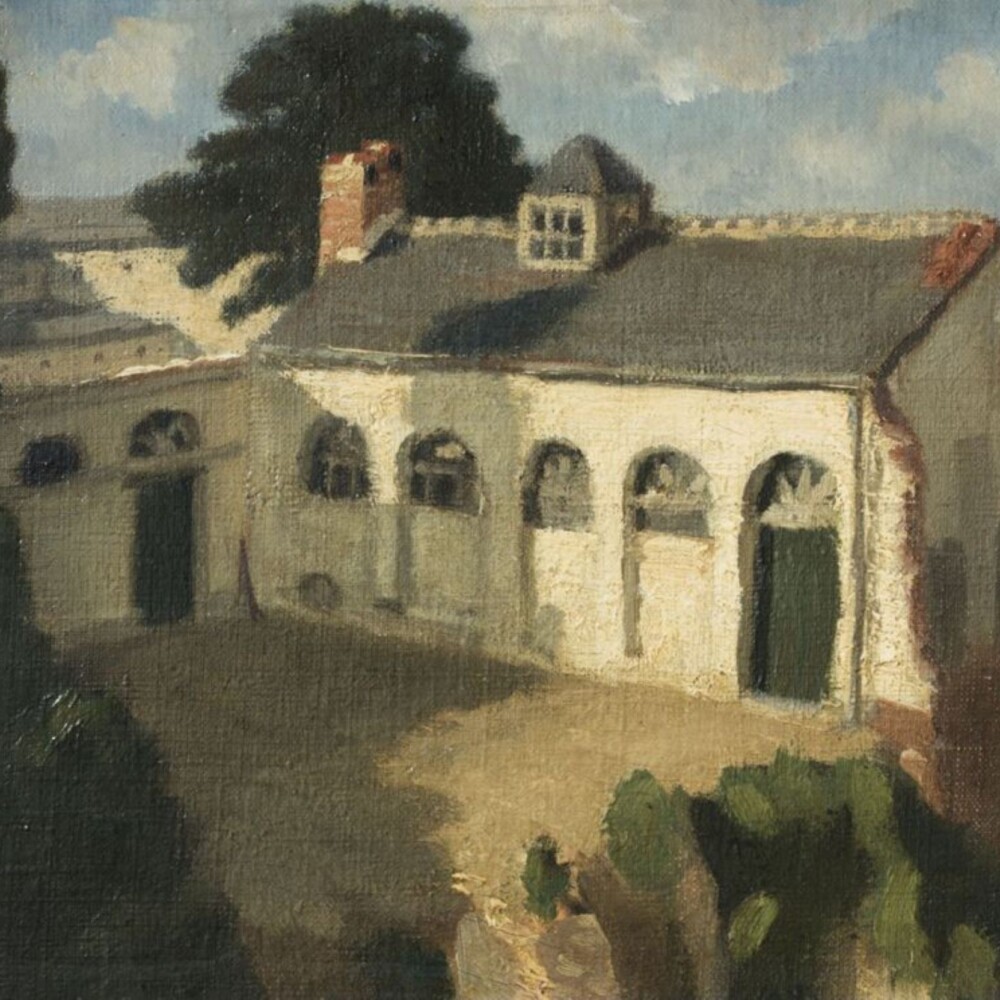
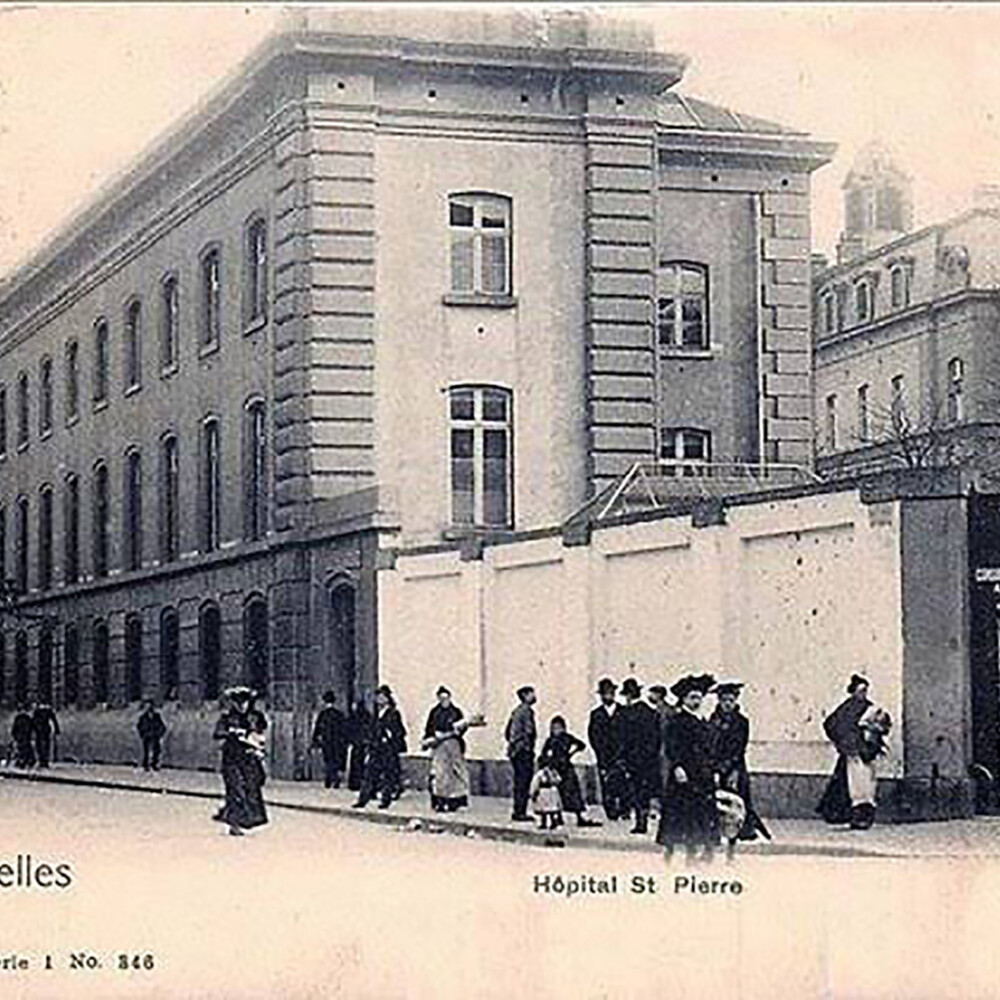
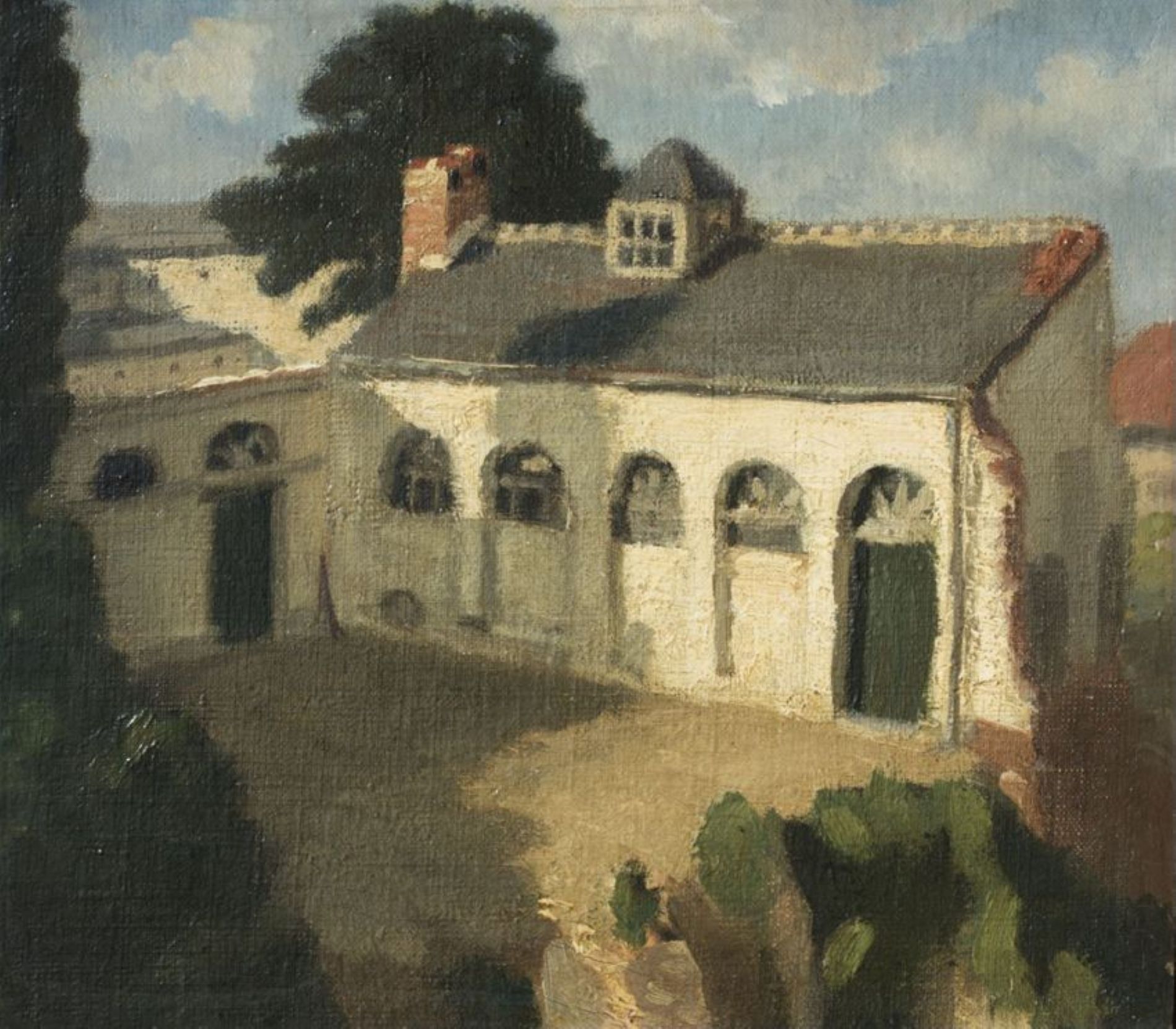
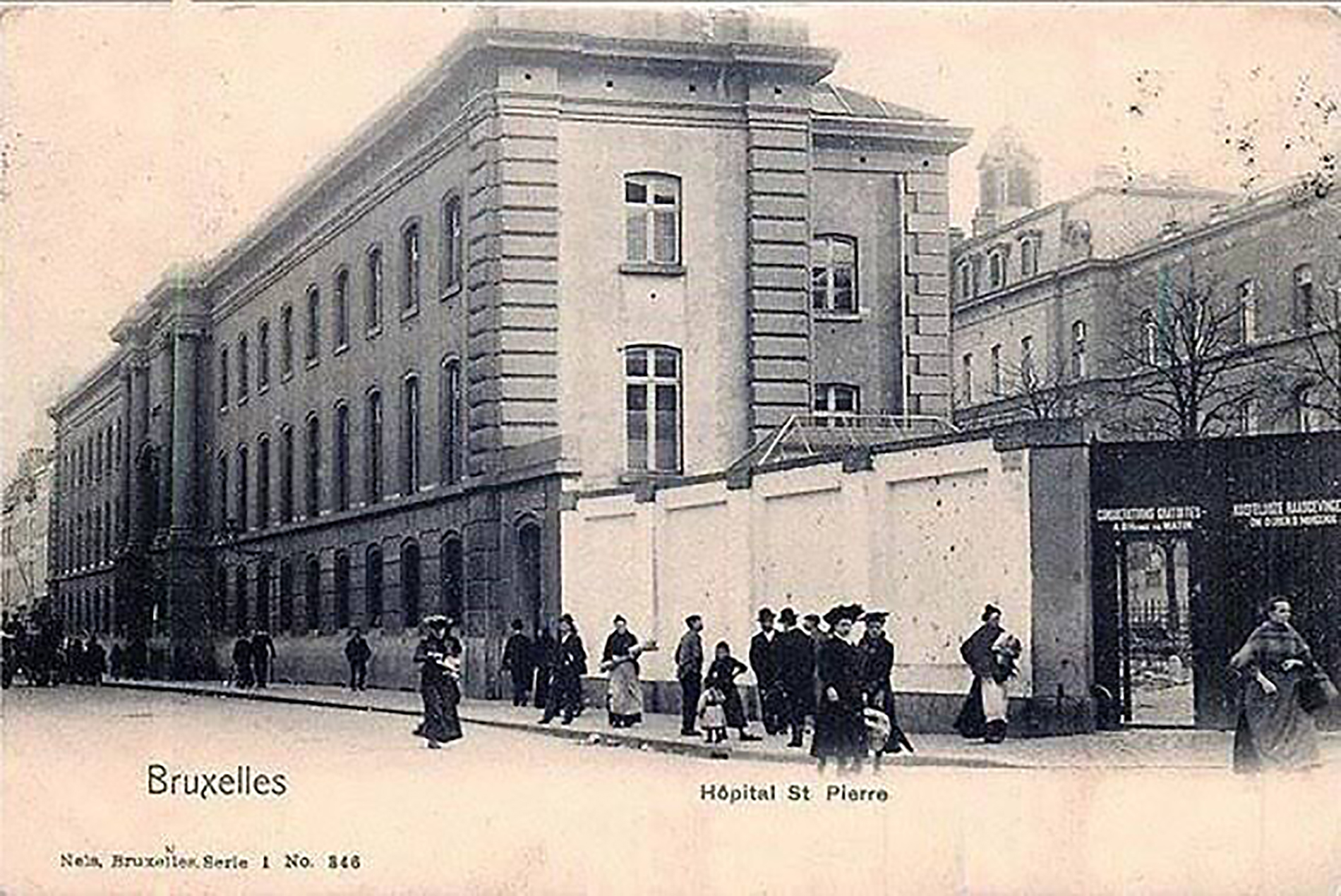
During the Belgian Revolution of 1830, the hospital played a pivotal medical role, admitting dozens of wounded combatants and civilians during the “Four Days of Brussels”. Chief surgeon Dr. Louis Seutin distinguished himself by organising emergency field care and treating both Dutch soldiers and Belgian revolutionaries impartially. In the decades following independence, the aging institution underwent three major rebuilds: first in 1848 with a neoclassical design by architect Hendrik Partoes; There is an interesting oil painting by Léopold Speekaert of the dissection room of the hospital. Second between 1926 and 1935, when architect Jean-Baptiste Dewin designed a modern medical campus co-financed by the Rockefeller Foundation; and most recently between 1995 and 2005, when the present-day hospital complex was thoroughly renovated.
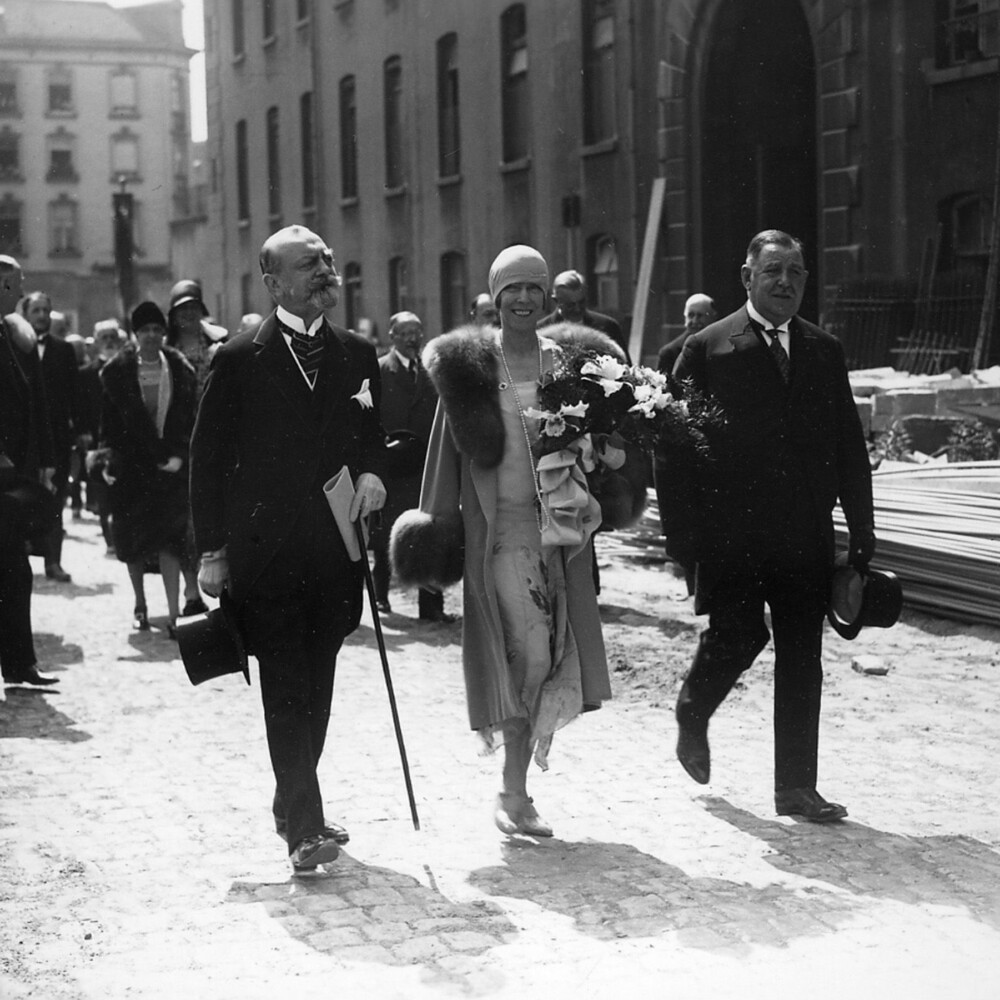
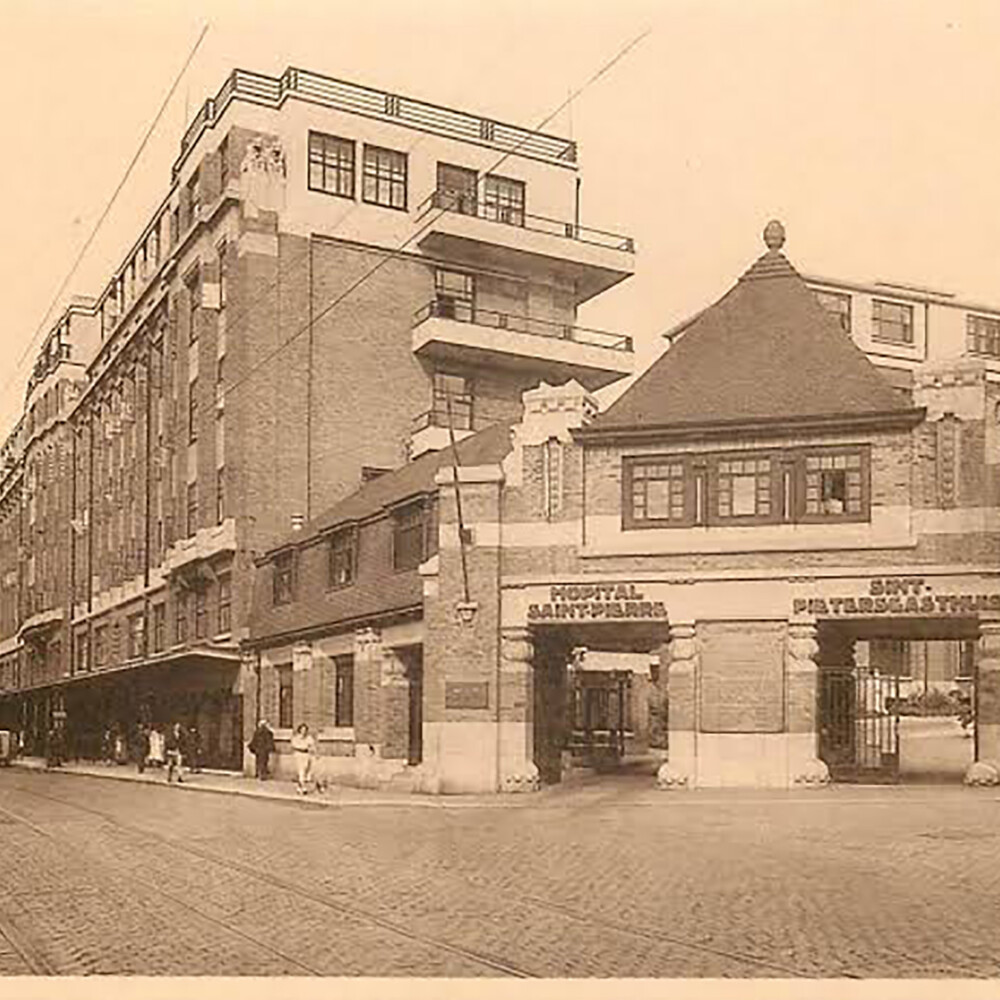
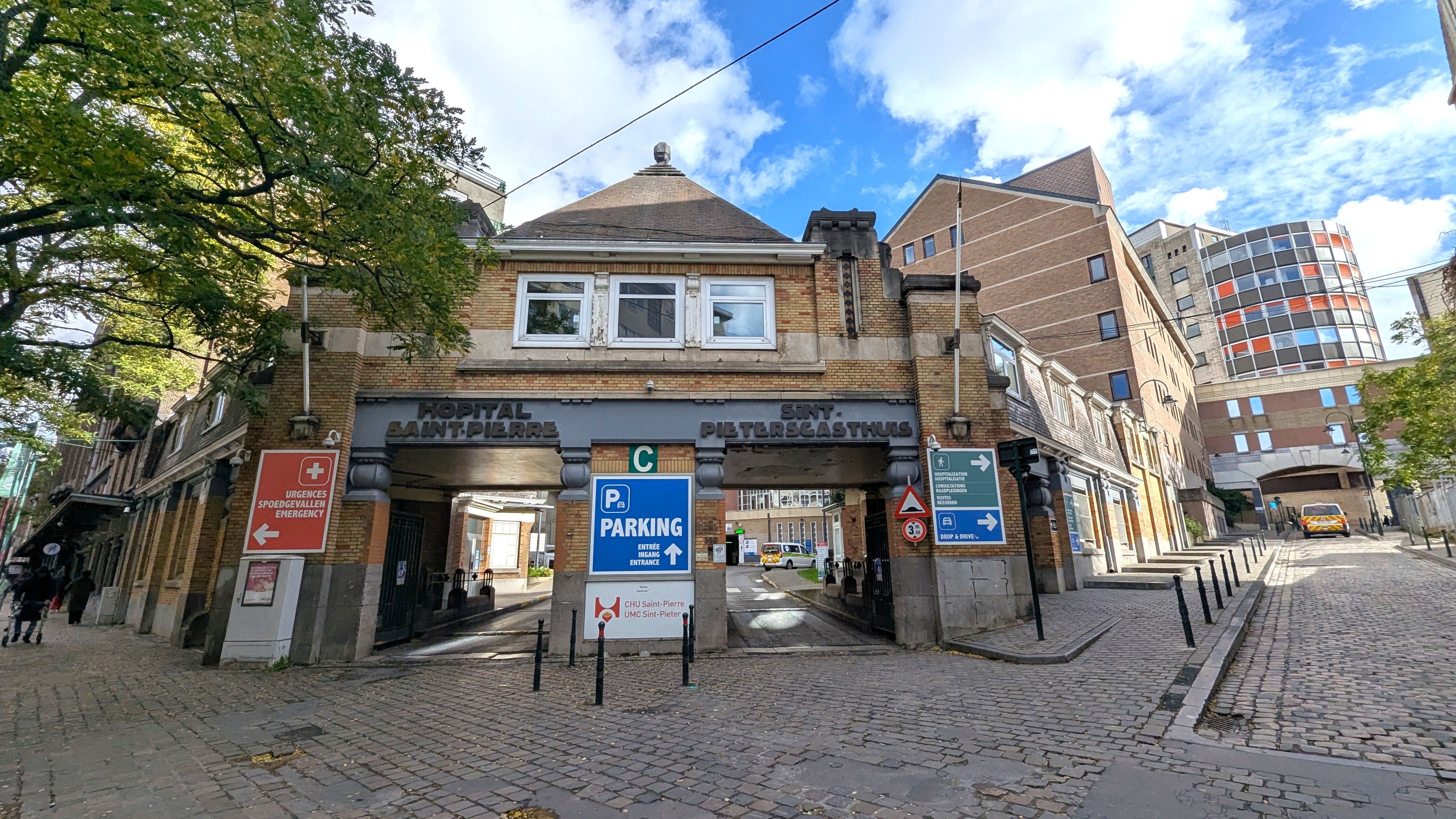
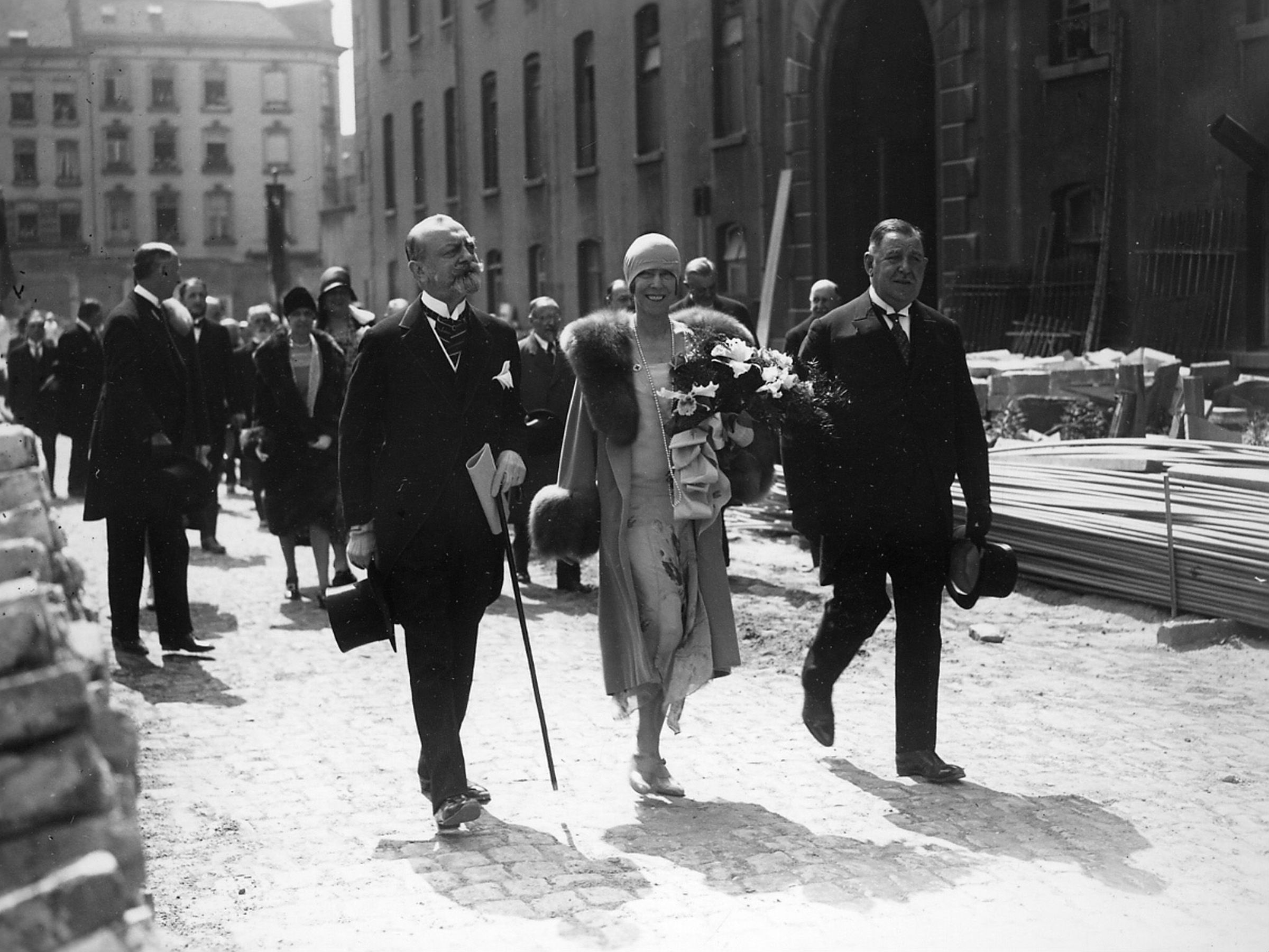
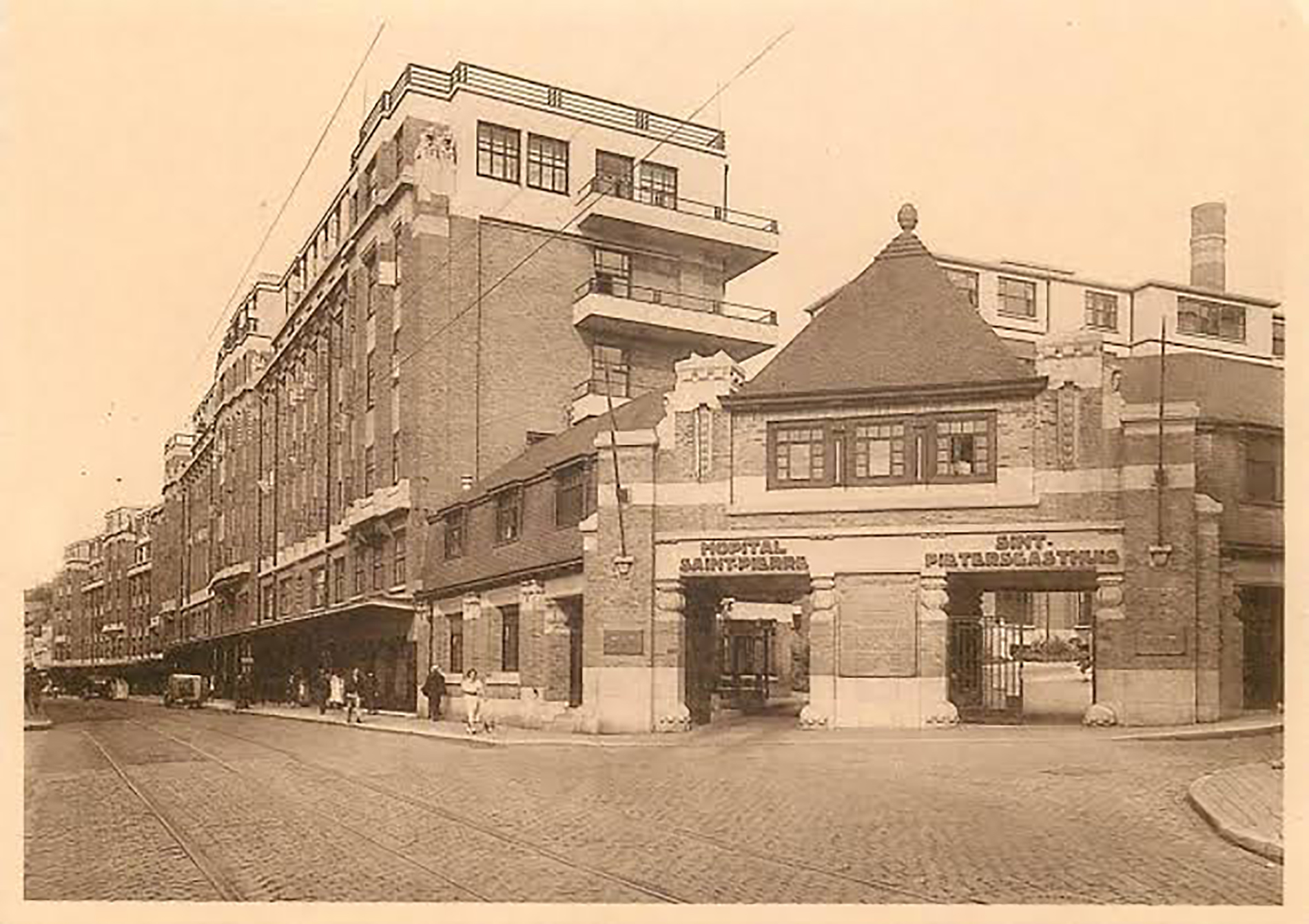
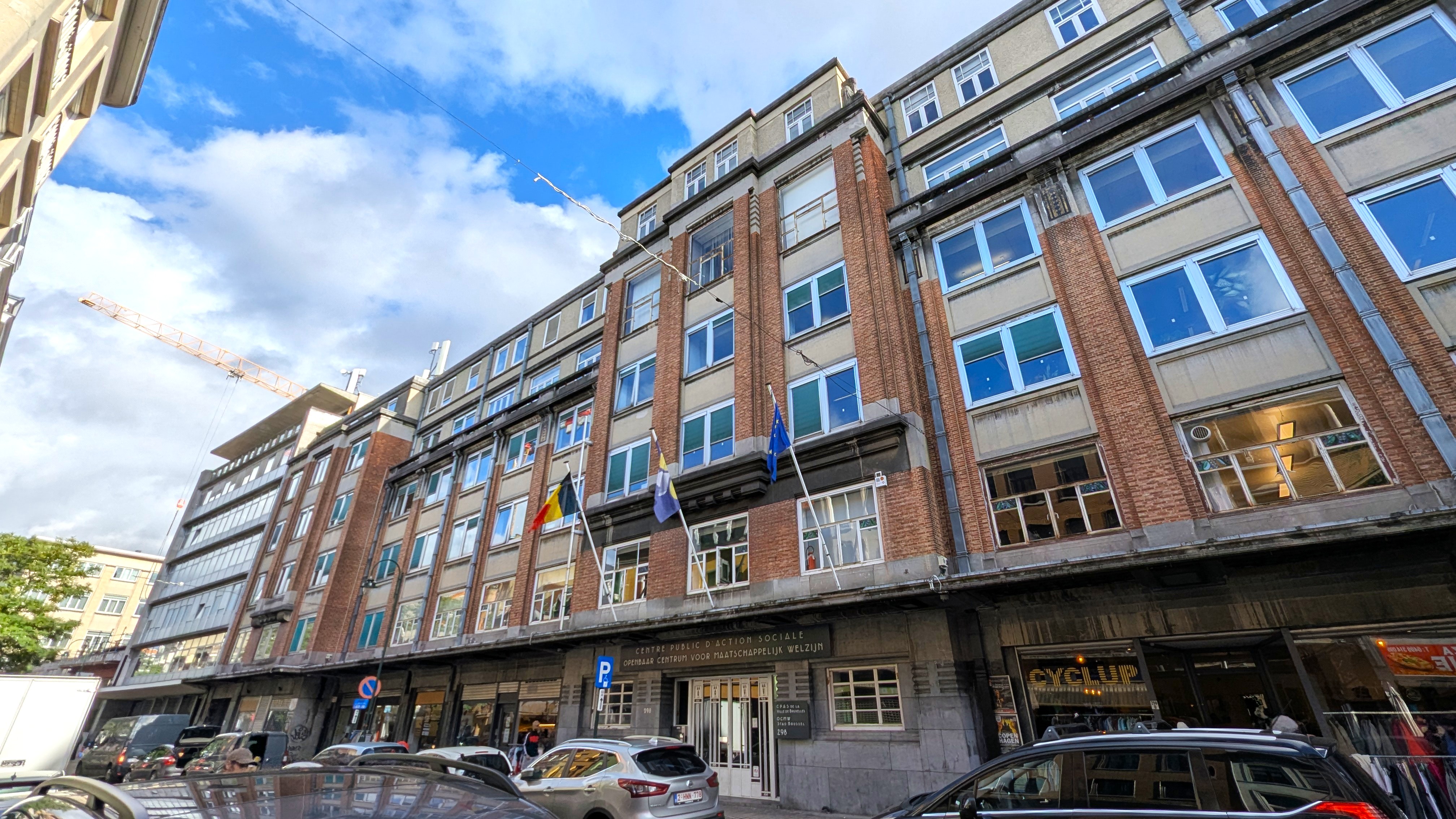
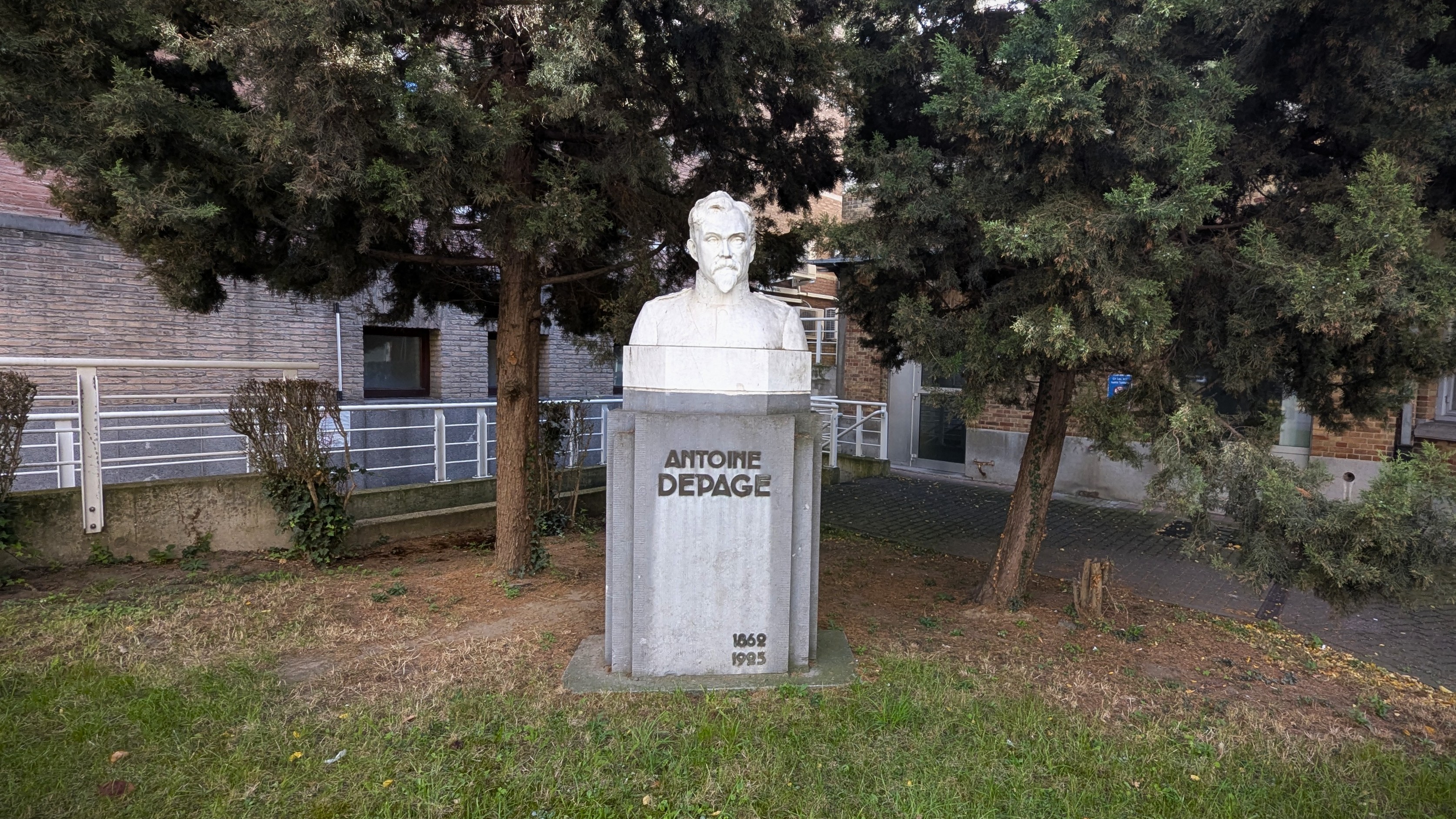
The second Art Deco rebuild designed by Jean-Baptiste Dewin was an important event. Queen Elisabeth of Bavaria (1876-1965), wife of King Albert I (1875–1934), laid the foundation stone in 1929. The “Hôpital Saint-Pierre” (Saint Pieter’s Hospital) officially opened in 1935.
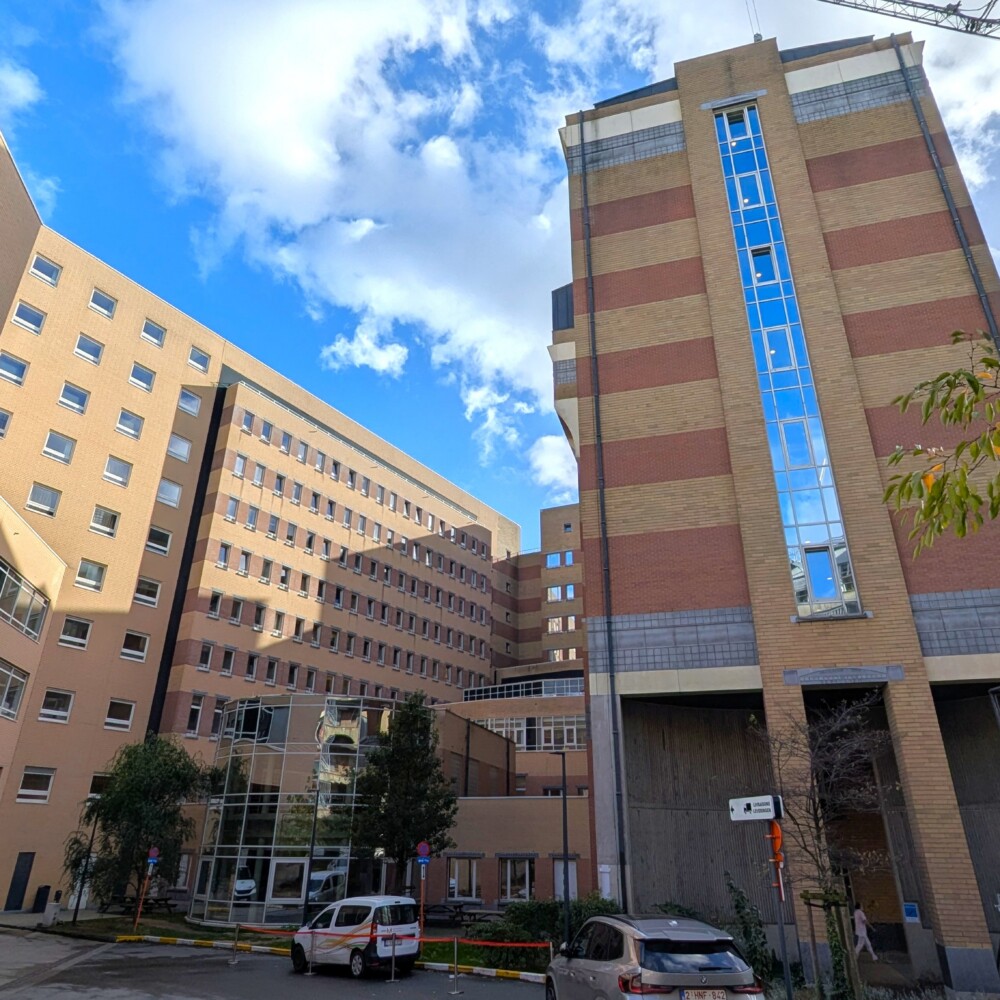
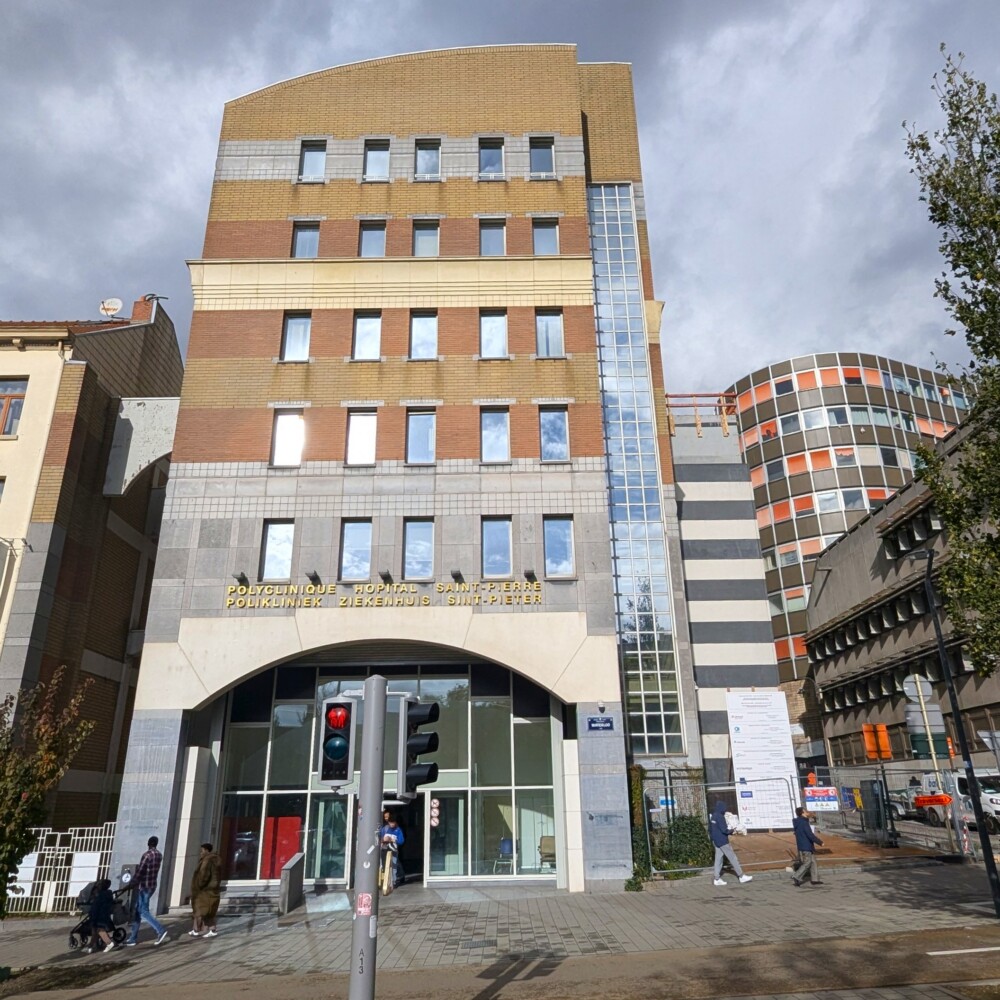
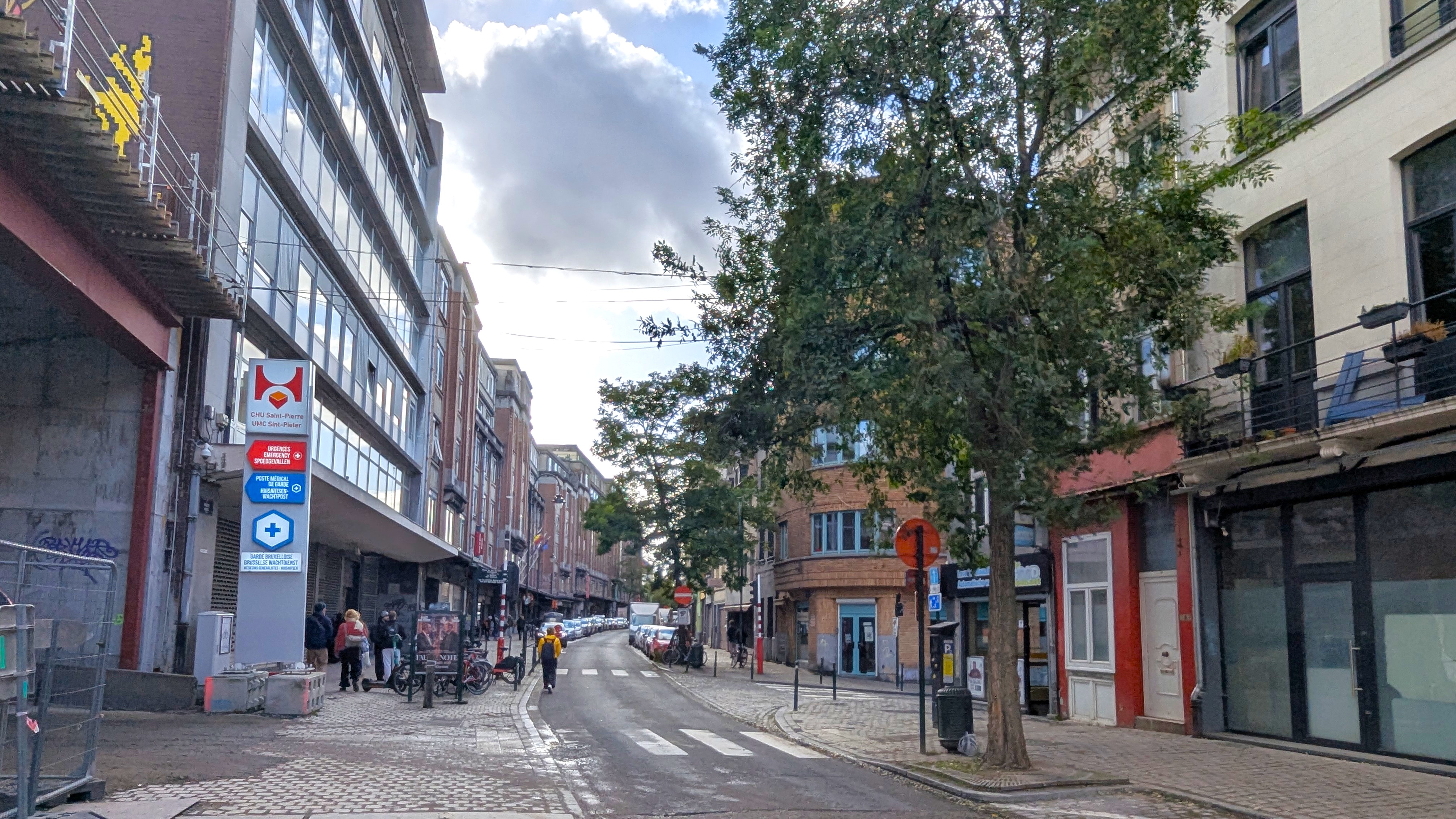
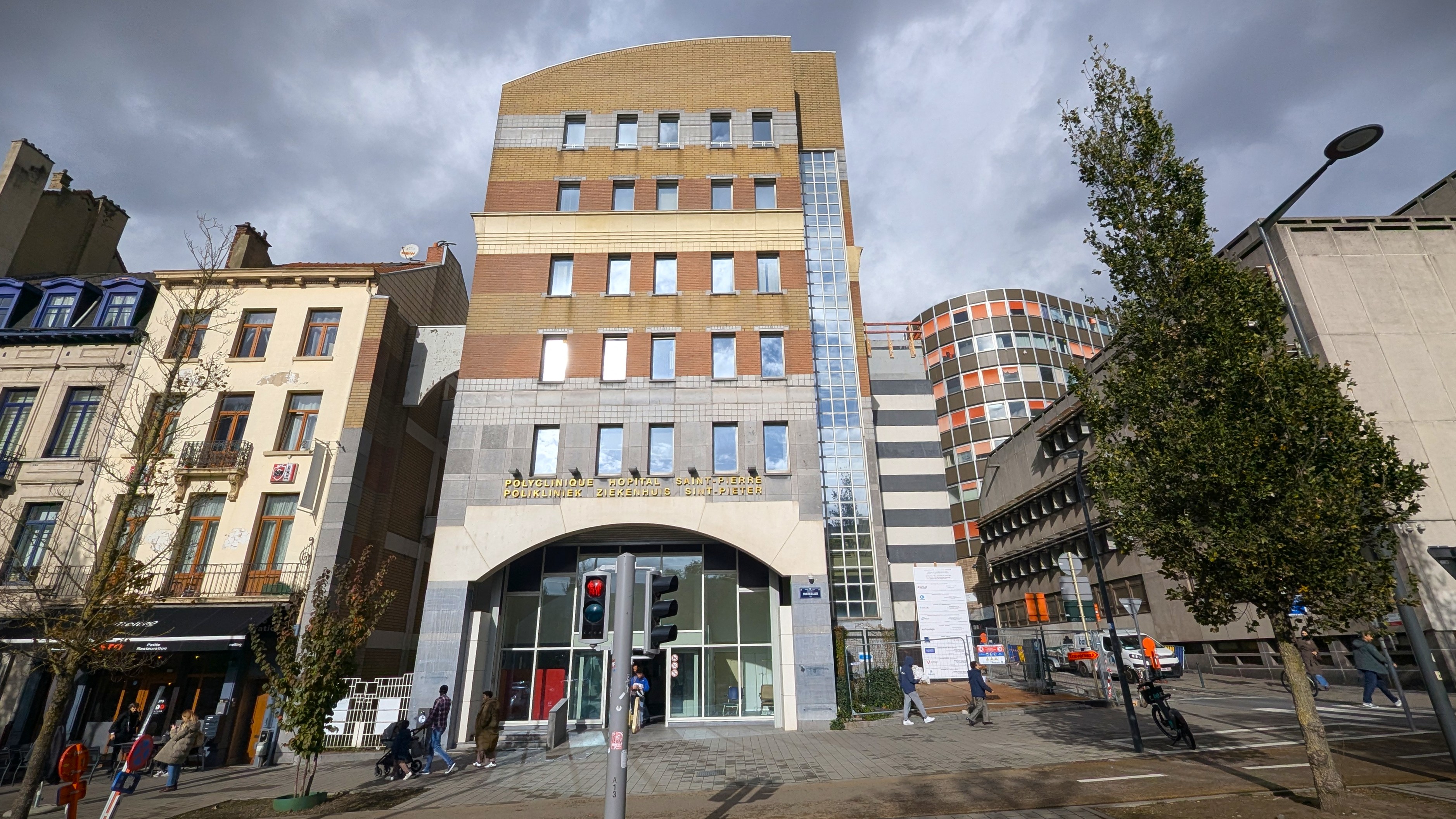
By 1995, the hospital buildings were in disrepair, especially after the ravages of two World Wars. It took ten years for the renovation and rebuilding to be completed, by then, it opened as the “Centre hospitalier universitaire Saint-Pierre” or “CHU Saint-Pierre” [in Dutch: Universitair medisch centrum (UMC) Sint-Pieter]. From 2015 onwards, it was part of the IRIS hospital network in Brussels.
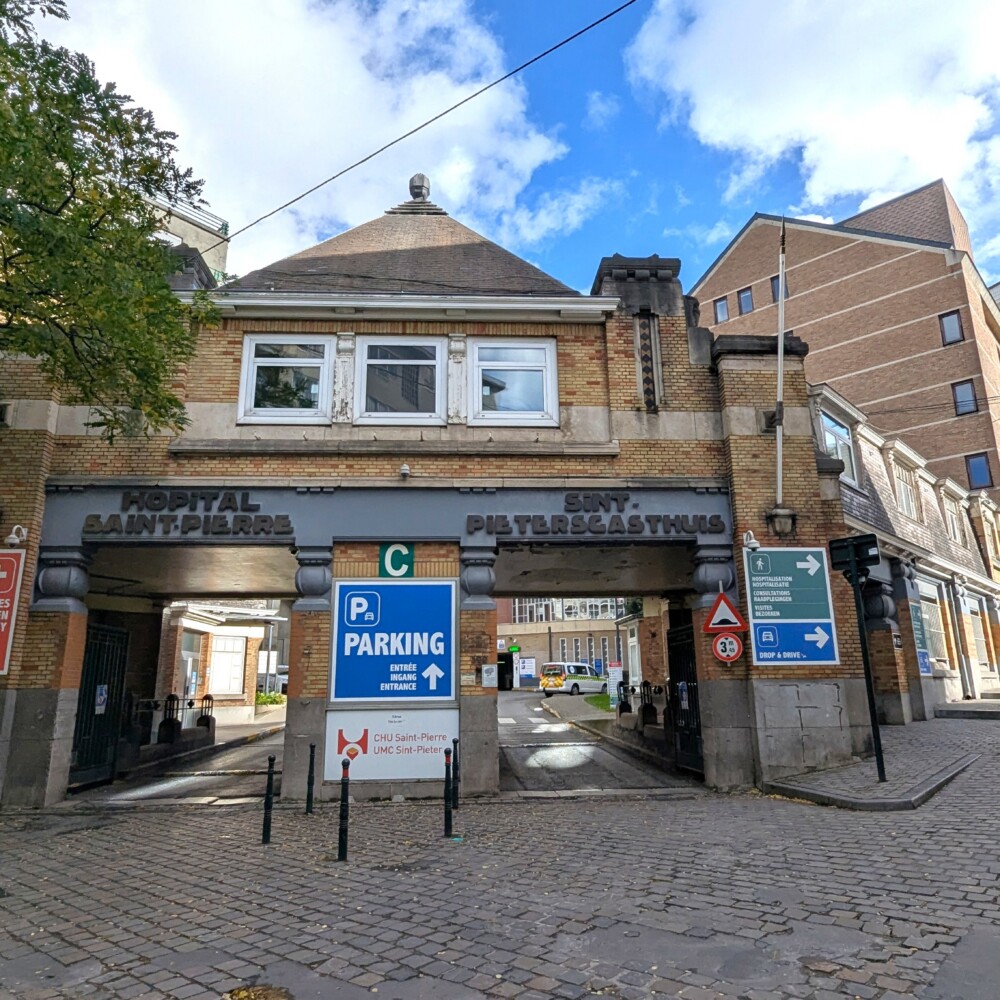
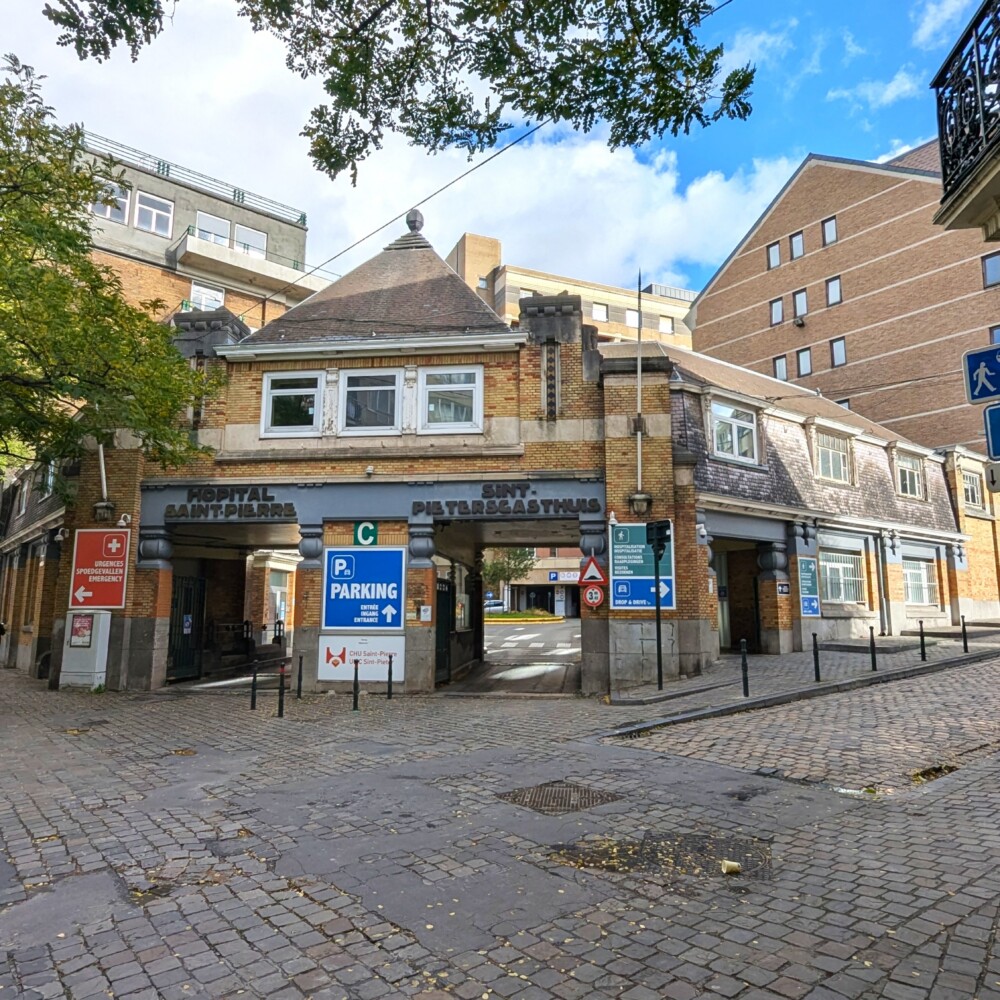
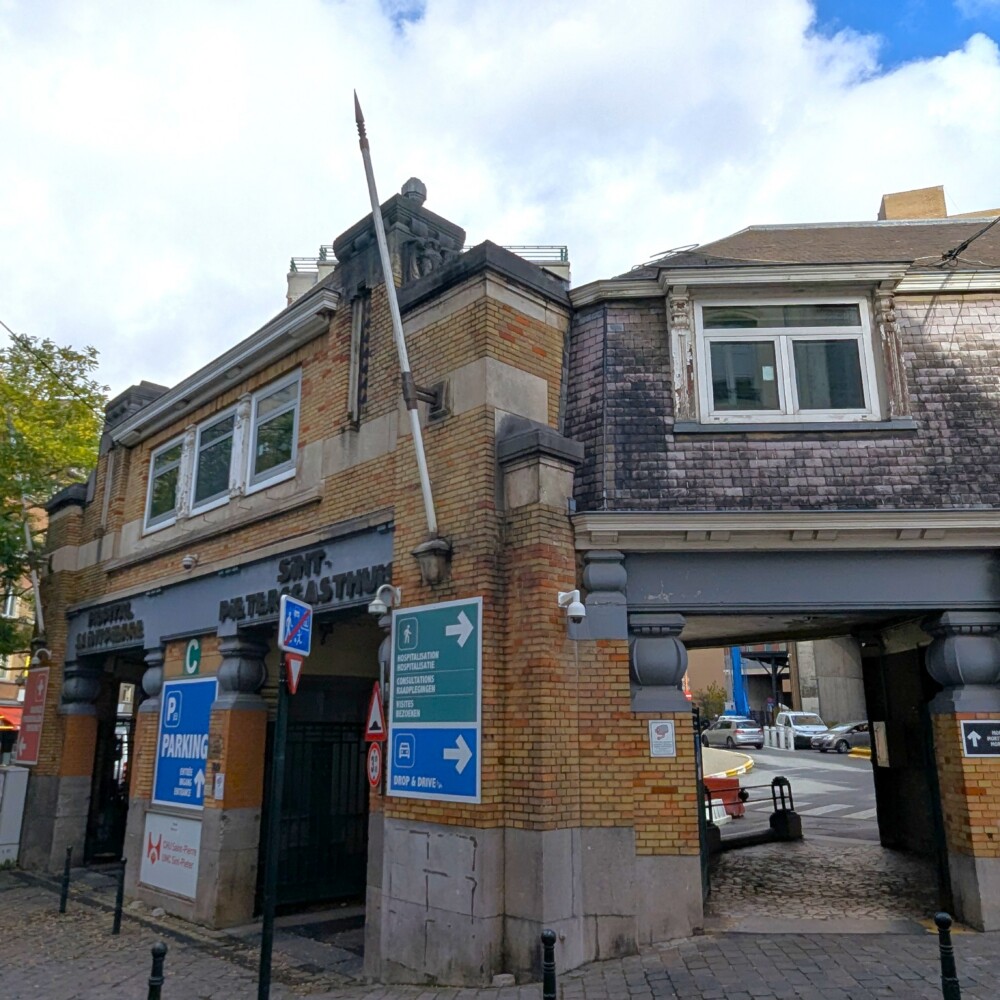
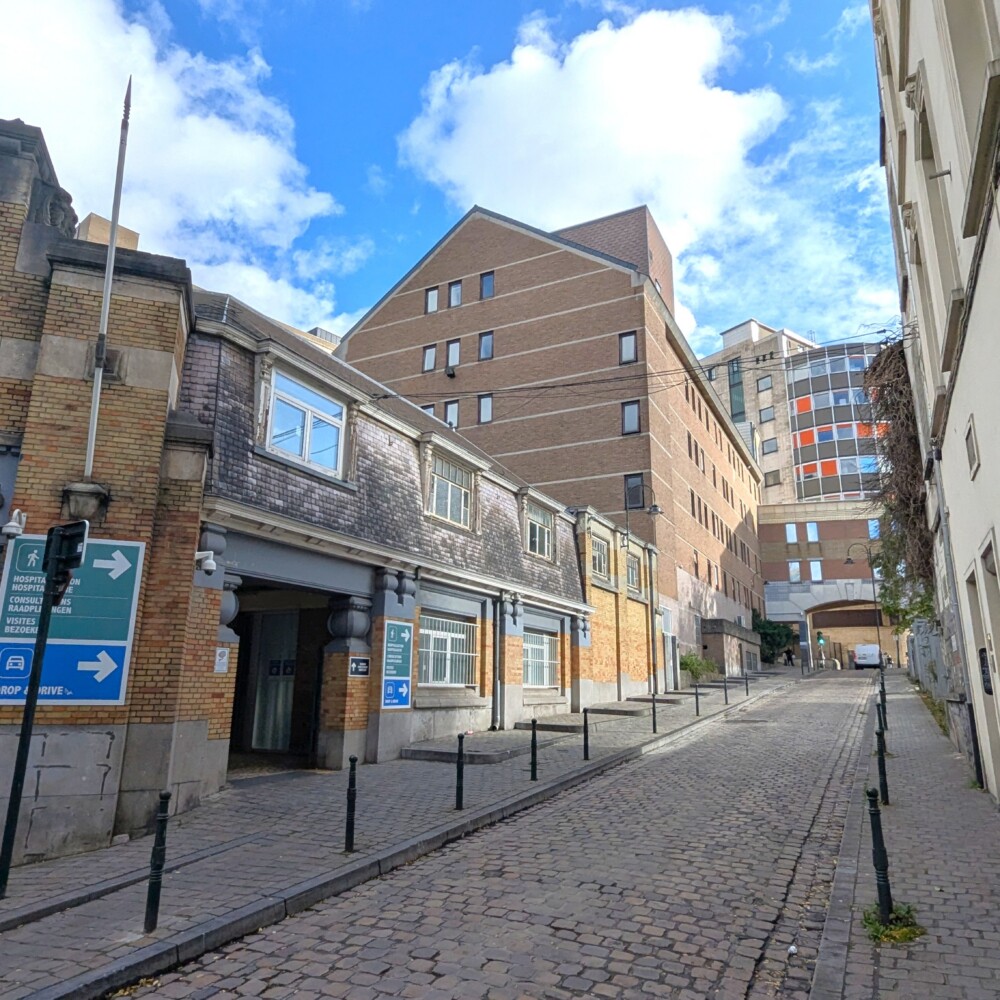
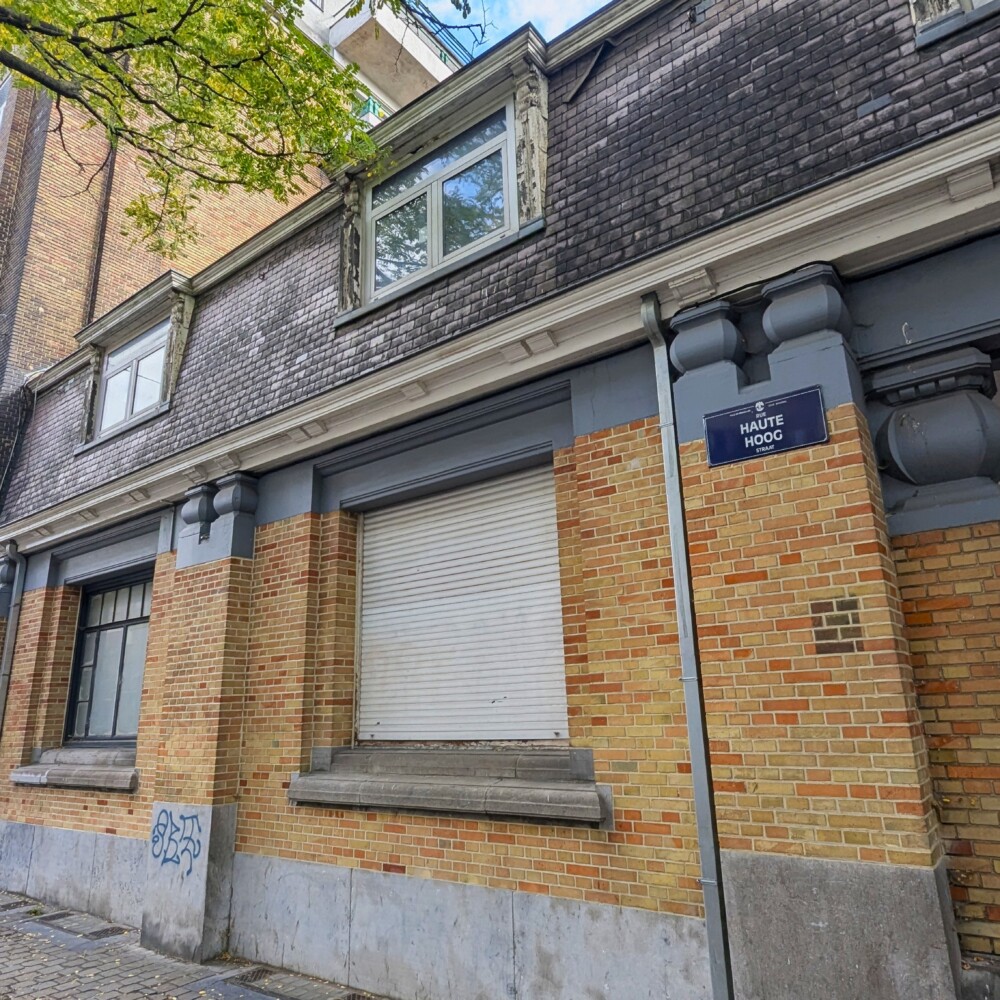
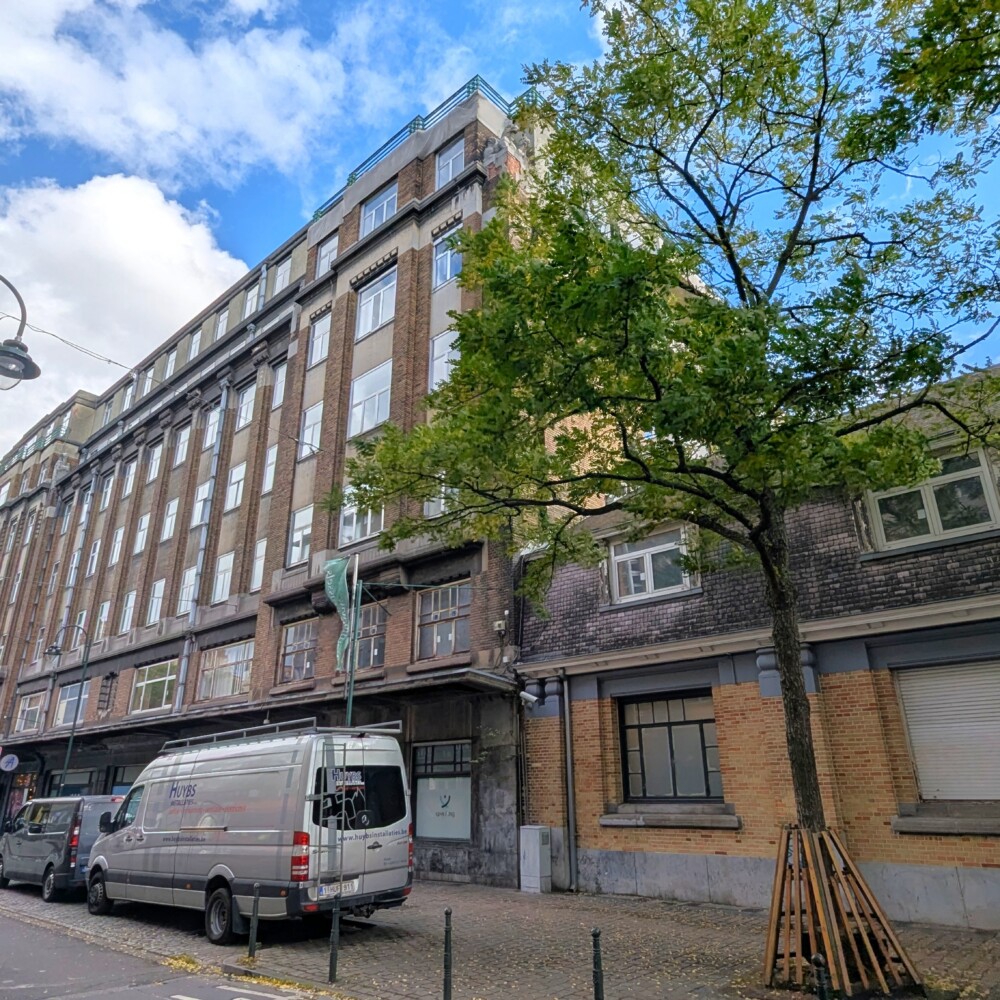
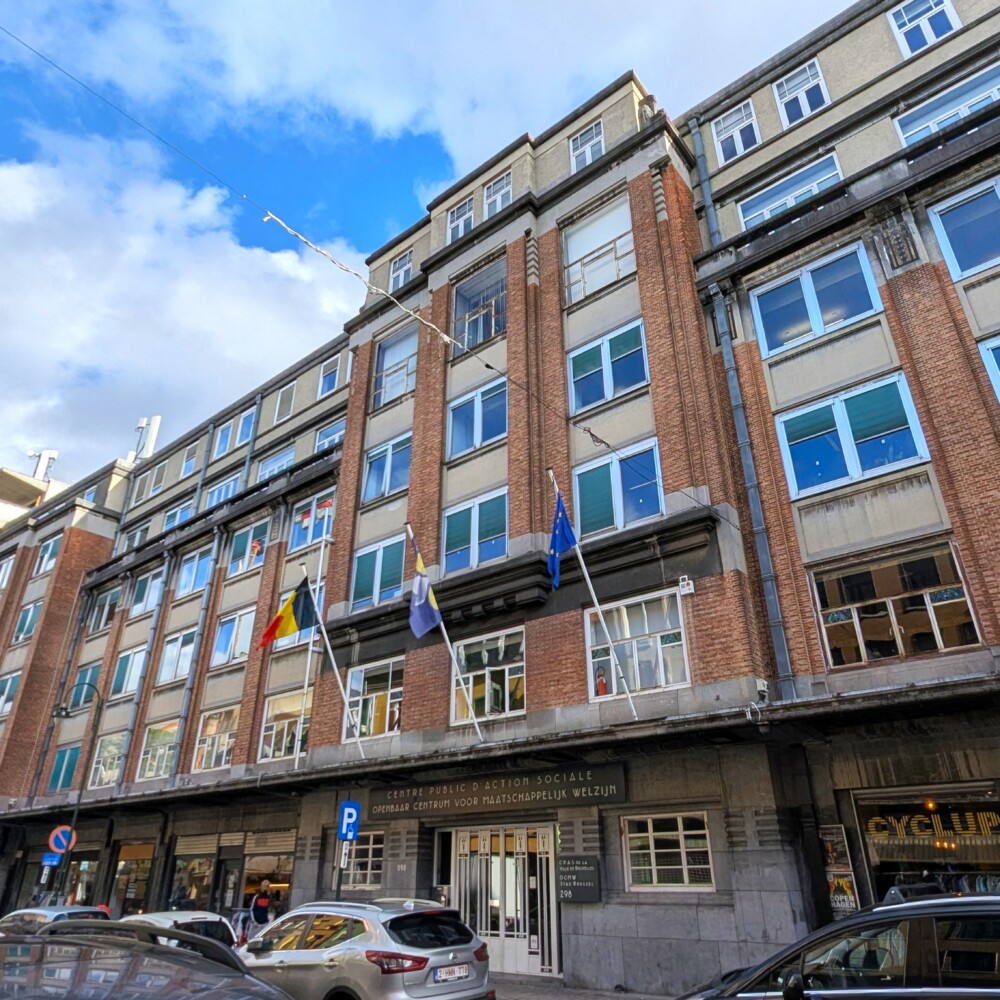
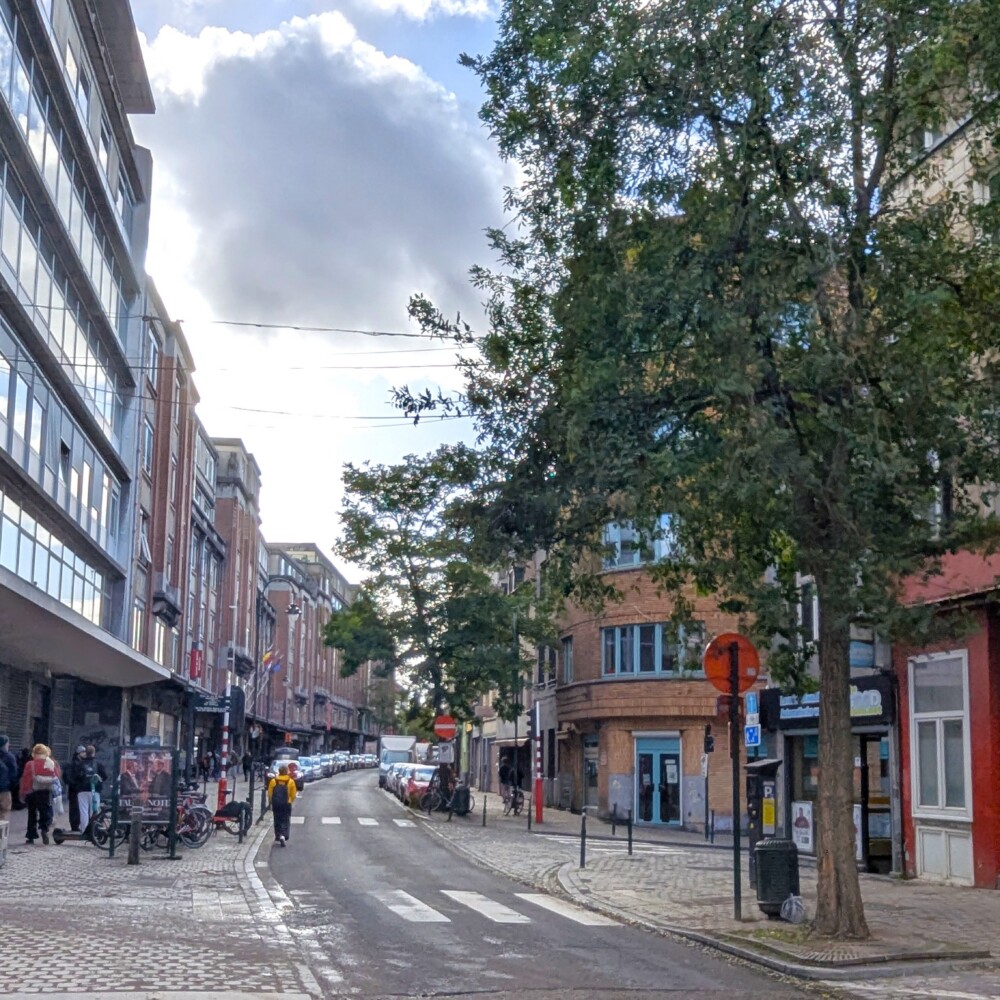
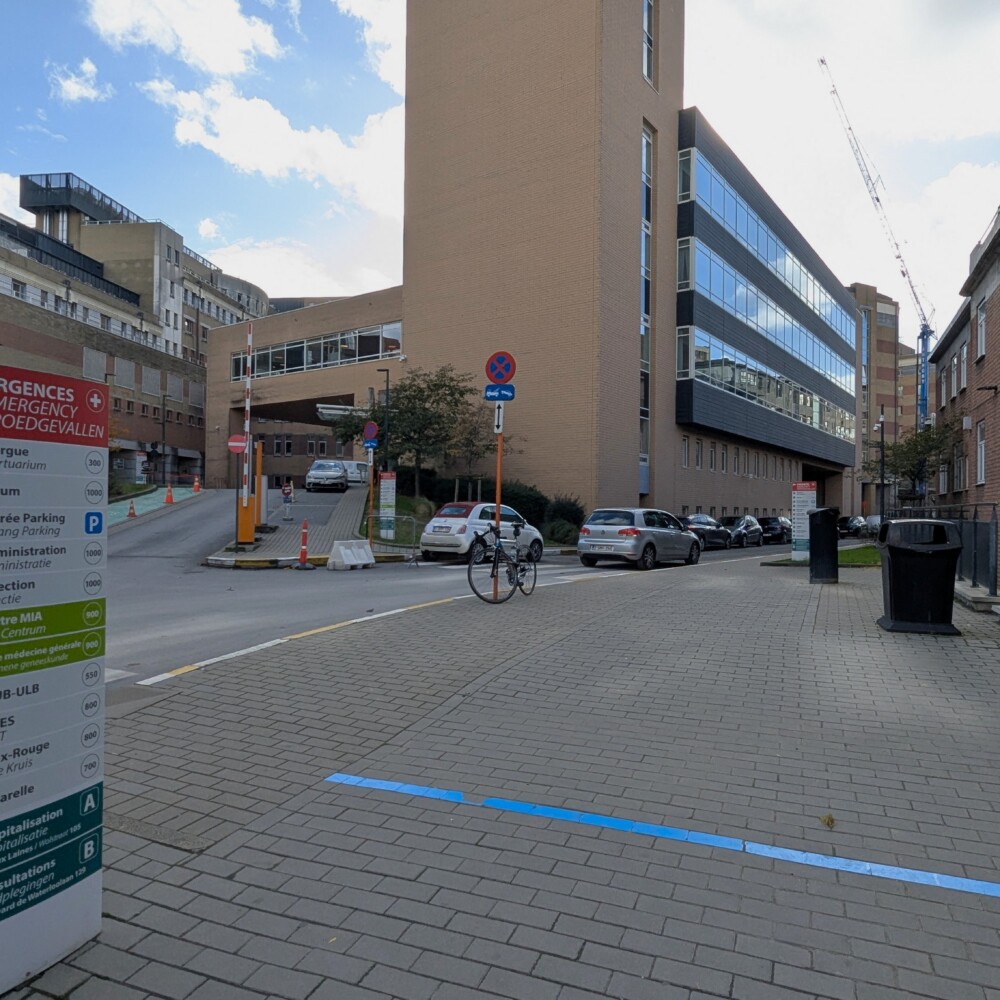
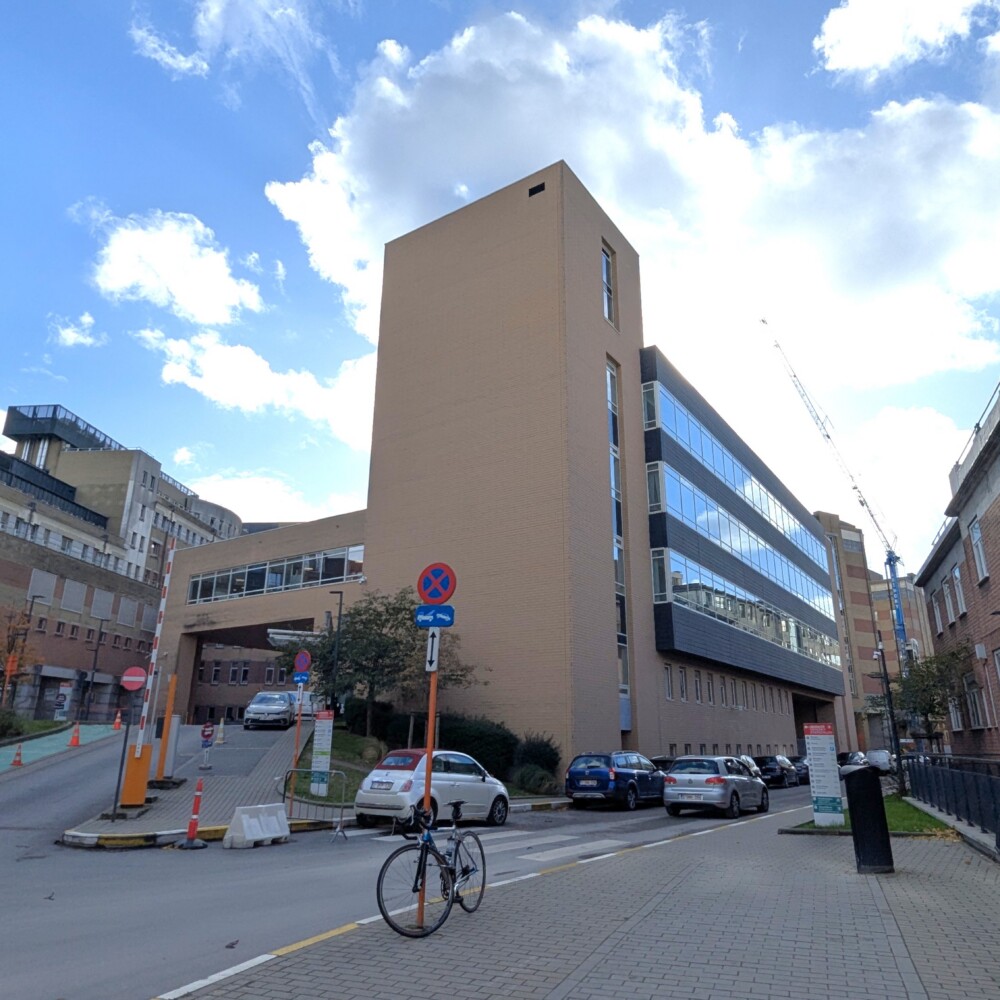
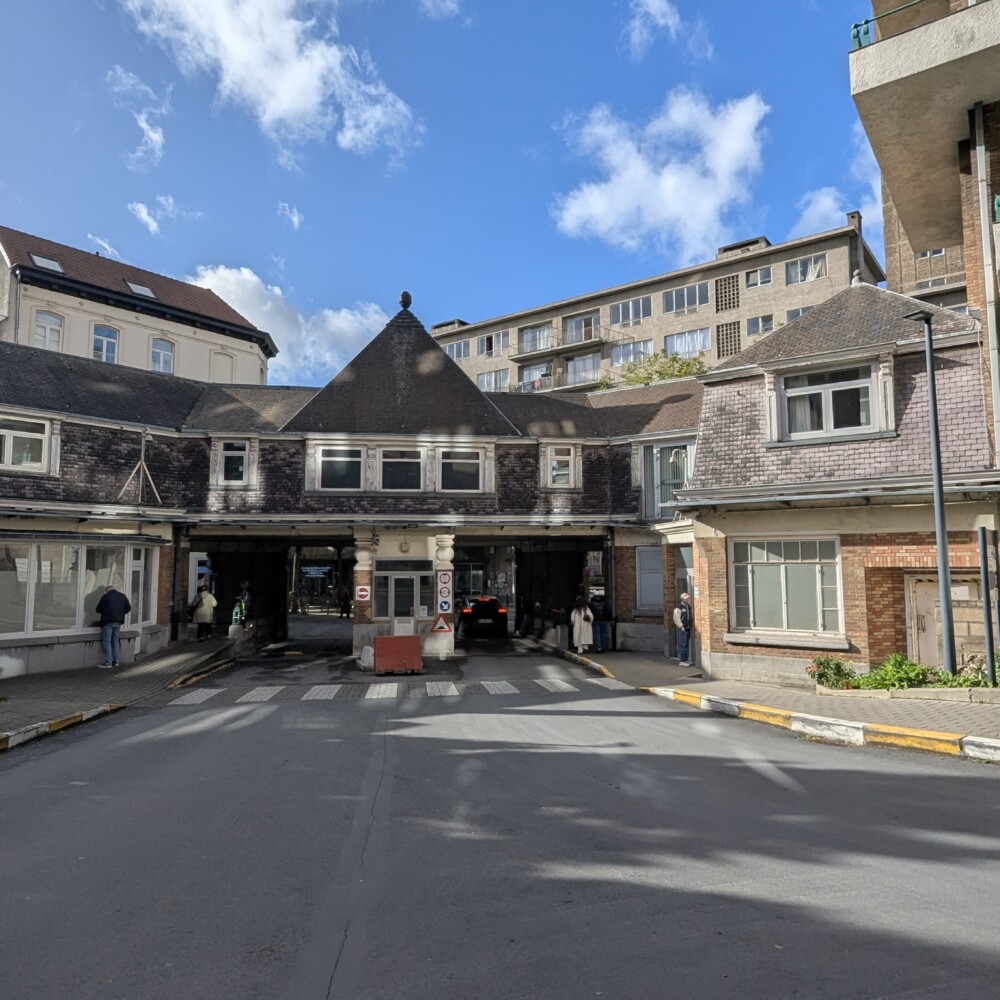
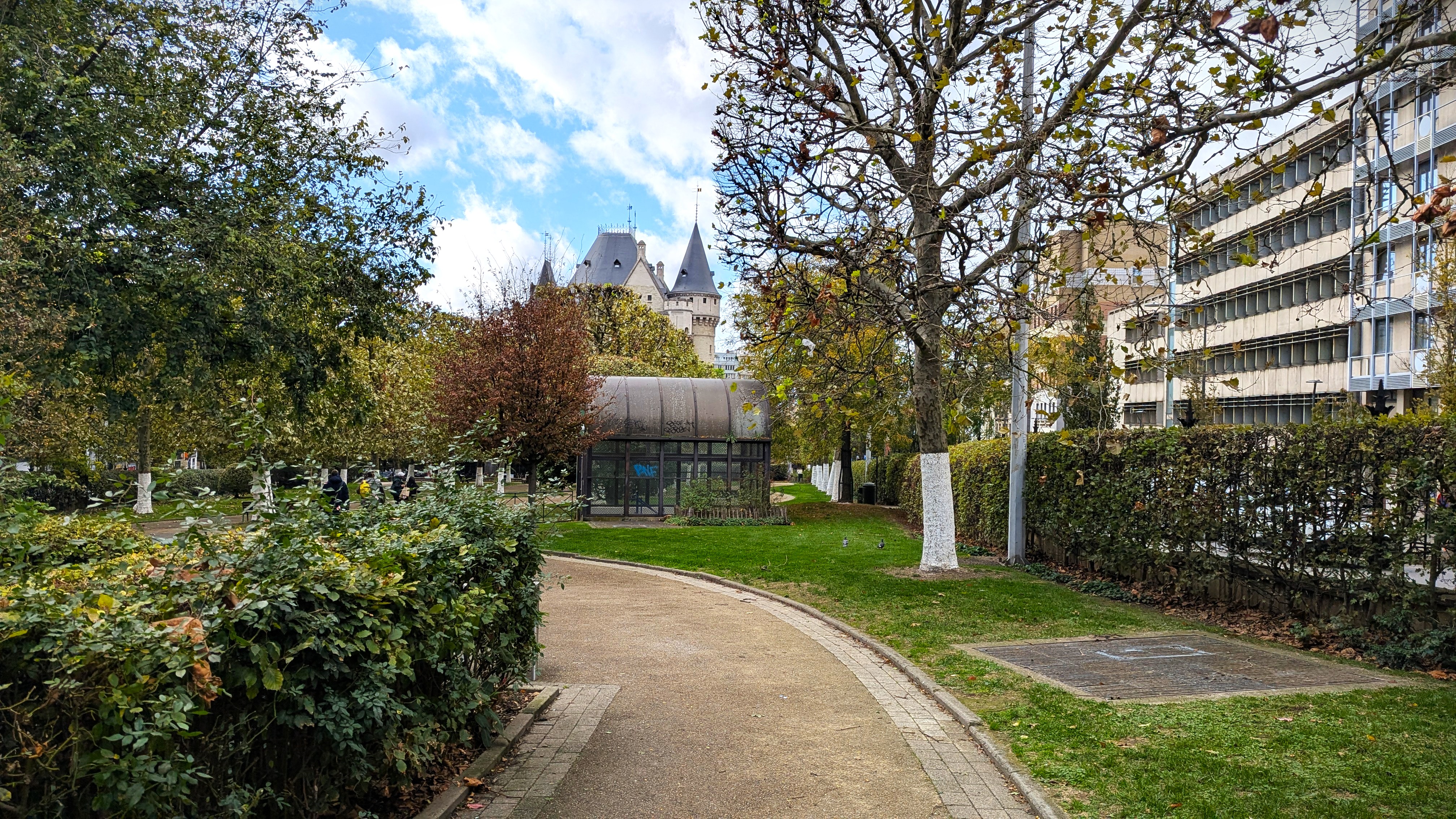
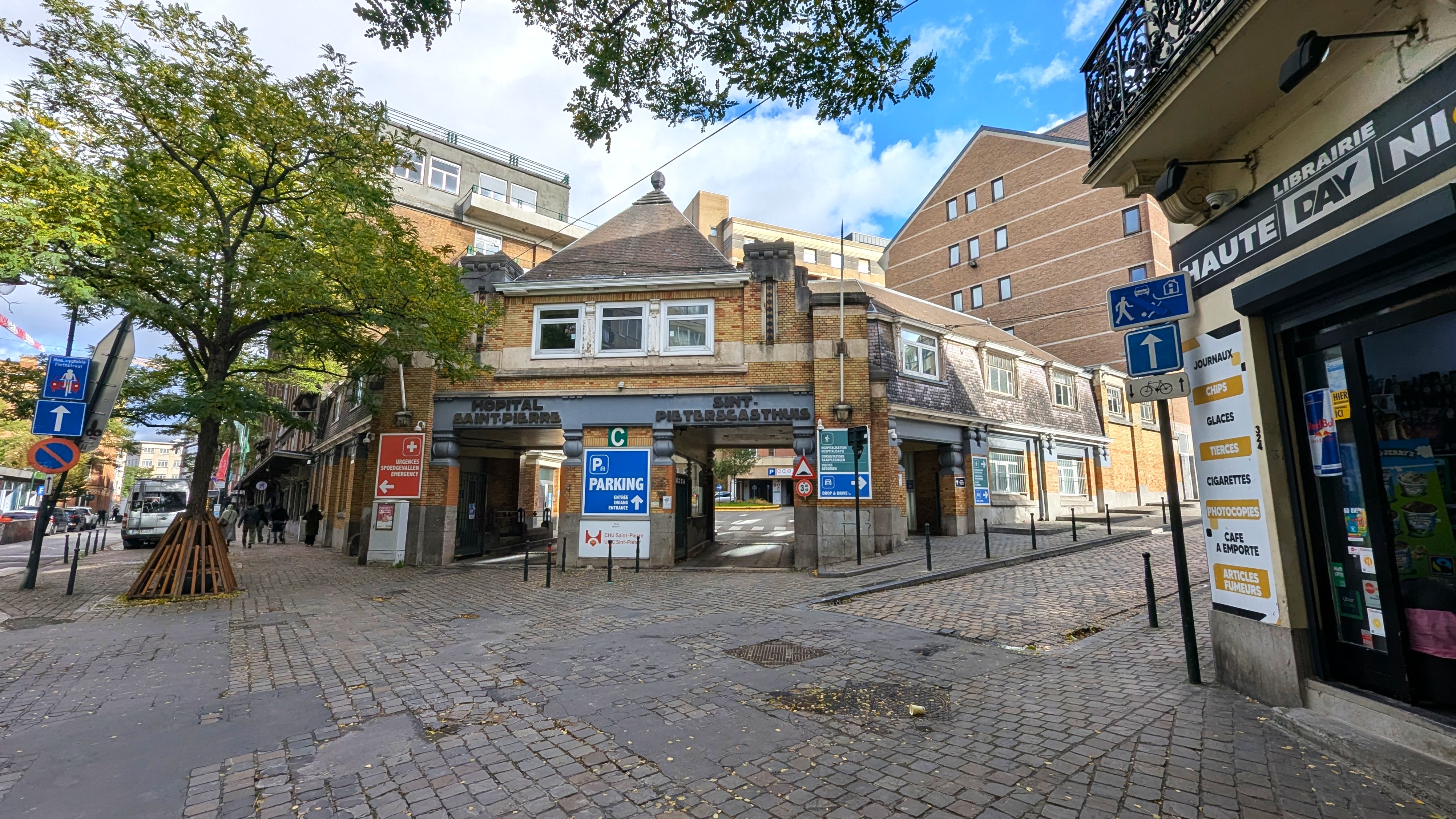
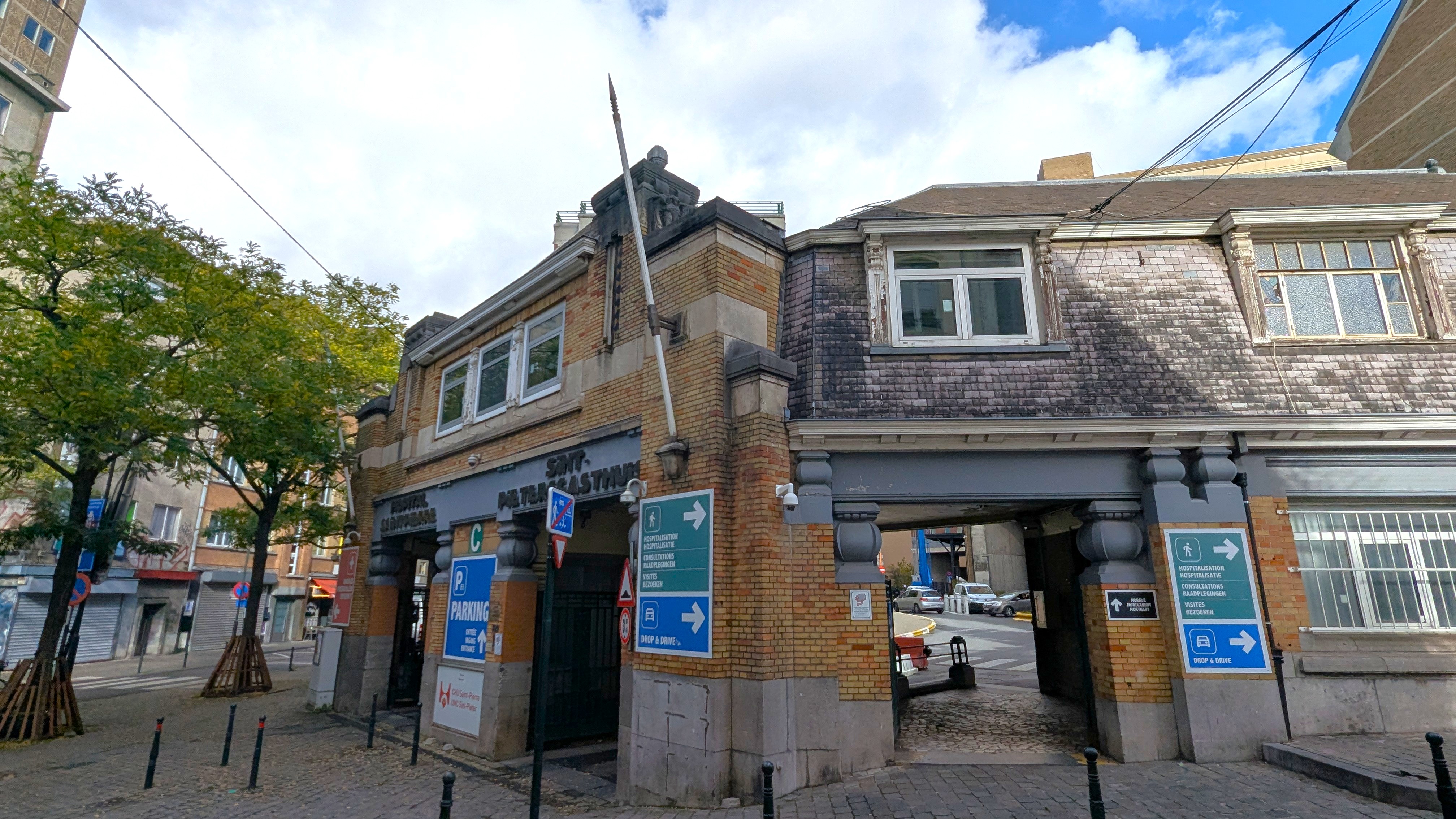
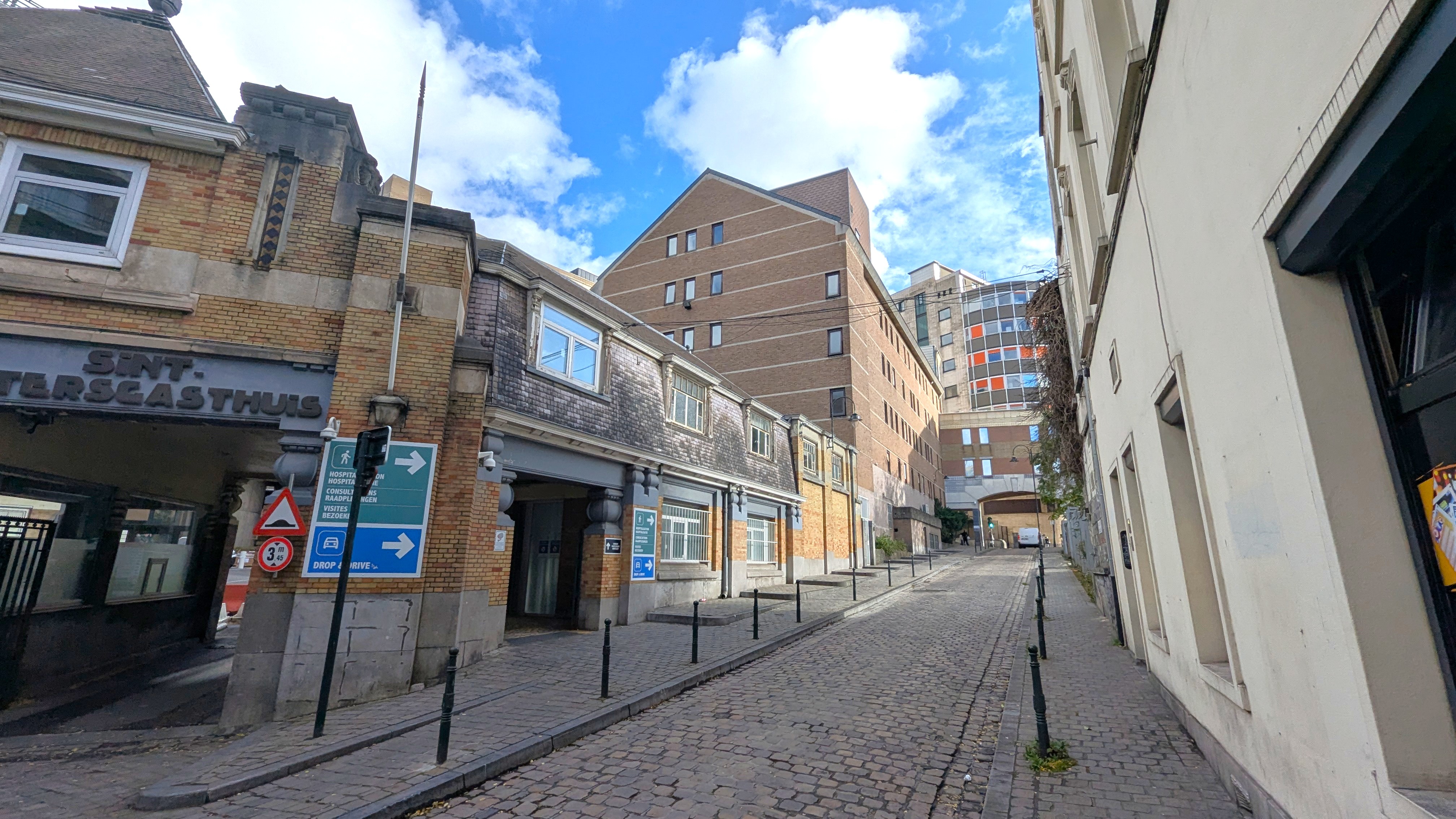
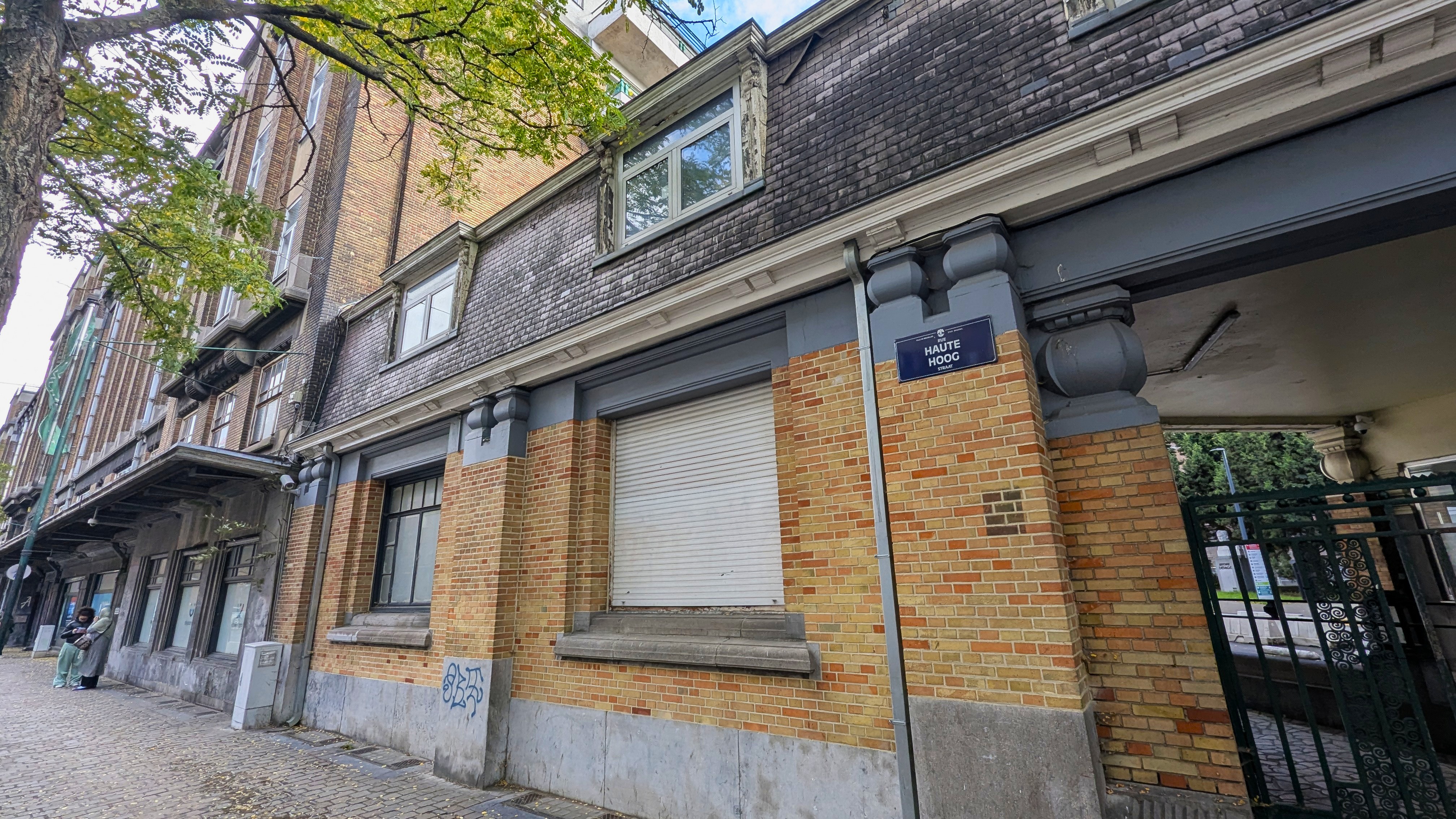
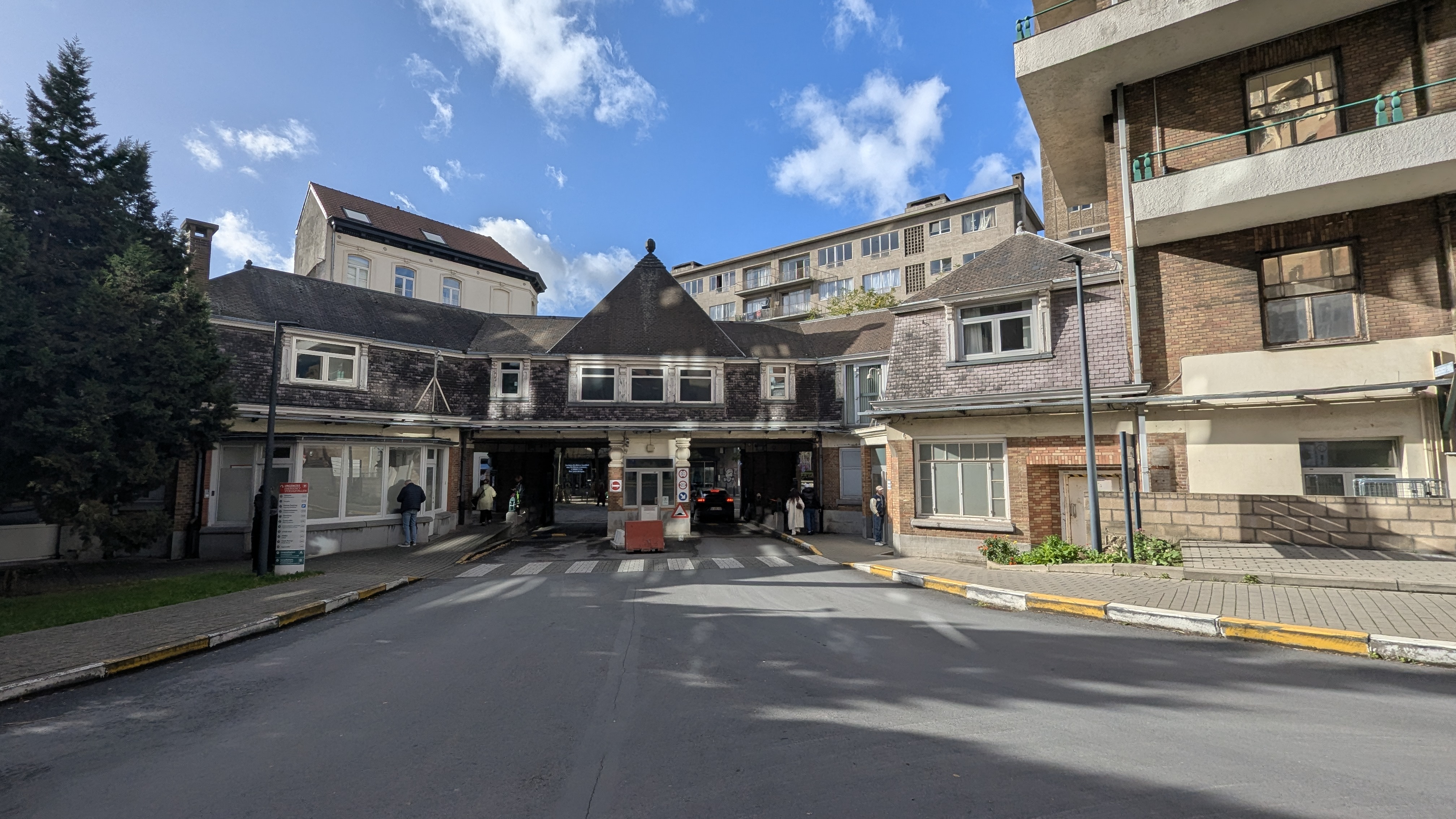
The historical and architectural value of the site was only recognised as a monument in 2021, but not much from Dewin’s design has survived. The front portal has been preserved as a driveway entrance and much of the buildings along the Hoogstraat. All else has been torn down, replaced by modern blocks from the 1990s.
This is even more so for the medieval remnants of the original leper house of Sint-Pieters-ter-Zieken, if there were any hidden in the grounds beneath. But what is remarkable, is that the boundaries of today’s Saint Peter’s Hospital in Brussels is exactly the same as the 17th century engraving by Sanderus.
Sources:
Vannieuwenhuyze, B. (2011) “Brussel, de Ontwikkeling van een middeleeuwse stedelijke ruimte.” Amsterdam: Amsterdam University Press.
Henne, A. Wauters, A. (1845) “Histoire de la ville de Bruxelles. Volume I-III” Brussels: Librairie Encyclopédique de Périchon.
Hymans, L.S. (1884) “Bruxelles à travers les âges” Bruxelles : Bruylant-Christophe
Rombaut, J-A. (1777) “Bruxelles illustrée, ou description chronologique et historique de cette ville.” Brussels: Chez Pauwels.
Jacobs, T. (2013) “Des hôpitaux de métiers à Bruxelles ? Nouvelles perspectives sur la charité et la bienfaisance en milieu urbain à la fin du Moyen Âge” Brussels: Revue belge de philologie et d’histoire/Université Libre de Bruxelles.
https://nl.wikipedia.org/wiki/UMC_Sint-Pieter
https://www.bruzz.be/samenleving/verloren-verleden-de-brusselse-lepralijders-2006-08-14
https://collections.heritage.brussels/nl/objects/65628
https://monument.heritage.brussels/fr/buildings/31228
-
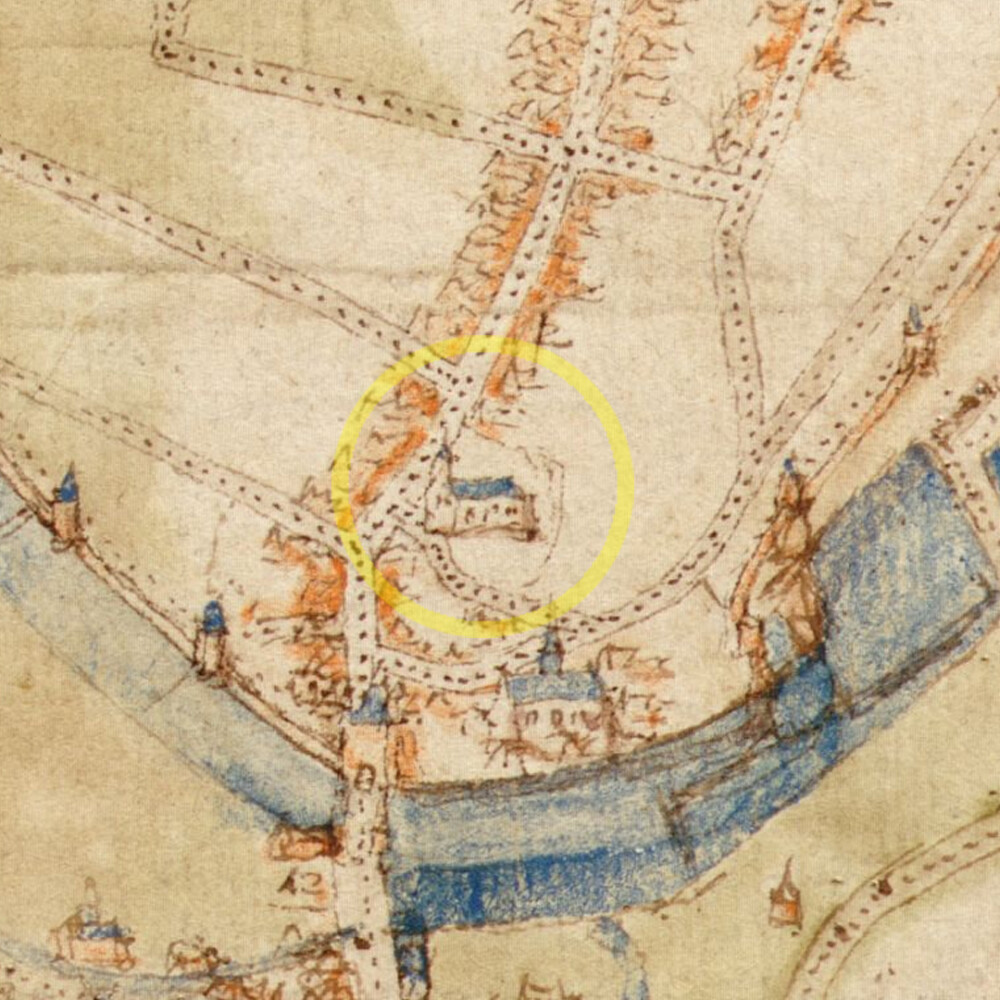
- Van Deventer, J. (1550-1565) “Atlas of the city of the Low Countries : 73 minutes between 1550-1565 on orders of Emperors Charles V and Philip II” KBR (image)
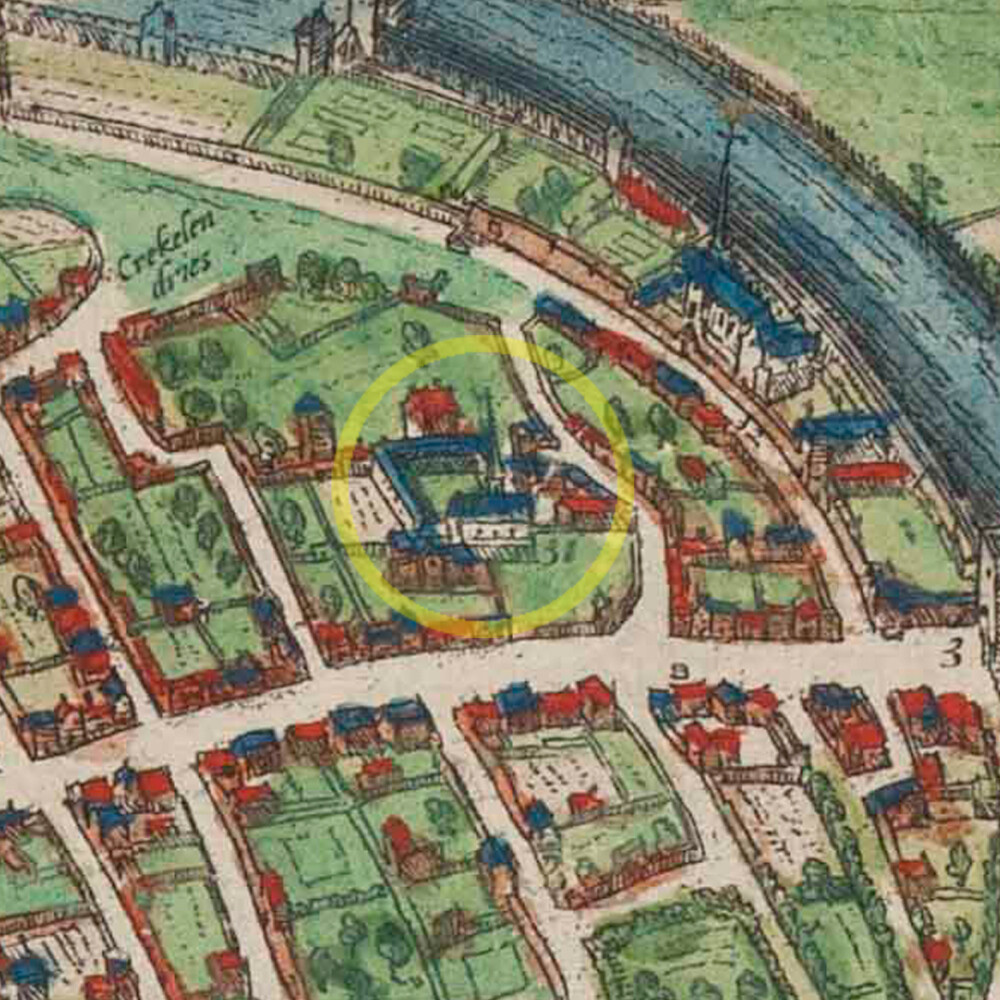
- Braun, G, Hogenberg, F. (1572-1617) “Civitates orbis terrarum” Universiteitsbibliotheek Utrecht (image)
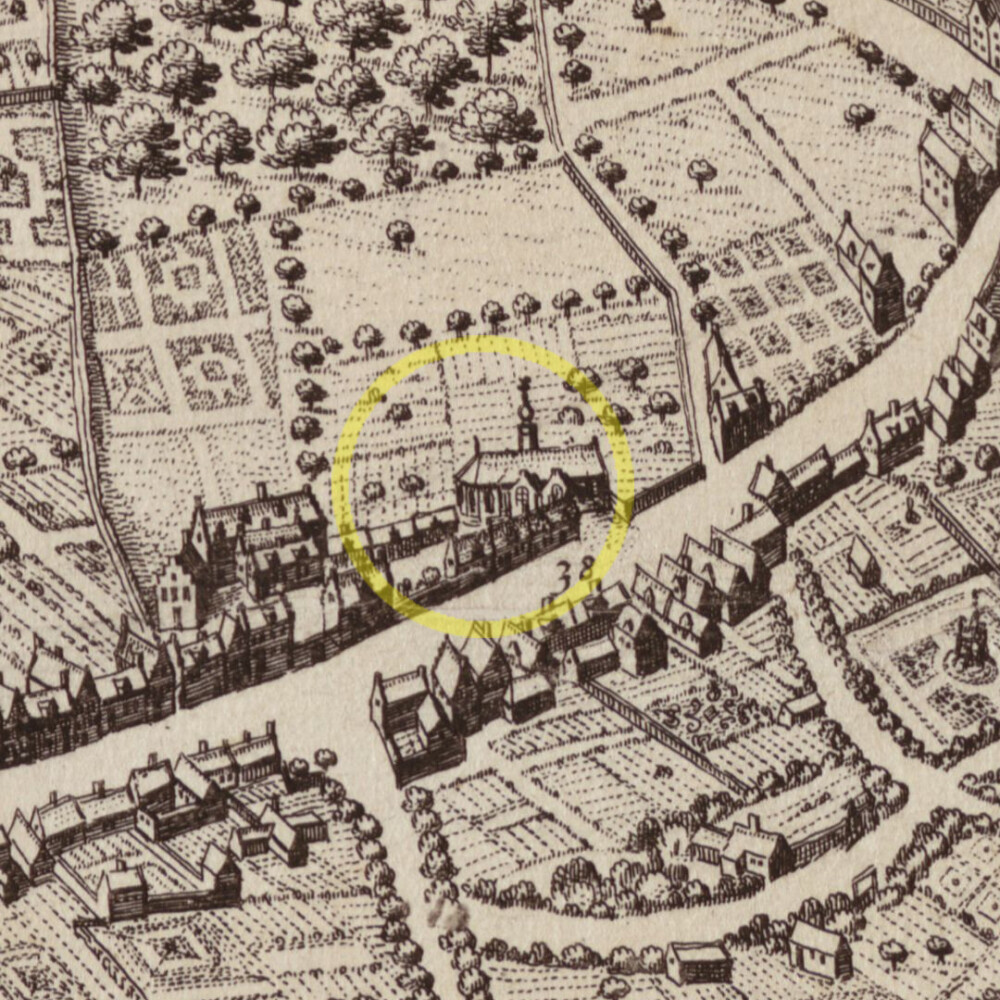
- de Tailly, M., van der Horst, N., Santvoort, A. D. (1640) “Bruxella nobilissima Brabantiae civitas anno 1640” KBR (image)
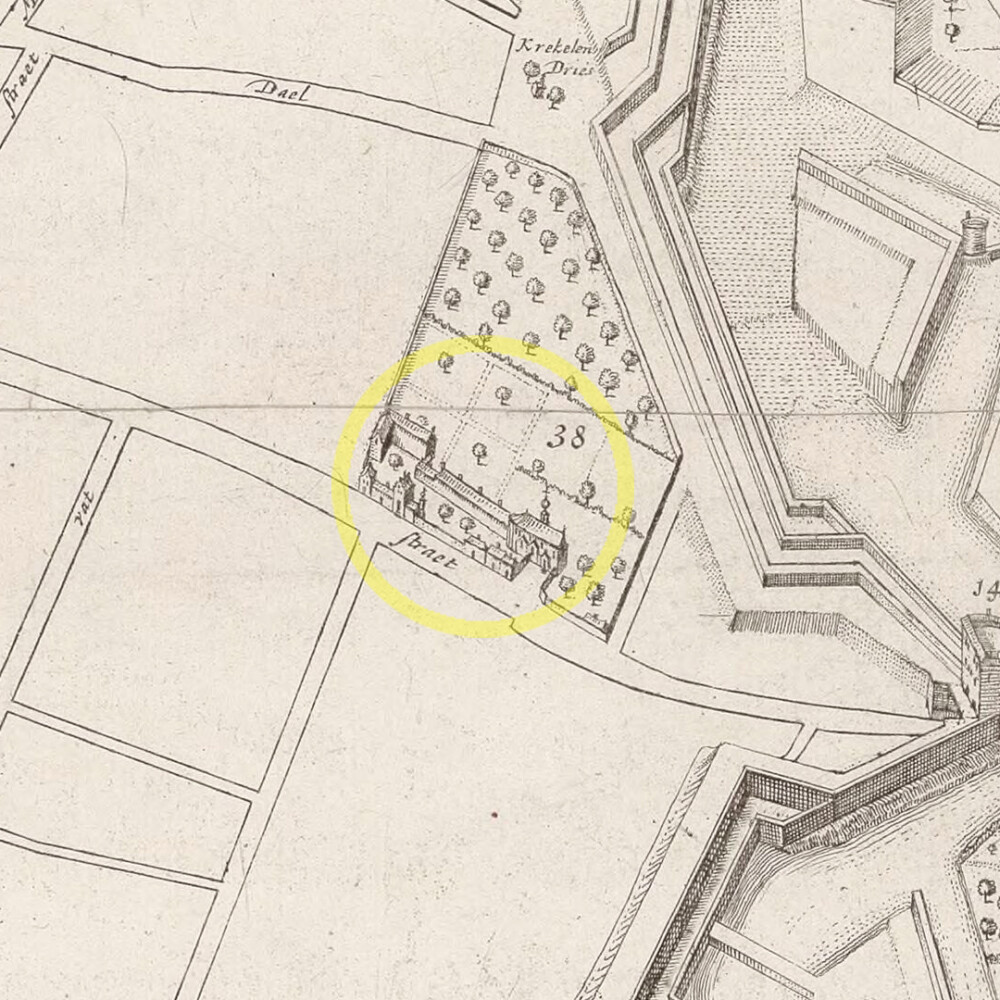
- Laboureur, J., Van der Baren, J., Harrewijn, J. (1695) “Bruxella Nobilissima Brabanti Civitasae” Bibliothèque Nationale de la France (image)
- Sanderus, Antonius. (1659) “Coenobium Canonicarum Regularium Ordinis S. Augustini vulgo S. Petri ter Siecken.” in “Chorographia sacra Brabantiae.” Den Haag: Van Lom, 1726-27. (image)
- Cantagallina, R. (1613) “Het Sint-Pietersklooster en de Hallepoort vanuit het oosten” Koninklijke Musea voor Schone Kunsten van België (image)
- Unknown. (1700-1799) “Het Sint-Pietersklooster en Onze-Lieve-Vrouw ter Zieken: S. peeters clooster” Broodhuis Brussel (image)
- Unknown. (1700-1799) “Het Sint-Pietersklooster en Onze-Lieve-Vrouw ter Zieken: onse Lieve vrouw ter sieken” Broodhuis Brussel (image)
- Speekaert, L. (1800s) “Salle de dissection. Ancien Hôpital Saint-Pierre” Musée Speekaert (image)
- Unknown. (1800s) “Bruxelles Hôpital St-Pierre – Nels Bruxelles Serie 1 n° 846” (image)
- KIK-IRPA. (1929). Visite officielle: eerste steenlegging van het Hospitaal Sint-Pieter te Brussel door koningin Elisabeth [30011462]. https://hdl.handle.net/20.500.14037/object.30011462
- Bolzé, A. (1930) “L’Hôpital St-Pierre – la Cour, n° 1845” (image)
HOW IT LOOKS LIKE TODAY
Click on the zoom icon to view the full size.