
ABOUT
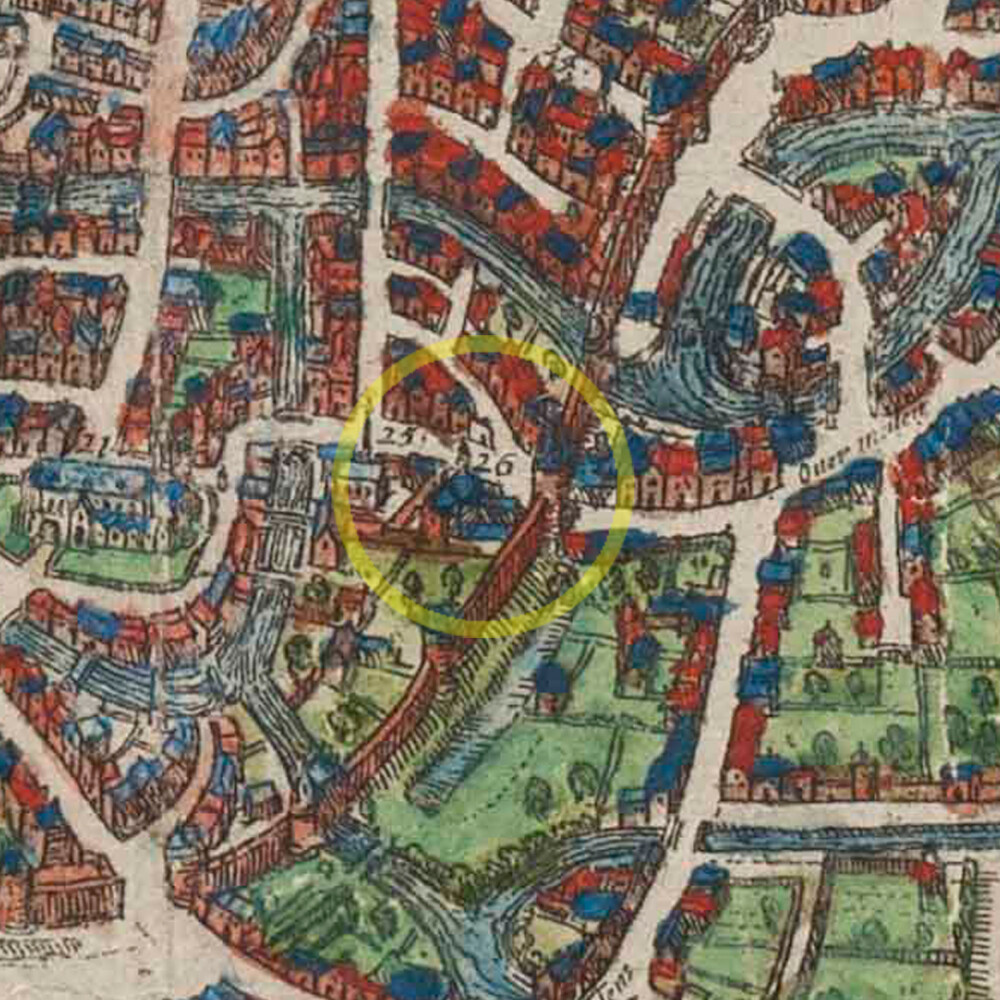
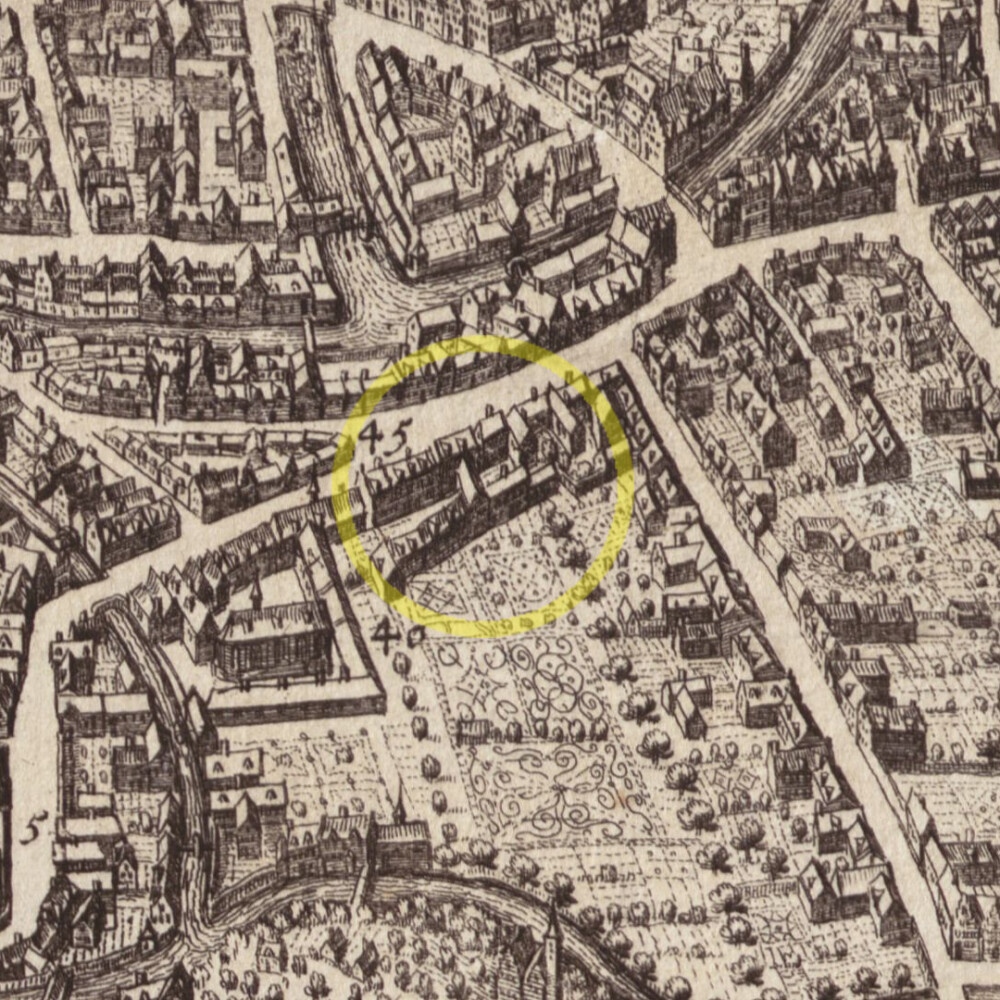
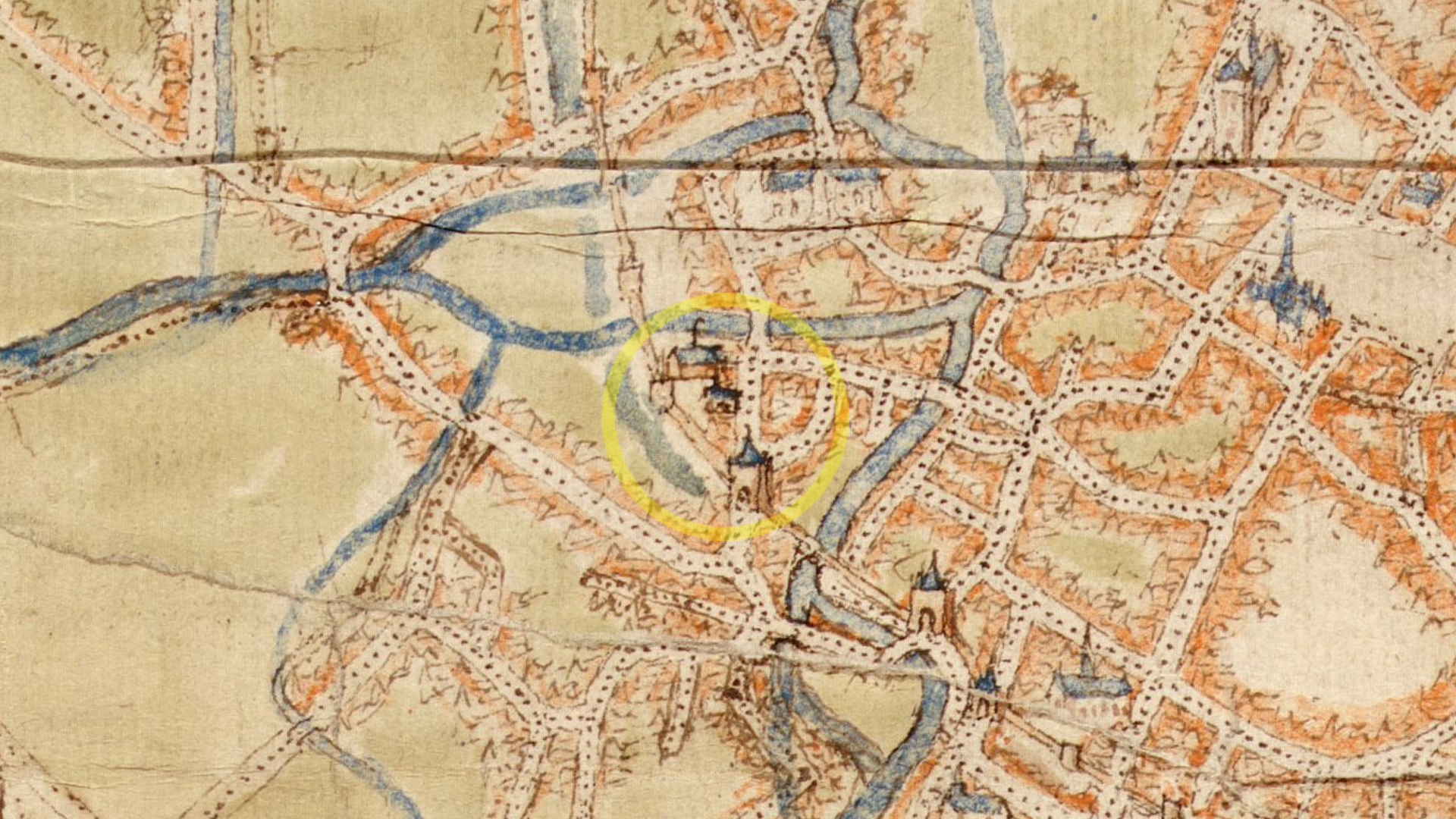
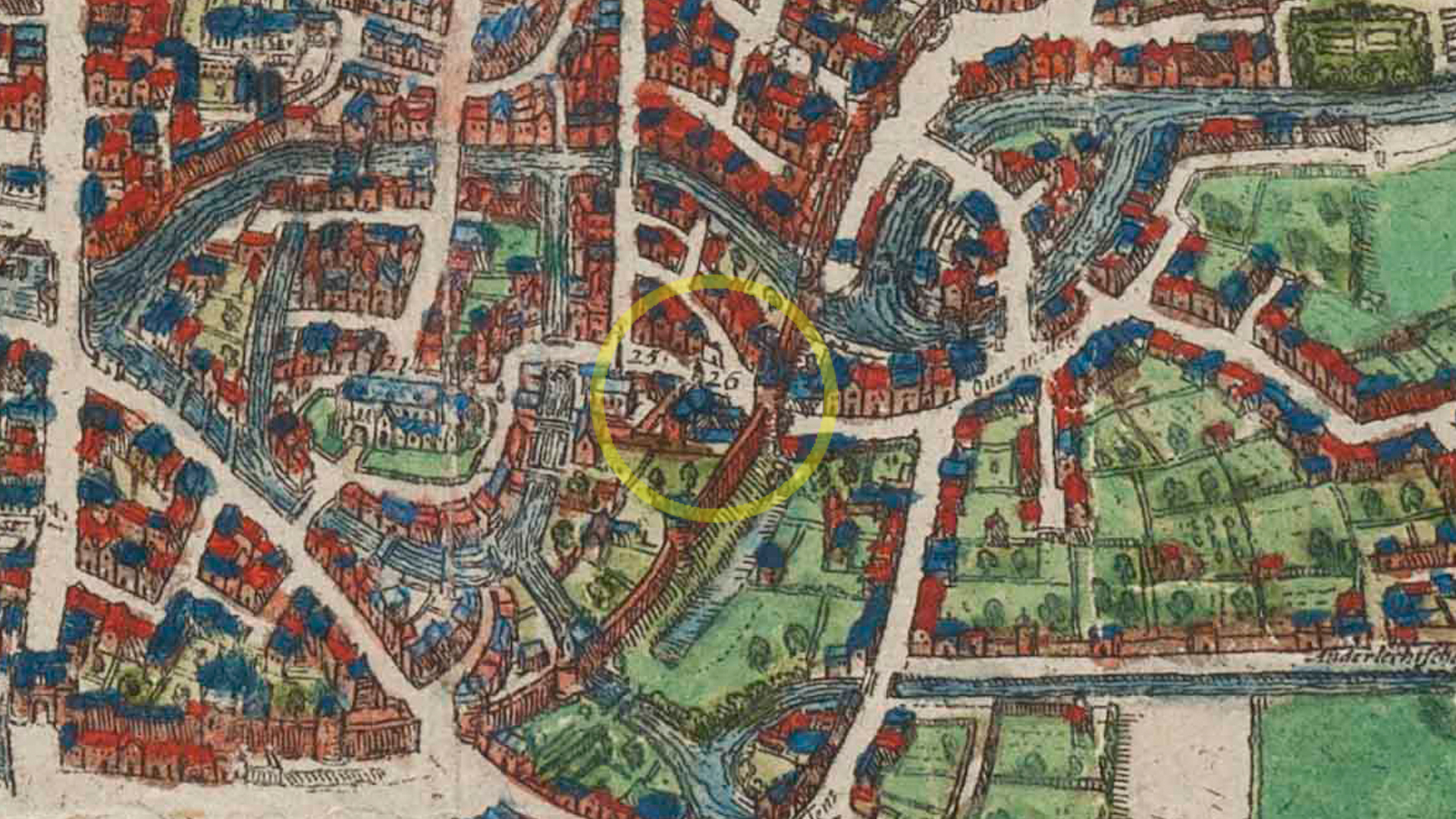
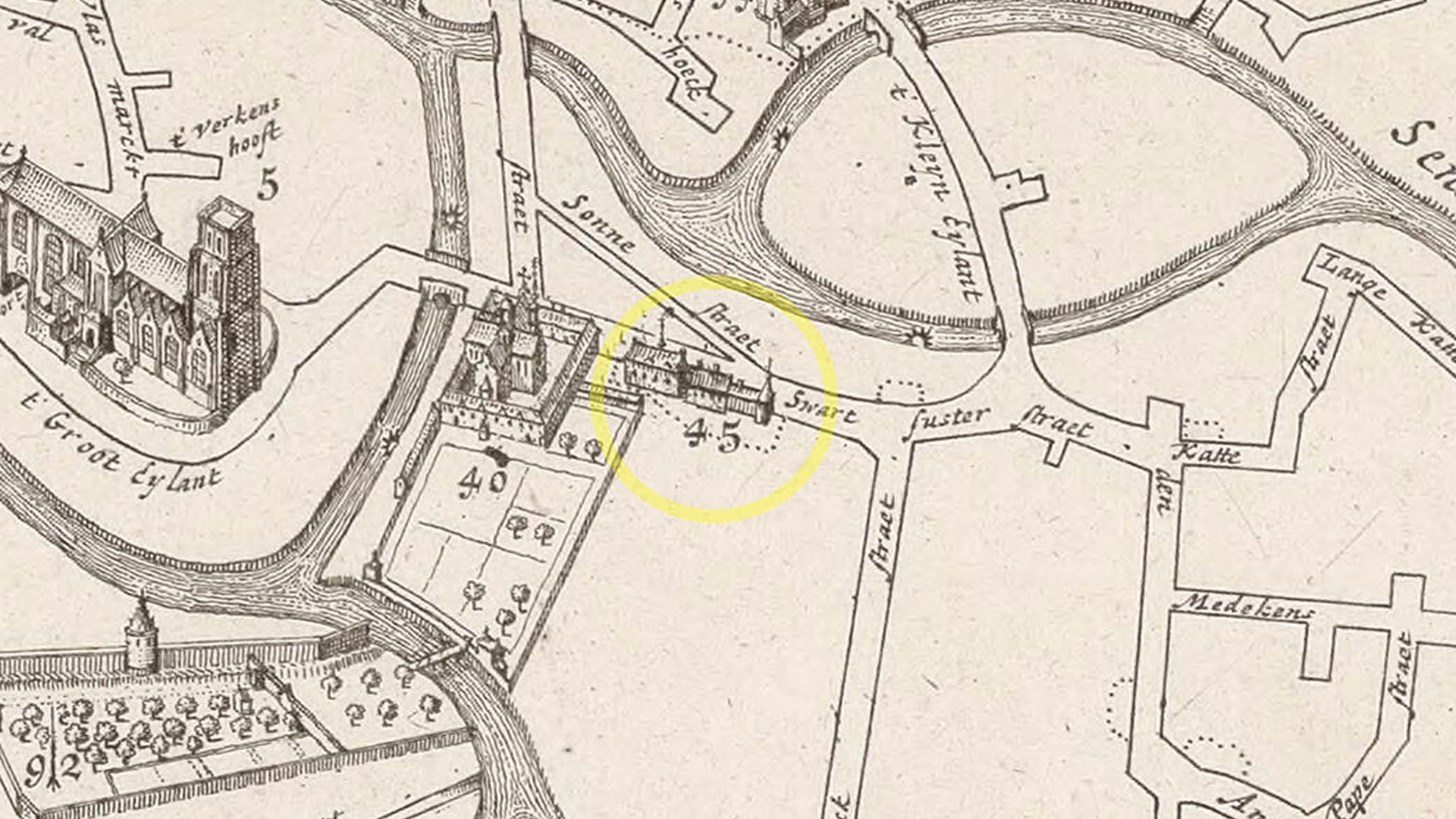
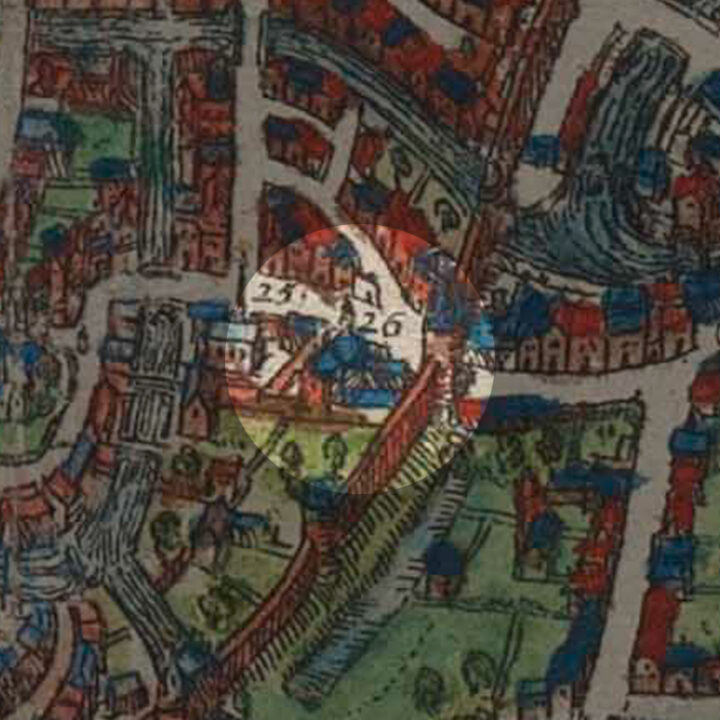
In medieval Brussels, the Zwartzustersklooster (Convent of the Black Sisters) was established very early around 1347 – with the early record from 1360 until their exile in 1798. Located close to the “Leeuwswiket” (Lion’s Gate) just outside the Sint-Goriks island, the small community of Cellite sisters who were called black sisters due to the colour of their habit, were the female versions of Alexians who tended to caring for the dying and the disposal of corpses. The Zwartzustersklooster slowly grew along the Oude-Borch strate (Old Castle Street) to the Zespenningenstraat (Six Pennies Street). Today, the section where they used to live is known as the Groot Eiland (Rue de la Grande Ile).
Origin
The Zwarte Zusters trace their origins to a late medieval lay movement of charity known as the Cellieten (or Alexianen). This movement began in the Rhineland and spread throughout the Low Countries in the 14th century. The women, initially called ‘cellezusters‘, dedicated themselves to caring for the sick, especially plague victims, at a time when their services were desperately needed.
Their work, though dangerous, earned them the trust and support of the local population. The exact year their community was founded in Brussels is not known, but it is generally accepted that they settled in the city around the middle of the 14th century.
Some historians believe they may have been the same ‘cellezusters‘ who were active in Brussels during the terrible plague years of 1348-1350.
The first official document confirming their presence is a charter from July 15, 1360, which places them outside the island of Sint-Goriks.
Initially, the ‘cellezusters‘ were a lay community, not bound by traditional monastic vows. This changed in 1459, when Pope Pius II (1458-1464) issued a bull granting them the privilege of becoming a regular religious community. They adopted the Rule of St. Augustine, and were placed under the supervision of the Brussels Carmelites. From this point on, they became known as the ‘Zwarte Zusters‘ (Black Sisters), a name derived from their dark black habit.
The House of Africa
A city ordinance from between 1459 and 1465 was the first to refer to them as the ‘swertte susteren‘. This document also provides the first known name of their convent: the ‘Huis van Afrika‘ (or the ‘de swesteren in bruessel geheten thuys van affrica‘). This name, “House of Africa,” is widely believed to be a reference to St. Augustine, who was born in North Africa. But the name could also be due to the black habit they wore.
After becoming a formal religious order, the community grew. Unlike many other female religious orders, the Zwarte Zusters were not strictly cloistered, which allowed them to continue their mission of caring for the sick in their own homes—a form of care that was quite rare for women at the time.
Their work brought them financial support. Because Brussels was a political and administrative capital, their “clientele” was wealthier than in other cities, and the convent became more prosperous than most other Zwarte Zusters communities in the Southern Netherlands. By 1525, there were 25 sisters living in the convent. This number grew to 34 or 35 by 1629. Over time, they acquired several properties and eventually owned 12 houses and 3 gardens. This allowed them to expand their convent significantly.
Their presence was so large that it occupied an entire side of the street that would later bear their name. They also owned several properties on the Zespenningenstraat.
In fact, their territorial expansion brought them into constant dispute with their neighbour, the Nazarethklooster van de broeders van het Gemene Leven.
What's so special about this place?
During the tumultuous period of the Brussels Republic (1576-1585) when a Calvinist regime held power, the Zwarte Zusters managed to keep their convent intact.
Remarkably, their chapel remained a place where clandestine Roman Catholic masses were held!
The sisters were known for their prudence and discretion. They were the only women’s religious community in Brussels that managed to preserve both their church and their convent during this time of religious upheaval. In a later petition, they proudly reminded the authorities that they had acted with such great wisdom that, alone among all the nuns in the city, their establishment had been spared.
How did it look like?
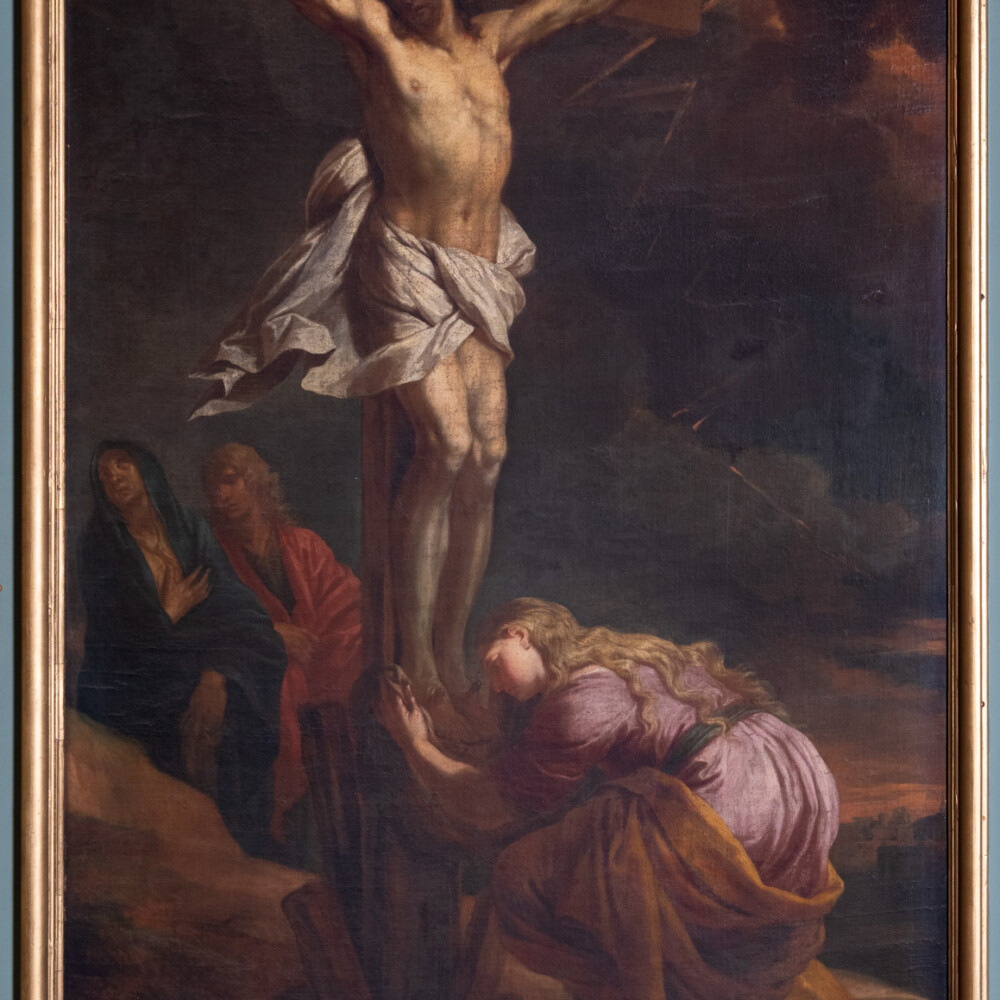
The convent’s church was described as very simple. Its most notable feature was a painting by Jan van Orley titled ‘Kruisiging‘ (The Crucifixion) – now housed in the Brussels City Hall, which was considered one of his finest works. The convent’s refectory (dining hall) was said to contain a precious collection of paintings.
The sisters’ living quarters and chapel were modest. However, due to their relative wealth, their chapel was adorned with marble, and their refectory was a room that, according to George Fricx which wrote in his “Description de la ville de Bruxelles” of 1743 that “would not have been out of place in a museum.”
The Expulsion in 1798
The convent had survived the religious conflicts of the 16th century, but it did not survive the French Occupation. In 1795, the French annexed the Southern Netherlands. While an initial decree from the French executive directory provisionally maintained the Zwarte Zusters communities, this protection did not last long. Despite the sisters’ petitions, a new order was issued on January 27, 1798, forcing them to leave the Huis van Afrika. Their convent was then confiscated and sold as national property.
After their expulsion, the Zwarte Zusters found shelter with various Catholic families in Brussels. When they were finally allowed to return in 1802, they were given the former ‘Bogaardenklooster‘ (Convent of the Bogards) as their new home. The original Huis van Afrika was converted into a brewery.
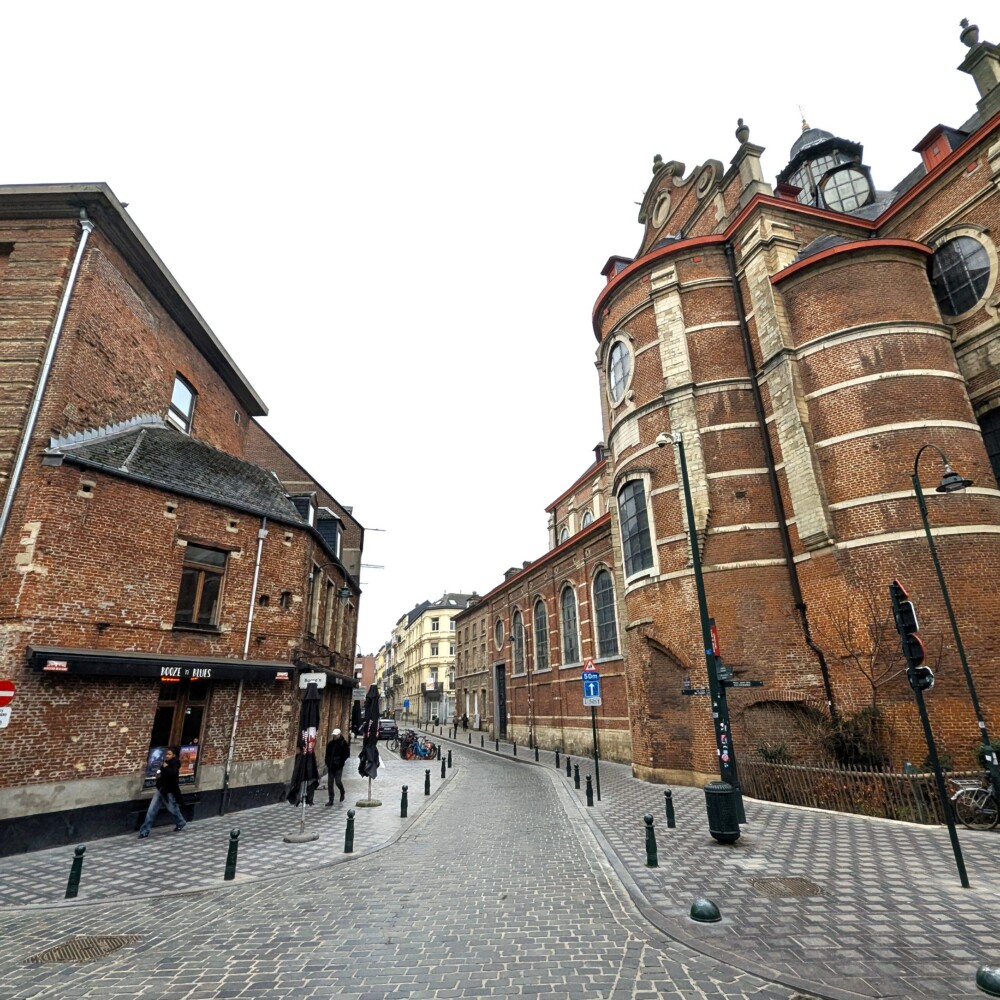
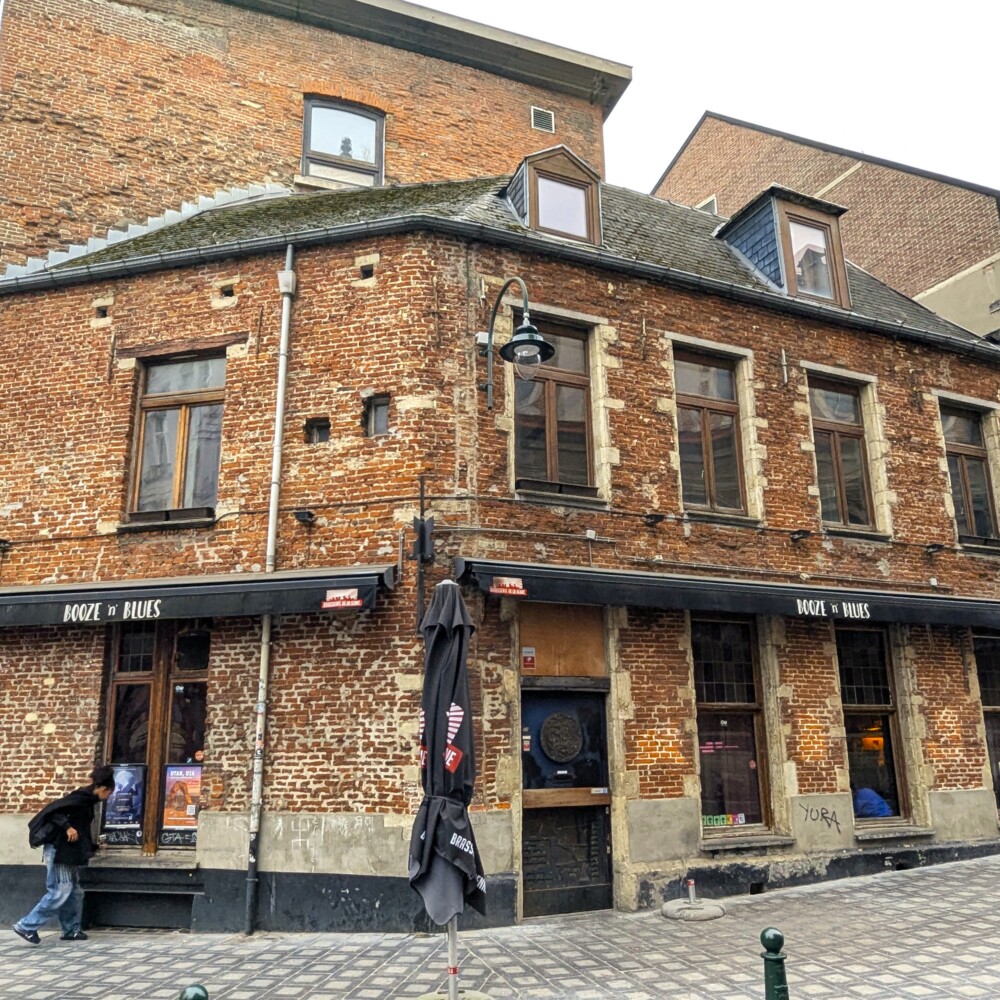
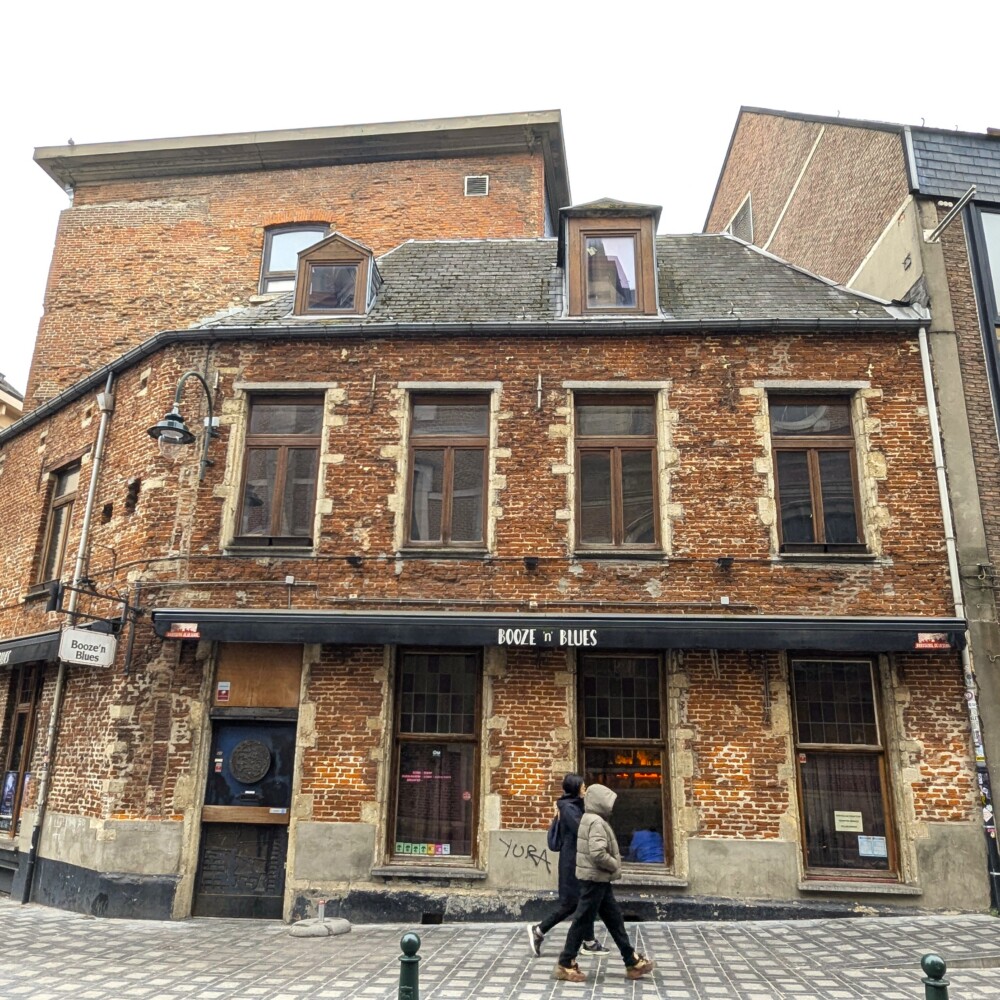
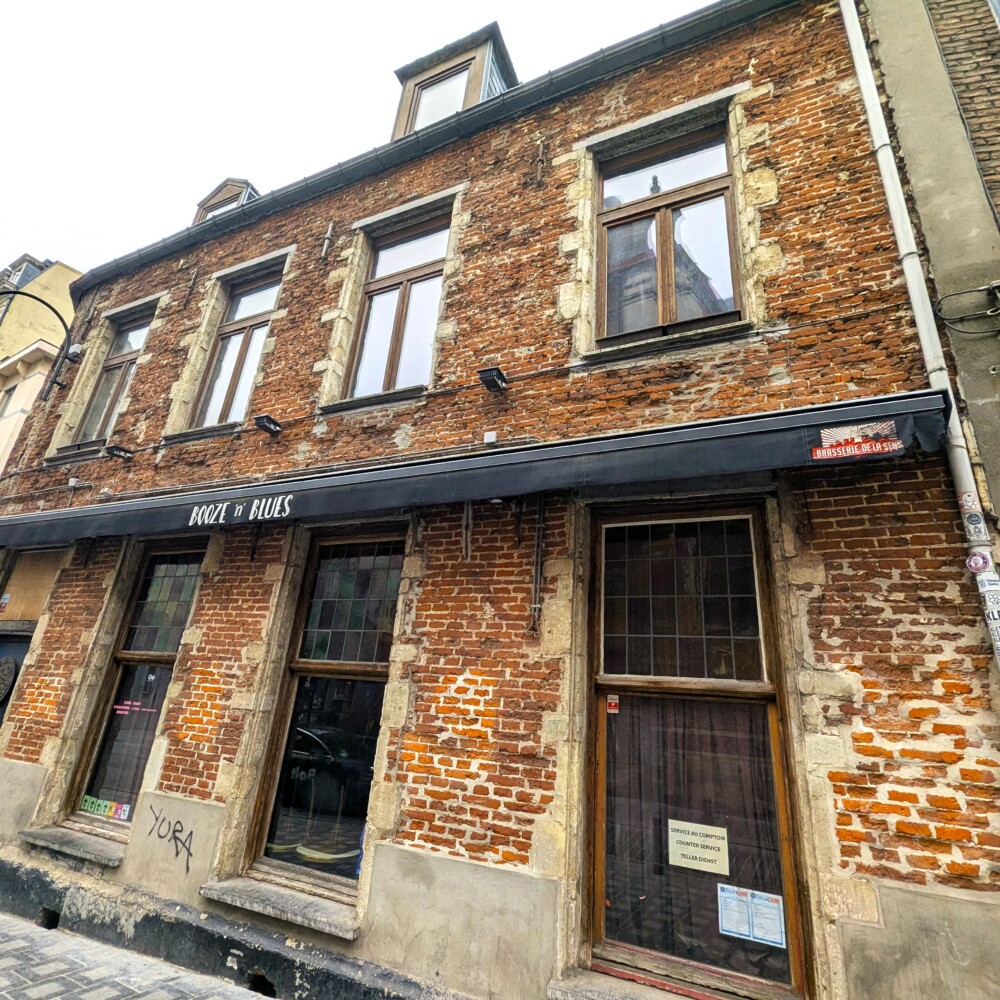
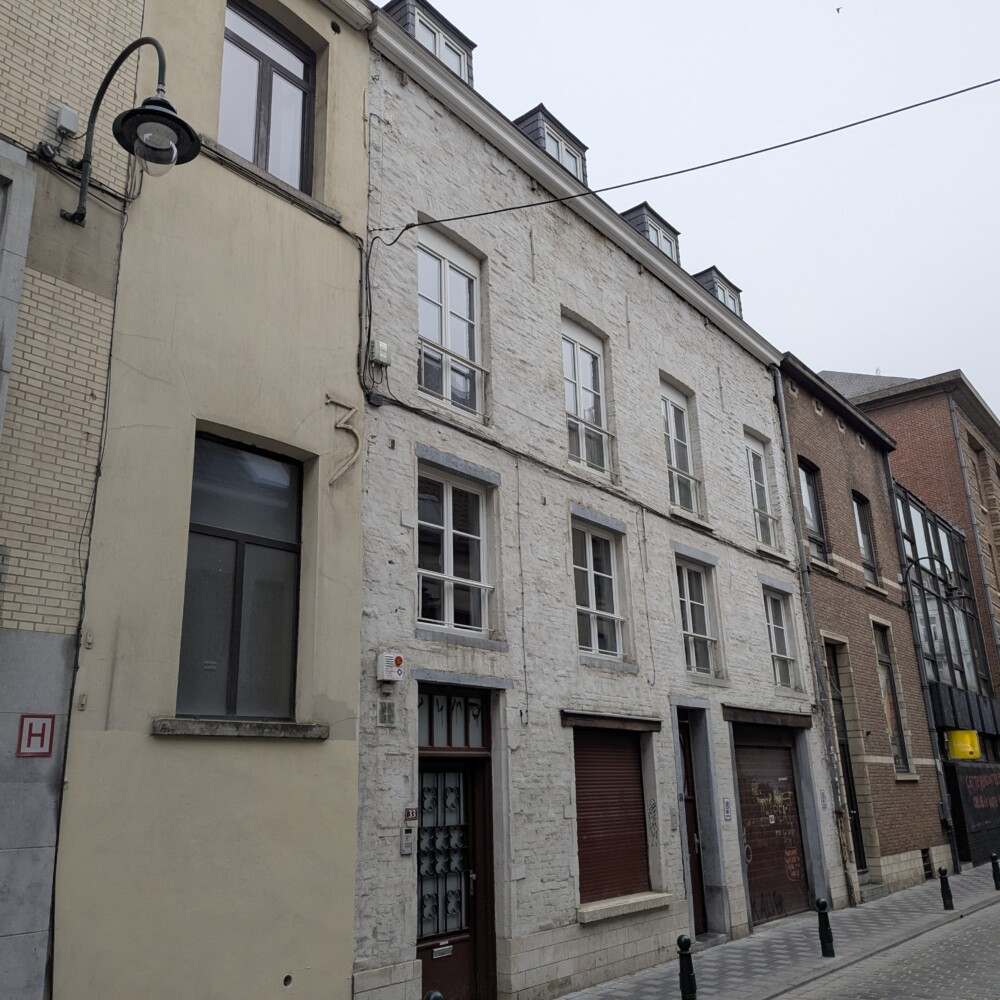
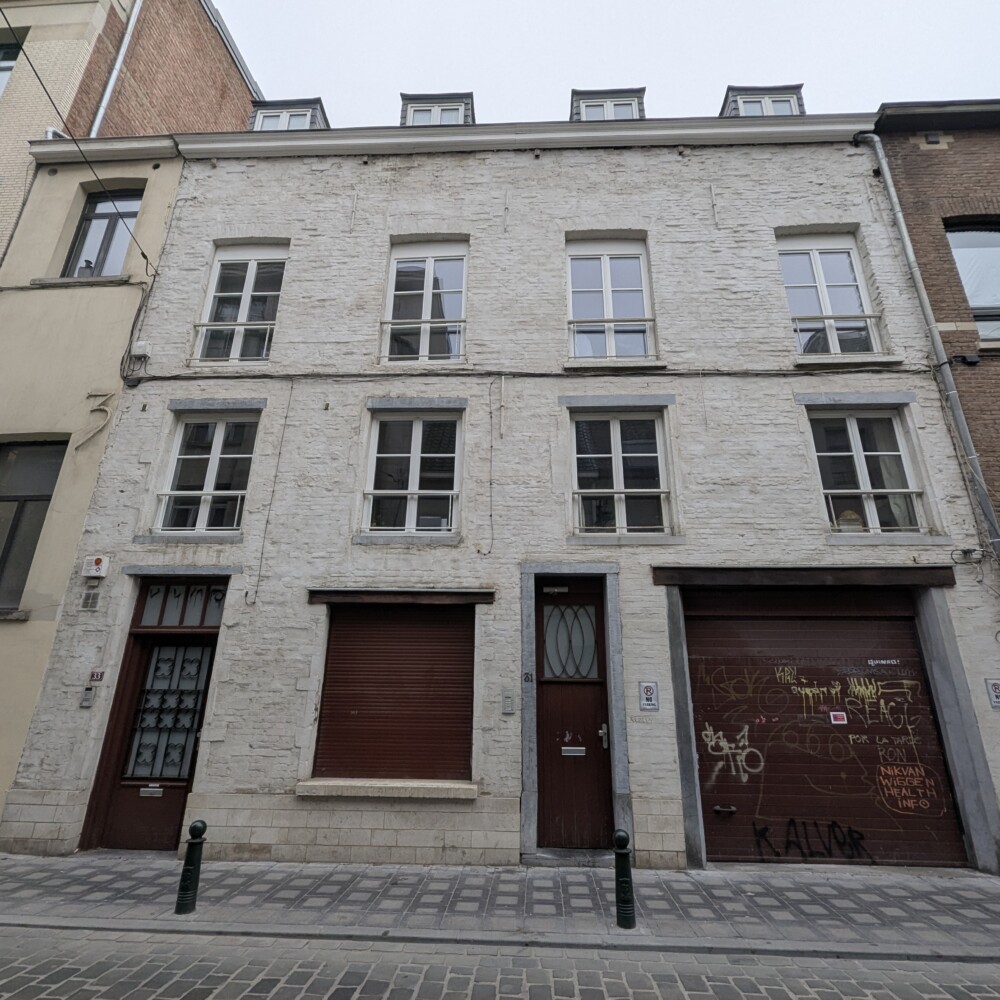
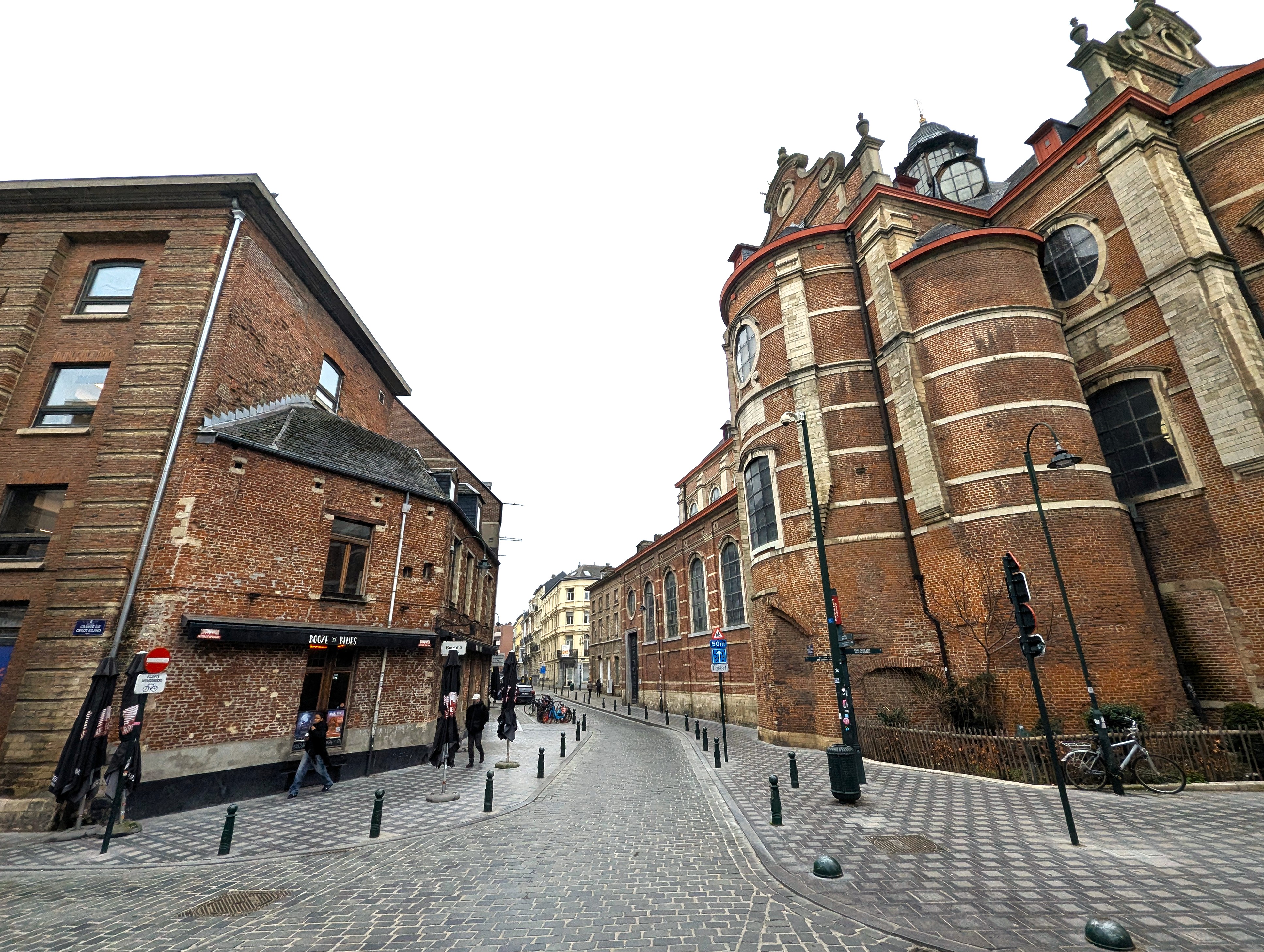
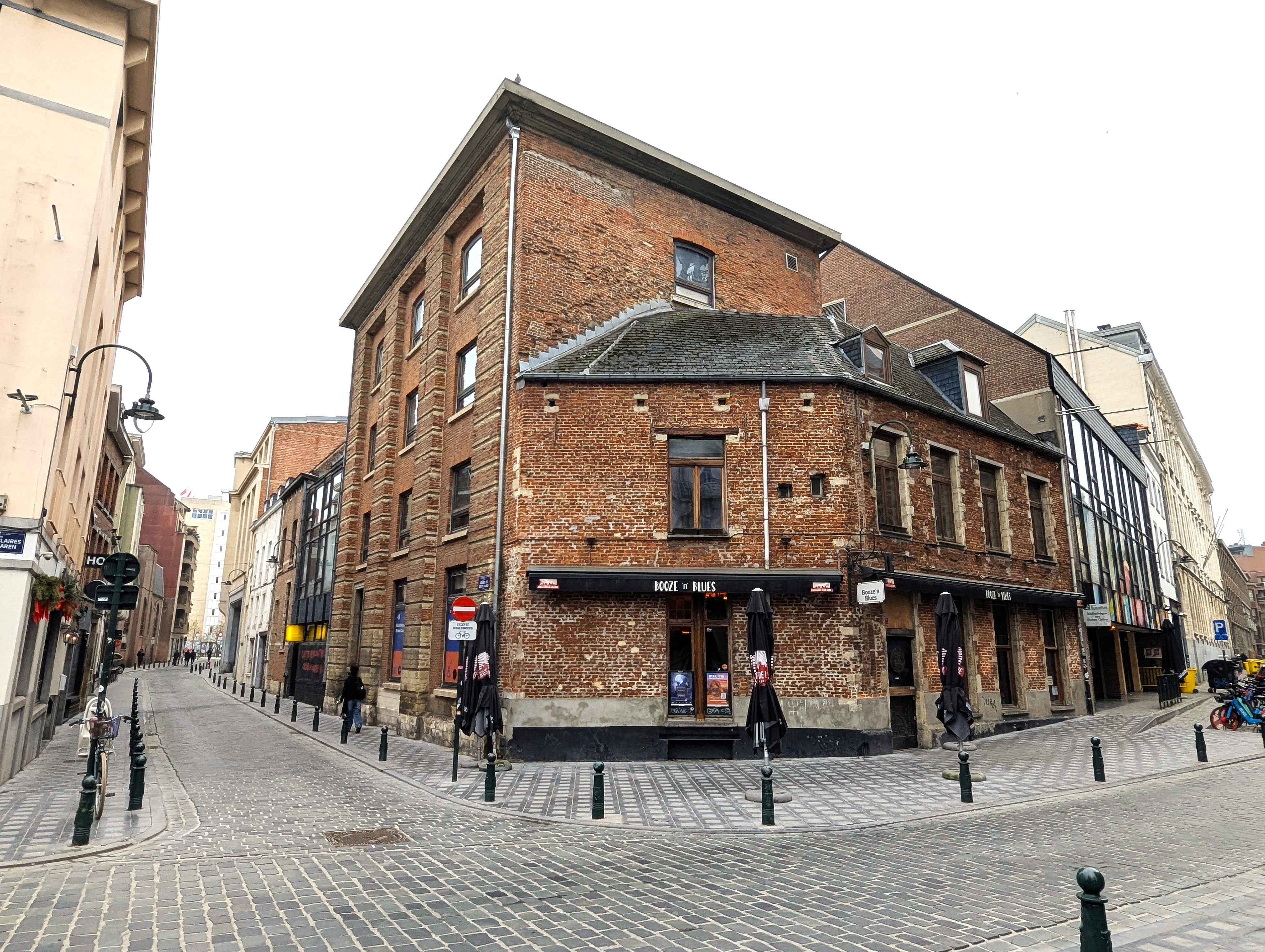
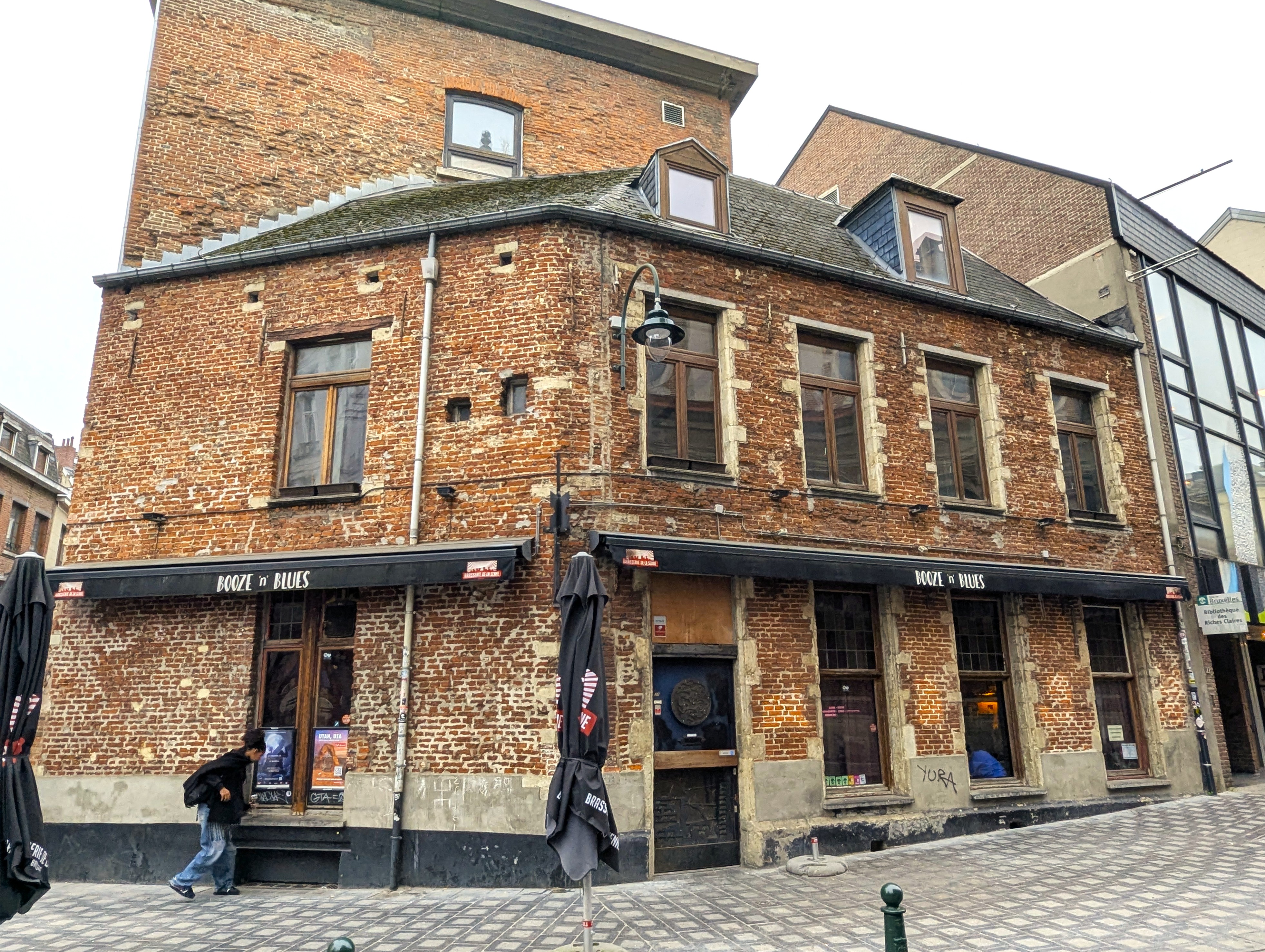
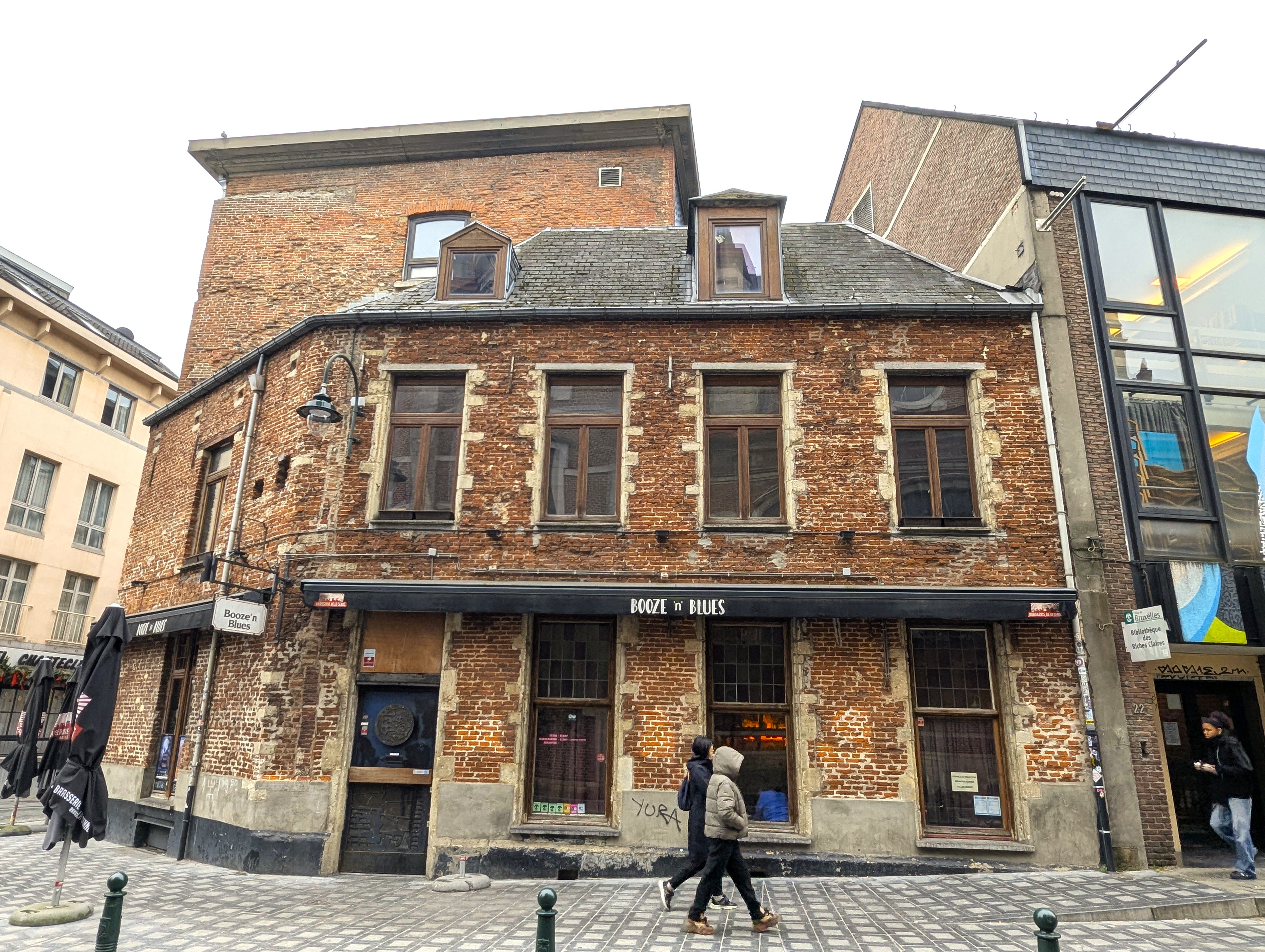
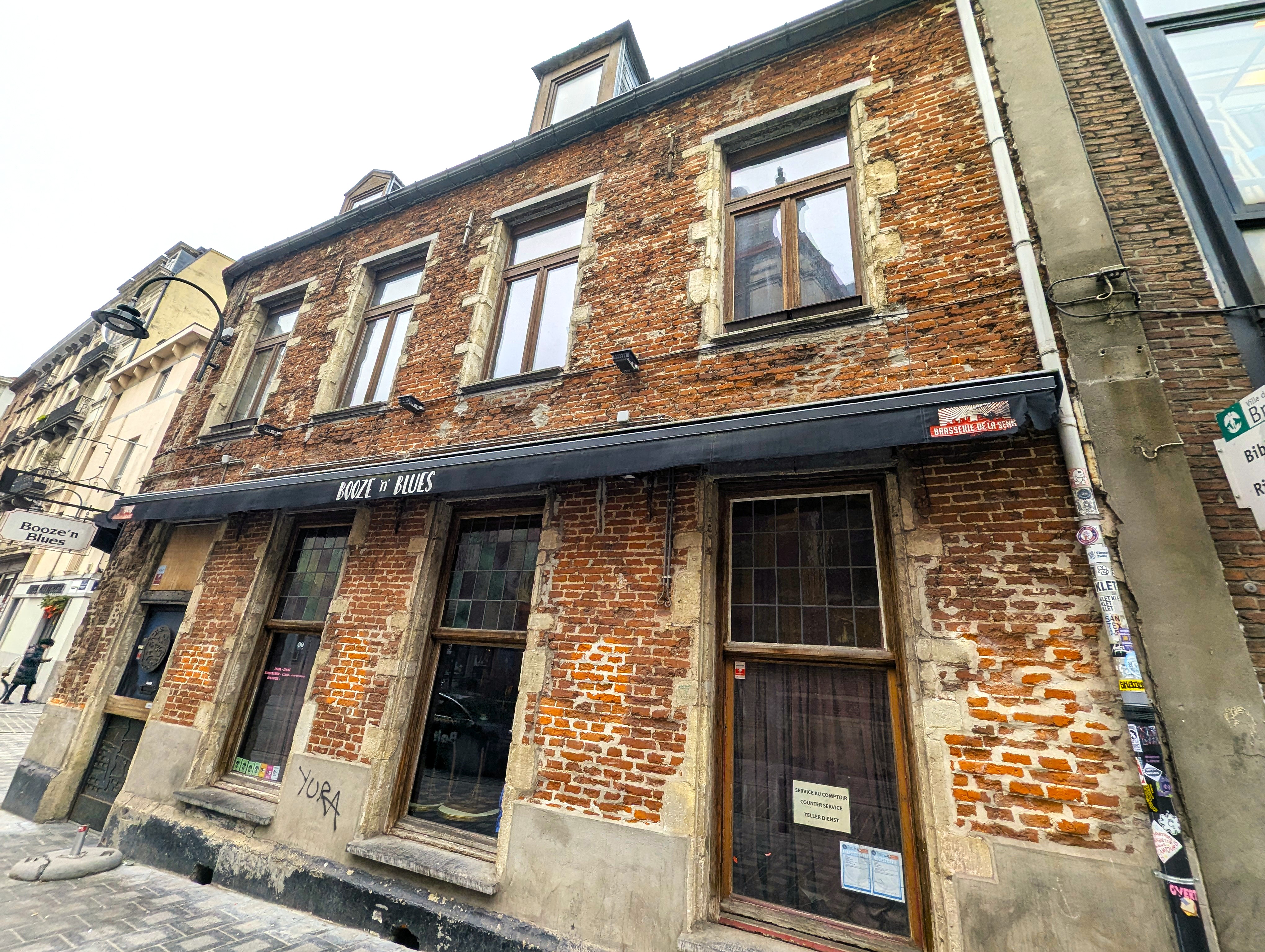
Only a fragment of the original convent building remains. This surviving structure, located near the intersection of the current Zwartzustersstraat and Rijkeklarenstraat, is a broad house with three floors (see photos below). The lower two floors date from the 17th century and feature traditional brick and sandstone architecture, including stepped window frames.
The Zwarte Zusters community continued their work elsewhere in Brussels and eventually moved to the former Visitandinnenklooster (Convent of the Visitation) in the 19th century. They remained in Brussels for over six centuries, finally leaving their last convent in the city centre in 1998.
Current situation
The story of the Black Sisters is one of resilience through plague, war, and revolution. For over six centuries, their home in Brussels was not just a convent, but a beacon of care in a turbulent world.
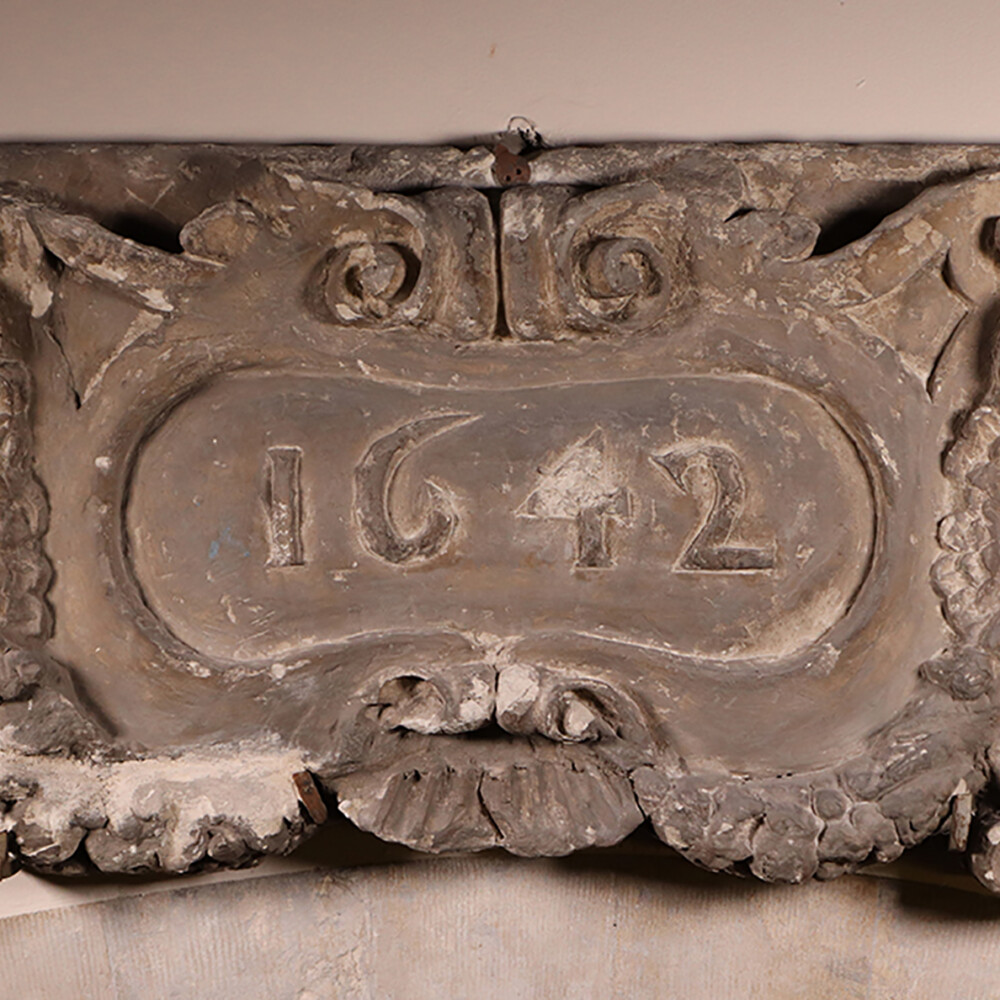
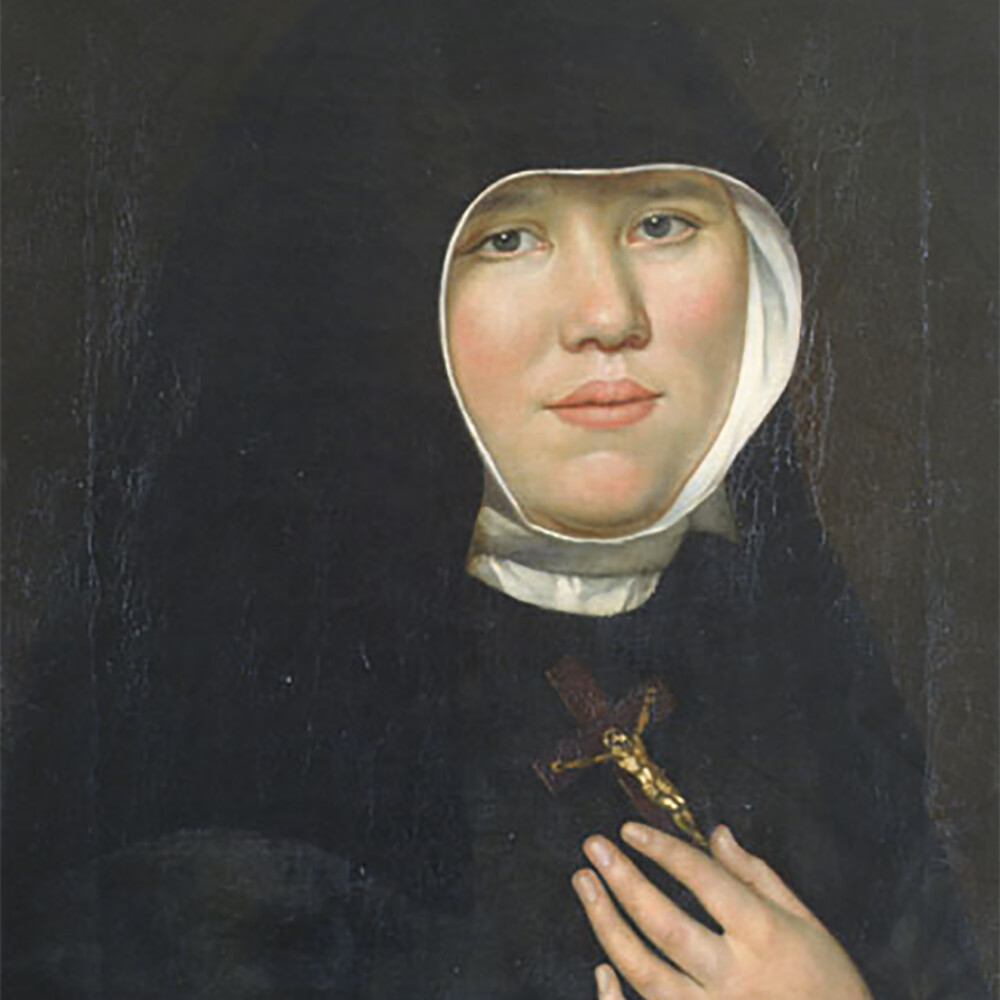
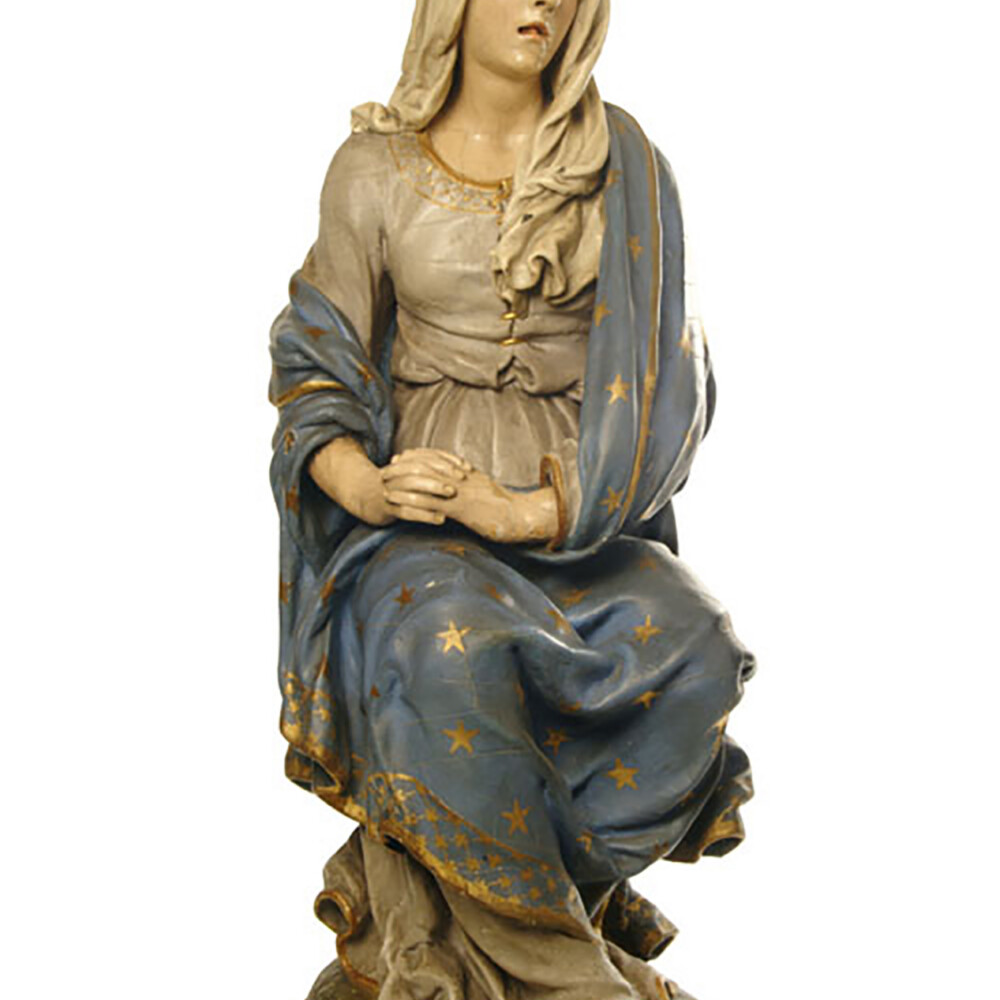
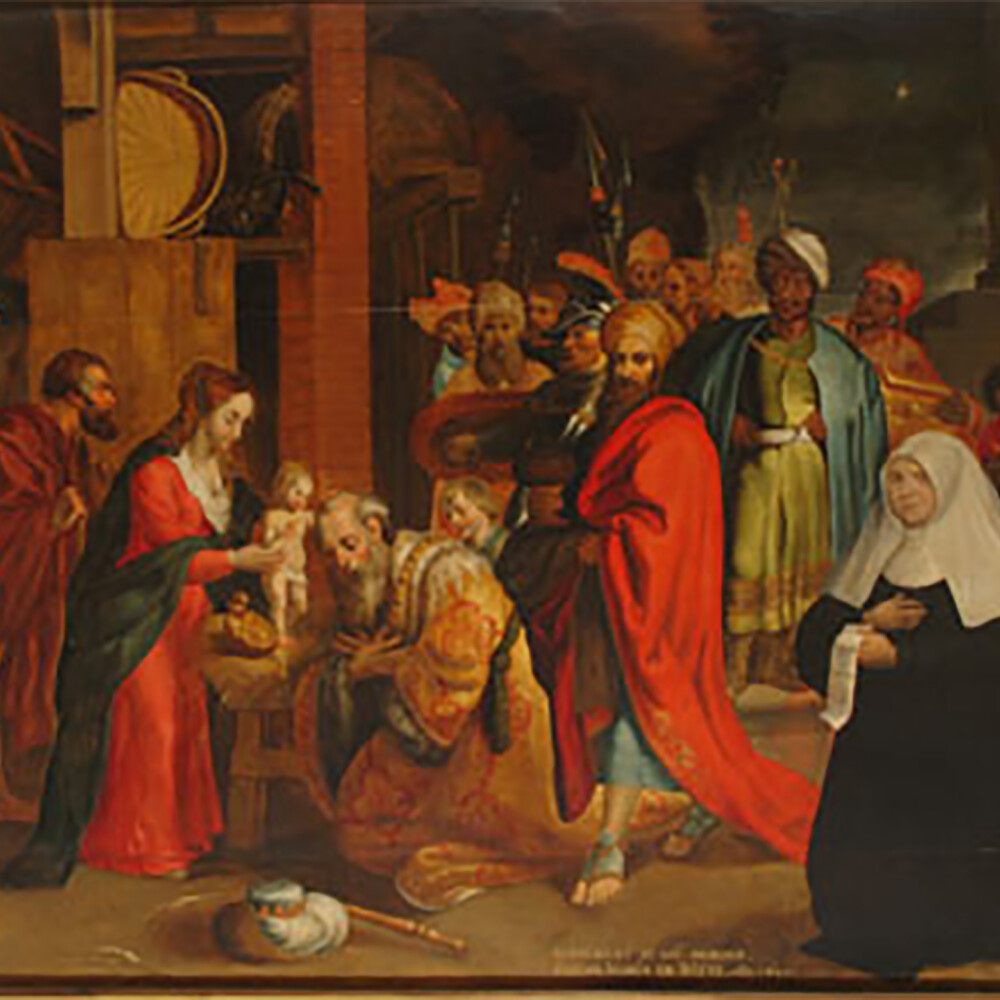
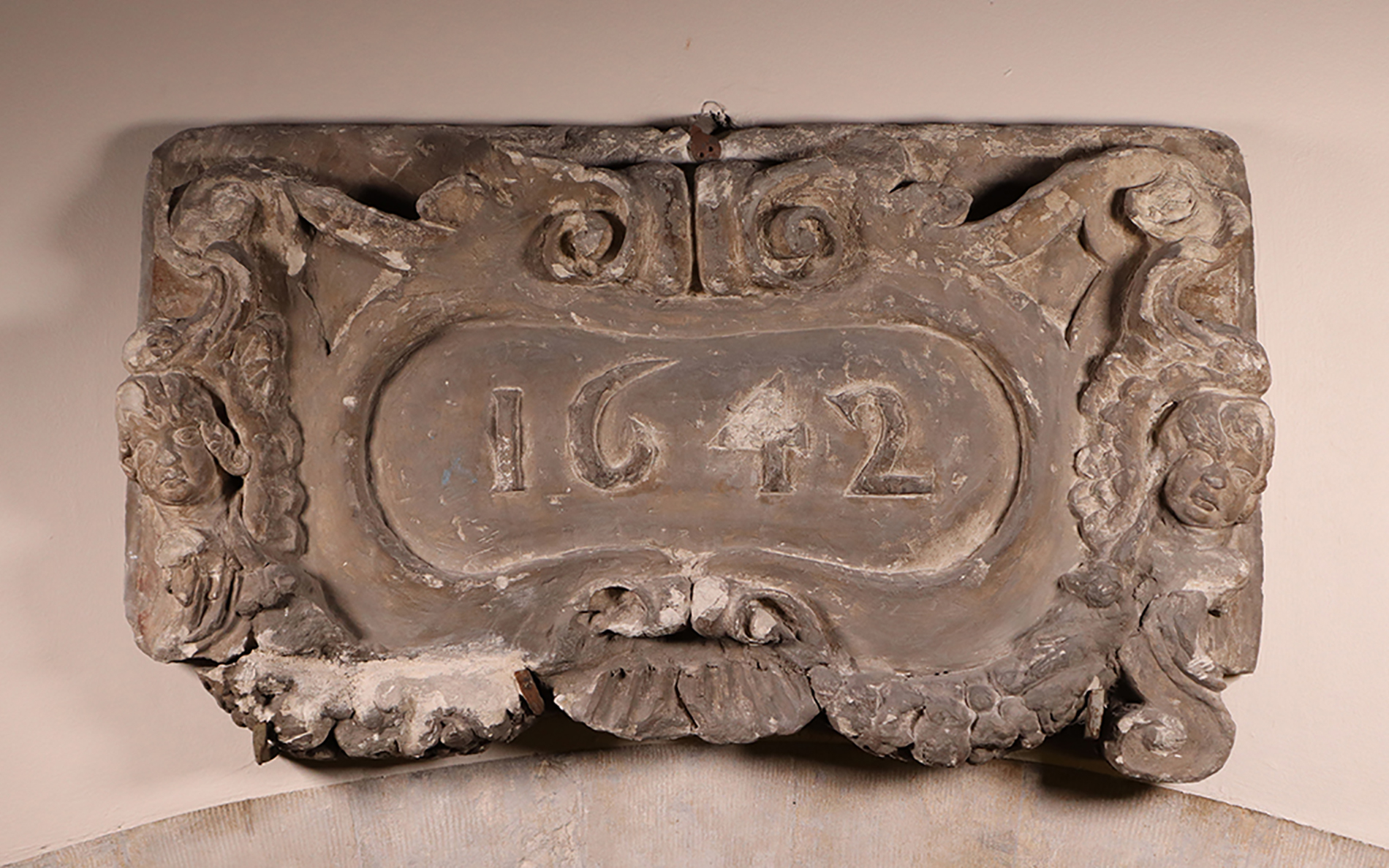
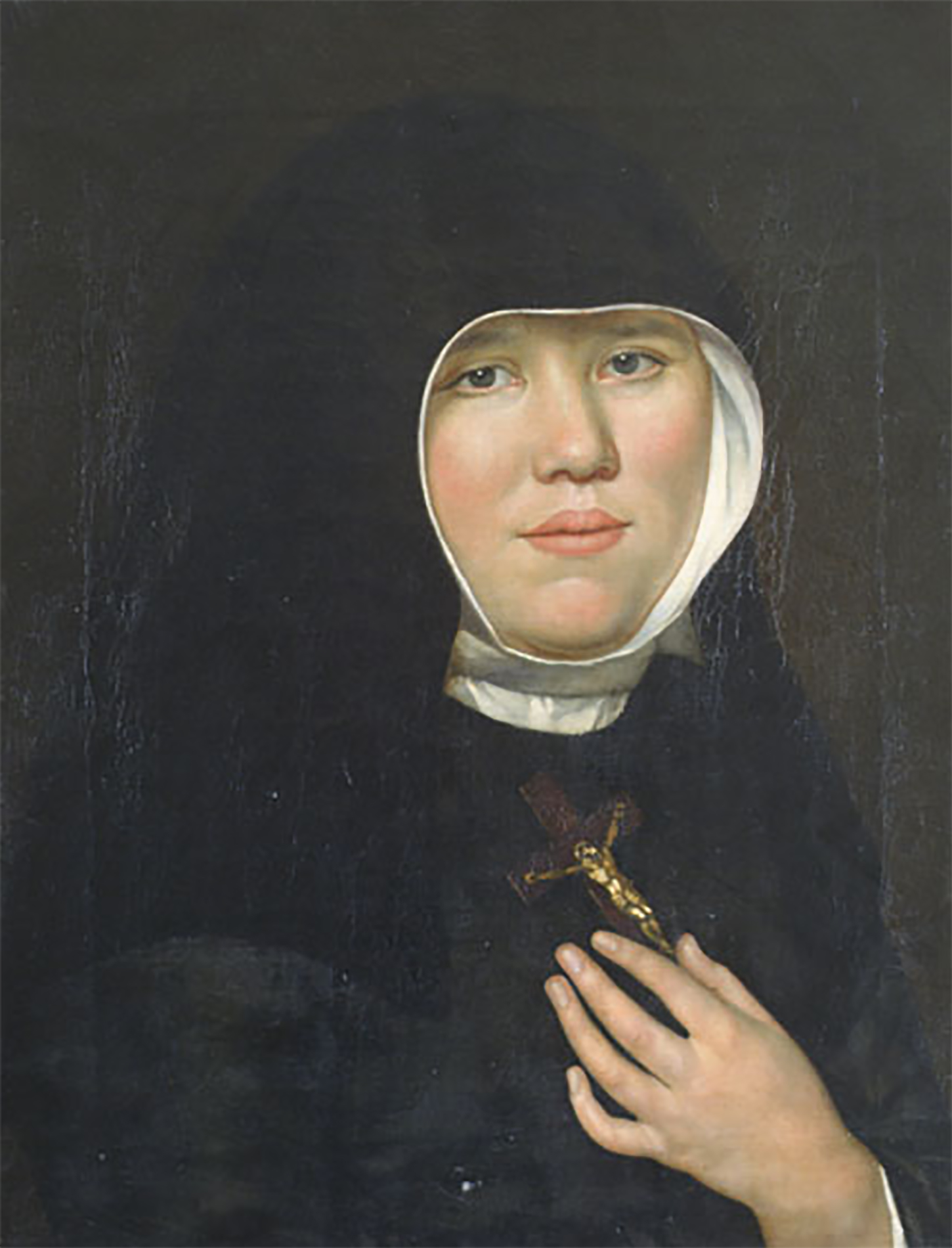
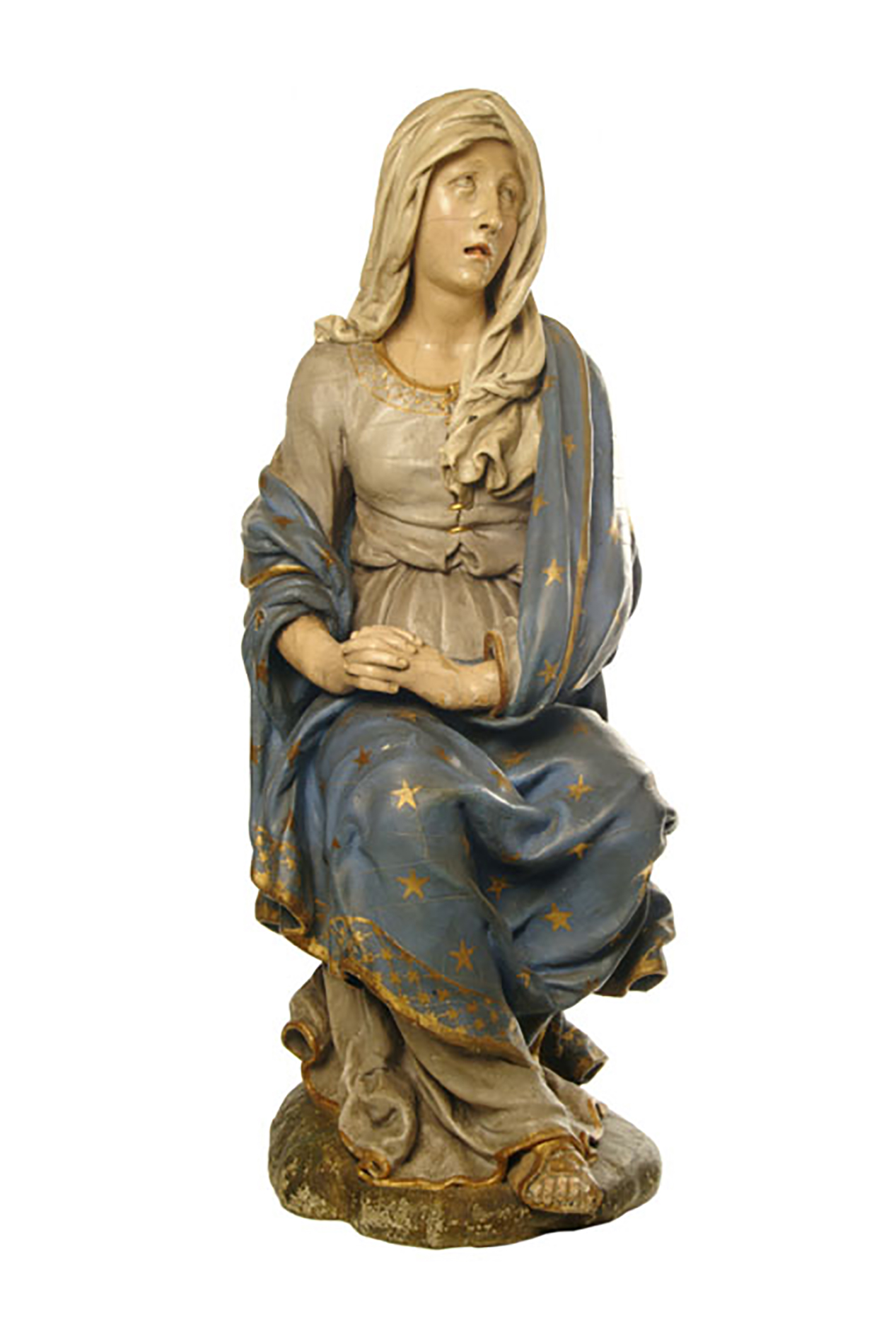
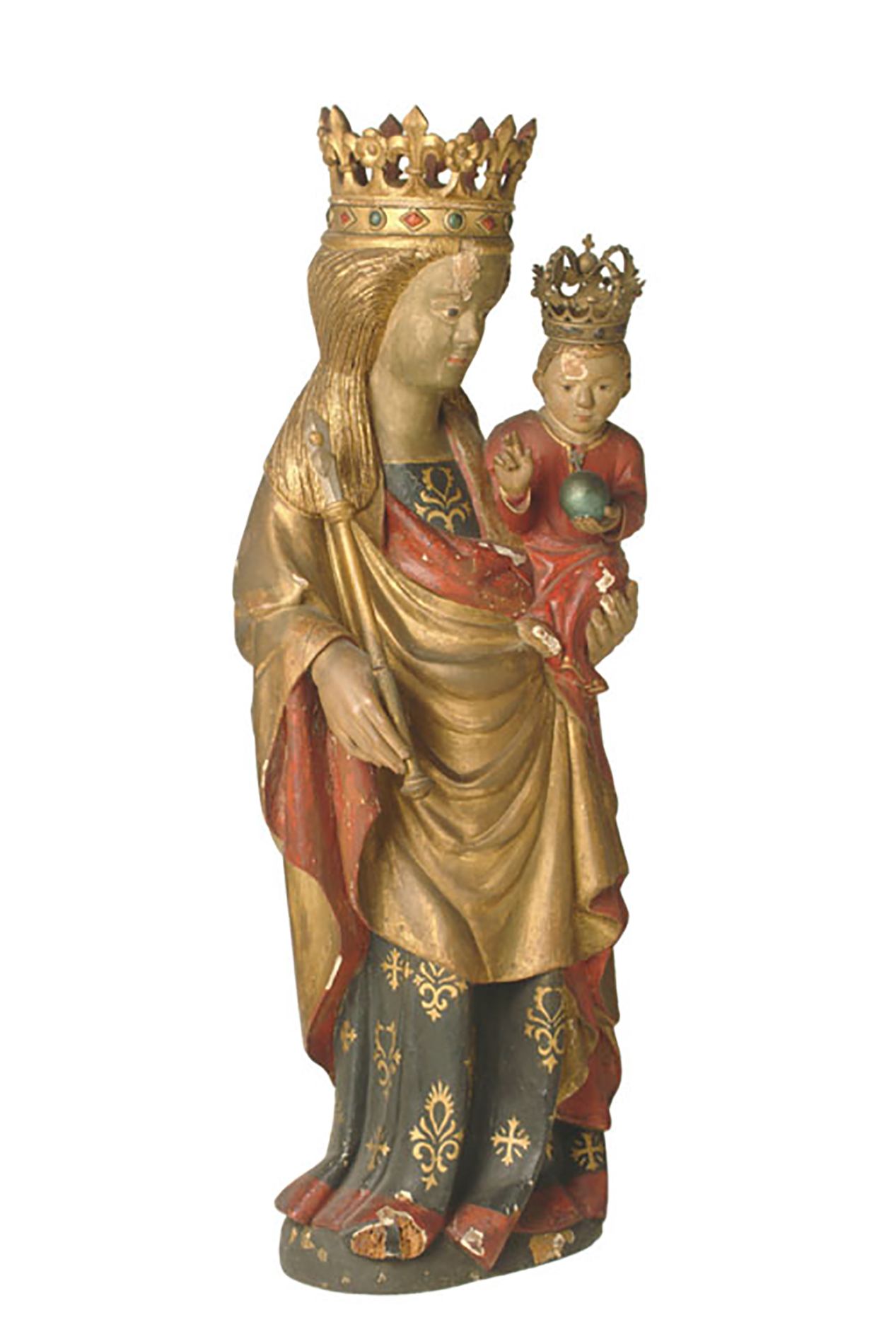
Today, the heritage of this remarkable congregation is preserved in the Museum van de Zwartzusters (Museum of the Black Sisters), located in the Nationale Basiliek van Koekelberg. The museum displays the sisters’ collection of paintings, furniture, silverware, and religious artifacts, offering a unique insight into the world of these “typical Brussels” sisters. Apart from that, the Brussels Broodhuis museum has in their possession a stone cartouche from the former Zwartzustersklooster bearing the year 1642.
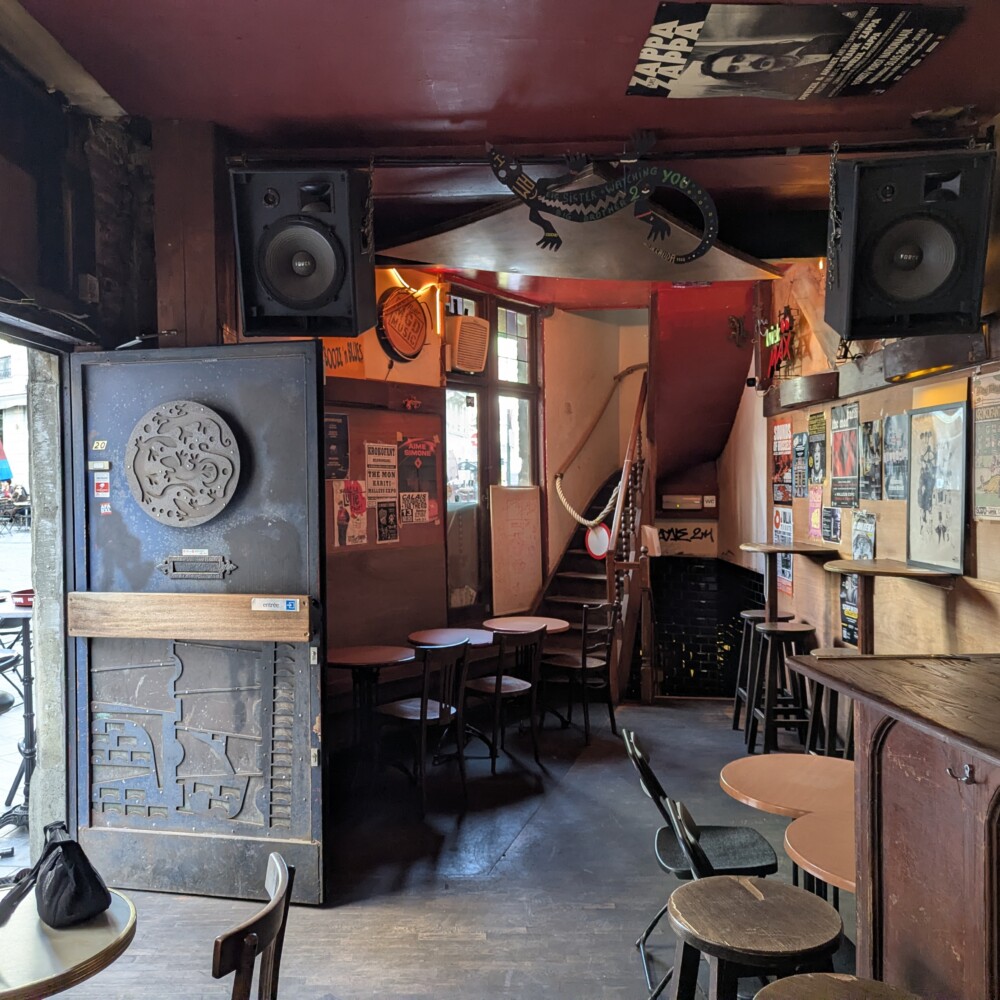
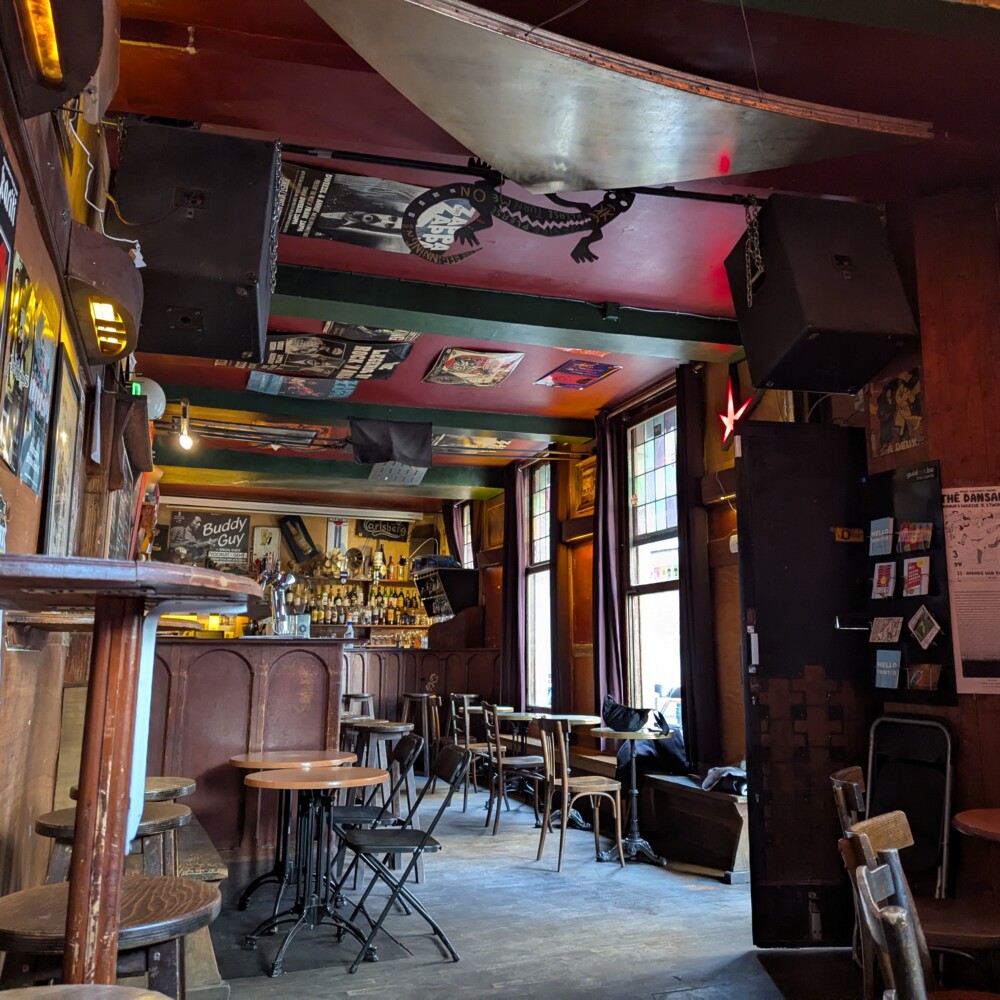
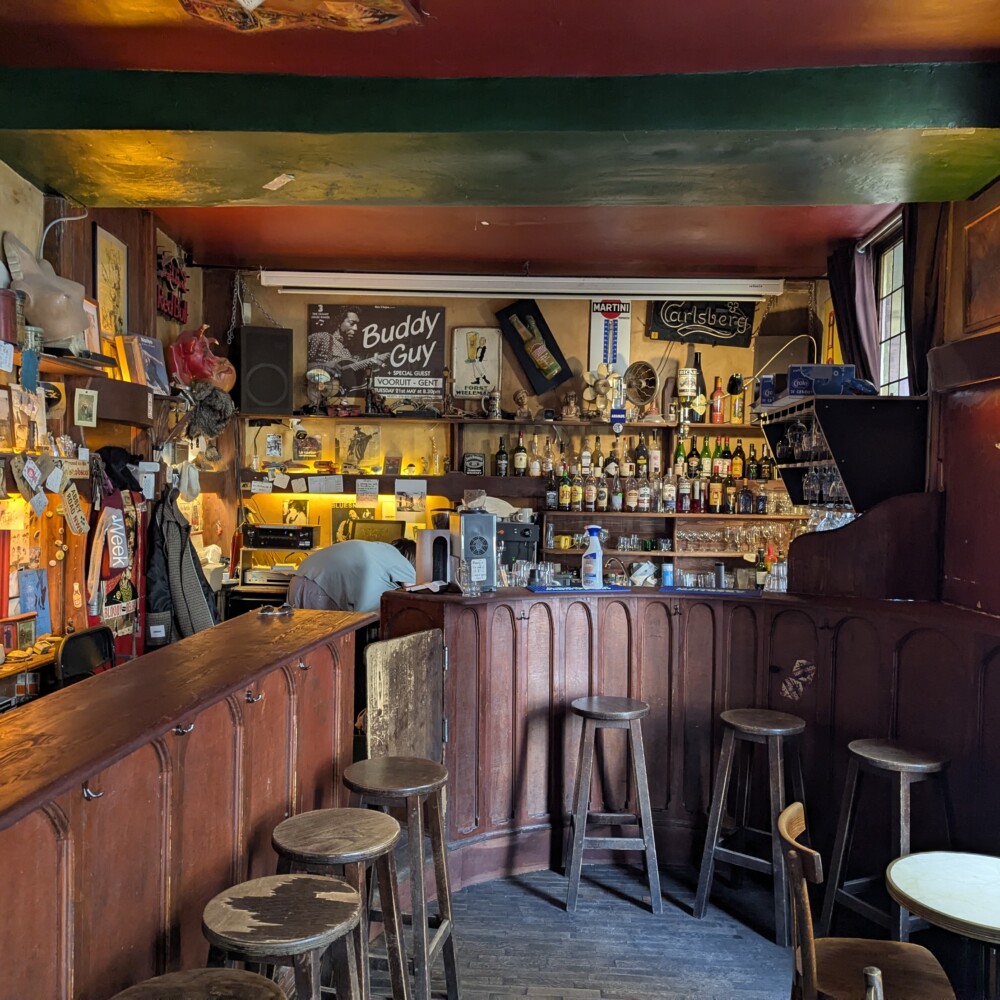
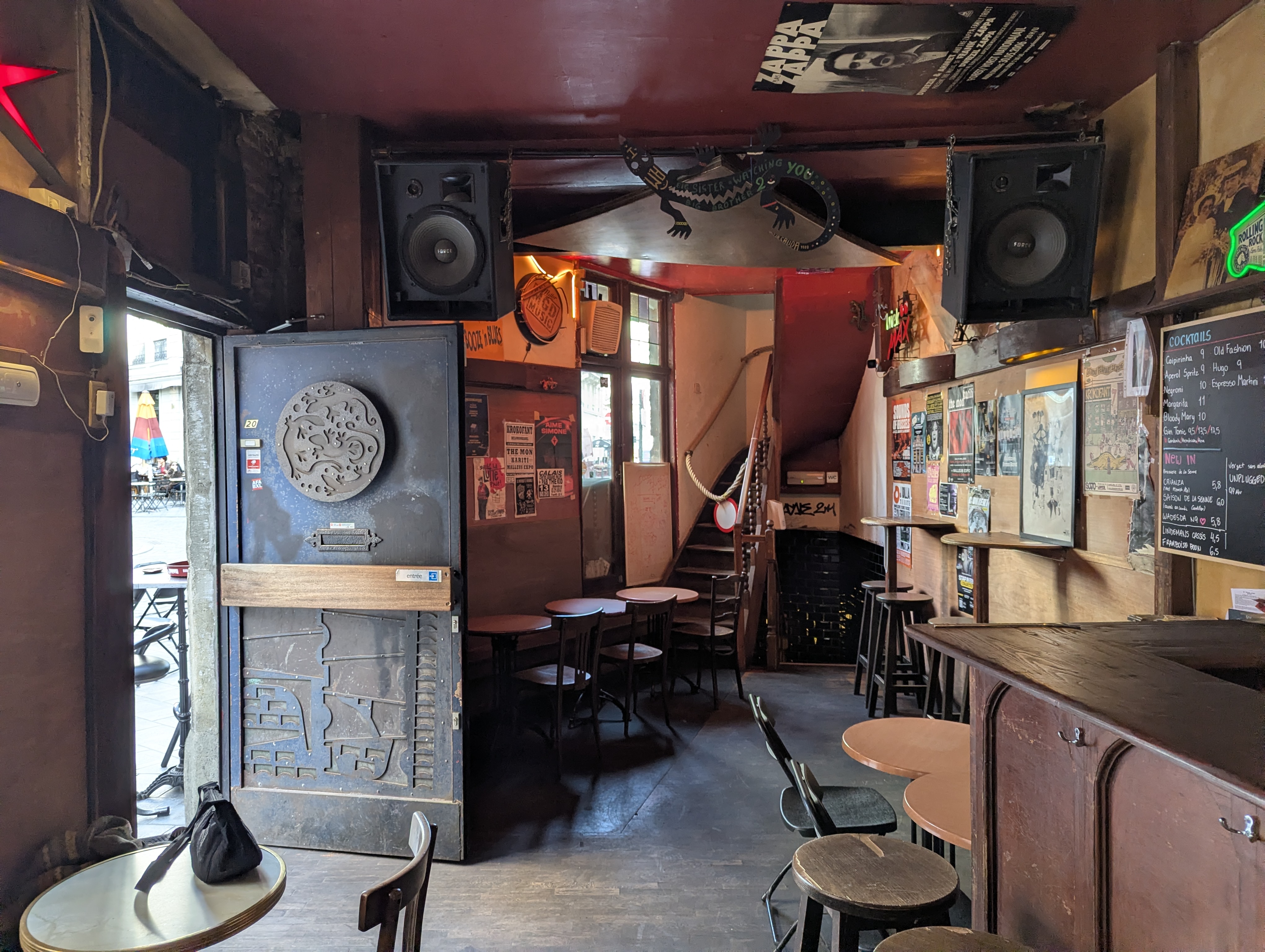
On the original site, you can find remnants of the Zwartzustersklooster in numbers 31-33 Groot Eiland and most notably number 20 Rijkeklarenstraat which is now a quaint little pub.
Sources:
Vannieuwenhuyze, B. (2011) “Brussel, de Ontwikkeling van een middeleeuwse stedelijke ruimte.” Amsterdam: Amsterdam University Press.
Henne, A. Wauters, A. (1845) “Histoire de la ville de Bruxelles. Volume I-III” Brussels: Librairie Encyclopédique de Périchon.
Rombaut, J-A. (1777) “Bruxelles illustrée, ou description chronologique et historique de cette ville.” Brussels: Chez Pauwels.
https://nl.wikipedia.org/wiki/Zwartzustersklooster_(Brussel)
https://de.wikipedia.org/wiki/Soeurs_Noires_Augustines_de_Bruxelles
https://monument.heritage.brussels/nl/Brussel_Vijfhoek/Rijkeklarenstraat/20/32941
https://monument.heritage.brussels/nl/Brussel_Vijfhoek/Groot_Eiland/31/32568
https://www.basilicakoekelberg.be/museum-zwartzusters-brussel/
https://www.brusselsmuseums.be/nl/musea/museum-zwartzusters-van-brussel
https://collections.heritage.brussels/nl/objects/51726#&gid=null&pid=1
-
-
- Van Deventer, J. (1550-1565) “Atlas of the city of the Low Countries : 73 minutes between 1550-1565 on orders of Emperors Charles V and Philip II” KBR (image)
- Braun, G, Hogenberg, F. (1572-1617) “Civitates orbis terrarum” Universiteitsbibliotheek Utrecht (image)
- de Tailly, M., van der Horst, N., Santvoort, A. D. (1640) “Bruxella nobilissima Brabantiae civitas anno 1640” KBR (image)
- Laboureur, J., Van der Baren, J., Harrewijn, J. (1695) “Bruxella Nobilissima Brabanti Civitasae” Bibliothèque Nationale de la France (image)
- Van Orley, J. (1712) “Christus aan het kruis” Stadhuis (image)
- Unknown. (1642) “Cartouche in steen – 1642” Broodhuis (image)
- Unknown. (?) “Portrait” Zwartzustersmuseum Brussel (image)
- Unknown. (?) “Statue of Mary Magdalene” Zwartzustersmuseum Brussel (image)
- Unknown. (?) “Statue of Virgin Mary with Christ” Zwartzustersmuseum Brussel (image)
- Unknown. (?) “Adoration of the Magi” Zwartzustersmuseum Brussel (image)
-
HOW IT LOOKS LIKE TODAY
Click on the zoom icon to view the full size.